
Senior executives and professional athletes work in very different arenas, but both must make major decisions and deliver results under sustained pressure. After more than a decade working in the NBA, veteran NBA performance coach Ben Kenyon, now founder and CEO of CLIMB Performance Coaching, has seen what keeps elite performers effective when the stakes are highest.
In this interview, Kenyon explains why talent alone isn’t enough, how the best athletes prepare and recharge, why he now measures what’s happening inside the body, and what business leaders can learn from the systems surrounding them.
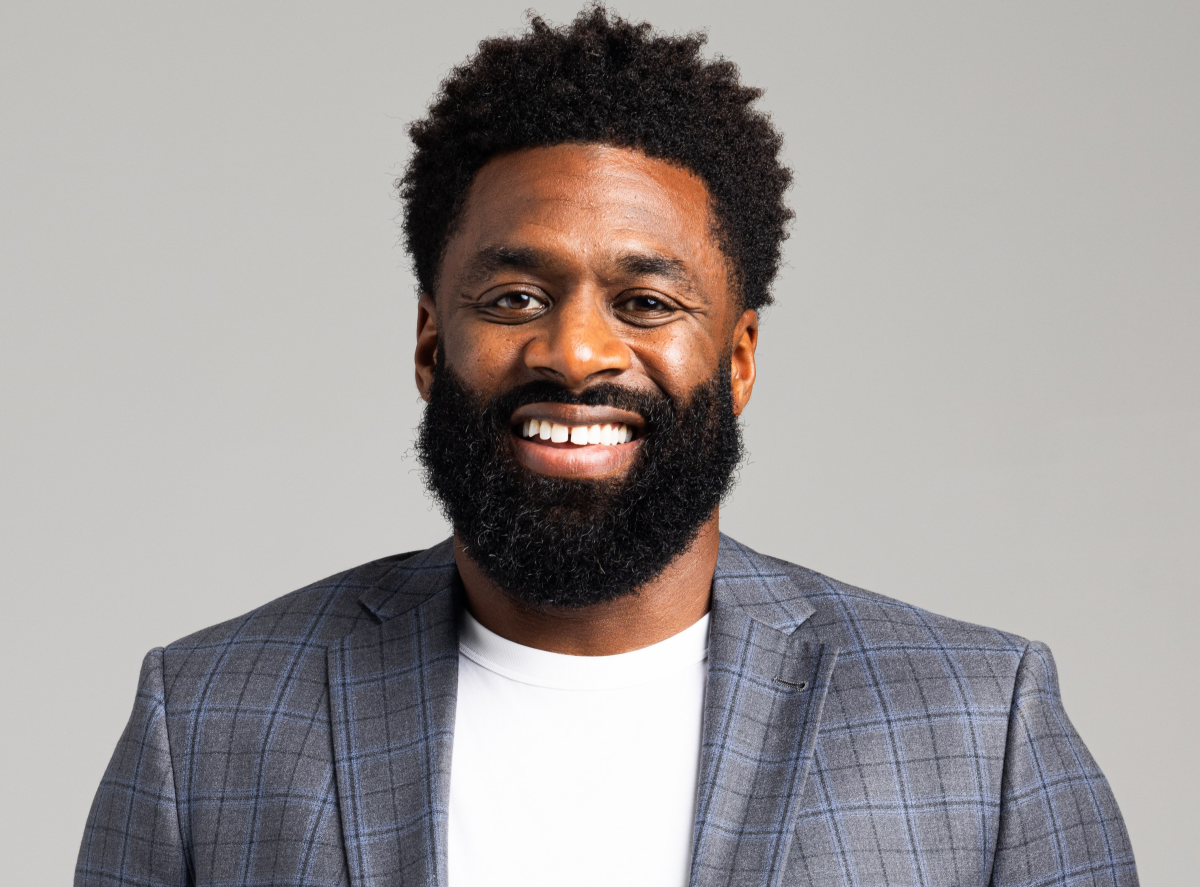
The best of the best look at recharging the same way they look at performance.
CLIMB Performance Coaching
What can the NBA teach leaders about identifying and developing high performers?
Kenyon: High-performing environments are demanding. Thriving in them takes a lot of mental fortitude, physical resilience, and emotional strength. To me, high performers are individuals who can withstand an ever-changing environment and constant organized chaos but still show up to execute and do what they need to do.
You can spot talent, but you have to see someone in action to understand whether they can perform consistently. The ability to get back up after falling is what we pay attention to, whether they’re a professional athlete or a business leader. How quickly can they pivot? How quickly can they add to their game and thrive under pressure?
A high performer says, “All right, here’s my moment. Let me go attack it.” But doing that every single day of an 82-game season is not easy. Sustainability and consistency are traits that I would love to see even before they get drafted or brought onto the team.
What less-visible habits and systems help elite athletes perform consistently?
Kenyon: High-performing athletes have their people around them who they know are going to pour into them. I’ve seen players consistently spend time with one or two people who poured into parts of their lives beyond basketball. When they stepped back onto the court, they were better mentally and emotionally prepared to execute.
They also have a solid recharge routine that helps calm their nervous system and move them from “fight or flight” to “rest and digest.” Especially if you have 15 games in a month, you have these small windows of time to recharge. They get massages, use the sauna or cold plunge, meditate, or wear a device that allows them to pay attention to their nervous system.
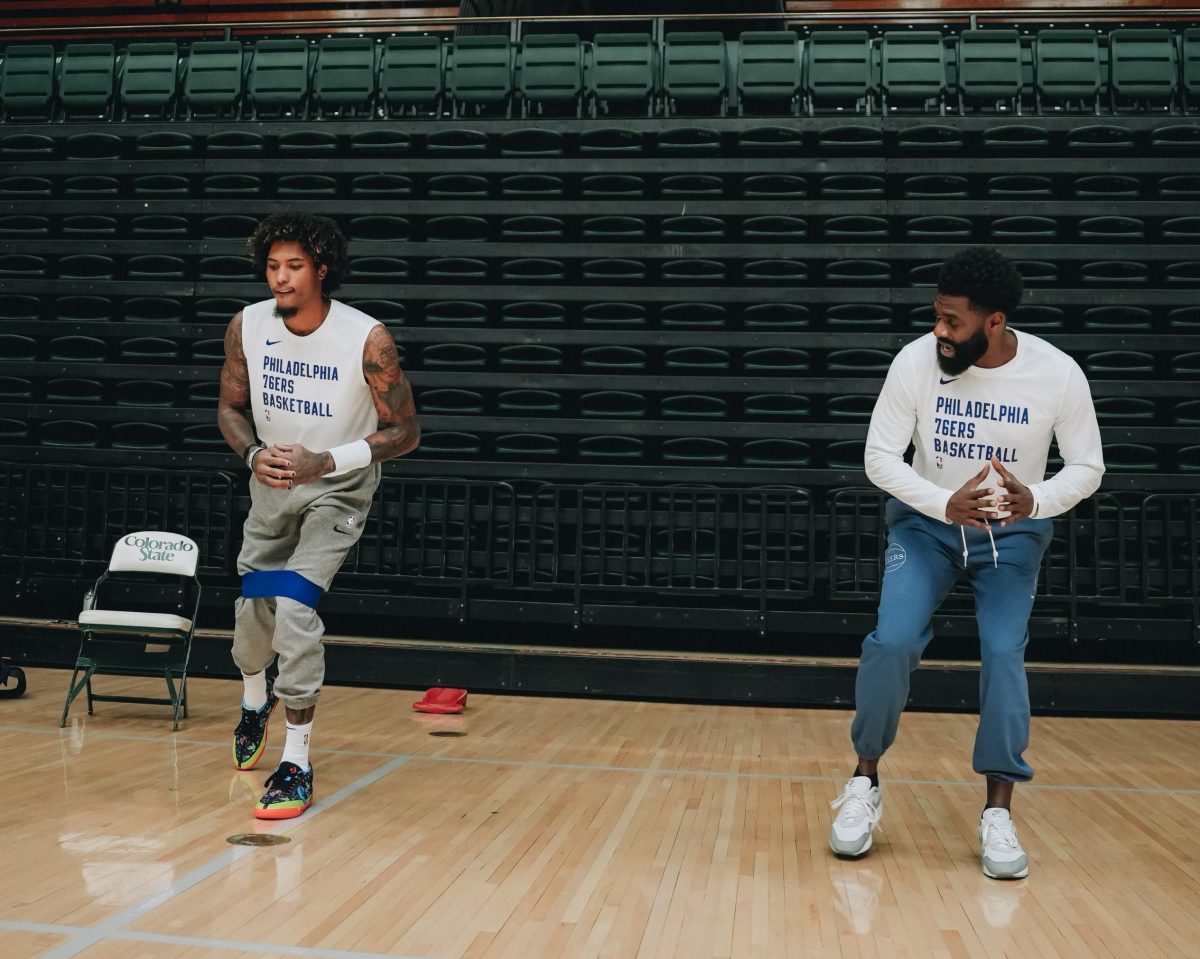
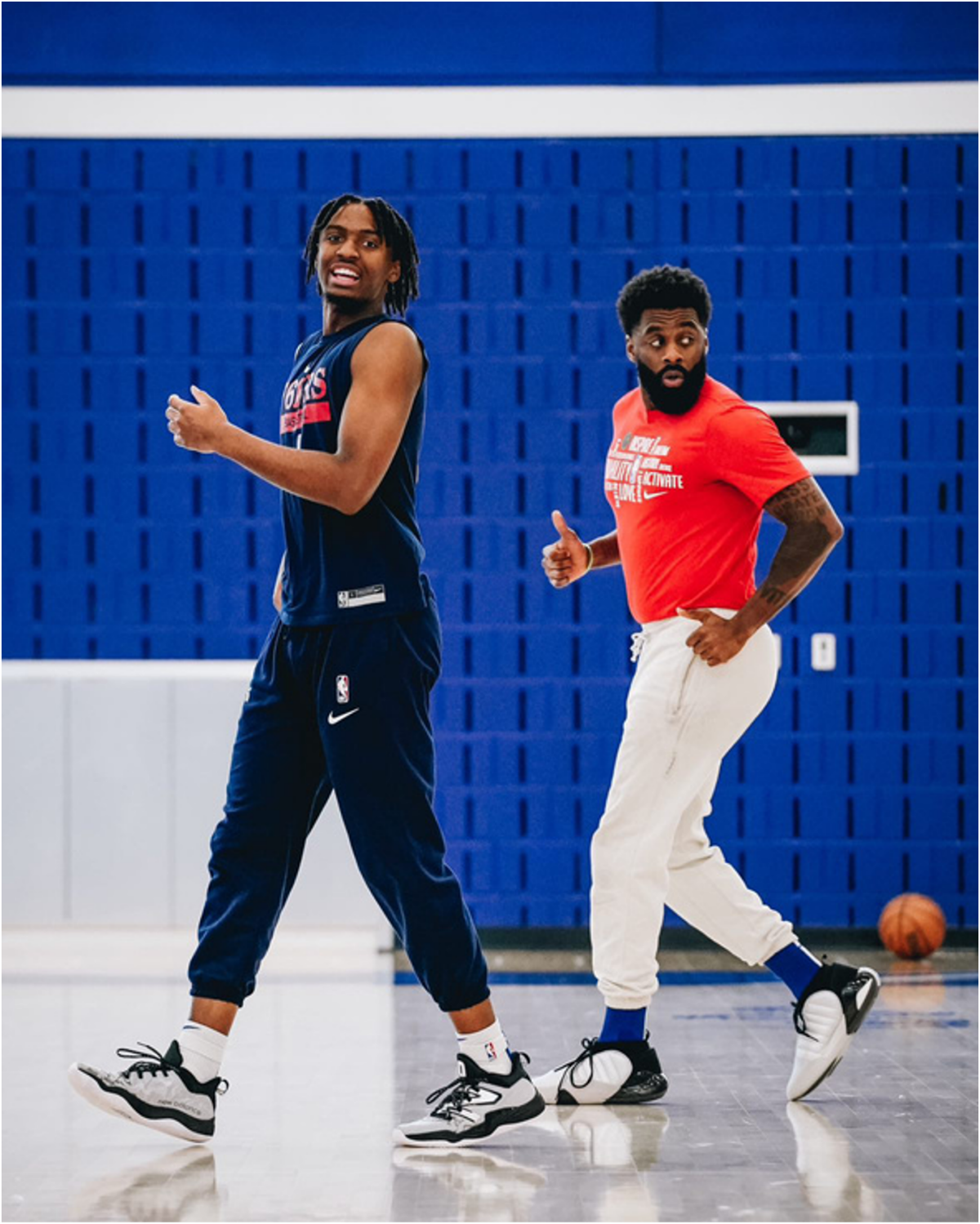
They surround themselves with coaches and mentors, and no matter how successful they get, they’re still willing to be the student. The one thing I really appreciated about working with Damian Lillard was that he was a true student of the game. When an expert spoke, he gave him his full attention and put what he learned into practice. I saw the same thing with Tyrese Maxey. As a rookie on a playoff team, he could play a few minutes one night and 44 the next. He was open to rebuilding his workout and recovery routine for the jump from elite college player to the NBA. By his second season, he was playing 35 minutes a night, and that routine is what kept him ready. Staying coachable matters, whether you’re a rising star, a franchise player, or leading an organization.
What can professional athletes teach us about preparing to perform when the pressure is on?
Kenyon: They clear space. They’re obsessed with their patterns and the structure of their day.
One player I worked with was very dialed in on game days. He would start with meditation, have breakfast at home, and come to the practice facility to stretch, lift weights, and hit the court. Then he would go home, take a midday nap, return to the arena, spend about 20 minutes in the sauna, lift again, and shoot his pre-game shots on court. Then, boom, it’s game time.
This is how he got himself calm, cool, and collected so he could be aligned and in a good space when he stepped onto the court in front of 20,000 people either cheering for him or against him.
When he was on the road, we tried to ensure every hotel offered opportunities to maintain those routines. That’s the point: Preparation for peak performance happens long before the pressure does.
What can business leaders learn from professional sports about sustaining performance and avoiding burnout?
Kenyon: The best of the best look at recharging the same way they look at performance. If you know the year-end or busy season will be especially demanding, that is an opportunity to strategically build recharge time into your schedule.
Recharging doesn’t have to be complicated. A walk with someone you love, ten minutes of breathwork, or a real wind-down routine before bed instead of passing out on the couch. Small habits, done consistently, keep you out of the red zone.
Burnout happens when a person is heading down a familiar, stressful road that they just don’t know how to get off. Awareness allows you to anticipate when your sleep, nutrition, energy, or focus typically suffers and make adjustments before you reach the exhaustion phase.
I learned that personally. One day, I walked into my apartment, sat down on the couch, and my heart was racing. I wasn’t doing anything, and I felt like I was panicking. When I reflected on it, I realized how much I had stacked on myself: drinking coffee morning, noon, and night, training for a half Ironman, entering my fourth NBA season, and starting to coach executives on the side. Each one felt like a good thing on its own, but together they weren’t helping me show up and perform efficiently. So I paused. I put some things on hold, and I got more clarity by slowing down than I ever did by pushing harder.
What role does data play in preventing burnout?
Kenyon: In the NBA, we never guessed. Every player was tested, tracked, and given a plan built on their own data. Most leaders don’t have that. They rely on how they feel, and by the time they feel burned out, they’re already deep in it.
Tracking things like sleep and nervous system response shows when a heavy week is taking a toll, and we can build recharge time around the calendar before tired turns into burnout. That’s the approach we bring to leaders through CLIMB. It’s the same system elite athletes rely on, built for business athletes.
How can leaders create conditions in which other people can perform at their best?
Kenyon: The first word that pops up is personalized support. I want to learn about your routine as a leader. What do we need to focus on to enhance it so that when stressful times come, you can still execute?
In the NBA, that could mean bringing in a mindset coach to help a player meditate or arranging for someone to help him stretch earlier. In the workplace, that could mean protecting recharge time on the calendar or giving leaders access to a performance coach. HR leaders can start with one question for their top performers: What does your recharge routine look like during your busiest season?
Next is consistency. Whatever we’re doing, I like to take one small step at a time and do it consistently. The best performers find the one or two things they’re great at. Then, over time, they figure out how to add to their system and whole process.
You also have to be confident in what you bring to the table. Everyone at this level is talented. Ego becomes a problem when someone is too rigid to accept expert support. The people who don’t have a mentor, coach, or somebody there to support them start to struggle because it gets tough to do it without an aligned community.
With the right people by your side, anything is possible.
Ben Kenyon is the founder and CEO of CLIMB Performance Coaching, which uses clinical biomarker testing and NBA sport science to keep top-billing professionals from burning out. He spent more than a decade as a performance coach with the Philadelphia 76ers and Portland Trail Blazers, working with players including Tyrese Maxey, Joel Embiid, and Damian Lillard.
Was this resource helpful?

Validate your HR expertise
Earning your SHRM-CP credential makes you a recognized expert and leader in the HR field.
Related Content

Transform HR with mobile technology to streamline workflows, enhance communication, and boost employee engagement across distributed teams.

A new study found that talent development practitioners believe performance-based assessments are more effective at measuring employee learning outcomes than knowledge tests.

As AI makes deeper inroads into organizations, employee concerns about the technology continue to grow. Here's how HR leaders can address the fear of AI among their own staff, as well as in the wider organization.