The Leadership Mirror
How HR Leaders Can Create Space for Reflection and Get the Most Out of Their Executive Coaching Experience

CHROs are often the architects of everyone else’s development. They champion leadership pipelines, design culture strategies, and invest in coaching and feedback systems to help others thrive. But when it comes to their own growth, many CHROs find themselves in a different position: overcommitted and under-supported, with little space carved out for personal reflection or development.
It’s the classic “The cobbler’s children have no shoes” dilemma. The leader responsible for ensuring the organization’s people have the necessary resources to grow may have no structure in place to support their own leadership evolution. And yet, the demands placed on CHROs today require just as much intentional growth as the roles they serve.
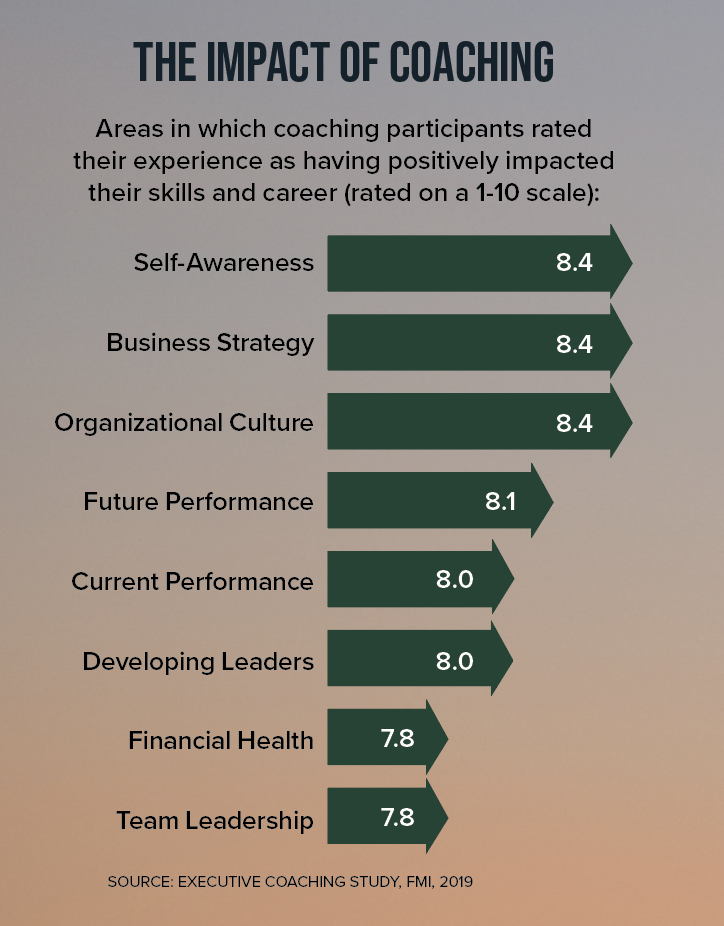
Executive coaching offers one path to achieve that intentionality. While the return on coaching is individualized, a larger majority of leaders (87%) said they’ve experienced a significant return on the investment from their coaching experience, according to a survey by FMI, a management consulting firm.
“Being a CHRO is like being on a plane when the oxygen masks drop. You’re told to put yours on first so you can help others. Too often, we do the opposite, making sure the CEO and leadership team are supported while neglecting our own development,” said Tracy Layney, former CHRO at Levi Strauss and an adjunct professor at The University of Chicago Booth School of Business. “Coaching reminded me that I need to be the first to invest in growth, not the last.”
But not all coaching is created equal, and not every CHRO is in the right position to benefit from it. Some may have had unremarkable or compliance-driven experiences in the past. Others may not know what to look for in a coaching relationship that serves their level of responsibility and complexity.
Here are six ways CHROs can extract real value from executive coaching, along with common barriers that can make even the best intentions fall short. The goal is not to advocate for coaching as a universal solution, but to help CHROs reframe their own development as a strategic asset — one worth investing in with the same thoughtfulness they bring to everyone else’s growth.
1. Start with Identity, Not Just Objectives
Most coaching engagements begin with a set of goals. These might include improving influence across the executive team, navigating a reorganization, or managing board-level dynamics. While those objectives matter, they don’t always get to the core of what makes coaching transformational: reconnecting with the leader behind the role.
For CHROs, whose responsibilities sit at the intersection of business strategy, culture, and human behavior, identity is not a soft concept — it is a compass. Effective coaching surfaces not just what a CHRO wants to achieve, but who they are while they’re achieving it. It helps clarify what kind of leader they’re becoming and what values are driving that evolution.
This matters especially in environments where demands shift rapidly. If coaching is focused only on situational tactics, it risks becoming reactive. But when it centers identity, it becomes a durable source of alignment. It can provide a throughline that anchors decision-making, communication, and presence regardless of how the business or team evolves.
What could get in the way? Some coaching engagements rush into solving problems without asking deeper questions. When coaching becomes purely outcome-based, it can reinforce the pressure to perform without offering any space to reflect on purpose. CHROs may also hesitate to “go personal,” worried that identity work is indulgent or irrelevant to business outcomes.
But the opposite tends to be true. When a CHRO is clear about who they are, they lead more intentionally, communicate more consistently, and make decisions with greater conviction. Coaching at this level doesn’t just make work better. It makes leadership more sustainable.

Strategic solitude helps CHROs refine how they think, not just what they think about. That results in clearer decision-making, faster execution, and better alignment."
2. Make Space for Strategic Solitude
One of the most overlooked benefits of executive coaching is the protected space it creates. CHROs’ calendars are often consumed by back-to-back meetings, urgent escalations, and emotional triage. It can be rare to find even a moment of uninterrupted thought. Coaching offers something increasingly scarce in senior leadership: deliberate solitude.
This kind of solitude isn’t about disconnecting or escaping. It’s about creating space for higher-order thinking. Coaching gives CHROs the chance to step out of the swirl of day-to-day demands and step into a structured environment for reflection, pattern recognition, and long-range planning. It is a rare opportunity to slow down in order to speed up.
Strategic solitude helps CHROs refine how they think, not just what they think about. That results in clearer decision-making, faster execution, and better alignment — outcomes rooted in structured reflection, not reactive effort. In a role where influence often matters more than authority, being able to process, prepare, and align behind the scenes becomes a leadership asset. Coaching can sharpen that muscle by offering a dedicated time and space to rehearse conversations, unpack decisions, and consider broader organizational implications.
What could get in the way? Busyness. For many CHROs, carving out time for coaching can feel like a luxury or a lower priority. There is always one more meeting or one more crisis. The paradox is that without this space, CHROs are more likely to be reactive than strategic.
When leaders regularly access structured solitude through coaching, they not only protect their time — they elevate their thinking. The work becomes less about keeping pace and more about setting direction.
3. Process the Emotional Labor of Leadership
CHROs carry a unique emotional burden inside organizations. They are often the ones holding space for others, managing layoffs with dignity, and supporting executives in crisis. This work is meaningful, but it comes at a cost.
Executive coaching can serve as a release valve for that pressure. It offers CHROs a confidential space to process the emotional complexity of their role without needing to perform, protect, or persuade. More than just venting, this kind of processing can sharpen self-awareness, support emotional regulation, and reduce the risk of burnout.
In fact, a Deloitte survey found that a larger share of C-suite leaders report feeling overwhelmed, lonely, and depressed compared with the broader workforce. Coaching can be a buffer against that toll, offering a space to reset emotionally and return with resilience. It allows CHROs to surface what they may be suppressing, name what they are carrying, and return to their work with clearer perspective and steadier energy.
What could get in the way? There is an unspoken belief that CHROs need to be the most composed person in the room. That belief can create a reluctance to admit stress, fatigue, or weariness, even in private settings. Some may worry that acknowledging the weight of the role is a sign of weakness or poor resilience.
But emotional labor, when left unprocessed, compounds. It leaks into decision-making, communication, and presence. Coaching can help CHROs metabolize that load in a way that is both human and strategic. It is not about collapsing under pressure. It is about making sure the pressure doesn’t build unchecked.
4. Be Coachable and Create Psychological Airspace
At the executive level, skill is not usually the limiting factor. What separates those who grow from those who plateau is often coachability. This doesn’t mean compliance or politeness. It means a willingness to be challenged, a readiness to self-examine, and enough internal space to reflect without defensiveness.
For CHROs, this can be especially tricky. They are often the coach in the room, the one guiding others through transformation. When the roles reverse, it can feel unfamiliar. Letting someone else lead the developmental conversation requires humility and openness that may not be exercised regularly in the role.
Coaching works best when there is psychological airspace — room for curiosity, discomfort, and the unexpected. When CHROs approach coaching as a strategic container rather than a transactional session, they give themselves permission to be more than the expert. They become learners again, and that shift can reignite growth.
What could get in the way? The higher up a leader goes, the fewer people are willing to give them honest feedback. Over time, this can create a false sense of clarity or confidence. The leader may unconsciously resist feedback that challenges their established narrative.
Without psychological airspace, coaching becomes shallow. The work stays on the surface, and insights rarely translate into lasting change. But when CHROs show up with a posture of learning rather than proving, coaching can become one of the few places where they are seen, stretched, and strengthened.
5. Find a Trusted Sounding Board
Leadership at the CHRO level often comes with fewer safe places to talk candidly. Even with close peers or board members, there can be dynamics that make full transparency feel risky.
A well-matched executive coach becomes a trusted sounding board, providing a space where CHROs can think out loud, test ideas, challenge assumptions, and say the things they cannot say anywhere else. This is not about emotional reassurance. It is about having a thought partner who is agenda-free, committed to your growth, and willing to meet you with both challenge and support. The quality of that dialogue depends on trust, and when it works, it creates a rare space for unfiltered reflection at the top.
What could get in the way? Sometimes coaching feels performative. The CHRO is assigned a coach as part of a package, or the relationship never quite reaches a level of safety and challenge. In those cases, the sessions can become routine check-ins or extended status updates rather than meaningful developmental work.
Trust takes time, and chemistry matters. A strong coach-coachee relationship is not just about credentials or frameworks. It is about whether the coach can hold space, ask hard questions, and understand the nuance of the role without needing to be the expert in it. When CHROs find that match, they often describe it as a rare and indispensable part of their leadership toolkit.
How Coaching Can Fall Flat: Avoid These Executive Missteps
Executive coaching has the power to unlock real transformation, but it can also fail to meet the mark when certain conditions are lacking. Here are some of the most common ways coaching loses its traction:
Misaligned Fit: The coaching relationship depends on trust and relevance. When a CHRO is matched with a coach based solely on availability or reputation rather than true fit, the work tends to stay surface-level. Coaching should feel both safe and stretching. Without that balance, progress stalls.
Compliance-Driven Engagements: Coaching that is offered as part of a leadership package or mandated without clarity often fails to land. If the leader doesn’t have a personal stake or choice in the process, it risks becoming performative. Coaching needs to feel intentional, not obligatory.
Vague Intentions: When a coaching engagement begins without clear purpose, it can drift. Goals can evolve over time, but without at least a starting point, coaching may feel like an interesting conversation that goes nowhere.
Resistance to Vulnerability: Growth at the executive level requires openness, not just expertise. If a CHRO treats coaching like another business meeting, full of posture and polish, the deeper work rarely happens. Coaching should be one of the few places where someone’s guard can come down and the truth can come through.
Coaching in a Vacuum: Coaching is most effective when it is part of a broader growth strategy. That might include mentorship, feedback loops, reflection practices, or even therapy. Relying on coaching alone, without anchoring it in real-world feedback and organizational context, limits its reach.
6. Sustain Yourself for the Long Run
Sustainability in leadership is not just about avoiding burnout. It is about cultivating practices that keep a leader connected to purpose, energized by the work, and resilient through cycles of change. Coaching helps CHROs pay attention to what drains them and what restores them. This is especially important in a role where the margin for emotional fatigue is thin. According to the Deloitte survey, 26% of executives report symptoms consistent with clinical depression, and almost 70% say they are seriously considering leaving their roles for well-being reasons.
What could get in the way? For many CHROs, self-care can feel self-indulgent. Putting themselves on the agenda seems like a luxury they cannot justify. There is always another fire to put out and another leader to support. But when the leader burns out, everyone feels it. That’s why it’s important to not only embrace coaching yourself, but to share your own coaching journey to encourage other leaders to reap the benefits.
For example, after Annette Wooters, the former CEO of the Far West Division of HealthTrust Supply Chain, found success with an executive coaching experience, she had the members of her executive team go through the same process.
“They loved the coaching, and it helped that I was incredibly transparent with my team about my own coaching,” Wooters said. “I shared with them what my weaknesses are, what my growth areas are, and what I learned from my coach.”
Coaching the Coach
The CHRO role is one of the most complex in the C-suite. It requires business fluency, emotional acuity, strategic foresight, and an unwavering sense of steadiness in the face of organizational turbulence. And yet, the very leaders who build the systems to grow others often overlook their own developmental needs.
Coaching is not a cure-all. It is not a signal of struggle or a sign that something is broken. It is a tool — a structured space to think, reflect, and evolve. When CHROs enter that space with clarity, vulnerability, and a strong coach relationship, they often find themselves better aligned, more energized, and more deeply rooted in their leadership.
“Coaching has helped me tell better stories. It’s given me new language and frameworks that I now use to guide other leaders through tough decisions. Whether it’s from a coach or a mentor, that kind of perspective is gold,” said John Ferguson, SHRM-CP, former CHRO of NASCAR.
The image of the barefoot CHRO may be familiar. Too often, people leaders walk forward without the same resources that they diligently provide to others. But it doesn’t have to be this way. Coaching is not about taking time away from the role. It is about investing in the clarity and capacity to do it well.
Leadership is personal. Growth is optional. And leaders deserve to wear the shoes they’ve spent their careers fitting for others.
Bob Goodwin is the president of Career Club, where he works with senior executives to elevate leadership performance and align business strategy with people outcomes.
Where Could Coaching Serve You Most Right Now?
For each statement below, rate yourself from 1 (strongly disagree) to 5 (strongly agree). Add up your total, then review the results to see which coaching focus may be most relevant to your current leadership context.
Coaching Readiness and Focus Checklist (rate yourself 1 to 5)
- I have regular time set aside for personal reflection and strategic thinking.
- I feel consistently connected to my leadership purpose and values.
- I have someone I trust to challenge my thinking and ask me hard questions.
- I have a safe space to process the emotional impact of my role.
- I’m clear on how I’m evolving as a leader, not just what I need to deliver.
- I know when to slow down, recover, or say no — without guilt.
- I’m comfortable being vulnerable in developmental conversations.
- I’m investing as much in my own development as I do in other people’s.
Your Score and Coaching Focus
8-16: Time to Rebuild the Foundation: You may be running on instinct or default mode. Coaching focused on identity, self-awareness, and leadership alignment could help rebuild clarity and internal steadiness.
17-28: Ready to Level Up: You likely have some reflection habits in place but may be missing space for deep processing or a trusted sounding board. Coaching that emphasizes strategy, energy pacing, and influence may serve you well.
29-40: Sustain and Scale: You’re currently doing a lot right. Coaching can now support you in refining your edge, exploring longer-term legacy work, or cultivating next-generation leadership behind you.
Related Articles

Transform HR with mobile technology to streamline workflows, enhance communication, and boost employee engagement across distributed teams.

A new study found that talent development practitioners believe performance-based assessments are more effective at measuring employee learning outcomes than knowledge tests.

As AI makes deeper inroads into organizations, employee concerns about the technology continue to grow. Here's how HR leaders can address the fear of AI among their own staff, as well as in the wider organization.