- Video
- Audio Only
In this episode of People + Strategy, Darnell Lee, CHRO for the Chief Administrative Officer, reveals how leading HR for the U.S. House of Representatives means mastering the art of adaptability. With shifting leadership every two years and priorities that can change overnight, Lee has built a culture grounded in agility, excellence, and trust. He shares how competency models, data-driven planning, and curiosity around AI are helping the House modernize its workforce strategy. Hear what it takes to guide organizations through constant change — balancing service, stability, and innovation in one of the most dynamic workplaces in government.
This episode is sponsored by:

Related to this Episode:
Gain hands-on skills, ethical guidance, and a practical AI roadmap to lead responsibly and deliver measurable impact.
This in-depth exploration of SHRM research, The Business Case for HR Excellence, dives into how future-focused HR functions can lead organizational transformation and deliver strategic value and financial impact.
The podcast is just the beginning. The weekly People+Strategy Brief also features articles on all aspects of HR leadership excellence. Explore these must-read stories featured in the latest issue. Subscribe now and elevate your strategy.
News + Insights

How CHROs can lead AI-driven transformation by focusing on people, culture, and continuous change.

Transform executive experience into boardroom influence with strategic insights and expert guidance on navigating governance roles.

This month’s Download examines AI concerns, tech-driven stress, and leadership gaps and offers CHROs actionable strategies to guide their evolving workforces.

Workers doubt AI can be unbiased in hiring. Experts urge transparency, oversight, and responsible use as employers expand automation in the hiring process.
Episode Guest
-
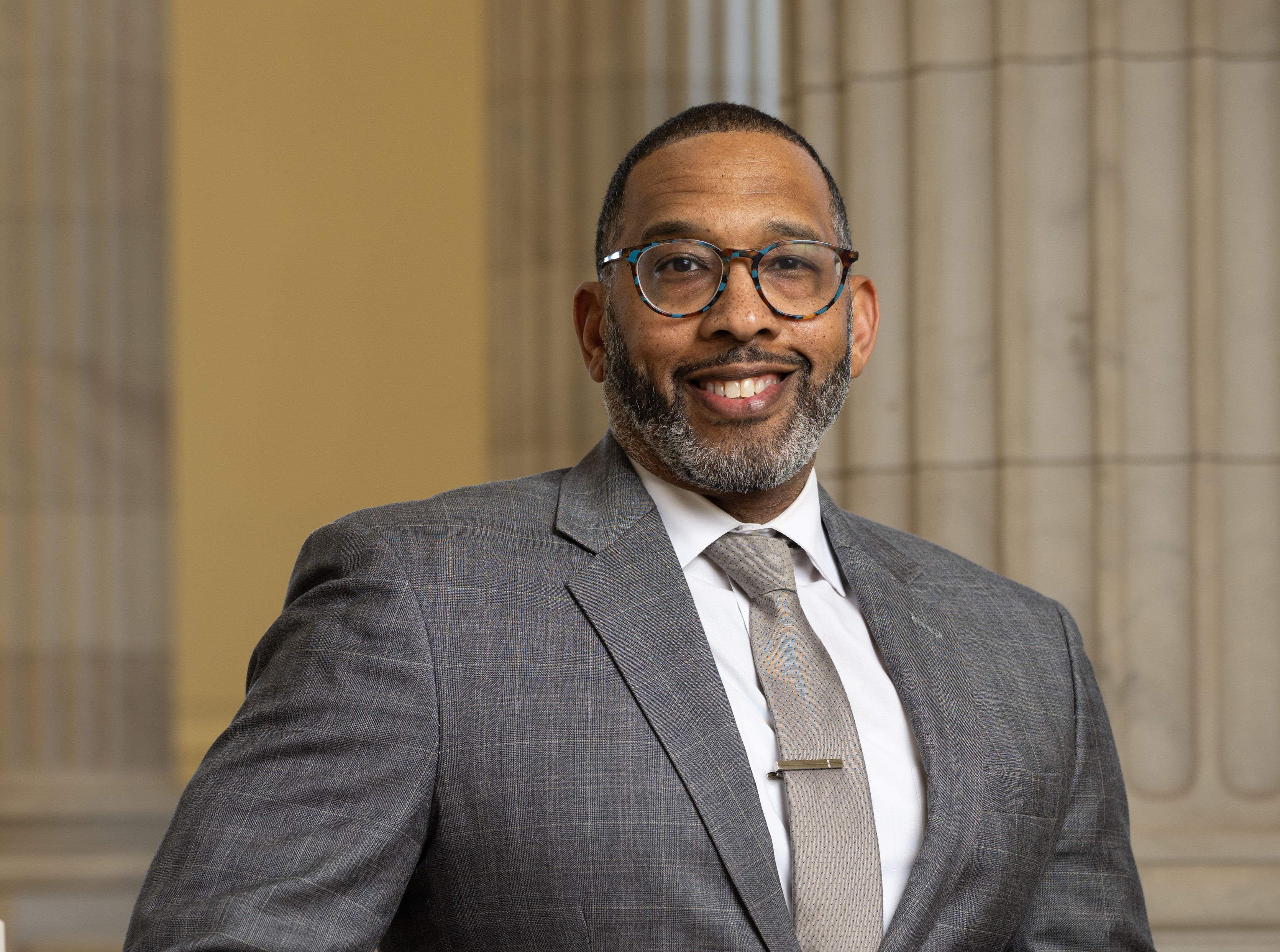
Darnell Lee
Darnell Lee is the CHRO for the Office of the Chief Administrative Officer (CAO). He has over 20 years of experience working in federal and private sectors, focusing on human resources, strategic planning, change, organizational development, and engagement.
Episode Transcript
Mo Fathelbab: [00:00:00] Welcome to today's episode of People and Strategy. We are recording live from the Executive Network Visionary Summit. I'm your host, Mo Fathelbab, president of International Facilitators Organization, People and Strategy is a podcast from the SHRM Executive Network, the premier network of executives. In the field of human resources.
Each week we bring you in-depth conversations with the country's top HR executives and thought leaders. For today's conversation, I'm excited to be joined by Darnell Lee, the CHRO for the Office of the Chief Administrative Officer for the United States House of Representatives. We'll be talking about his unique role as well as workforce planning.
Welcome, Darnell. Thank you, Mo. Thank you. Great to have you with us. Uh, Darnell, tell us about your career journey and what brought you to the field of HR.
Darnell Lee: Well, um, [00:01:00] interestingly, um, I wanted to be a doctor, a medical doctor, um, as I started off in my career. But, um, the more I got into, you know, college and, and, uh, you know.
Thinking about, um, what I wanted to do. I leaned into organizations and psychology and behavior. Um, and so I realized, you know, I wanted to help people out. But, um, you know, I wanted to lean in more to organizations. So I'm an organizational behavior guy and I started my career in HR, um, and, uh, leaned into consulting, um, moved into more internal HR, um, and then began to connect to, uh, some of the more strategic parts of HR.
So. You know, I learned that, you know, HR is more than just the operational pieces. It really is a strategic partner. Um, and that's, uh, where I sit now
Mo Fathelbab: and as the CHRO of the CAO for the US House of Representatives. You are in a very interesting position. What is it like, uh, to have that [00:02:00] government role?
Darnell Lee: You know, really interesting.
Um, so I've had some time in private sector and a public sector, and one of the things that I think is unique about the legislative side, um, behind the scenes, um, is that it actually moves really fast, um, much faster than, um, you may predict or think, you know, most people think, uh, you know, private sector or.
Or public sector, I should say. Um, they think slow, you know, antiquated. Um, but because of our mission and who we focus and who we're, you know, really supporting on a day-to-day basis, we have to adapt. We have to move. And that has been really a surprising, you know, part of, uh, being part of the CAO and the legislative side.
Mo Fathelbab: Well, that is, uh, fascinating because that is exactly the opposite of what we might expect. So how do you adapt to this fast changing environment?
Darnell Lee: Well, I, I think, you know, um, when you think about the legislative government, um, you thinking about the House of Representatives, um, the [00:03:00] stakeholders change, you know, very, uh, quickly.
Um, you think, uh, every two to four years now we could have a change in leadership. And so priorities change. Uh. People change expectations, uh, change along the way. And so we really have to be able to adapt to meet those, um, those expectations. Um, and it really, um, means that we have to be nimble. Um, we have to be ready, uh, to shift ourselves in a different way.
And that is. Setting up the organization to be focused on, you know, um, excellence. Um, you know, one of our taglines is, you know, we want to be the premier service, um, organization to the House of Representatives. And that we are excellent in everything that we do. And so to do that, we have to be able to adapt, you know, really quickly, especially when the environment changes.
And you also have to be apolitical, correct? Yes. We support both sides of the house. You know, our role here is to support the administrative arm, [00:04:00] um, not the political pieces, but to ensure that the administrative pieces that we do support, uh, work seamlessly and effectively so that they can, you know, really do their constitutional duties.
Mo Fathelbab: I understand you have two HR organizations, uh, one internal, which you lead and one human capital group for a member and committee staff. How did that come to be that you have two HR organizations?
Darnell Lee: Well, I think just as a, you know, I was speaking to just a, a second ago, uh. It's about being able to shift and adapt.
Um, and so having one organization with one focus, um, works well. But as the organization changes as more and different people come into member offices, some, um, from public, um, uh. Public policy, um, some from medicine, some from business. We really have to think about how do we adapt to the needs of people in a two year window.
Um, and so we look to modernize HR. And so one of [00:05:00] those things is having a dual lens, um, an internal lens. Where we're focusing on the staff to ensure that we're providing, uh, excellent service, you know, from a skills perspective, hiring the right people, uh, et cetera. And another, from a consultative perspective, ensuring another administrative piece of doing, uh, the work of, um, members and committees is that they have some HR expertise.
We have something called a HR hub that the human capital group, um, uh, leads and pushes out, and it's, um, really gives them, um, some just in time best practices for the HR side.
AD VO: Smart leadership means smart investments. Equip your team with the future-focused strategies they need at SHRM Talent 26 in Dallas, April 19th through the 22nd.
And save $200 on every ticket when you register by December 19th. You can learn more at SHRM dot org slash talent. 26 dash podcast.
Mo Fathelbab: [00:06:00] So Darnell, who are the stakeholders that you report to as CHRO? Uh, and how do you keep all those stakeholders holders on the same page? Uh, particularly 'cause there's so many of them.
Darnell Lee: Exactly. Um, so traditionally we have our line of leadership, uh, that, um, serves as stakeholders. So I have a deputy chief administrative officer, the chief administrative officer of course. Um, and then organizationally from an institutional perspective, we have both the speaker and the minority leader who have a direct impact on, you know, what our focus is, what our priorities are across the organization.
Um, but we also have, um, members, um, of in committees, um, that are joining the. Legislative work, but they're also members of Congress, so they're sometimes, um, a boss of ours as well as those who are customers, so to speak, of the services that we provide. And so we're always having to balance, you know, multiple perspectives and multiple priorities and multiple needs, um, on.[00:07:00]
And, um, you know, from a two year to four year basis, because people have elections every two years. So we always have to stay on the cutting edge and always think about how do we deliver our services in a way that is easy for people to engage as well as help them to do their legislative work that they've been elected to do, and have the staff to bring on to do as well.
Mo Fathelbab: So that, uh, is a good place to shift gears and talk about workforce planning. Uh, how do you approach that in your organization?
Darnell Lee: So workforce planning for us, um, really has turned into be more of a, a, a discipline, um, and not just a process, um, that we engage in from time to time. And so from an HR perspective, we focus on a couple of different things.
Uh, we focus on ensuring that, um, whatever we're doing around workforce planning that is mission focused, it's focused on what we're here to do and who we're here to serve. Um, also making sure that we have the data that we need, um, on our. [00:08:00] Uh, you know, regular basis, um, not just looking at a static, um, time and, uh, at a static time or static point in time.
Um, also, um, engagement is huge, hugely important for our process. Um, and, um, we're always looking on how to adapt and be flexible, um, because, um, we have to, of course, as I said, shift, you know, all the time, um, depending on what the priorities are.
Mo Fathelbab: So Darnell, when it comes to ensuring that, uh, employees meet organizational needs, how do you assess the skills of your talent?
Darnell Lee: So great question. Um, we have taken a lot of time over the last couple of years to really understand, uh, the competencies that would make one successful regardless of their job in the organization. And so we've created a couple different competency models. One that's a general competency model. One is a leadership competency model, and then another that, uh, has a technical competency model for every business unit.
That's part of our organization. And [00:09:00] so we spent time trying to understand what those, you know, behaviors were and the knowledge, skills, and abilities. And so employees have a foundation of even, um, if you're looking across the organization, you understand what those core skills are, those core competencies are to be successful.
In the organization, regardless of what your title is, these posi, these competencies, I should say, are the ones that are foundational for success. And we did that by looking, um, across the organization, you know, doing, uh, you know, engagements and surveys and conversations with leaders and staff. And these are the ones that rose up to be, uh, really core.
So that gives us a really good foundation of assessing, um, what the skills are to be successful in the organization as well. And then we've embedded those into. All of our, uh, organizational or HR, uh, practices from recruiting to performance management to, uh, growth and development. And what [00:10:00]
Mo Fathelbab: are some of those competencies?
Darnell Lee: So some of those competencies, uh, the general competency model has about seven competencies. So they range from, um, adaptability, accountability, problem resolution, um, priority management, uh. Customer orientation, knowledge of policies, processes, and procedures. I like to say that one all the time. Um, so those are some of the, the foundational general competencies.
And then, um, the leadership are kind of core five core leadership ones, which are strategic planning, um, collaboration. Coalition building. Um, also, uh, leading people. You, you need to be a leader. You have to lead, lead people. Um, those are some of our, our core leadership, uh, ones as well. And then we really gear all of our training around those competencies.
Mo Fathelbab: Amazing. That you could just rattle off all those competencies like that. Uh, so Darnell, one skill that's on everyone's mind right now is ai. Where is your organization, uh, right now when it comes to adopting [00:11:00] ai and how do you hope to grow that skill?
Darnell Lee: So I think we are in the beginning of ai, um, in terms of looking at it across the institution, not just the chief administrative officer, but really looking at.
As a useful tool across the, the House of Representatives. And so organizations, organizational leadership, I should say, is really much, um, focused on understanding what the impact is gonna be, uh, across, um, our jobs and the experience of work. Uh, and so very, uh, strategic, you know, focus on understanding, you know what AI.
Can be and should be, um, in our environment, um, beginning to kind of roll out tools, um, that are assessed first, um, for its, uh, feasibility and value, um, in the organization. And so we're doing that institutionally. Um, but then from a HR perspective, we're beginning to look at. Um, those two, um, features around value and feasibility.
So looking across, um, [00:12:00] employee experience, uh, performance management, um, orientation, recruitment development. Where are those valuable opportunities that AI could have in our environment? And then how feasible, uh, is it, um, uh, to kind of implement? And so those are the some things that we're doing Also. You know, we're beginning to look at, okay, what type of skills do we need to have, um, to now think about using AI on a regular basis.
Um, one I would say is being curious, um, and being open, uh, to, um, learning new and different. Um. Things in ways, um, as well. Um, and then I would say one tangible, uh, piece, um, is, um, we're beginning to look at, uh, the prompting piece, which is learning about that literacy too around ai and looking at ways that we can help people, um, create prompts that will help them in their jobs.
So looking at and exploring that from a career development perspective, where you can do a [00:13:00] prompt based on our competencies. Um, and, uh, begin to connect the dots around potential opportunities or looking for different skills that may be necessary. Um, as you look at the career path,
Mo Fathelbab: and you also, uh, mentioned that you have a turnover rate of just six to 10% on any given year.
To what do you credit the low, low turnover rate.
Darnell Lee: Well in, in the public sector, I think it's a little bit connected to the demographics, the generational demographics of, uh, the public sector and, and the legislative ranch. We have a high, um, tenured, uh, group. Um, but I also think that it's connected to, um, the work that people are doing.
You know, we. We work in a very unique place, um, where, um, people may not think about change as being part of the foundation, but it really is there. So we always say there's never a dull day because we never know what's going to happen. Um, I think that's connected to, you know, keeping people kind of [00:14:00] engaged, um, um, as well.
And then we also do a really, um. Focused job on, um, capturing engagement, understanding the engagement in the organization. So we do surveys every other year, uh, to understand what's going on, getting a pulse of the organization, uh, so that we can also shift if you hear, hear a theme there, if we can shift, um, and adapt, um, our kind of approach to work.
Mo Fathelbab: So, Darnell, how do you plan to evolve your talent pipeline over the next year?
Darnell Lee: So I think there's two focuses that, um, we're focusing on, um, really, um, listening and career development. And so I'll break that down a bit for you. So listening, um, when we think about that, coaching I think is becoming a huge.
New skill for managers, uh, right now. Um, and to ensure that people we're retaining people and keeping people part of the organization really need to ensure that we're engaging staff on a regular basis, where we're creating those safe spaces [00:15:00] for individuals where they feel seen and heard, um, in the, in the organization.
Um, not just from an institutional perspective, but from the relationship that individuals are having. Uh. With their staff and kind of immediate teams. Now that's one piece, and in that conversation it's also focusing on career growth and career development, uh, because we are going to, you know, evolve faster and move, um, quicker.
Um, than most, um, environments just because of the nature of the work that we're doing, but also how work is changing. You know, work is changing from a technology perspective and also there's gonna be some shifts potentially, um, for people retiring. And so we really have to stay in front of that. And so these two simple things around listening and focusing on career development, I think are gonna be really core to how we're, um, ensuring that we're growing our TA talent pipeline, but also retaining good staff.
Mo Fathelbab: And how are you tending to those safe spaces? What are the [00:16:00] ingredients that you find important and how do you adopt them to ensure that they have these space safe spaces?
Darnell Lee: So one, when we think about performance management, um, really embedding con continuous conversation, um, and continuous feedback into the process.
Um, so not just talking about goals once a year and at the end of the year, but really embedding, uh, you know, templates or tools, um, questions that everyone has access to from a management perspective and employee perspective that they can tap into, um, on a regular. Basis. And so we're ensuring that people have those tools in front of them as, as a, from an HR perspective, from a tool perspective, but also ensuring that we are training people on how to do that.
Um, well, and so how do you have that conversation? How do you create that safe, uh, space, um, for between you and your, uh, employees?
Mo Fathelbab: And what advice do you have for leaders who are struggling in today's labor market with retaining good talent?
Darnell Lee: [00:17:00] I, I think it's part of, uh, those two things, uh, that I, uh, just talked about, um, is ensuring that, um, you have a good pulse on what's going on, um, in your organization, um, but also looking at, looking at.
Um, how you're engaging and bringing people, you know, into, uh, the organization as well. You know, are you tapping into a skills-based hiring approach, um, versus just looking at positions. Um, are you tapping into and thinking about what are the, um, skills that you're gonna need, not just for today, but for, uh, the next, uh, you know.
Couple of years, um, are you ensuring, uh, that um, you have a good pipeline internally too, um, to pro to get prepared and ready for positions, um, as well. So there's, uh, uh, you know, a, a multiple, uh, perspective and, and approach, uh, to thinking about, uh, uh, talent development and retention.
Mo Fathelbab: You know, skills-based hiring has certainly been part of the buzz here at SHRM.
Uh, when did you all [00:18:00] start that at CAO?
Darnell Lee: So it's really part of the competency models that I talked about. You know, after we developed the competency models, we went to each of the individual ones and actually identified, uh, um, interview questions that aligned to the behaviors, outcomes, and experiences that we'd like to see in the organization.
Um, we took those, uh, interview questions and also connected those to not just general leadership, but also the functional, um, uh. Uh, competencies throughout the organization. So if you're a hiring manager, um, you actually have a library of, um, uh, questions that really get to the skills, um, that you need, um, in your organization.
So we kind of infused, uh, uh, you know, the beginning of skills-based, um, hiring from our competency models.
Mo Fathelbab: Amazing, amazing story. Darna, uh, last question. What is one piece of advice that has shaped your work or personal life?
Darnell Lee: So I, I would have to say a adaptability [00:19:00] is one of those, one of those things, um, you know, we come into our, our work with experience and, and expertise, but sometimes the environment will throw us a curve ball and we hold onto that expertise more than we should.
And so sometimes, uh, one of the things that's core to me is knowing when to drop your tools. Knowing when to shift, and then knowing when to look at the, look at the possibilities. And having been there for over 30 years, I
Mo Fathelbab: think 20 some, 20 some years, uh, that has been critical, especially with the fast pace of change that you've described.
Darnell Lee: Exactly. Um, for me, and I think anyone that's working in HR, um, you have to be adaptable. You have to shift, and you have to understand the environment you're in. And
Mo Fathelbab: that's where we'll end it for this episode of People and Strategy. A huge thanks to Darnell for your valuable insights.
Darnell Lee: Thank you. Thank you, sir.
Mo Fathelbab: Thanks for tuning in. You could follow the People in Strategy podcast wherever you get your podcasts. Also, [00:20:00] podcast reviews have a real impact on podcast visibility. So if you enjoyed today's episode, leave a review to help others find the show. Finally, you could find all our episodes on our website at SHRM dot org slash podcasts.
And while you're there, sign up for our weekly newsletter. Thanks for joining us and have a great day.
Featured Story

Workers doubt AI can be unbiased in hiring. Experts urge transparency, oversight, and responsible use as employers expand automation in the hiring process.
Enjoy On Your Favorite App
Feature Stories
As part of SHRM's commitment to providing cutting-edge resources, get additional perspective and more insights in content curated from SHRM and around the web.
Workers doubt AI can be unbiased in hiring. Experts urge transparency, oversight, and responsible use as employers expand automation in the hiring process.
This month’s Download examines AI concerns, tech-driven stress, and leadership gaps and offers CHROs actionable strategies to guide their evolving workforces.

As AI hype surges, HR teams face a harsh reality. Learn how grounded, staff-built tools — not grand promises — deliver real transformation.