HR leaders are usually the first to hear what AI conversations leave unsaid. A manager hesitates to act on an AI agent's output because no one has said who owns the outcome when it's wrong. Employees wonder, quietly and not so quietly, what their role will look like in 18 months. When a task audit reveals that a large share of someone's job is reducible, leaders need more than permission to think about it. They need a real plan for what comes before any conversation about rethinking roles and shifting your people management strategy. And a CFO wants to know what the AI investment is actually returning, not just in efficiency metrics.
These questions rarely make the agenda. They end up on HR's desk. This session names them and works through them, with real answers from a firm that has been living this for three years.
Part 1 of this series established what's at stake when HR is left out of the AI strategy conversation. Part 2 gets practical. You'll leave with a framework you can put to work Monday morning.
The session covers:
- The three bridges: from co-pilot, to coworker, to redesigning the job itself, and what it takes to move your organization through each one
- Who owns the AI workforce: IT built it, Ops uses it, and the case for why it has to be HR
- The HR tools you already have: job descriptions, compliance, redeployment, and why they still work on this hire
- Breaking the job into tasks: how to map reducible vs. irreducible work, so AI takes what it does better and your people are freed to do what only they can
- What to do when a role turns out to be mostly reducible: a concrete approach to redeployment, skills mapping, and the rolling 90-day development plan that replaces the elimination memo
- A scorecard your board will actually trust: built on outcomes and workforce intelligence, not activity
- Why your clients still want a person: and what that means for how you make the case internally to hold the line
OneDigital, a $1.7 billion firm with more than 6,000 employees and more than 100,000 employer clients, didn't wait for a playbook. It built one. Under private-equity scrutiny, in real time, with 1,600 of its own benefit consultants working daily alongside an AI coworker named Ben. That experiment produced 14 active AI coworkers, a workforce intelligence framework, and some hard-won clarity on what actually changes when you treat AI as talent rather than software. This session shares what worked, what didn't, and what HR has to own to make it stick.
This is a working session built on real results. Submit your toughest questions about accountability, measurement, and role design to the registration form and we’ll address them during the live event.
New to this conversation? Once you register, watch the on-demand recording of Part 1: 52% of Organizations Build Their AI Strategy Without HR. Here's What's Possible When HR Leads, to see how that gap opened and what becomes possible when HR leads.
Presented by Mike Sullivan, Co-Founder and Chief Growth Officer, and Vinay Gidwaney, Chief Product Officer, OneDigital. Co-authors of Workforce Intelligence: The People-First Playbook for Leading Your Company Through AI Transformation (Wiley, 2026).
Statistic sourced from SHRM's 2026 State of AI in HR, a survey of 1,908 HR professionals.
Meet the Presenters
-
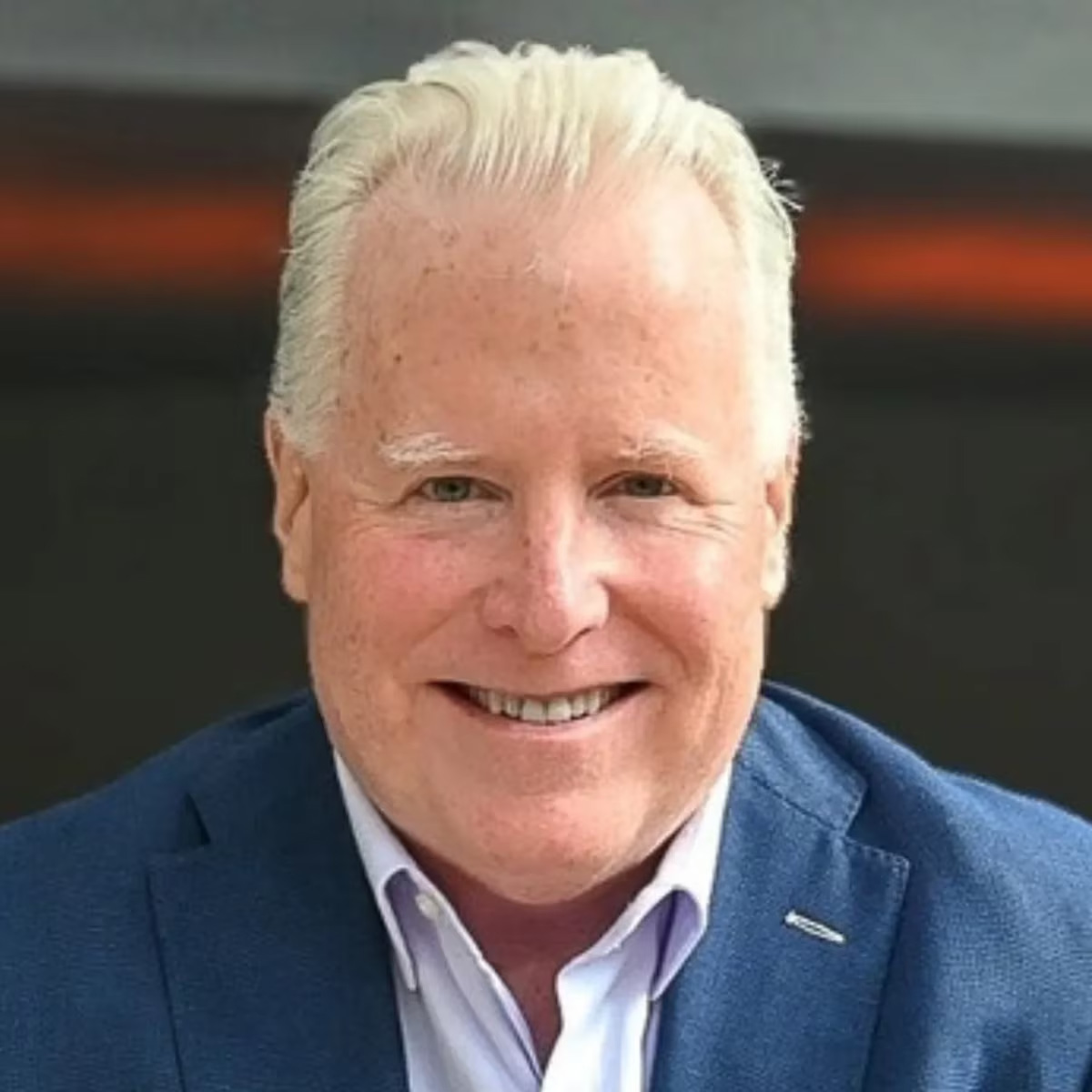
Mike Sullivan
Mike Sullivan has spent more than four decades at the intersection of business strategy, mergers and acquisitions and all facets of an evolving American workplace and has seen firsthand what separates companies that thrive from those that stall. As Co-Founder and Chief Growth Officer of OneDigital, he has helped build one of the most dynamic insurance and financial services firms in the country, guiding its expansion through acquisition, partnership, and entry into new markets. Outside OneDigital, he is an active investor and board member across a broad set of firms and industry verticals.
-
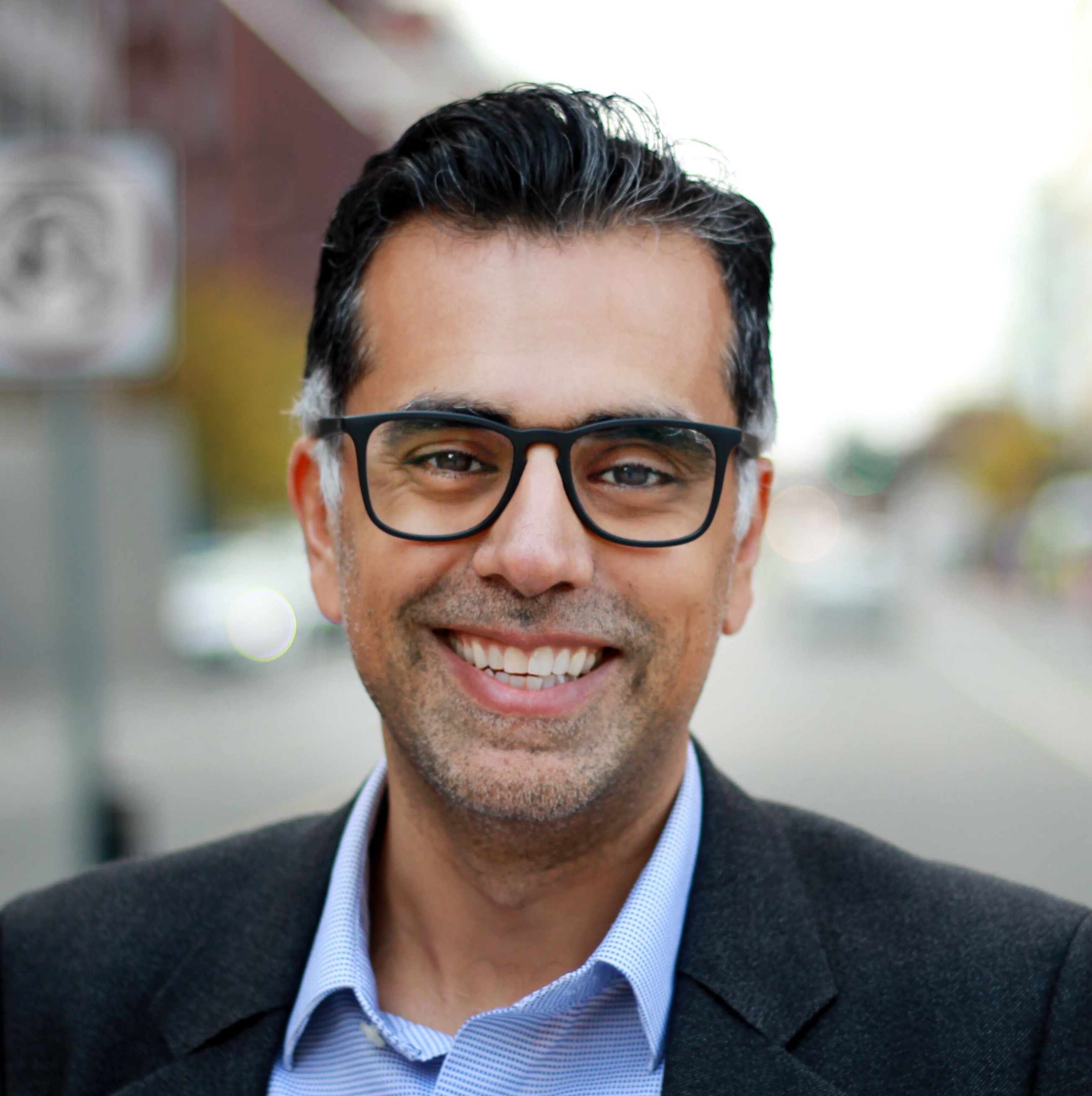
Vinay Gidwaney
Vinay Gidwaney is a seasoned expert and entrepreneur with decades of experience in employee benefits, insurance and product innovation. As Chief Product Officer (CPO) at OneDigital, Gidwaney is passionate about creating opportunities for employees and families to make better decisions around their finances through OneDigital’s integrated offerings. He leads a strong team of technology experts and developers who deliver the latest in innovative products and solutions to OneDigital’s customer base.

SHRM certification has approved this webinar for 1 PDC toward SHRM-CP or SHRM-SCP recertification. A program code will be provided at the end of the webinar.