
Competency models are a common tool in the HR toolkit. However, they can be time-consuming to build and oftentimes, leaders and managers don’t always recognize themselves or their teams in the language.
The disconnect is worth taking seriously. Nearly half (48%) of L&D executives report effectively upskilling their workforces to address skills gaps is a challenge, according to SHRM’s 2026 L&D Executives Priorities and Perspectives report. Closing these skill gaps requires bridging the divide between the skills competency models detail and the skills leaders and managers say they need on their teams.
A Different Question
When the Orthodox Union (OU), a nonprofit with 3,300 employees across multiple countries, set out to build a shared skills framework, its HR team made a subtle but powerful shift. Instead of asking leaders to list the competencies they wanted, HR asked them to describe their ideal employee.
The answers came back as stories. Leaders talked about the colleague who stays calm with a frustrated client, the team member who spots a problem before anyone asks, and the new hire who earns trust quickly. Managers rarely think in terms like “adaptability” or “stakeholder management.” They recognize excellence when they see it, and they describe it through behaviors and real moments.
HR as Translator
This is where HR's value comes into focus. The OU didn't ask leaders to adopt HR vocabulary. HR did the translating, turning those performance stories into knowledge, skills, and abilities that employees can learn, managers can assess, and the organization can develop.
The result was the Talent Common Denominator, a shared skills language that now connects hiring, performance conversations, career growth, and leadership development across very different departments.
That kind of framework only holds up when HR builds genuine relationships across the organization. It requires getting out from behind the desk and into the conversations where real work happens, according to Nicole Belyana, who spoke on an episode of SHRM's All Things Work podcast. “If you’re an HR business partner, you've got to do a little self-promotion,” Belyana said. “Get out there, schedule some time with people managers, and other stakeholders ... [and] let them know ‘Hey, I’m here for you if you need help coaching an employee or if you need more coaching to grow as a people leader.’”
That willingness to show up consistently is what helps make a skills framework more than a document. It becomes something people actually use.
The lesson is reassuring. A stronger skills framework doesn't have to start with a perfect model. It can start with curiosity, careful listening, and one simple question that lets leaders speak in their own words.
Was this resource helpful?

Validate your HR expertise
Earning your SHRM-CP credential makes you a recognized expert and leader in the HR field.
Related Content
The first in-prison computer coding program in the United States is helping inmates learn programming languages, soft skills and entrepreneurship so they can find and hold down jobs.
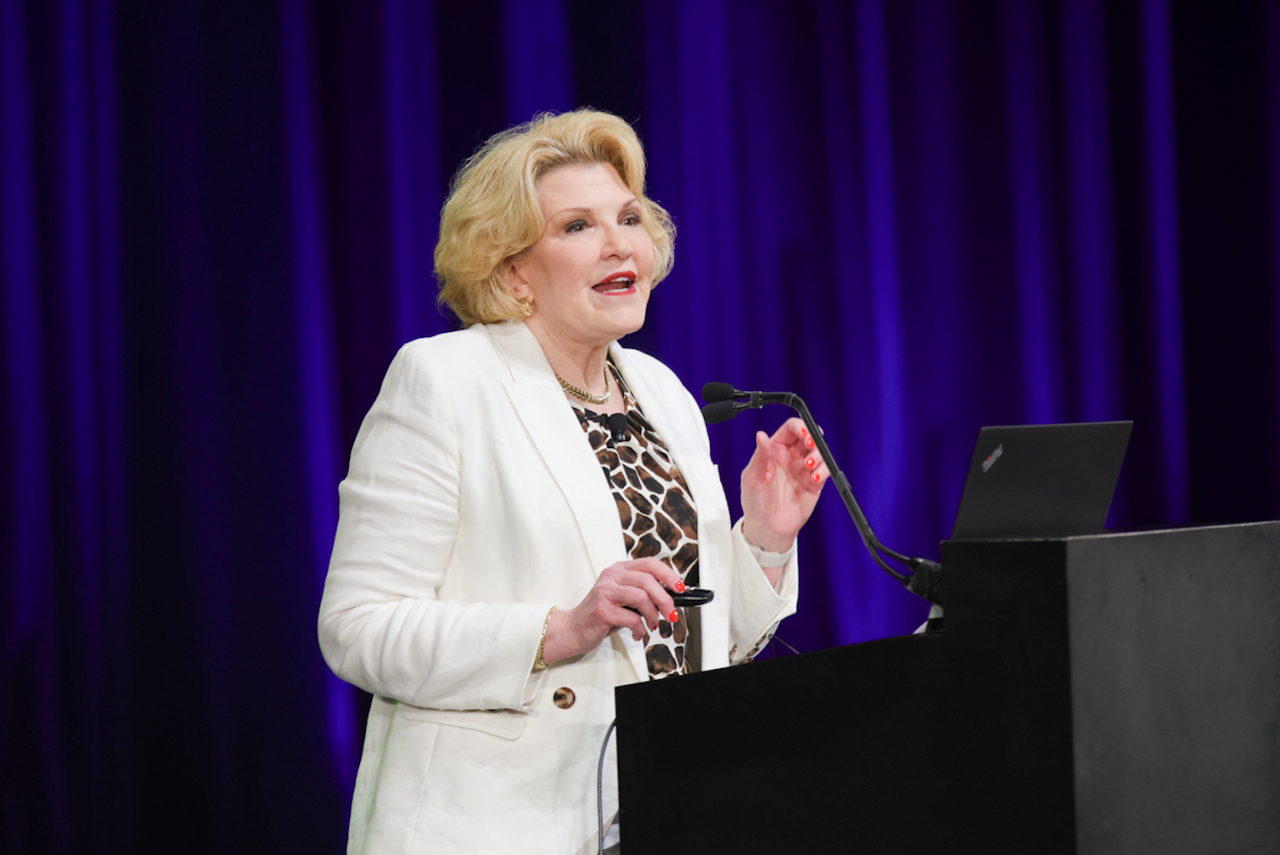
HR must always include human intelligence and oversight of AI in decision-making in hiring and firing, a legal expert said at SHRM24. She added that HR can ensure compliance by meeting the strictest AI standards, which will be in Colorado’s upcoming AI law.

President Donald Trump has rescinded former President Joe Biden’s executive order on artificial intelligence, which sought to develop security standards for AI.