The Price of Success: Navigating the Trade-Offs That Shape Career Growth
Research + Insights

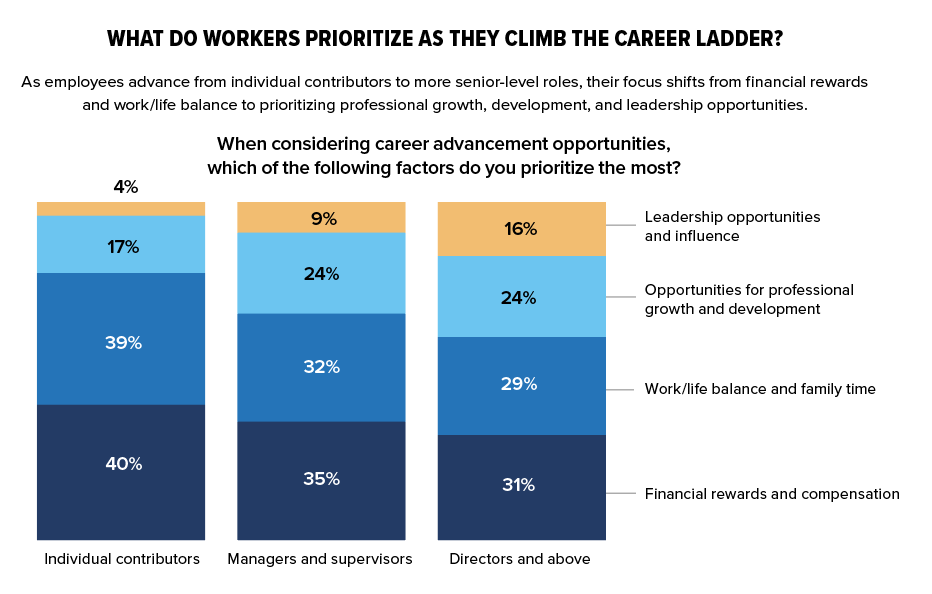
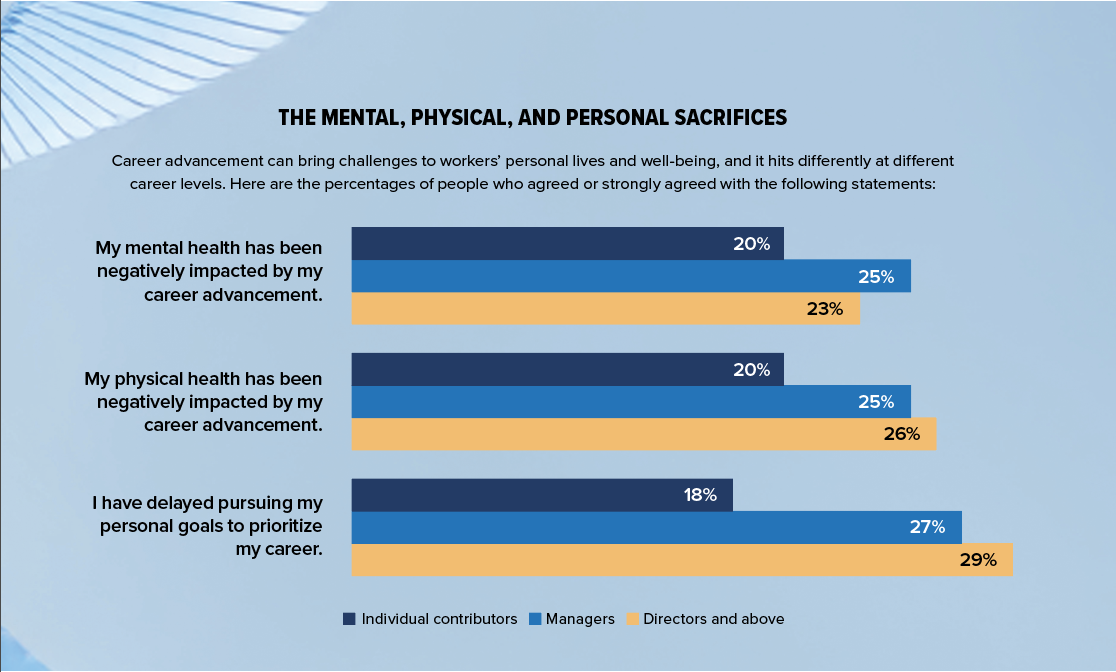
Career advancement is a powerful motivator for professional growth, offering opportunities to enhance skills, build influence, and achieve financial stability. But climbing the ladder often comes with personal sacrifices and strain on your well-being. To address these complex trade-offs, organizations and individuals must take a thoughtful, proactive approach.
SHRM Thought Leadership explored this balancing act in a new survey of more than 2,200 U.S. workers at varying levels — including individual contributors, managers, and directors and above — to examine the trade-offs faced during career progression and the strategies that organizations can use to support their employees, even after they reach career milestones.
MESSAGE FROM THE RESEARCHERS
Nurture the Climb: 3 Ways to Support Your Workers as They Grow in Their Careers
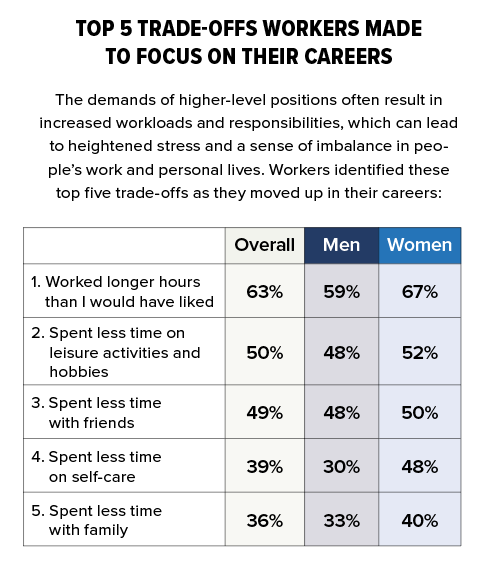
Climbing the career ladder is often celebrated as a path to achievement, greater influence, and financial stability. Yet, for many professionals, that progression comes with inevitable trade- offs. Sacrifices such as longer work hours and less time for personal pursuits can weigh heavily as employees take on higher-level roles. For organizations, understanding and addressing these challenges is critical — not only to support their leaders but also to foster a resilient and engaged workforce.
SHRM’s new report The Price of Success: Navigating the Trade-Offs That Shape Career Growth shows that career progression often impacts personal well-being. However, while trade-offs may be unavoidable, they are also not inherently bad. In fact, many respondents to our survey said they would make the same trade-offs again, but with reservations.
Trade-offs may simply be a reality of professional growth, but organizations can take thoughtful steps to help mitigate their impact and ensure that employees feel supported at every stage of their careers. Here are three strategies to support your workers as they rise through the ranks:
1. Acknowledge Trade-Offs and Offer Resources
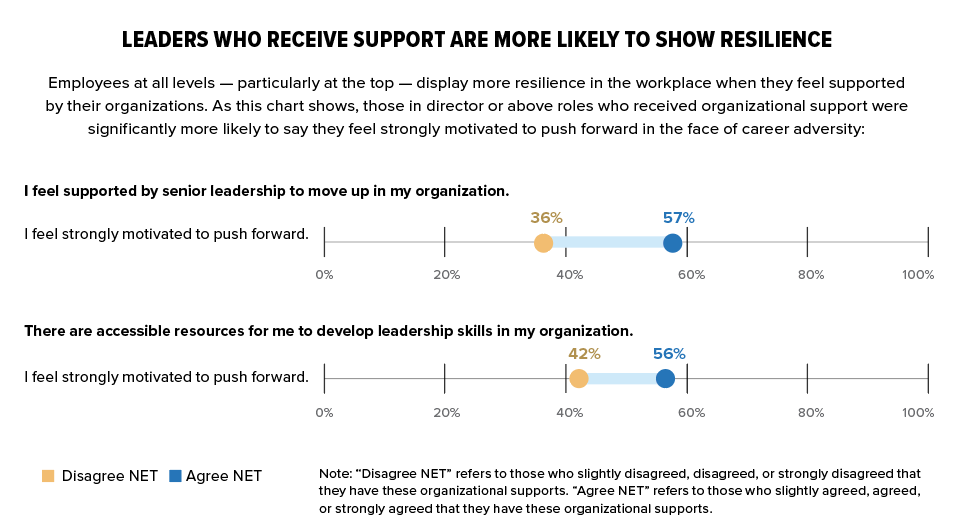
Building workforce resilience starts by acknowledging the personal challenges employees may face as they advance. Resources or accommodations such as flexible scheduling, mental health support programs, and strategic workload allocation can help workers manage stress and sustain a healthier work/life integration.
Senior leaders must also engage directly with employees. That includes offering open channels for communication and personalized check-ins to understand individual needs. These efforts signal to employees that their well-being matters, strengthening their ability to thrive amid the demands of career growth.
2. Provide Continued Support for Senior Leaders
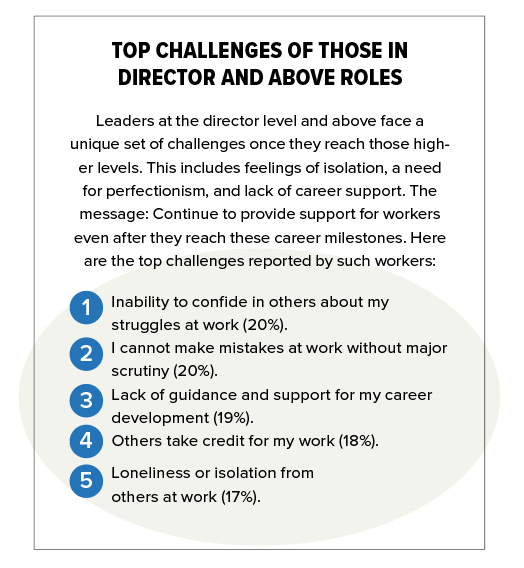
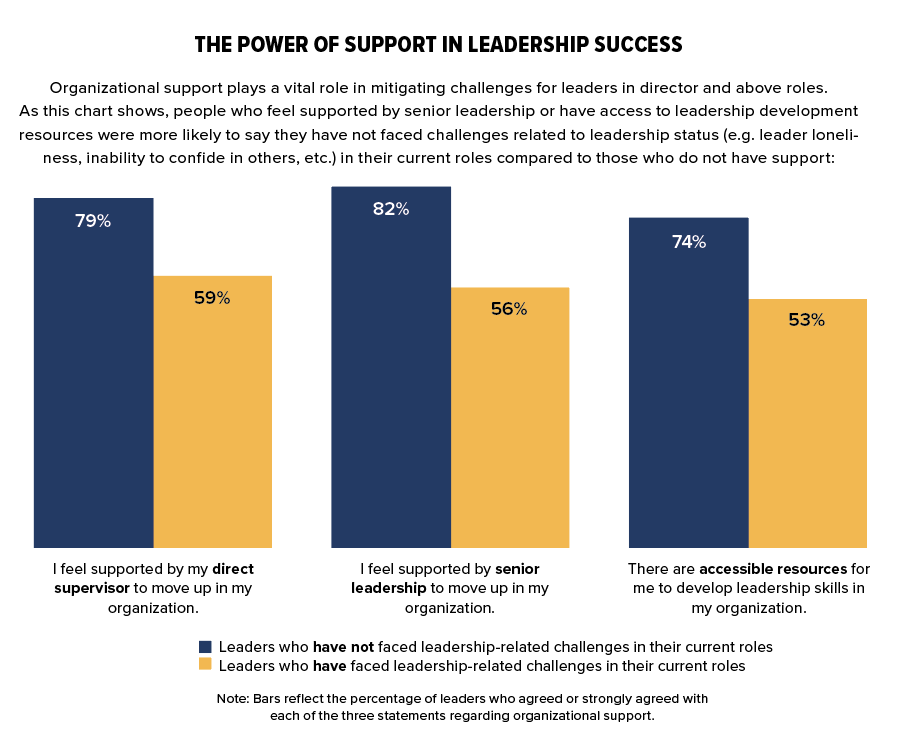
Reaching the upper levels of leadership doesn’t exempt professionals from making trade-offs. Senior leaders often grapple with heavier workloads and loneliness, with 1 in 5 reporting difficulty confiding in others about workplace challenges (see above). Without meaningful support, this pressure can lead to burnout, diminishing both individual and organizational performance.
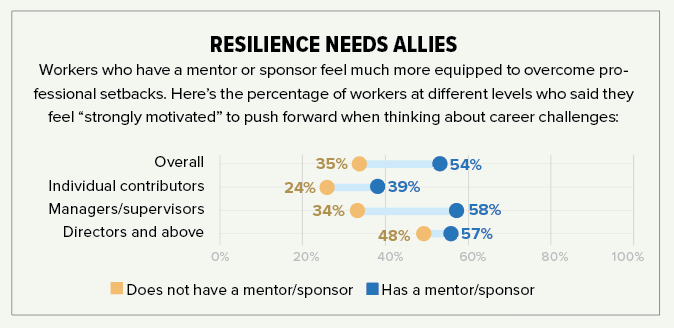
To mitigate these risks, organizations should offer targeted resources for senior leaders. Mentorship and sponsorship programs can be particularly effective (see chart above). What’s the difference? Mentors share wisdom and offer encouragement, while sponsors actively use their influence to open doors and elevate careers. Both provide personalized guidance, fresh perspectives on leadership challenges, and professional advocacy.
Investing in robust leadership development programs is equally vital. These programs help leaders and executives sharpen the skills required for high-visibility roles while ensuring they have the tools and confidence to balance organizational demands with personal obligations and interests.
3. Foster a Culture of Trust and Transparency
Too often, leaders hesitate to share their struggles, fearing vulnerability might undermine their authority or credibility. In reality, organizations flourish when leaders embrace transparency about both their achievements and challenges.
This cultural shift begins with senior leaders. By openly discussing their own career trade-offs and how they’ve navigated obstacles, leaders set an example of authenticity that resonates across organizations. Mentorship and sponsorship programs offer an ideal platform for such conversations, providing opportunities for leaders to inspire employees while fostering a sense of connection and trust.
A transparent culture also enables leaders to address any underlying barriers that may be hindering employee growth. When challenges are openly discussed, organizations can take actionable steps to address them, ultimately creating a workplace where employees feel valued and empowered to advance.
Trade-offs may be an inevitable part of career progression, but they do not have to define the leadership experience. By providing intentional support and equipping workers and leaders with resources, organizations can foster resilience, trust, and engagement to drive success for both employees and the organization.

Sally Windisch is a researcher on the Thought Leadership team at SHRM.
Related Articles

Transform HR with mobile technology to streamline workflows, enhance communication, and boost employee engagement across distributed teams.

A new study found that talent development practitioners believe performance-based assessments are more effective at measuring employee learning outcomes than knowledge tests.

As AI makes deeper inroads into organizations, employee concerns about the technology continue to grow. Here's how HR leaders can address the fear of AI among their own staff, as well as in the wider organization.