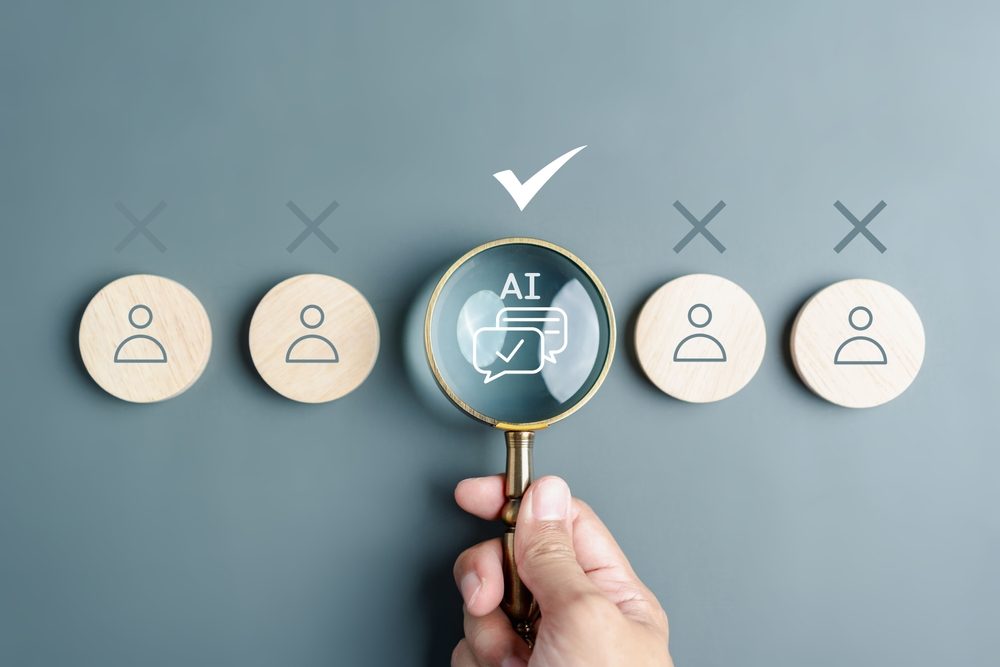
A layoff affects people's lives, financial security, and future plans. Every decision needs care, fairness, and a clear reason. Some organizations use artificial intelligence (AI) to help identify roles or employees for layoffs. Although these tools can review information quickly, speed alone does not guarantee a fair outcome.
AI can repeat bias, overlook important details, and rely on incomplete employee records. For Human Resources (HR) leaders in India, the challenge is to use AI carefully while keeping people at the center of every decision. This blog explores the risks of AI in layoffs and explains how HR leaders can approach these decisions responsibly.
How AI Can Reinforce Bias and Overlook Employee Contributions
AI tools learn from the information they receive. If past decisions reflect unfair treatment, these tools may repeat the same patterns. Such biases can put some employees at a disadvantage during layoffs.
For example, a tool may compare employees using performance scores, attendance, or working hours. However, these details may not show the full picture. One employee may have taken time off for illness or family responsibilities, while another may have received an unfair performance rating.
HR leaders should verify that the information is accurate and that the tool treats employees fairly. They should consider each employee's contributions and circumstances rather than relying solely on an AI-generated score.
Why Human Judgment Must Guide AI-Assisted Layoff Decisions
AI can help HR teams organize information, but it should not make the final decision about someone's employment. A manager must review each recommendation and understand the reasons behind it.
Layoffs involve more than comparing numbers. HR teams may need to consider changing business needs, employee responsibilities, and the skills the organization requires. AI can support this process, but thoughtful human judgment must guide the outcome.
HR leaders can maintain accountability through the following actions:
Review every recommendation: A responsible manager should examine the proposed layoff list before the organization communicates any decisions.
Record the reasons: Managers should document why they accept or change an AI recommendation.
Check employee records: HR teams should correct any inaccuracies or omissions before using them to support layoff decisions.
Allow questions: Employees should have an opportunity to speak with someone who can explain the decision and address their concerns.
How HR Leaders Can Address Labor Law and Employee Data Concerns
Using AI does not remove an employer's responsibilities under Indian labor law. HR teams must identify the legal requirements that apply to their organization and proposed actions. They should consult the legal team before finalizing a layoff plan.
Employee data also requires careful handling. AI tools may use performance records, attendance details, and job history. HR leaders should understand what information the tool uses, who can access it, and whether the organization may use it for this purpose.
Clear communication helps employees understand how a decision was made and what support may be available. Even when employees disagree with the outcome, they deserve a respectful explanation.
Building Responsible AI Practices
AI can help HR teams review information, but it cannot understand every detail of an employee's work or personal circumstances. Bias, incomplete records, and poor data handling can make layoff decisions unfair.
HR leaders should keep human judgment at the center, protect employee information, and follow applicable labor requirements. By using AI as a support tool rather than a decision-maker, organizations can approach layoffs with greater care, transparency, and accountability.
Was this resource helpful?

Validate your HR expertise
Earning your SHRM-CP credential makes you a recognized expert and leader in the HR field.
Related Content

Transform HR with mobile technology to streamline workflows, enhance communication, and boost employee engagement across distributed teams.

A new study found that talent development practitioners believe performance-based assessments are more effective at measuring employee learning outcomes than knowledge tests.

As AI makes deeper inroads into organizations, employee concerns about the technology continue to grow. Here's how HR leaders can address the fear of AI among their own staff, as well as in the wider organization.