
Burnout does not always begin with an employee saying they are overwhelmed. It may first show up in everyday work through missed deadlines, reduced communication, longer working hours, or changes in work quality. These signs do not necessarily indicate burnout, but they may suggest that an employee is struggling with sustained work pressure.
For managers in Indian organizations, recognizing these changes requires attention to employees’ usual work patterns, workload, and ability to manage daily responsibilities. Client commitments, tight deadlines, shift schedules, and team expectations can all influence the pressure employees experience at work.
This article explores the early workplace signs managers may notice, how to distinguish temporary changes from persistent patterns, and how HR teams can support employees without treating these observations as a diagnosis.
How Changes in Everyday Work Can Reveal Burnout
Managers are not expected to diagnose burnout, but they can play an important role in recognizing sustained changes in an employee’s work patterns and examining whether workload, priorities, resources, or other workplace conditions may be contributing to the strain.
Managers should pay attention when these changes continue or happen at the same time:
Work Quality or Pace Changes: Repeated errors, missed deadlines, or a slower pace on familiar tasks can be signs that an employee is struggling with sustained work pressure. An employee who usually completes work on time may start to need more time, overlook details, or find it harder to manage routine tasks. Managers should consider whether higher workloads, competing priorities, or limited resources may be contributing to the change rather than treating it only as a performance issue.
Communication Becomes Noticeably Different: An employee under sustained work pressure may become less engaged in meetings, give shorter responses, or stop participating in routine team discussions. A person who usually communicates regularly may begin to withdraw from colleagues or respond less often. These changes can have many causes, so they should not be treated as proof of burnout. A noticeable and continuing change can, however, indicate that the employee may be finding the current workload or work environment difficult to manage.
Working Hours Continue to Expand: Regular late-night work, repeated after-hours messages, or difficulty switching off from work can show that an employee is struggling to manage existing demands within normal working hours. An employee may start working earlier, stay online later, or respond to work messages outside scheduled hours. Occasional longer hours during a busy period may be expected, but a pattern over time may indicate that workload, deadlines, staffing, or work expectations need to be reviewed.
Why Workload and Manager Relationships Matter
Work pressure is not only about how much work an employee has. It can also increase when priorities keep changing, deadlines overlap, or employees lack sufficient support. Managers can look at these factors when they notice changes in an employee’s work pattern.
Workload and Working Hours: An employee may continue meeting targets by regularly working longer hours. This can make high performance look normal even when the employee is using more time and effort to maintain it. Managers can review whether the workload is reasonable for normal working hours and whether they need to provide additional support.
Too Many Urgent Tasks: Employees may find it harder to manage their work when multiple tasks are treated as urgent simultaneously. Changing priorities can also lead to repeated work and missed deadlines. Managers can review which tasks require immediate attention and which can be deferred. This can show whether the problem is too much work rather than a lack of commitment.
Regular Manager Conversations: Simple and regular conversations about workload, deadlines, problems, and available support can help managers understand what is making work difficult. These conversations can focus on work-related concerns without asking employees to share private medical or personal information.
How HR Can Tell a Workplace Issue From an Individual Concern
A manager may notice a change in one employee, but HR can search for similar changes across teams and functions. If several employees show similar signs, the concern may be linked to workload, role design, management practices, or other workplace conditions rather than to a single individual's situation.
Also Read: What Burnout Actually Reveals About Work Design
HR can look at several types of information to understand whether a pattern exists:
Workforce Data: Over time, after-hours work, repeated deadline extensions, absenteeism, leave use, and employee turnover can show where work pressure may be higher. These figures do not prove that employees are experiencing burnout, but repeated patterns can help HR identify teams or work areas that need closer review.
Employee Feedback: Pulse surveys and regular check-ins can help HR understand how employees view their workload, role clarity, relationships with managers, and their ability to disconnect from work. Anonymous feedback can be particularly useful when employees may not feel comfortable raising concerns directly.
Working Arrangements and Responsibilities Outside Work: Employees balance paid work with commitments such as caregiving and household responsibilities, which affect how much time and energy they have left after working hours. HR can review whether shift schedules, meeting times, travel requirements, and working hours allow employees to manage both and whether schedule adjustments or flexible arrangements are workable for the role. This review shows how work demands fit alongside responsibilities outside paid work.
Workforce data can show where patterns occur, employee feedback can explain how employees experience those conditions, and a review of working arrangements can show how schedules fit with responsibilities outside paid work. None of these measures can diagnose burnout on its own, but together they can help HR identify workplace conditions that may need attention.
Why Recognizing the Signal Is Only the First Step
Identifying a possible burnout signal has limited value if the response places the entire responsibility on the employee. The next step is to examine whether we can change something in the work environment.
An employee may be managing accumulated priorities, covering a staffing gap, or dealing with repeated urgent requests. Another may be facing unclear responsibilities or expectations to remain available outside scheduled hours. The appropriate response depends on the condition creating the strain.
Managers can therefore discuss workload, priorities, deadlines, and available resources while keeping the conversation centered on work. HR can provide escalation routes and specialist support when a concern goes beyond the manager's role.
This distinction is important. Managers can recognize changes and respond to workplace factors, but they should not attempt to diagnose a mental health condition. HR's role is to connect individual observations with broader workforce evidence and organizational processes.
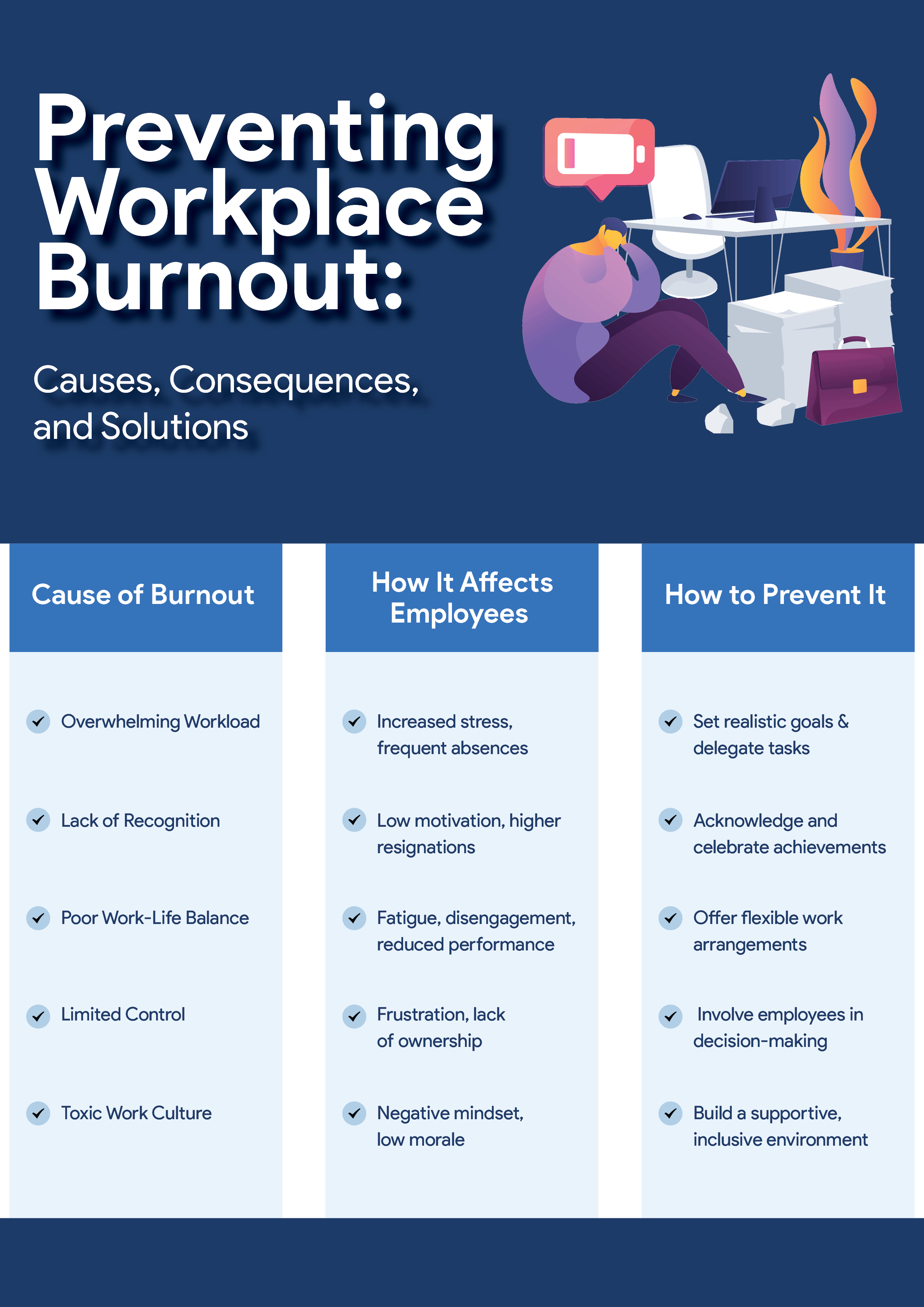
Making Employee Well-Being More Visible Earlier
Burnout may remain unspoken even when its effects become visible through changes in work patterns. A decline in work quality, withdrawal from normal communication, prolonged working hours, or repeated changes in availability can prompt managers to examine what has changed.
The purpose is not to turn managers into mental health assessors. It is to equip them to recognize workplace signals, discuss work-related conditions, and involve HR when concerns persist. HR can then examine whether the issue reflects an individual circumstance or a wider pattern involving workload, role design, management, or working arrangements.
Also Read: Using Organizational Data to Detect Burnout Early
For organizations in India, early recognition is most meaningful when observation leads to workplace review. Identifying the signal is only the beginning. The stronger response is to understand the conditions behind it and address them before sustained strain becomes a larger issue for employee well-being and the workforce.
Was this resource helpful?

Validate your HR expertise
Earning your SHRM-CP credential makes you a recognized expert and leader in the HR field.
Related Content

Transform HR with mobile technology to streamline workflows, enhance communication, and boost employee engagement across distributed teams.

A new study found that talent development practitioners believe performance-based assessments are more effective at measuring employee learning outcomes than knowledge tests.

As AI makes deeper inroads into organizations, employee concerns about the technology continue to grow. Here's how HR leaders can address the fear of AI among their own staff, as well as in the wider organization.