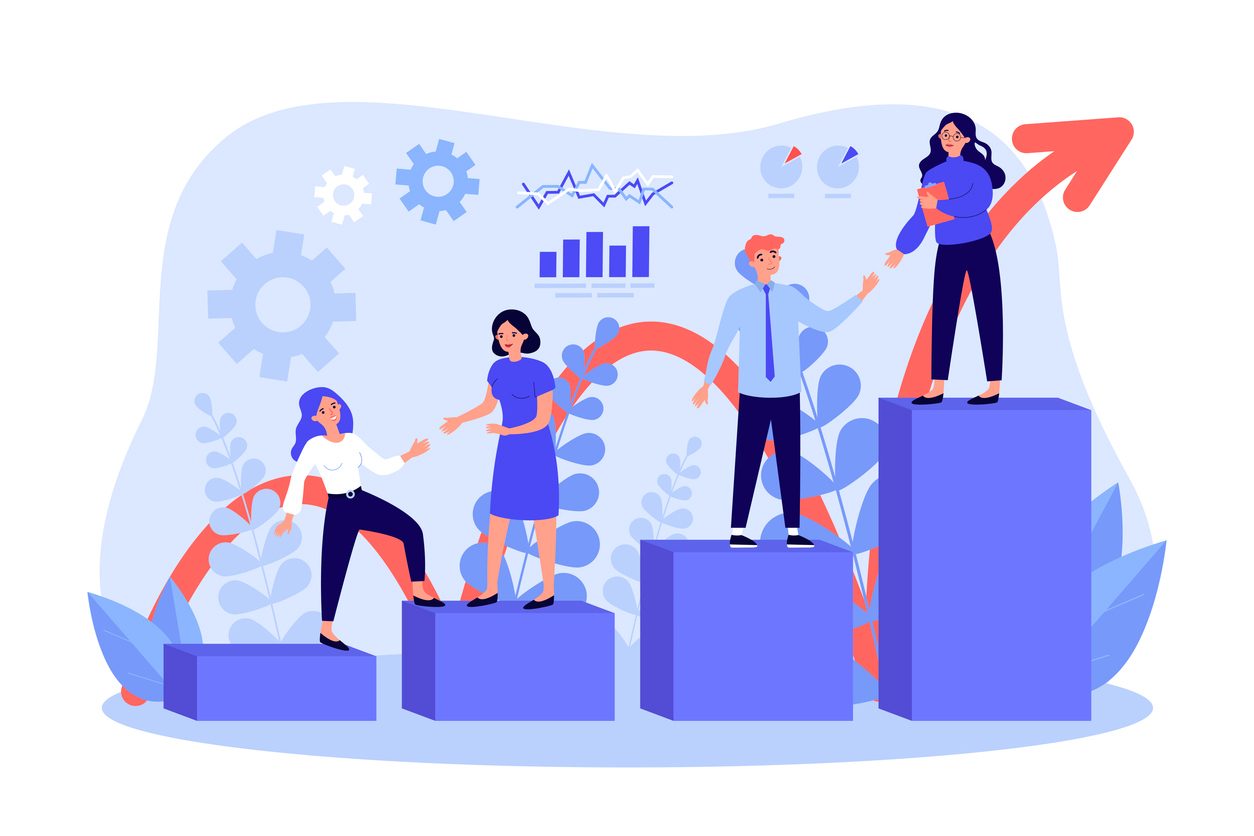
The rise of hybrid work has empowered employees and enhanced productivity metrics, but it has also eroded something fundamental—workplace connection. The debate around remote work versus in-office presence continues to evolve. However, the absence of genuine human connection at work has left a void. It’s not just about where we work but also about how we work with others and whether we feel seen, heard, and valued.
The emotional infrastructure of an organization—how people feel about their teams, their leaders, and their purpose—often determines long-term success more than strategy ever could. Yet this remains one of the most undervalued levers of growth. The question, then, is this: Can workplace connection still make a tangible difference in a world where the office is no longer central? The answer is unequivocally yes. However, it requires awareness and intent from both organizations and individuals.
The Cost of Disconnection
While remote and hybrid work models offer flexibility, they’ve also created an unintended consequence: distance. Without regular face-to-face interactions, many employees feel like cogs in a system, visible only through task completion, not presence. Over time, this disconnect can stifle creativity, dampen motivation, and blur the line between working and simply completing tasks.
For early-career professionals, the lack of employee relationships can be especially damaging. Without mentors to observe in action, peer learning, or informal chats that often lead to breakthrough ideas, career advancement can slow to a crawl. For organizations, a workforce adrift translates into low employee engagement, a fragile culture, and a high attrition rate.
Culture Is Not a Deck—It’s a Daily Experience
Culture doesn’t live in documents or mission statements. It lives in conversations over coffee, impromptu brainstorming sessions, and how people treat each other in moments that aren’t performance reviews or official feedback loops.
A connected office culture allows people to absorb unwritten rules, pick up subtle cues, and understand the underlying mechanisms behind the outcomes. This organic learning simply can’t be replicated through online meetings or chat threads. It’s in the gaps between agenda points where real bonding and, often, real learning happen.
This sense of culture can be transformative for individuals. Feeling like you belong pushes you to show up better, take initiative, and build confidence. For companies, it means people are more likely to stay, contribute, and evolve with the business because it contributes to their professional growth. It also nurtures stronger employee relationships, the foundation of team synergy.
Networks Open Doors—and Offices Build Them
One of the most underrated benefits of working in person is building professional networks naturally. In-office settings allow for proximity-based serendipity, bumping into a senior leader at the coffee machine, being pulled into meetings you weren’t initially invited to, or casually discussing ideas that snowball into actual projects.
Such spontaneous exposure often translates into visibility and visibility, especially for women, introverts, or anyone trying to break through layers of hierarchy, can be the difference between stagnation and career advancement.
When employees are connected to decision-makers, mentors, and peers beyond their immediate teams, their careers take on momentum. These informal networks often become long-term allies who champion their growth even when they are not in the room, enhancing both employee engagement and long-term development.
Connected Teams Deliver Better
At a company level, workplace connection leads to one crucial outcome: alignment. Work moves faster and better when people are aligned on goals, methods, pace, and purpose. It’s easier to collaborate, course-correct, and rally around challenges when employee relationships are already strong.
Teams that trust each other also take more risks. They’re more likely to innovate, speak up, and call out inefficiencies without fear of misinterpretation. These are the exact traits organizations need today to remain adaptive and resilient.
What’s the Way Forward?
This isn’t an argument against remote work. It’s an argument for intentional connection. Whether in-office, hybrid, or remote-first, companies need to create structures that foster real relationships.
Encourage regular in-person interactions, even if infrequent.
Invest in building community-building (micro-community-building) activities within the workplace.
Create mentorship programs that go beyond formal check-ins for better career advancement.
Rethink office spaces to prioritize collaboration over desk assignments.
Employees, too, must recognize that connection is not a passive benefit. It’s something to be built, nurtured, and reciprocated. Make an effort to know your colleagues. Find mentors. Speak up. Join that impromptu meeting. Careers often turn at these unexpected intersections. In a world increasingly optimized for output, employee engagement may be the one thing that sets great companies and great careers apart. It all starts not with grand strategies but with something as simple as choosing to be present.
Was this resource helpful?

Validate your HR expertise
Earning your SHRM-CP credential makes you a recognized expert and leader in the HR field.
Related Content

Transform HR with mobile technology to streamline workflows, enhance communication, and boost employee engagement across distributed teams.

A new study found that talent development practitioners believe performance-based assessments are more effective at measuring employee learning outcomes than knowledge tests.

As AI makes deeper inroads into organizations, employee concerns about the technology continue to grow. Here's how HR leaders can address the fear of AI among their own staff, as well as in the wider organization.