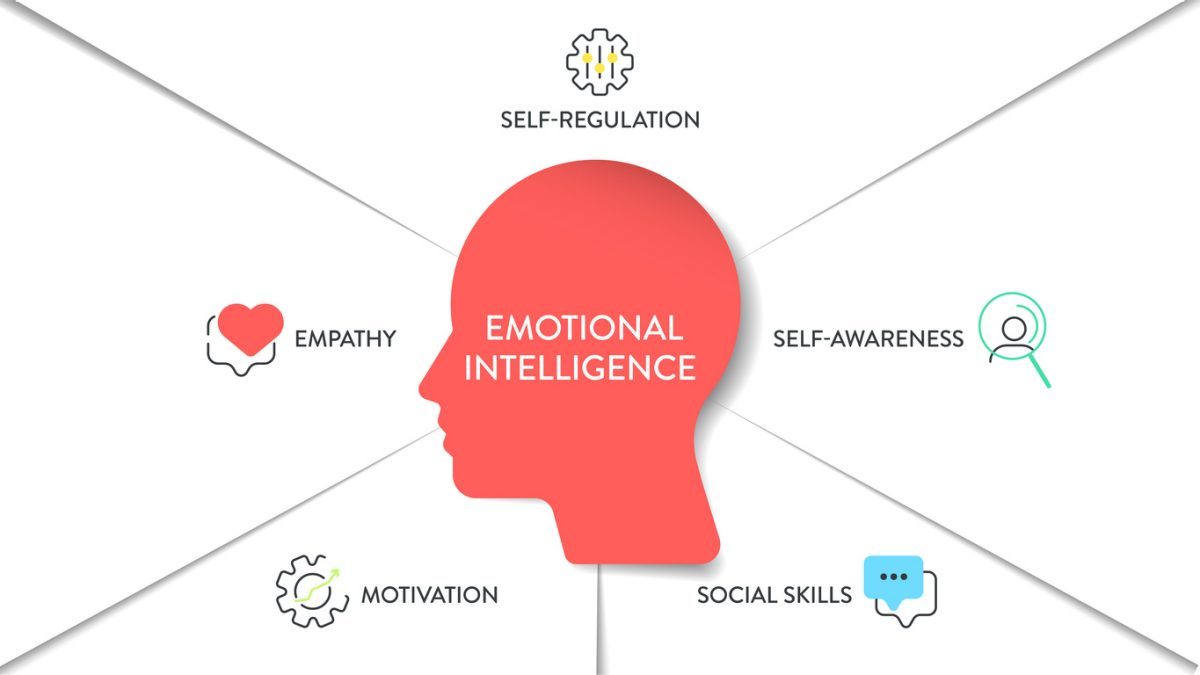
Emotional intelligence is the ability to recognize and manage emotions while responding appropriately to other people. At work, it matters most when a conversation is not straightforward.
A performance discussion can leave an employee feeling defensive. A disagreement between colleagues can quickly become personal. A sensitive complaint may require an HR professional to listen carefully and follow a formal process. In each situation, how you handle a conversation can affect what happens next.
For HR professionals and managers in India, emotional intelligence is therefore closely tied to everyday people management. It does not remove difficult conversations. It helps keep them from becoming more difficult than they need to be.
This article looks at how emotional intelligence influences feedback, conflict, sensitive workplace discussions, and leadership practice.
Why Difficult Conversations Require Emotional Intelligence
People do not enter difficult conversations as neutral participants. They bring expectations, concerns, previous experiences, and emotional reactions with them.
A manager may be frustrated about repeated performance issues. An employee may already be worried about how the discussion will affect their role. If either side reacts without acknowledging those emotions, the conversation can stray from the actual issue.
Self-awareness is useful at this point. A manager who notices their frustration has a better opportunity to prevent it from shaping their response. The same applies to self-management. Pausing before responding can make the difference between addressing a concern and escalating it.
Social awareness matters as well. An employee who becomes defensive may not simply be unwilling to accept feedback. They may be confused about the expectation, concerned about the consequences, or reacting to how the message was delivered.
These skills are also particularly relevant to people managers because their responsibilities extend beyond assigning work. Managers also have to support performance, manage disagreements, coach employees, and guide teams through periods of uncertainty. A manager who can recognize what is happening in a conversation has a better chance of addressing the issue without allowing the discussion to become personal.
Using Emotional Intelligence in Performance Feedback
Performance feedback can become uncomfortable when an employee feels that a work issue has been turned into a judgment about their character.
Emotional intelligence helps managers keep that distinction intact. The concern still has to be addressed, but the conversation can remain focused on the work, the expected standard, and what needs to change.
A useful feedback discussion can cover four things:
What happened: Specific examples give the employee something concrete to respond to.
Why it matters: Explain the connection between the issue and the expected outcome.
The employee's perspective: The employee may have information or circumstances that have not yet been considered.
What happens next: Any improvement expected should be stated clearly rather than left open to interpretation.
This approach does not make feedback less direct. It makes the purpose of the discussion easier to understand.
Also Read: The Hidden Emotional Side of HR
Managing Workplace Conflict With Emotional Intelligence
Conflict often becomes harder when people stop discussing the original issue and start discussing each other's intentions or personalities.
Emotional intelligence can help prevent that shift. A manager may recognize that an employee is frustrated without agreeing with every point raised. An HR professional may acknowledge that a situation has raised concern while still following the appropriate process to establish the facts.
That balance matters. Empathy does not mean taking sides, and emotional intelligence does not mean making every conversation agreeable. For workplace conversations, the connection is straightforward. Employees need opportunities to raise concerns, but the quality of the response also matters. Listening without becoming dismissive or defensive can keep a disagreement from becoming a larger workplace issue.
Sensitive Issues Need Empathy and Process
Some conversations carry greater consequences than others. Concerns about harassment, discrimination, employee well-being, interpersonal conduct, or changes to a person's role require particular care.
Emotional intelligence should not replace HR procedures in these situations. You still need to follow policies, documentation, confidentiality, investigation requirements, and escalation processes.
It can, however, influence how those processes are communicated. An employee raising a sensitive concern may not know what will happen next. A clear explanation of the process can reduce uncertainty. Careful listening can also prevent assumptions from being made before the facts have been established.
There is an important distinction here. Showing empathy does not mean promising a particular outcome. It means taking the concern seriously, communicating respectfully, and allowing the appropriate process to unfold.
Making Emotional Intelligence Part of Leadership Development
Emotional intelligence is easier to develop when it is connected to situations managers actually face. A general discussion about empathy may have limited value if managers do not have an opportunity to apply it.
HR teams can build these skills into leadership development through:
Scenario-based training: Managers can work through examples involving performance concerns, disagreements, complaints, and sensitive discussions.
Self-reflection: Managers can examine how stress, assumptions, or communication habits affect their responses.
Listening practice: Training can place greater emphasis on understanding an employee's concern before deciding how to respond.
Conversation reviews: Reflecting on a difficult discussion later can identify what worked and what could have been handled differently.
Ongoing development: Emotional intelligence can be included alongside other leadership capabilities rather than treated as a separate, one-time training topic.
Leadership development can also include opportunities to practice these skills rather than relying only on classroom instruction. Role-play, simulations, coaching, and feedback allow managers to work through realistic situations before they encounter similar conversations at work. For example, a manager could practice delivering performance feedback to an employee who disagrees with the assessment, then review how clearly the concern was communicated and how well the employee's response was handled.
This makes emotional intelligence part of management practice rather than treating it as a separate personality trait.
Strengthening Workplace Conversations Through Emotional Intelligence
Not every difficult conversation will end in agreement. Some will involve decisions an employee finds disappointing, performance concerns that cannot be ignored, or conflicts in which the parties see the situation differently. Emotional intelligence does not change those realities. It affects how people work through them.
For HR professionals and managers, that means being aware of their reactions, listening to the other person's perspective, staying specific when discussing an issue, and following the appropriate process when a matter becomes sensitive.
When those habits become part of everyday management, difficult conversations are less likely to become personal disputes. The aim is not to make every conversation comfortable. The aim is to ensure that we can still discuss difficult issues. The aim is to ensure that we can still discuss difficult issues with clarity, fairness, and respect.
Was this resource helpful?

Validate your HR expertise
Earning your SHRM-CP credential makes you a recognized expert and leader in the HR field.
Related Content

Transform HR with mobile technology to streamline workflows, enhance communication, and boost employee engagement across distributed teams.

A new study found that talent development practitioners believe performance-based assessments are more effective at measuring employee learning outcomes than knowledge tests.

As AI makes deeper inroads into organizations, employee concerns about the technology continue to grow. Here's how HR leaders can address the fear of AI among their own staff, as well as in the wider organization.