
The art of leadership has now become more fluid and diverse. Employees are no longer looking for bosses but rather mentors who would help them develop their career ideas and give room for improvement and opportunity to grow. Traditional leadership techniques like hierarchy and top-down approaches were typically adopted in India, where senior leaders make crucial decisions for long-term growth, and staff members follow with little opportunity for input or improvement.
Many workers today are willing to switch jobs for more flexible work. They care more about how their time is spent than simply working long hours. The old-style “boss” leadership style doesn’t fit well in modern workplaces.
This article explores how leadership techniques have changed from traditional hierarchies to contemporary, collaborative, and agile approaches.
The Rise of the "Builder": Modern Leadership Traits
Companies are transforming from the old "boss" approach to modern, effective, and empowering ones. This shift has helped organizations grow and inspire their teams to work more efficiently while inspiring teams, nurturing cooperation, and encouraging innovation. A modern "Builder" leader will not send orders but create an environment for co-creation, showing empathy and adapting to the rapidly changing business world. Many companies are embracing this transformation by changing their leadership culture to be more people- and purpose-oriented than authority-oriented.
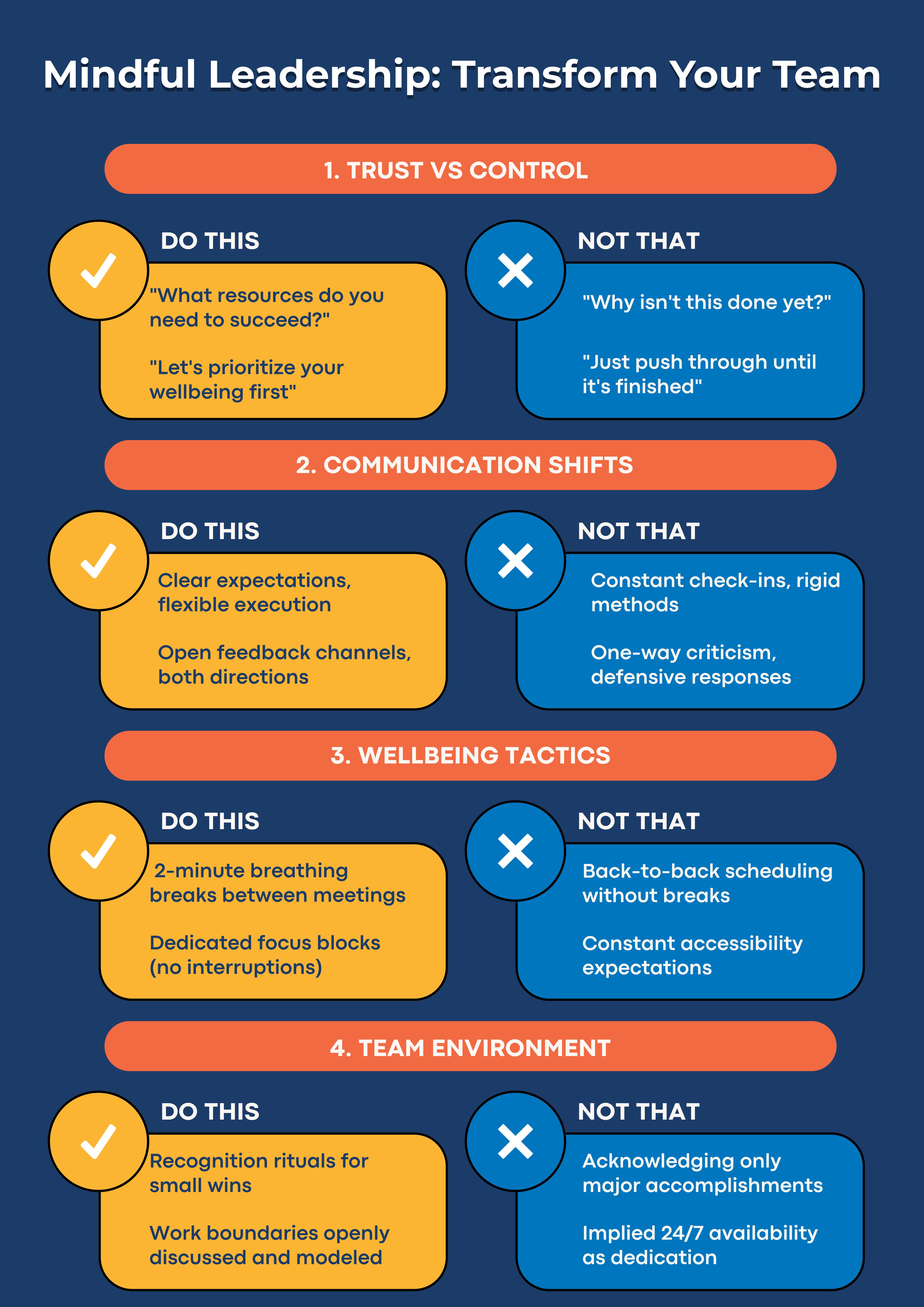
Here are the key aspects of modern leadership:
Collaborative: Modern leadership involves teamwork and co-creation. Here, the leader is a builder who motivates the employees to engage them in decision-making, listens to their voices, and uses their expertise. This approach of collaboration gives them the feeling of sharing.
Empathetic: Builder leaders understand that if the teams are not well taken care of, they cannot hope to be successful. They hold emotional intelligence in high esteem and are focused on individuals' needs and aspirations while fostering an environment where individuals feel supported.
Visionary: The modern leader's approach, first and foremost, is having a sense of purpose. Long-term goals are set instead of a short-term focus on profits. The organization inspires the shared goals of employees and consoles them by building a goal that resonates not just with the company but with their employees as well.
Agile: In today’s corporate world, leaders are expected to be agile in speed and flexibility while making important decisions for company growth. Fast adaptation to market changes and business demands is most important to builders' leaders. Builder leaders induce an agile work culture by encouraging experimentation and fast responses to challenges.
Communication: For successful leadership, communication has become an essential and effective method of conveying ideas or expectations. Effective communication can allow people to express their ideas and provide feedback clearly and transparently.
Cultural Competence: As workplaces are becoming more diverse in terms of culture, different backgrounds, cultural competence has become a critical skill for leaders. It refers to recognizing, understanding, and respecting different backgrounds, experiences, or perspectives. A culturally competent leader ensures that everyone is positioned to contribute so that all team members feel heard and valued.
What Factors Have Influenced the Evolution of Leadership in India?
Multiple verses have played their role in transforming leadership in India from traditional management practices to modern-day practices in leadership. This growth encompasses societal values, technological advances, globalization, competitiveness, and a greater emphasis on diversity and inclusion. Here are some key transforming factors:
Rise of Gen Z: The emergence of the new modern generation of employees in the workplace has a greater focus on productive and purposeful work. They perceive meaningful work that coincides with their values, goals, social responsibility, and sustainable long-term growth. This shift has pushed traditional leaders to adopt transparency and collaborative practices in their leadership way of life.
AI and Automation: As a result, leading a digital-centric workforce has become monumental wannabe leadership, and obviously, each of these initiatives is strengthening with AI, automation, and working remotely. The emphasis on continuous learning and reskilling through all types of technology is geared toward building a flexible and liberating culture. Management has slowly shifted into an outcome-based leadership model.
Competing Globally: Indian businesses are being pressured to commercialize more globally. With increased interdependence among markets, speed is of the essence for innovation. Therefore, leaders embrace agility, which helps them make faster decisions and develop rapidly adaptable teams in market contexts. On one side, leaders need to act fast with their resources, while on the other, they must maintain a long-term strategic view.
Rise of Women and Minority Leaders: In India, companies are being pushed to consider diverse perspectives in leadership. It is essential for innovation and growth. New-age leaders are expected to lead with empathy, champion diversity, and foster an inclusive and supportive workplace for all employees.
Eight Modern Leadership Styles in Focus
Each modern leadership style has strengths and is best suited for specific situations. Let us explore each one in detail.
1. Authoritarian Style
This style is focused on providing clarity during uncertain times. An authoritarian leader takes control, makes fast decisions, and guides the team with a strong sense of direction. This approach can be useful during a crisis when quick action is needed.
2. Democratic Style
A democratic leader invites team members to share ideas and participate in decision-making. This style values collaboration and open discussion. It works best when everyone is learning something new or creative problem-solving is required.
3. Empathic Style
Empathic leaders focus on relationships and emotional well-being. They take time to understand their team members' feelings and challenges. This style is instrumental in high-stress environments or when team members deal with personal difficulties.
4. Pushy Style
This style is about applying pressure to motivate rather than discourage people. A pushy leader sets high expectations and encourages team members to stretch their limits. It works well when the goal is ambitious and time-sensitive.
5. Motivational Style
A motivational leader inspires individuals to reach their personal and professional goals. This style helps employees see how their work contributes to the larger company's success. It creates a sense of purpose and belonging.
6. Visionary Style
Visionary leaders focus on the big picture. They set a clear direction and inspire others with a strong purpose. This style is particularly effective in startups or organizations that are changing.
7. Gentle Style
Gentle leaders emphasize kindness, support, and encouragement. They believe that every team member has value and should be nurtured. This style is useful when breaking down outdated systems or building a new culture.
8. Feminine Style
Feminine leadership prioritizes relationship-building, inclusion, and trust. It values empathy and open dialogue. This approach is compelling in diverse teams or fast-changing environments where cooperation and adaptability are key.
Challenges and Different Solutions Leaders Face in Transforming into Modern Leaders
As Indian enterprises continue transforming towards more fluid and human-centric leadership models, leaders may face some tough challenges. Some of these challenges, and the solutions to them, are as follows:-
Resistance to Change: Senior leaders are generally used to the traditional power structures. They may fear losing control in a more collaborative environment.
Solution: A possible solution would be to promote change through leadership coaching programs and provide safe spaces to encourage experimentation without fear of judgment. For instance, NASSCOM states that leadership development programs can increase the acceptance of new practices.
Skill Gaps: Not all managers are trained to coach, mentor, or lead diverse teams.
Solution: One way to fix this is by helping employees learn new skills. When people feel stuck or unmotivated, it can hurt the company. Teaching workers new things can keep them engaged and less likely to quit.
Balancing Authority with Collaboration: Leaders struggle to hold authority while fostering openness and teamwork.
Solution: Setting clear shared objectives while allowing teams to decide how to achieve them will keep the balance without micromanagement. Continuous feedback processes will reinforce this balance.
Building Trust Within Remote and Hybrid Teams: Distrust grows when teams are far apart.
Solution: Lead by heightening transparency through frequent check-ins, clear communication, and recognition of contributions. Gartner shows that cultural connectedness alone can increase employee performance by as much as 37% and employee retention by 36%.
Managing Rapid Technology Disruptions: Tech developments like AI and automation alter work setups at a pace that exceeds many leaders' ability to adapt.
Solution: A culture of lifelong learning and innovation should be established in which adaptation and digital capabilities are rewarded among leadership team members. This learning and growing atmosphere will equip organizations with the leadership capability to deal with challenges and propel sustained success.
Final thoughts
Leaders must champion empathy, adaptability, and vision in this increasingly collaborative and dynamic workspace. The "builder" leader becomes not a decision-maker but a coach who fosters collaboration and guides the team toward innovation and their shared goals.
While obstacles exist, such as resistance to change and skill gaps, they can always be tackled through a commitment to learning, openness, and a resolution to grow personally and professionally. With these traits, such leaders can enhance team performance and build a workplace culture excited about collaboration, inclusion, and forward-thinking.
With the rising pressures posed by global competition and technological disruption, the "builder" leader has never been more essential for building resilience and the pathway to sustainable success.
Was this resource helpful?

Validate your HR expertise
Earning your SHRM-CP credential makes you a recognized expert and leader in the HR field.
Related Content

Transform HR with mobile technology to streamline workflows, enhance communication, and boost employee engagement across distributed teams.

A new study found that talent development practitioners believe performance-based assessments are more effective at measuring employee learning outcomes than knowledge tests.

As AI makes deeper inroads into organizations, employee concerns about the technology continue to grow. Here's how HR leaders can address the fear of AI among their own staff, as well as in the wider organization.