From Overwhelmed to Empowered: Breaking the Burnout Cycle
Reframing Leadership, Redesigning Culture

In today’s hybrid world of perpetual notifications, endless meetings, and ever-increasing targets, burnout is no longer a buzzword—it's an epidemic. According to the O.C. Tanner Global Culture Report 2025, 52% of Indian employees are in “survival mode,” doing just enough to get by. This sobering insight set the stage for SHRM and O. C. Tanner’s recent webinar, where four stellar HR leaders discussed moving from this silent struggle to empowered engagement.
Let’s unpack the session's core insights, practical takeaways, and some sharp soundbites.
Burnout Is Not Just About Work
“Even life around us has gotten difficult,” said Tina Vas, CHRO at Sagility. “Depending on where we are in life, things can get overwhelming.” Burnout isn’t just caused by overloaded calendars. Personal struggles, societal shifts, and financial instability all contribute to employees reaching their emotional limits.
Candy Fernandez (Director, People & Great Work, O.C. Tanner) reminded us that this burnout is not an isolated professional issue. “We’ve seen the global pandemic, layoffs, inflation, and geopolitical turmoil. When basic needs like safety and stability aren’t met, it’s impossible to expect innovation or discretionary effort.”
The Vicious Cycle of Comparison
Sutikshan Garg, Lead - Total Rewards India & Middle East at Carrier, reflected on how the pressure to “catch up” or “keep up” creates internal unrest. “In the race to outperform, we’re constantly comparing ourselves. That pressure starts at home and extends into the workplace.” This social comparison trap often leads to unnecessary financial burdens and unrealistic life expectations, further feeding burnout.
Shifting Mindsets: The Role of Leadership
So, what can leaders do to reverse this culture?
Atul Mathur, EVP – HR at Aditya Birla Capital, reframed the entire burnout narrative with refreshing optimism. “If you are overworked, you are important,” he said. “The organization is trusting you with responsibility. You’re not just a cog; you’re contributing to the GDP of the nation.”
But he didn’t stop at positive psychology. Atul emphasized that recognition must be authentic, leadership must be present, and work must be purposeful. His reminder: “Nobody feels energized doing meaningless work. But when work aligns with purpose, it can uplift rather than drain.”
The Invisible Behaviors that Fuel Burnout
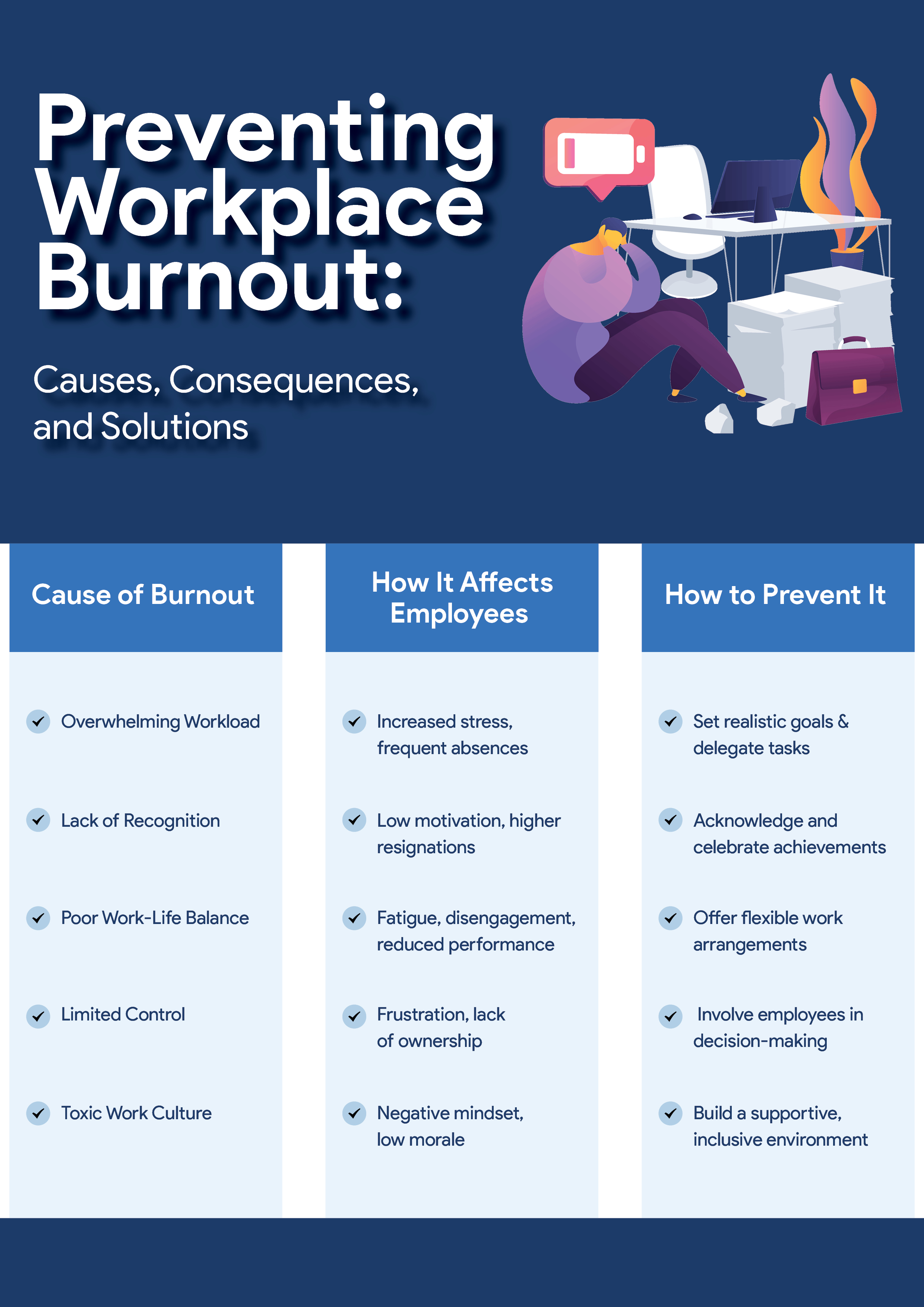
Burnout is often perpetuated by unspoken leadership habits. “We talk about wellness in value statements but overlook daily behaviors,” said Tina Vas. “A manager who keeps adding complexity and then says, ‘Why so serious?’ is promoting performative empathy, not real care.”
Key triggers of burnout include:
Constant availability expectations
Hustle glorification
Ambiguity without support
Lack of recognition or meaningful feedback
Recognition: The Secret Sauce?
Recognition emerged as a powerful antidote to burnout. But again, the panel emphasized that it must be meaningful.
“Peer-to-peer recognition builds connection and belonging,” said Candy. “It’s not about ceremonies with certificates and samosas. It’s about moments of acknowledgement that show ‘I see you.’”
Atul added, “Authenticity matters. A thoughtful email or a pat on the back often means more than a gift card. And yes, over-recognition isn’t the problem. Inauthentic recognition is.”
Designing for Psychological Safety
To foster innovation and avoid silent burnout, leaders must create spaces where employees feel safe—emotionally and psychologically.
“We want success quickly. But leaders must encourage risk-taking, listen empathetically, and avoid monologues,” said Sutikshan. “Employees replicate what they see. Vulnerability and active listening from leaders create room for honest conversations.”
Tina reinforced this with a memorable metaphor: “Happy cows give more milk. Psychological safety and high performance are not a trade-off—they're partners.”
Navigating Generational Differences
A recurring theme was how recognition, communication, and motivation differ across generations. From Gen Z’s desire for flexibility to mid-career professionals valuing stability, a one-size-fits-all approach is obsolete.
“You can’t expect someone who’s just joined to align instantly with legacy values,” noted Tina. “Leaders must adapt their styles. Cultural onboarding and value-based recognition can bridge the generational gap.”
Creating Boundaries Without Guilt
In a culture obsessed with hustle, how can employees draw lines?
“It starts with the leader,” Candy emphasized. “If your leader admits mistakes and fosters open dialogue, boundaries feel less like rebellion and more like trust.” Leaders must normalize healthy working hours, acknowledge workloads, and actively model balance.
Employees, too, must be realistic in their expectations and not internalize guilt for setting boundaries. As Sutikshan put it, “Organizations are doing the best they can. But employees must also be proactive about their limits.”
Conclusion
As the session closed, a few truths became clear:
Burnout is a shared responsibility—employees, leaders, and organizations must all co-own the solution.
Authentic recognition matters. Not once a year, not by formula—recognition must be personal and timely.
Culture is shaped by daily behaviors—not just posters or town halls, but real conversations, empathy, and connection.
Psychological safety is non-negotiable—without it, performance drops and innovation dies.
Thriving is not a luxury—it’s the new baseline. And getting there starts with one empowered conversation at a time.
Was this resource helpful?

Validate your HR expertise
Earning your SHRM-CP credential makes you a recognized expert and leader in the HR field.
Related Content

Learn how Marsh McLennan successfully boosts staff well-being with digital tools, improving productivity and work satisfaction for more than 20,000 employees.

The proliferation of artificial intelligence in the workplace, and the ensuing expected increase in productivity and efficiency, could help usher in the four-day workweek, some experts predict.

As artificial intelligence technology continues to develop, the demand for workers with the ability to work alongside and manage AI systems will increase. This means that workers who are not able to adapt and learn these new skills will be left behind in the job market.