
In many corporate environments, a common misconception equates leadership with the volume at which someone speaks. Often, the individual who shows the most assertive voice in meetings, whether the first to contribute or the one who tends to dominate discussions, gains a reputation as a decision-maker or visionary leader. However, this assumption can be misleading and costly to the organization.
While assertiveness can make a person's voice more prominent, it does not signify that they are the most effective leader or the strongest decision-maker. True leadership encompasses a broader set of skills and qualities beyond mere loudness. Successful organizations recognize the value of fostering an environment that prioritizes thoughtful engagement and encourages active listening among team members. This approach enhances communication and nurtures a culture of collaboration where diverse perspectives are valued and considered.
Leadership should be viewed as a commitment to guiding others, uniting a variety of viewpoints, and fostering an atmosphere where thoughtful and informed decisions are made. A leader’s primary focus should be supporting the team rather than pursuing individual glory. By emphasizing collaborative effort and inclusivity, organizations can harness their workforce's collective intelligence and creativity, ultimately leading to more innovative solutions and a stronger, more cohesive team. In this light, it becomes evident that effective leadership is not defined by volume, but rather by the ability to inspire and facilitate progress through respect, openness, and shared vision.
The Fallacy of Loud Leadership
The loudest person gets the most attention and is perceived to be in charge. However, leadership is not about being the most vocal, dominant, or visible but about listening, understanding, acting decisively, and making informed choices. Leadership is about empowering others rather than garnering attention.
Individuals who overpower the discussion might lead someone with a valuable insight to lose confidence in themselves. Leadership is more than just being heard. It is about understanding, empathy, and a keen awareness of the strengths and weaknesses of every individual in a team. Rather than a sign of authority and leadership, loud assertiveness might be a need for validation and insecurity.
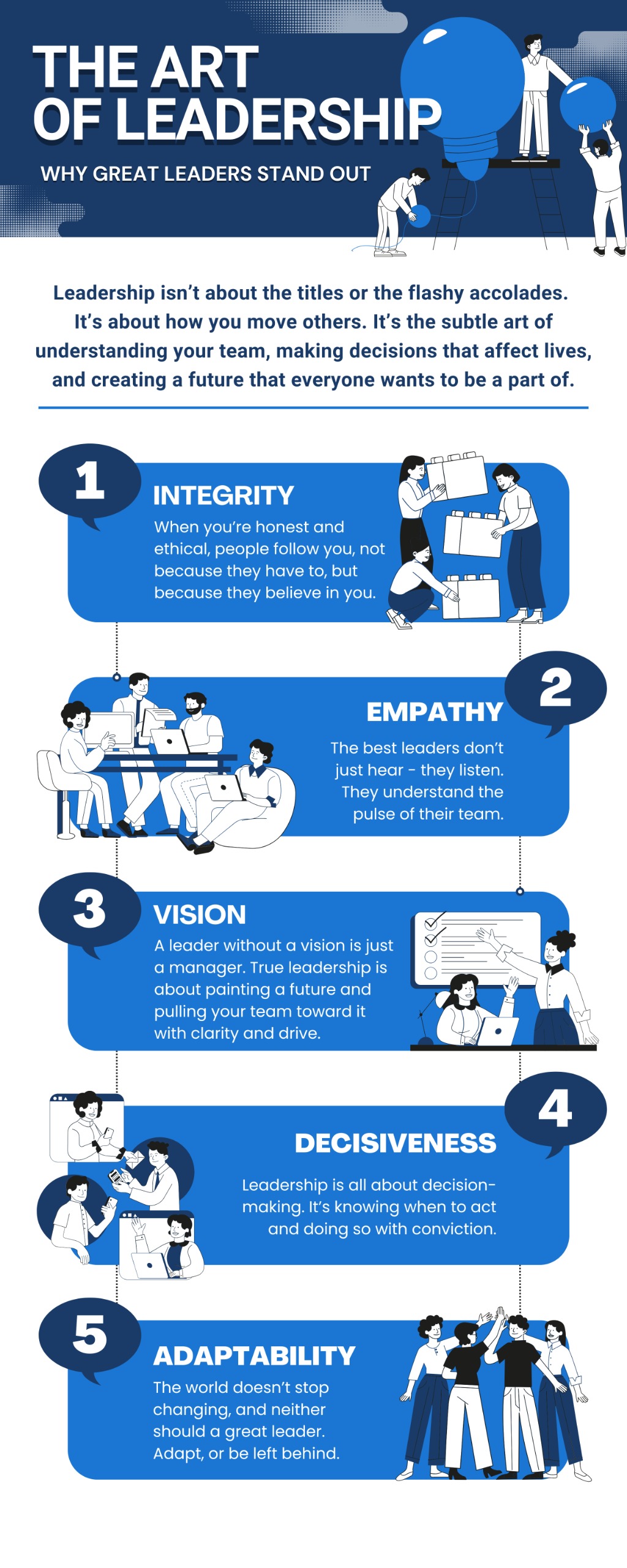
Quiet Leaders Are More Effective
Vocal leaders might take the spotlight, but the quieter and more introspective leaders lead with an understanding because their skills might empower instead of overpower discussions and meetings.
Listening Skills: Good leaders follow a balanced approach that allows them to make decisions based on careful thought, rather than reacting impulsively. Such leaders excel at listening, absorbing different perspectives, and assessing information before responding.
Empathy: Effective leadership is demonstrated in individual traits to lead with empathy and space for others to speak and foster an environment of trust and respect. Their teams not only feel valued, but it also encourages collaboration and innovation.
Strategic Thinking: People who spend time reflecting and thinking strategically are not rushed but informed by data, insight, and experience, ensuring better outcomes always make for better leaders. They understand the strengths, weaknesses, quirks, and gaps, not just as a team but as individuals.
Encouraging Others: Some leaders dominate the conversation, and then some leaders step back from dominating the conversation. Such leaders create opportunities for others to share their ideas. This empowerment fosters creativity, diversity of thought, and team cohesion.
Building Long-Term Relationships: The mark of a good leader is that they understand the importance of team dynamics and the strengths of people to build lasting relationships that lead to long-term success.
How To Cultivate Quiet Leadership
Organizations must realize that strong leadership is not always the loudest. Here are a few strategies to build a culture of effective leadership that prefers substance rather than assertiveness and dominance.
Encourage Listening That Goes Beyond Courtesy: It’s easy to nod along in meetings, but real listening, active, deliberate, and engaged, is rare. Leaders should be taught to tune in without immediately trying to respond or redirect. When people feel truly heard, they offer more. That’s when real insight starts to emerge.
Create Space for the Thoughtful Ones: Not everyone will jump into a conversation the second it opens. Some like weighing their words. Instead of rewarding quick talkers, companies should make room for the quieter thinkers—whether that’s through smaller group discussions, written feedback, or simply slowing the pace of decision-making to include everyone’s input.
Put Emotional Intelligence at the Core: Some of the most effective leaders lead with self-awareness and empathy. They notice tension before it escalates. They adapt. Emotional intelligence isn’t fluff—it’s often the difference between a reactive manager and a steady leader who builds trust without needing to perform authority.
Reward Depth, Not Just Volume: The people who ask good questions, connect ideas across silos, or bring clarity during confusion should be seen. Praise should go to those who help the team grow, not those who speak or take up the most space.
Mentorship Should Model the Right Kind of Strength: Emerging leaders need mentors with values, not just titles. Leaders who are generous with their time, calm in their approach, and sharp in their thinking tend to leave a lasting impression. Pairing new talent with them shifts the culture over time.
Conclusion: Rethinking Leadership
The strongest leaders don’t need to raise their voices to be heard. They don’t dominate meetings or take credit for the room’s energy. They guide quietly, but the effect is lasting. If organizations want leadership that inspires trust, creates room for others, and makes thoughtful decisions, they should start listening differently.
Was this resource helpful?

Validate your HR expertise
Earning your SHRM-CP credential makes you a recognized expert and leader in the HR field.
Related Content

Learn how Marsh McLennan successfully boosts staff well-being with digital tools, improving productivity and work satisfaction for more than 20,000 employees.

The proliferation of artificial intelligence in the workplace, and the ensuing expected increase in productivity and efficiency, could help usher in the four-day workweek, some experts predict.

As artificial intelligence technology continues to develop, the demand for workers with the ability to work alongside and manage AI systems will increase. This means that workers who are not able to adapt and learn these new skills will be left behind in the job market.