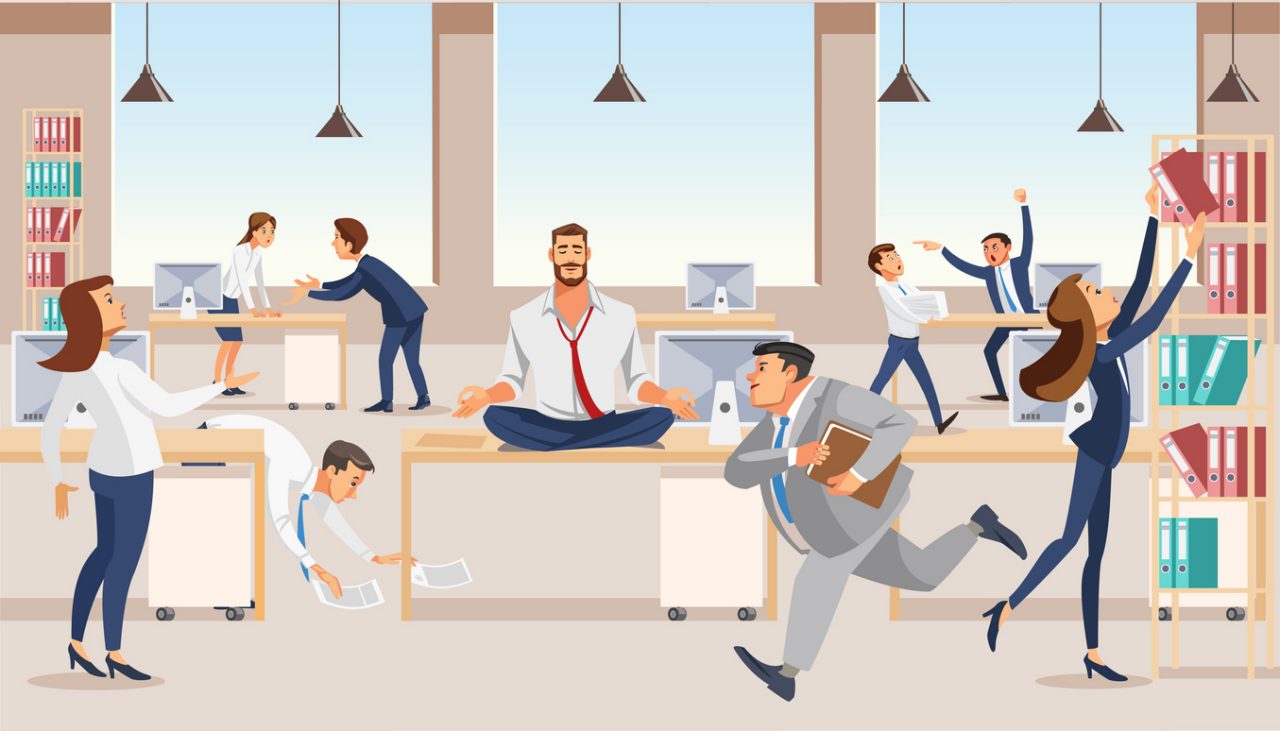
Employee well-being has become a crucial organizational priority in India. Many organizations now recognize that relentless performance pressure undermines both engagement and long-term growth. Grind culture, often referred to as "hustle culture," defines success in terms of a relentless work ethic and availability. This article will discuss how the grind culture impacts employee mental health, workplace performance, and the overall sustainability of the organization.
What is Grind Culture?
Grind culture promotes the belief that professional commitment must take precedence over personal boundaries. Although this approach appears productive in the short term, it often causes emotional exhaustion and mental fatigue. The growing conversation around grind culture and mental health highlights how such work patterns harm focus, relationships, and motivation. Managers unintentionally reinforce this culture by rewarding visibility instead of meaningful outcomes.
As a result, employees often feel obligated to stay connected even beyond working hours. This blurring of personal and professional boundaries leads to reduced satisfaction, burnout, and poor collaboration. Grind culture and mental health remain closely connected, as unrelenting work expectations often suppress emotional resilience and disrupt work-life balance. Balancing ambition with rest has become essential for sustaining productivity and ensuring a healthier workforce in India’s competitive business environment.
How Grind Culture Affects Employees and Businesses
Grind culture affects not only individuals but also the long-term resilience of organizations. Its consequences manifest across physical health, engagement, and retention as follows:
Mental, Emotional, and Physical Health Risks
The impact of grind culture on mental health includes chronic stress, anxiety, burnout, and emotional depletion. Employees who are constantly engaged in work cycles lose the ability to recover, resulting in reduced focus and creativity. Studies have associated prolonged stress with cardiovascular issues, weakened immunity, and sleep disorders.
Organizations that overlook these risks face higher absenteeism rates, increased medical costs, and a decline in innovation, all of which can negatively impact overall productivity and employee morale. Addressing grind culture and mental health together can help build a framework where productivity does not come at the expense of psychological well-being. A proactive focus on well-being strengthens both workforce stability and performance sustainability.
Decline in Engagement and Productivity
When employees experience excessive workload and exhaustion, their engagement inevitably declines. The pursuit of constant output erodes intrinsic motivation and creativity. Sustained productivity is impossible when employees lack rest or mental clarity.
True engagement thrives when individuals feel psychologically safe and supported by reasonable workloads. Investing in mental health initiatives improves productivity far more effectively than pushing long working hours.
Turnover and Talent Loss
Employee burnout is a key factor influencing turnover and overall team performance. When employees experience sustained stress or excessive workload, it often leads to reduced engagement, decreased productivity, and eventual attrition. Organizations that encourage healthy work boundaries, promote flexibility, and support employee well-being are more likely to maintain motivated, loyal, and high-performing teams.
Why Grind Culture Persists at the Workplace
Despite increasing awareness about the negative impact of grind culture, several structural and behavioral factors continue to reinforce it. Leadership plays a crucial role in shaping employee habits and expectations around workload. When senior executives consistently overwork, employees tend to view endurance as the key to recognition. For organizations to make a transformational shift, leaders must visibly and consistently model balance through their actions.
Peer influence often reinforces grind culture more than formal policies. When colleagues glorify overwork, others may replicate this behavior to maintain a sense of belonging and credibility within the team. Encouraging open dialogue about work-life balance can help dismantle these counterproductive expectations.
Another challenge lies in the gaps in outcome-based evaluation. Many organizations continue to equate productivity with the number of hours worked, rather than the results achieved. Even today, many employers track effort based on time spent rather than outcomes delivered. Shifting to an output-based evaluation system promotes fairness and reduces unnecessary pressure to overwork.
There is a stigma around rest and downtime, especially in competitive environments. Employees often fear being seen as uncommitted if they take leave or use flexible working arrangements. HR leaders must work to normalize rest as a vital component for sustained creativity and strategic performance.
How Organizations Can Counter Grind Culture
To build a healthier, sustainable work environment, companies must intentionally redefine their productivity culture. The following measures support employee well-being and long-term performance:
1. Normalize Boundaries
Organizations should establish policies that define clear limits for after-hours communication and work accessibility. Leaders must encourage employees to disconnect from digital channels beyond official working hours. When boundaries are respected, employees experience stronger concentration during active work periods. This practice strengthens both mental health and productivity through structured restoration.
2. Invest in Well-Being Programs
Well-being programs demonstrate that organizations value employees beyond their immediate tasks and responsibilities. Comprehensive wellness initiatives may include mental health counseling, stress workshops, or mindfulness sessions. Such programs cultivate loyalty while reinforcing organizational commitment to holistic employee growth.
3. Encourage Usage of Paid Time Off (PTO)
Providing paid leave alone is insufficient without supportive cultural reinforcement. Leaders must explicitly promote taking leave and model it themselves through visible practice. Time away from work helps restore creativity and encourages long-term engagement. Removing guilt associated with rest is fundamental to dismantling grind culture effectively.
4. Train Leaders on Empathy and Burnout Recognition
Managerial empathy plays a vital role in cultivating psychologically safe workplaces. Training programs should support leaders in identifying signs of burnout and conducting supportive conversations at an early stage. Empathetic leadership promotes trust, collaboration, and resilience within teams. Employees guided by such leaders exhibit higher satisfaction and retention rates.
5. Promote Flexible Work Arrangements
Flexible schedules enable employees to balance their professional and personal obligations efficiently. Remote work, compressed weeks, or adjustable timings increase autonomy and reduce unnecessary stress. Employees value flexibility above additional compensation. Organizations that adopt flexible structures report measurable gains in engagement and output.
6. Reorient Performance Metrics
Shifting evaluation criteria from visibility to tangible outcomes supports fairness and sustainability. Rewarding innovation, collaboration, and efficiency promotes intrinsic motivation among employees. This transition discourages unnecessary overtime while aligning performance with strategic objectives. Outcome-based cultures enhance both employee morale and business resilience.
Building a Healthier Work Culture by Shifting from Grind to Purpose
Grind culture and mental health are deeply intertwined. Chronic overwork leads to burnout, reduced creativity, and higher stress, weakening productivity and collaboration. Leaders must model healthy boundaries and promote wellness by offering flexible schedules and implementing mental health initiatives.
Rewarding outcomes, teamwork, and innovation, rather than hours worked, promotes a healthier culture. Policies that encourage digital disconnection help employees recharge and sustain their focus. Regular feedback and well-being metrics ensure continuous improvement and alignment with employee needs.
Organizations can build strong, motivated, and future-ready teams by switching from work driven by endurance to work driven by purpose.
Was this resource helpful?

Validate your HR expertise
Earning your SHRM-CP credential makes you a recognized expert and leader in the HR field.
Related Content

Learn how Marsh McLennan successfully boosts staff well-being with digital tools, improving productivity and work satisfaction for more than 20,000 employees.

The proliferation of artificial intelligence in the workplace, and the ensuing expected increase in productivity and efficiency, could help usher in the four-day workweek, some experts predict.

As artificial intelligence technology continues to develop, the demand for workers with the ability to work alongside and manage AI systems will increase. This means that workers who are not able to adapt and learn these new skills will be left behind in the job market.