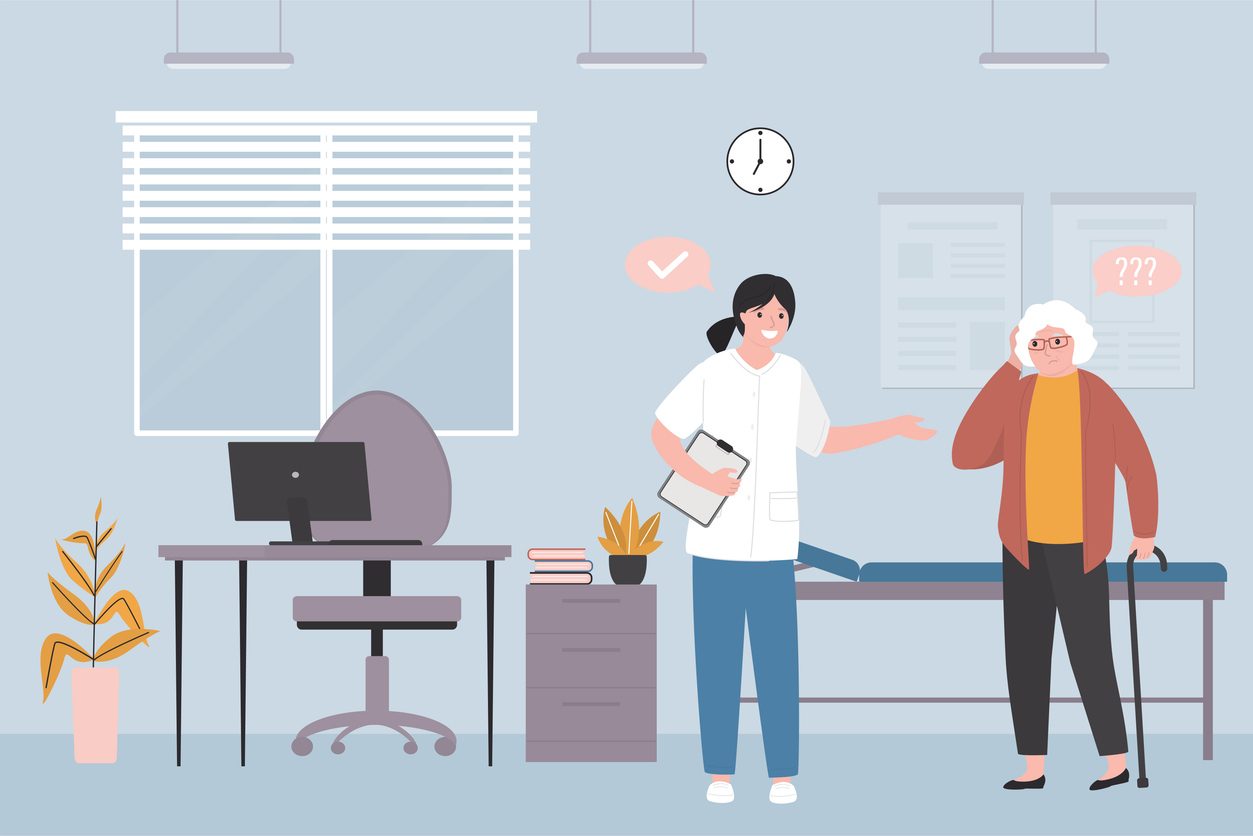
There is a strong case for employers to include eldercare support in their employee caregiving benefits. A fundamental demographic shift is unfolding in India: its aging population is increasing and living longer, driven by rising life expectancy and declining fertility rates. This puts greater pressure on working-age individuals, who, in Indian cultures, serve as primary caregivers to the elderly.
According to the National Statistical Organization's Time Use Survey (TUS) 2024, caregivers in India currently account for 41% of females and 21.4% of males of the working population (aged 15-59 years). These numbers will continue to grow, especially for elder caregivers; according to a 2024 NITI Aayog report, the Indian aging population is estimated to double by 2050, reaching 200+ million from 105 million currently, surpassing even the child population (aged 0–15 years). Consequently, more workers than ever are expected to provide unpaid care for their aging parents or relatives while simultaneously managing jobs.
These competing responsibilities can significantly affect businesses, leading to lost productivity, absenteeism, and disengagement. In extreme cases, concerns about turnover can arise.
The challenges posed by this shift demand urgent attention and support through innovative eldercare workplace policies.
This article emphasizes the significance of eldercare workplace policies for employees, particularly as the Indian population ages, thereby creating a substantial emotional and financial burden on caregivers.
Why Supportive Employer Caregiving Benefits are Essential
An aging population with a longer life expectancy often implies a greater need for advanced care due to poorer, deteriorating health. In most cases, older individuals require professional, round-the-clock emotional and physical support. Yet, for many Indian families, especially those in rural areas, paid caregiving is not economically feasible. It can multiply expenses exponentially, particularly if the elderly member requires high-intensity care.
As a result, unpaid family members, typically working adults (aged 15-59), take on the responsibility of eldercare alongside their professional careers. This requires unavoidable personal sacrifices on the part of the employee, which can be costly for businesses. Notably, it can lead to increased absenteeism, stagnating careers, premature exits, workforce disengagement, and widespread burnout.
Embracing and planning for this progressive increase in caregiving responsibilities for working adults needs to be a business imperative.
Common Challenges Elder Caregiving Employees Face
Employees face the following key challenges in taking care of the elderly:
Intense caregiving demands
Being a primary caregiver to an elderly person while holding a job demands significant psychological and physical strength. Often, the overwhelming and unpredictable nature of these responsibilities (such as liaising with healthcare providers, assisting with day-to-day instrumental tasks like meal preparation, transportation, tracking medication schedules, and nursing) forces many employees to take frequent leaves. Women, in particular, tend to ignore promotions, turn down career development opportunities, and even leave the workforce to tend to the elderly.
Availability and proximity issues
Typically, household members, such as children, provide care for their aging family members. However, the availability of these informal caregivers is declining. Two phenomena contribute to the reduced availability of family caregivers:
First, Indian family sizes are shrinking. According to the UNFPA's State of World Population 2025 report, the average number of children per woman has decreased from nearly six in 1960 to approximately two in 2024. This demographic shift reflects broader social and economic changes, including urbanization, rising education levels, and evolving aspirations. One important consequence is that with fewer children in each household, there are fewer younger family members available to provide care and support for aging parents and relatives.
Second, working-age individuals are increasingly migrating to urban areas in search of better opportunities. According to the Economic Survey 2023-24 by the Government of India, more than 40% of India’s population will live in urban areas by 2030. As such, employees may not be able to provide day-to-day assistance to their loved ones who remain in rural areas.
It is essential for organizations to recognize this increasing availability gap and provide meaningful employee caregiving benefits, such as dedicated eldercare leave and flexible work arrangements.
Increased vulnerability to stress and burnout
Caregivers often feel emotionally overwhelmed, as the responsibility of caregiving comes at the expense of their personal lives and mental well-being. Most juggle jobs and parenting duties at the same time. It makes them vulnerable to poor physical health and at risk for chronic stress, depression, and burnout. Many employees still power through, but this invisible strain can quietly derail their careers.
This reality disproportionately affects Indian women, as they engage in family caregiving more than men do (nearly twice as much, as evidenced by the TUS statistics above).
Increased financial strain
It is not just mounting mental pressures; caregiving employees also manage rising medical costs. As the complexity of care increases with age, it adds further financial pressure. Notably, employees facing this progressive increase in caregiving demands can feel constantly isolated and lonely. Without access to safe communities to share their struggles and experiences, the risk of burnout increases.
Benefits of Supportive Eldercare Workplace Policies
Businesses that strive to ease the strain on elder caregivers can reap significant benefits:
Elder caregivers may be able to maintain their employment and remain productive.
Organizations can avoid absenteeism and voluntary exits. Robust employee caregiving benefits can help retain top talent.
Inclusive and supportive workplaces can improve recruitment and diversity efforts.
Caregivers may bring valuable competencies to their work, such as empathy, resilience, and efficiency.
Businesses have a responsibility to sponsor employee caregiving benefits and humane accommodations to support their caregiving worker demographic.
Crucial Steps Businesses Can Take to Support Elder Caregivers
Employers need to equitably adapt their employee caregiving benefits and corporate guidance programs to support workers navigating eldercare duties. The following are essential steps organizations need to take:
Offering specific employee caregiving benefits that unload some of the caregiver’s responsibilities can help them navigate stressful times. For instance, concierge caregiver support, assistance with scheduling medical appointments, care navigation (including helplines), and home health aides can genuinely help with productive employment.
To ensure employees’ caregiving responsibilities do not derail their careers, companies should make space for training and development without overwhelming their already full daily schedules. This means that the timing and format (e.g., asynchronous learning, microlearning, in-person training) of these initiatives should be carefully planned.
Offer and encourage the use of employee assistance programs (EAPs) as the principal avenue for locating the right providers and specialists of elder care services. These can also include tools, guidance, and informational resources to help navigate specific health conditions.
Offer flexibility over work scheduling; employers can allow elder caregivers to work remotely or flexibly manage their workday, for instance, letting them step away to provide care or work non-traditional hours. In fact, managers should encourage caregivers to manage their paid time off flexibly, including vacation days, sick leave, and personal time. Women are most in need of flexible eldercare workplace policies to prevent any negative impact on their work performance, morale, and career development.
Emerging migration patterns necessitate that employers support employees who are caring for aging parents or relatives, particularly in rural areas. There is a need for more flexible on-the-job support, as well as access to formal caregiving arrangements.
The caregiver’s health, particularly their psychological well-being, requires greater attention and recognition. Providing access to care advocates and managers for counseling and mental health support can help them combat the stress, depression, and mental fatigue resulting from caregiving responsibilities.
Providing access to a network where elder caregivers can connect and share their experiences and ideas for navigating eldercare can be very helpful. Employee Resource Groups (ERGs) or “affinity groups” are generally effective in making individuals feel heard and understood. They also help reduce the risk of isolation and burnout.
Businesses need to ease the financial strain on working caregivers. They can onboard certified financial planners to help their caregiving employees plan and protect their finances.
Regularly reviewing (conducting surveys, measuring ROI, etc.) and upgrading eldercare workplace policies can help address gaps and improve effectiveness.
Conclusion
The majority of working professionals in India also serve as caregivers, whether to children, sick partners, or parents/relatives who can no longer cope independently. Those with overlapping caregiver duties and competing work responsibilities find themselves in increasingly stressful conditions. It has the potential to affect their professional lives and workplace performance.
Organizations need to provide their elder caregivers with adequate support (such as time off, flexible scheduling, on-site accommodations, etc.). Policies and employee caregiving benefits need to be designed with elder caregivers in mind.
This conscious effort can ensure employees can manage the emotional and financial weight of caring for their loved ones.
Was this resource helpful?

Validate your HR expertise
Earning your SHRM-CP credential makes you a recognized expert and leader in the HR field.
Related Content

Transform HR with mobile technology to streamline workflows, enhance communication, and boost employee engagement across distributed teams.

A new study found that talent development practitioners believe performance-based assessments are more effective at measuring employee learning outcomes than knowledge tests.

As AI makes deeper inroads into organizations, employee concerns about the technology continue to grow. Here's how HR leaders can address the fear of AI among their own staff, as well as in the wider organization.