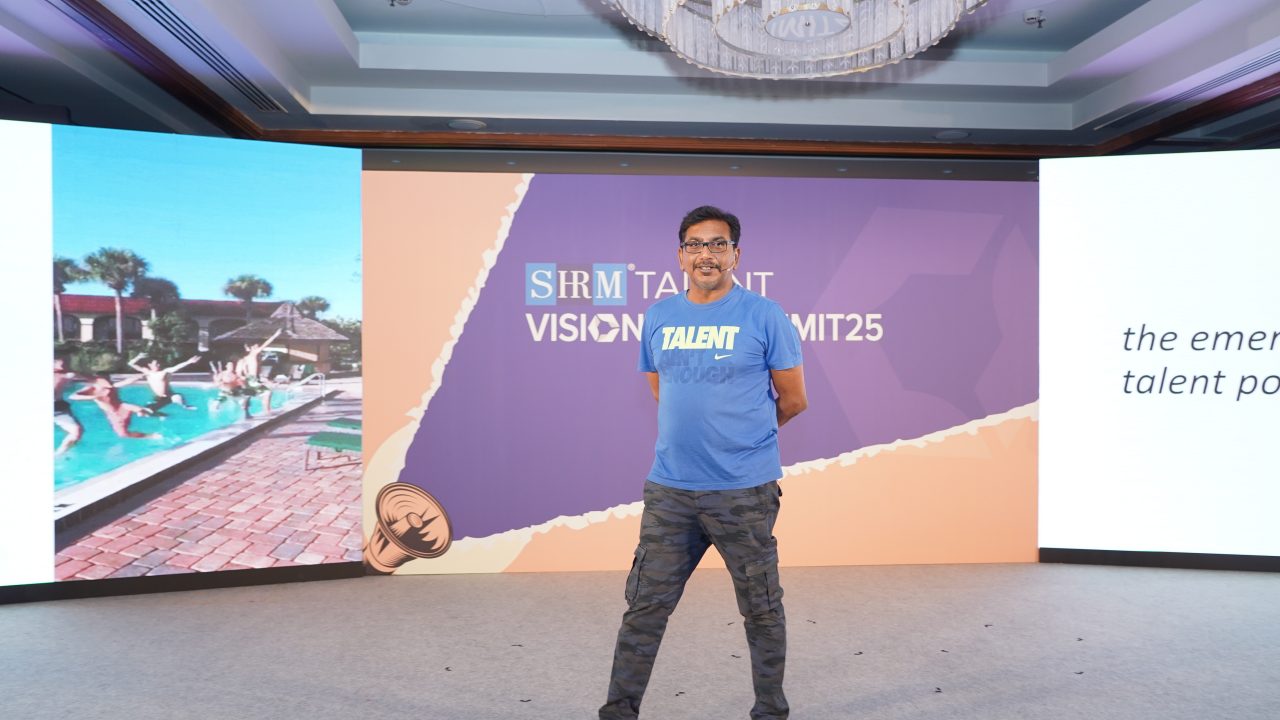
At the recent SHRM Talent Visionary Summit, Senthil Kumar, Chief Creative Officer at VML India, delivered an engaging TED-style talk that shed light on the nuances of managing and understanding Gen Z in the workplace. Gen Z comprises most of the workforce in the current landscape, and understanding how they work, their perspectives, and what they aspire to in the workplace is crucial to attracting and retaining talent. Organizational leaders and HR professionals work with a multigenerational workforce where every generation’s needs vary. Gen-Z prioritizes a healthy workplace environment over compensation, and they seek purpose. In the current scenario, where Indian corporations grapple with employee disengagement and discord, cracking the Gen-Z code is crucial.
"Talent isn't enough," Senthil Kumar said as he started his session. This session highlighted Gen Z's unique traits and expectations—the digital natives are rapidly becoming a significant part of the workforce. Undoubtedly, Generation Z is different from millennials, and they have a unique definition of success.
Understanding Gen Z: A New Language
Kumar highlighted the importance of understanding Gen Z's language and mindset. "They have a completely different lingo," he noted. It's important to keep conversing with them and pick up these words so they start believing you're part of their generation." This approach, he explained, helps bridge the generational gap and encourages open communication.
One of the key themes of Kumar's talk was how Gen Z values authenticity and transparency. "They are as authentic as it gets," he said, emphasizing that Gen Z values genuine interactions and openness in personal and professional relationships. "They weed out the fakes," Kumar added, pointing out that growing up in the age of fake news and social media has given them a keen sense of detecting authenticity.
"For us, it is the number of years of work experience. For them, it is what they experience daily," he explained. This shift means employers must focus on creating meaningful and enjoyable work experiences to keep Gen Z engaged and motivated. They need to be heard and respected, one of their biggest motivators for staying committed.
Also Read: Embracing the Rental Mindset: D. Shivakumar's Insights from SHRM Talent Visionary Summit
The Multiverse of Diversity and Inclusion
Gen Z's approach to diversity and inclusion is another area where they differ from previous generations. "They swim in the multiverse," Kumar said, referring to their inclusive mindset that embraces diverse people and values. This generation seeks purpose and is driven by continuous learning and professional growth.
Leading by Example: The Coach Approach
Kumar shared his approach to leadership, which he described as playing the coach rather than the boss. "Mentoring and motivating them is far more important than bossing over them," he stated. This approach involves setting clear goals, celebrating small achievements, and encouraging innovation. "Encourage them to fail and learn that failure is the stepping stone to success," he advised.
Kumar also casually suggested stopping sending emails and starting to send memes to capture their attention. "Send them posters. Send them gifs. That's how you bridge this generational gap," he suggested. This communication approach aligns with Gen Z's visual and digital-first nature. The younger generation is more tech-savvy and engaged with social media, so they better understand modern digital language and can relate more easily to video GIFs and memes.
Kumar also discussed Gen Z's preference for hybrid work models. "They want and love the hybrid culture," he noted. This generation values flexibility and the ability to work wherever they feel most productive. "They'll probably return to work integrated and re-energized," he added.
Also Read: Navigating the Hybrid Work Era: Key Insights from the SHRM Talent Summit
Conclusion
Senthil Kumar's session at the SHRM Talent Summit provided valuable insights into Gen Z's mindset and expectations. Employers can better engage and motivate this emerging talent pool by understanding their language, valuing authenticity, creating meaningful experiences, and adopting a coach-like leadership style.
As Kumar aptly put it, "Talent isn't enough." To truly harness Gen Z's potential, organizations must adapt and evolve, embracing new ways of thinking and communicating. This approach will help bridge the generational gap and create a more inclusive, dynamic, and innovative workplace.
In conclusion, cracking the Gen Z code requires a blend of authenticity, flexibility, and a willingness to embrace new communication styles. By doing so, organizations can unlock the full potential of this ambitious generation.
Was this resource helpful?

Validate your HR expertise
Earning your SHRM-CP credential makes you a recognized expert and leader in the HR field.
Related Content

Transform HR with mobile technology to streamline workflows, enhance communication, and boost employee engagement across distributed teams.

A new study found that talent development practitioners believe performance-based assessments are more effective at measuring employee learning outcomes than knowledge tests.

As AI makes deeper inroads into organizations, employee concerns about the technology continue to grow. Here's how HR leaders can address the fear of AI among their own staff, as well as in the wider organization.