
Say you have a skills-first hiring plan at your organization, but you’re not seeing the intended impact. Chances are, you likely forgot to include one of your most valuable assets — your managers.
The people in the middle, your managers, are the ones who can help take an idea from plan to impact.
“We must remember that managers are held responsible for outcomes, not talent velocity,” said Seychelle Hercules, SHRM-CP, HR business partner at Northrop Grumman at the SHRM Talent26 conference. “The fix is really to shift the accountability by making skills-based hiring a performance expectation for managers. Giving them the metrics and showing the quality of the hire, the time to productivity.”
During the session, "Skills-First at Scale: What Actually Works (and What Doesn’t)," HR professionals and leaders shared a few key things you can focus on in the next 30 days to scale up your skills-first hiring strategy.
Pick One Critical Talent Moment to Create Momentum
Hercules advises HR professionals pick a “critical talent moment,” or a metric of skills-first success, to create engagement and shout out those wins.
“Maybe that’s choosing one hiring or mobility moment that matters or picking a high-volume role — something that you can really see the success in action,” she said. “Start where success is the most likely, not where the problem is the biggest.”
Being able to demonstrate the cost investment savings through skills-first hiring will help get employee and stakeholder buy-in.
“Using that data for storytelling to bring people along with you is how you’re going to see wins as you’re going through that journey,” Hercules said.
Ask Your HR Team To Individually Define the Skills for Job Success
To ensure you’re set up for success in your skills-first hiring efforts, first you need to ensure your HR team is defining success in a way that matches the needs mentioned in the job opening.
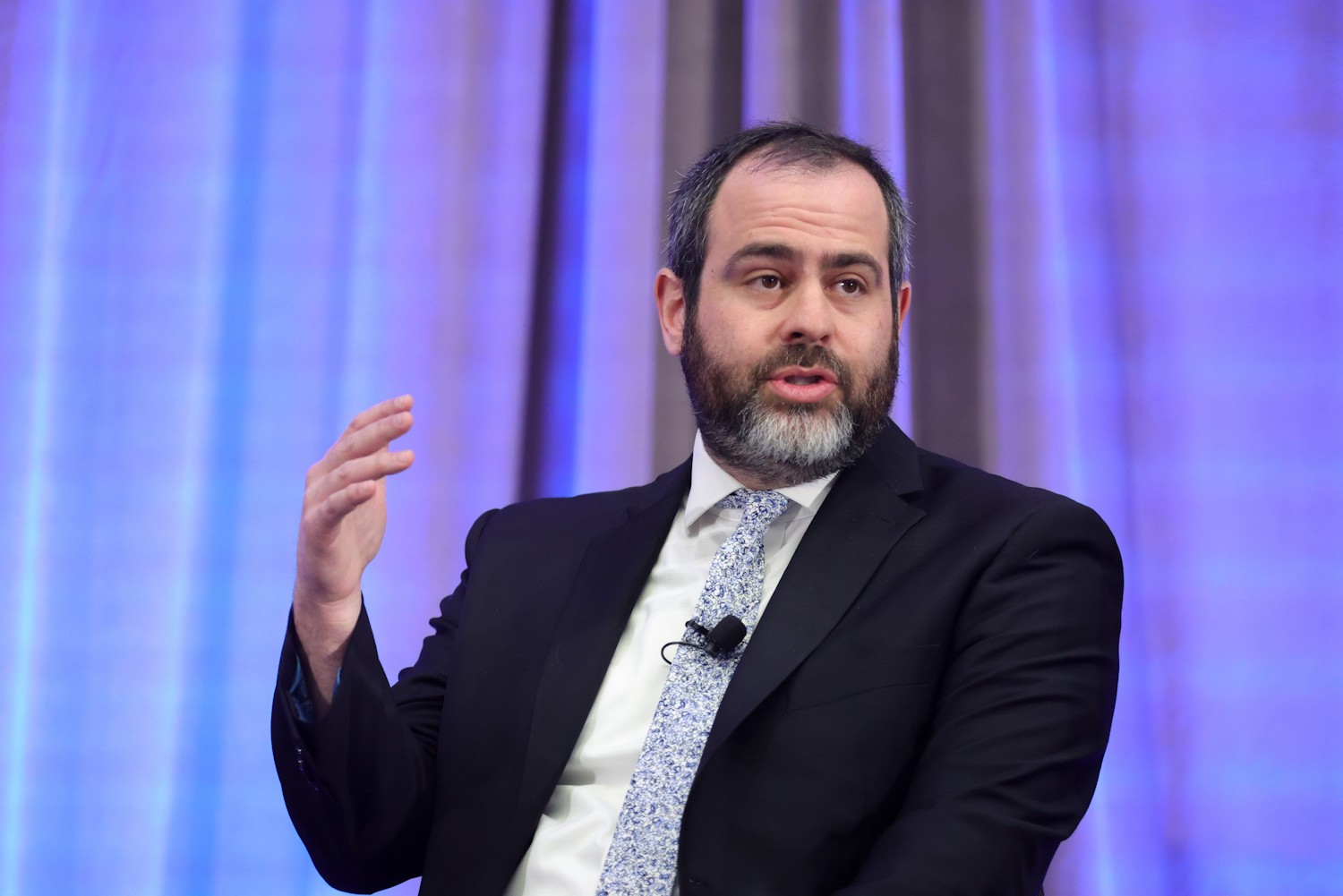
“Some managers want charisma. We [hiring managers] need to hire for KPIs. If we’re only hiring for charisma, they won’t have the skills,” said Josh Gottesman, SHRM-SCP, CHRO at Orthodox Union.
His tip is for HR to have their teams independently write down five to seven skills needed to be successful in an open job. This way, leaders can find out the most selected skills and can then use those as a basis for defining the key job traits during the hiring process.
“Skills-first reframes the question from who has done this exact job before, to who has the capability to do this job successfully, given the required guardrails,” Hercules said.
Talk to Your Internal Customers
Beyond working with your team to ensure skills-first success, you can also work with your customers.
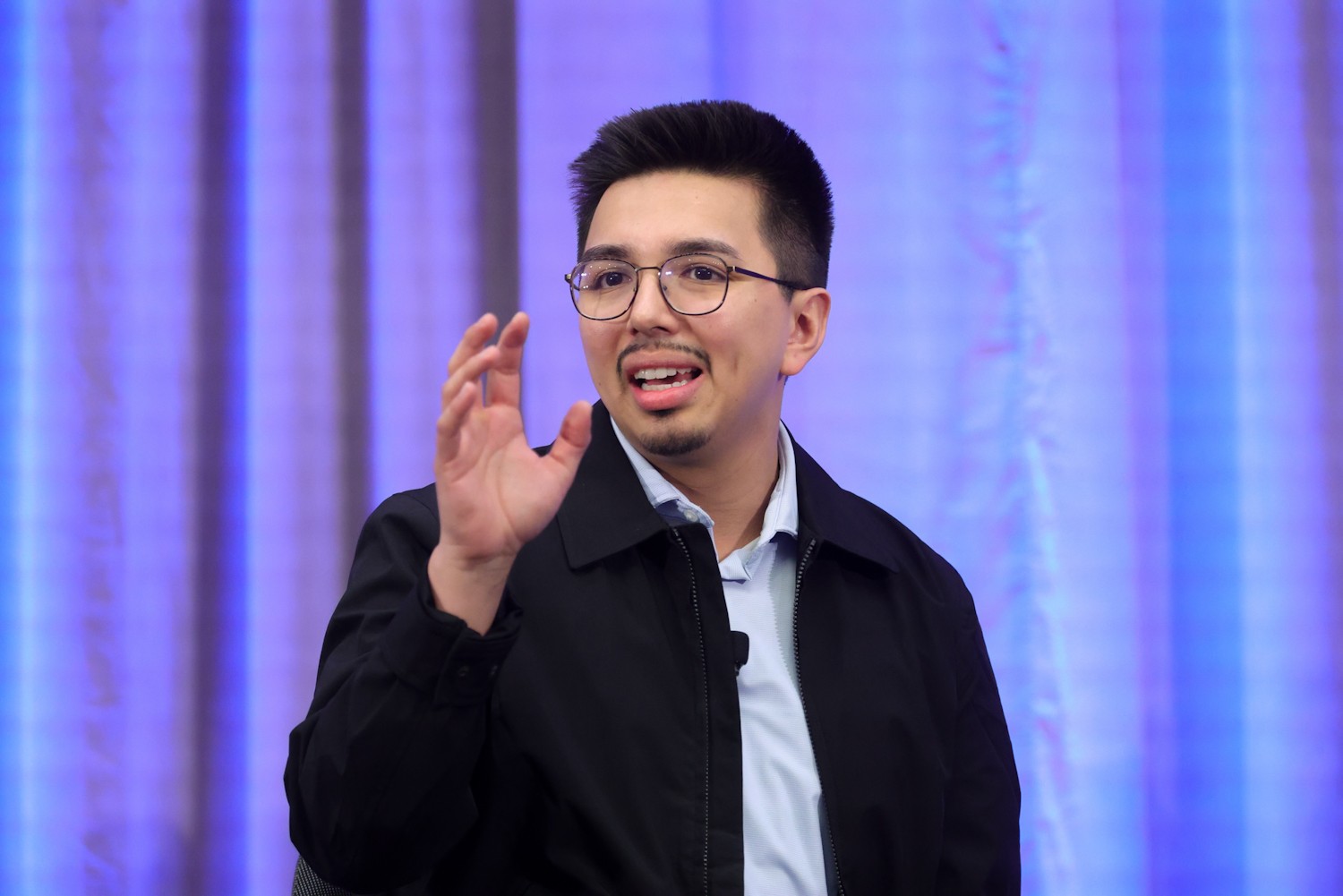
“Have conversations with your internal customers. Understand the work that they do to better understand the skills that they're needing within their space,” said Eddie Celis, SHRM-CP, university recruiter at Idaho National Laboratory.
Celis recalls talking to an ecology team to better understand the role they were hiring for, which led to him going on an ecology trip in the desert to monitor more than 200 plots of land and take sample sizes.
“It helped me get a way better idea [of the job]. Initially they were very big on eligibility, but what about being comfortable in the environment they will be working in,” he said.
Tap Into Company-wide Resources
For Gottesman, one of the biggest challenges he ran into was convincing the organization to pull their resources together for the larger, big-picture impact on skills-first investment.
“I had to convince my partner managers, let me train your employees on time management, communication skills, and conflict resolution,” Gottesman said. “I’m not taking anything; we’re making a larger impact by doing this together.”
He took a fragmented strategy for professional development and brought different departments together for one training. This allowed cross-networking among departments, creating a ripple impact. By pooling resources, Gottesman was able to make a bigger, company-wide impact.
Was this resource helpful?

Validate your HR expertise
Earning your SHRM-CP credential makes you a recognized expert and leader in the HR field.
Related Content

Transform HR with mobile technology to streamline workflows, enhance communication, and boost employee engagement across distributed teams.

A new study found that talent development practitioners believe performance-based assessments are more effective at measuring employee learning outcomes than knowledge tests.

As AI makes deeper inroads into organizations, employee concerns about the technology continue to grow. Here's how HR leaders can address the fear of AI among their own staff, as well as in the wider organization.