New SHRM research suggests organizations that take a deliberate, consistent approach to inclusion and diversity (I&D) see stronger workplace outcomes, even as political and legal pressures prompt some employers to reconsider their strategies.
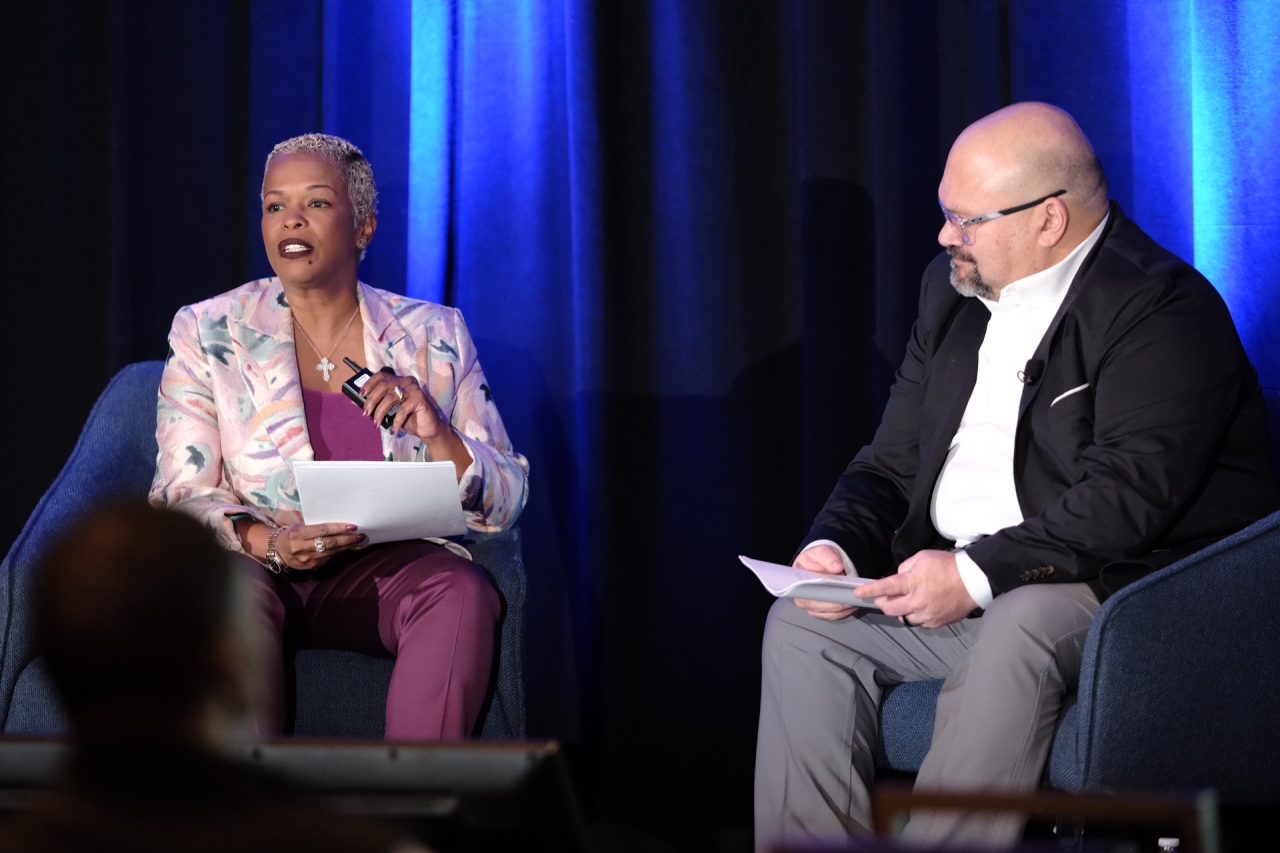
The research found 44% of employers reported taking deliberate action to advance I&D, while 46% took a passive approach and 10% were avoiding or resisting such efforts. Organizations pursuing active approaches reported stronger inclusion performance and better public reputation scores. Those maintaining relatively stable I&D strategies also reported better revenue and employee engagement outcomes, noted Carolynn Johnson, president of the SHRM Center for Inclusion & Diversity and acting CEO of SHRM Linkage, and SHRM Chief Knowledge Officer Alex Alonso, Ph.D. Together, they showcased the findings from the new research report, “The Current State of I&D,” during a session at SHRM BLUEPRINT for Inclusion & Diversity.
“If we are stable and intentional in our goals, we are more likely to maintain our business objectives and maintain our brand objectives,” Alonso said. However, he emphasized that consistency should not preclude flexibility. Organizations still need to adapt their approaches to changing circumstances without abandoning their underlying commitments.
Political Pressures Reshape I&D Strategies
The findings come amid significant changes to the legal and political environment surrounding workplace I&D programs. Among respondents who discontinued a formal I&D strategy, 52% cited the influence of executive orders issued in 2025, 48% pointed to the broader political environment, and 32% cited legal or regulatory changes.
Despite these pressures, the research suggests employers can continue fostering inclusion through practices that support employees without necessarily maintaining programs explicitly labeled as I&D initiatives. “You don’t need an inclusion label to make people feel included,” Johnson said.
Indeed, the most frequently selected everyday practices that foster inclusion were open-door policies (20%), flexible work arrangements (18%), and employee recognition (17%). These practices may not traditionally be associated with formal inclusion programs, but they can help employees feel heard, valued, and supported.
Johnson encouraged employers to gather direct feedback from workers, rather than relying on formal initiatives or organizational assumptions. “Ask employees directly and look at what happens after they speak,” she said. “One place to start is with the last concern your team handled.”
Leadership Accountability Remains Critical
The research also revealed formal I&D infrastructure remains relatively uncommon. Only 28% of surveyed organizations reported having a formal I&D strategy, while 14% had a dedicated budget and 16% had dedicated staff or roles.
For organizations with formal strategies, however, leadership accountability emerged as an important distinguishing characteristic. “Among those that have a formal strategy, two-thirds of them reported there was one key element that stood out. They had a very clean line to who owns the initiative,” Alonso said. That responsibility typically rested with an executive, rather than an undefined committee.
The findings underscore the importance of assigning clear ownership to inclusion initiatives and connecting those efforts to broader organizational priorities. Johnson also emphasized civility as a foundational element of workplace inclusion.
“Diversity is the input, civility is the process, inclusion is the outcome,” she said, describing the model guiding SHRM’s Center for Inclusion & Diversity. Incivility, including intentionally excluding colleagues, can undermine engagement and productivity. Johnson noted that employees also lose productive work time recovering from uncivil workplace interactions.
Measuring Inclusion Remains a Challenge
Although many employers recognize the importance of inclusion, comparatively few regularly evaluate whether their initiatives are working. Only 23% of organizations routinely assessed their I&D programs, according to the research. Another 33% conducted assessments as needed, 29% never assessed their efforts, and 16% were unsure.
“The thing that most organizations struggle with is ‘how do I measure the effectiveness of my inclusion programs?’” Alonso said.
Even when employers collect I&D data, they do not always translate those findings into action. While 48% of respondents shared I&D data with senior leadership, just 17% used it to inform business or talent decisions, and 11% tracked progress against I&D goals. The disconnect suggests that data collection alone is insufficient. Employers must also identify meaningful measures, establish clear objectives, and determine how they will respond to results.
A Practical Path Forward
For organizations reassessing their inclusion strategies, the speakers emphasized simplicity, consistency, and a focus on existing workplace practices. Johnson discussed SHRM’s BEAM Framework, which promotes inclusive access to opportunities, merit-based decision-making, accessible information, and skills-first approaches while avoiding unlawful preferences., which promotes inclusive access to opportunities, merit-based decision-making, accessible information, and skills-first approaches while avoiding unlawful preferences.
Alonso outlined four recommendations for HR leaders looking to build more effective and sustainable inclusion strategies:
- Focus on a few meaningful priorities. Identify two or three specific challenges that can be addressed through inclusive workplace practices, rather than pursuing numerous initiatives without clear objectives
- Stay consistent but remain adaptable. Maintain a steady commitment to inclusion, while reviewing progress annually and adjusting strategies as organizational needs evolve.
- Improve existing practices before creating new programs. Examine everyday workplace processes, such as employee feedback, recognition, and access to opportunities, to identify where improvements could make employees feel more included.
- Measure what matters — and act on the results. Track no more than five meaningful indicators of inclusion, and establish clear steps for responding when those measures improve or decline.
Effective inclusion does not necessarily require elaborate programs or substantial dedicated resources, the speakers noted. Instead, it depends on intentional leadership, everyday workplace behaviors, and a willingness to measure results.
As organizations negotiate continued scrutiny of I&D initiatives, the research suggests that those maintaining clear objectives and embedding inclusion into their daily operations may be best positioned to sustain both employee engagement and business performance.
Was this resource helpful?

Validate your HR expertise
Earning your SHRM-CP credential makes you a recognized expert and leader in the HR field.
Related Content

Transform HR with mobile technology to streamline workflows, enhance communication, and boost employee engagement across distributed teams.

A new study found that talent development practitioners believe performance-based assessments are more effective at measuring employee learning outcomes than knowledge tests.

As AI makes deeper inroads into organizations, employee concerns about the technology continue to grow. Here's how HR leaders can address the fear of AI among their own staff, as well as in the wider organization.