- Video
- Audio Only
Rethinking the traditional college degree? You’re not alone. With rising tuition costs and student debt, plus the growing appeal of alternative credentials, today’s workforce is exploring new ways to build successful careers. But what challenges do professionals face when they skip the degree route, and how can organizations adapt to unlock untapped talent?
Isaac Agbeshie-Noye, program director for the Widening Pathways to Work initiative at the SHRM Foundation, breaks down the rise of skills-first hiring, the barriers encountered by nontraditional job-seekers, and how employers can bridge the divide when looking for talent from different educational backgrounds.
This episode is sponsored by:

Related to this Episode
Labor Force Snapshot: Nonstudent Youth in the U.S. Labor Force
This data brief aims to deliver key data-driven insights about the nonstudent youth population by analyzing historical trends and emerging dynamics that contribute to this group’s evolving role in the U.S. labor force.
Dive deep into game-changing topics impacting today's workplaces. And every Saturday, our All Things Work podcast is the top story in SHRM's All Things Work newsletter. Subscribe now so you never miss an episode! Plus, get feature articles, related content, SHRM's latest research, and more.
News + Insights
Podcast Episode Guest
-
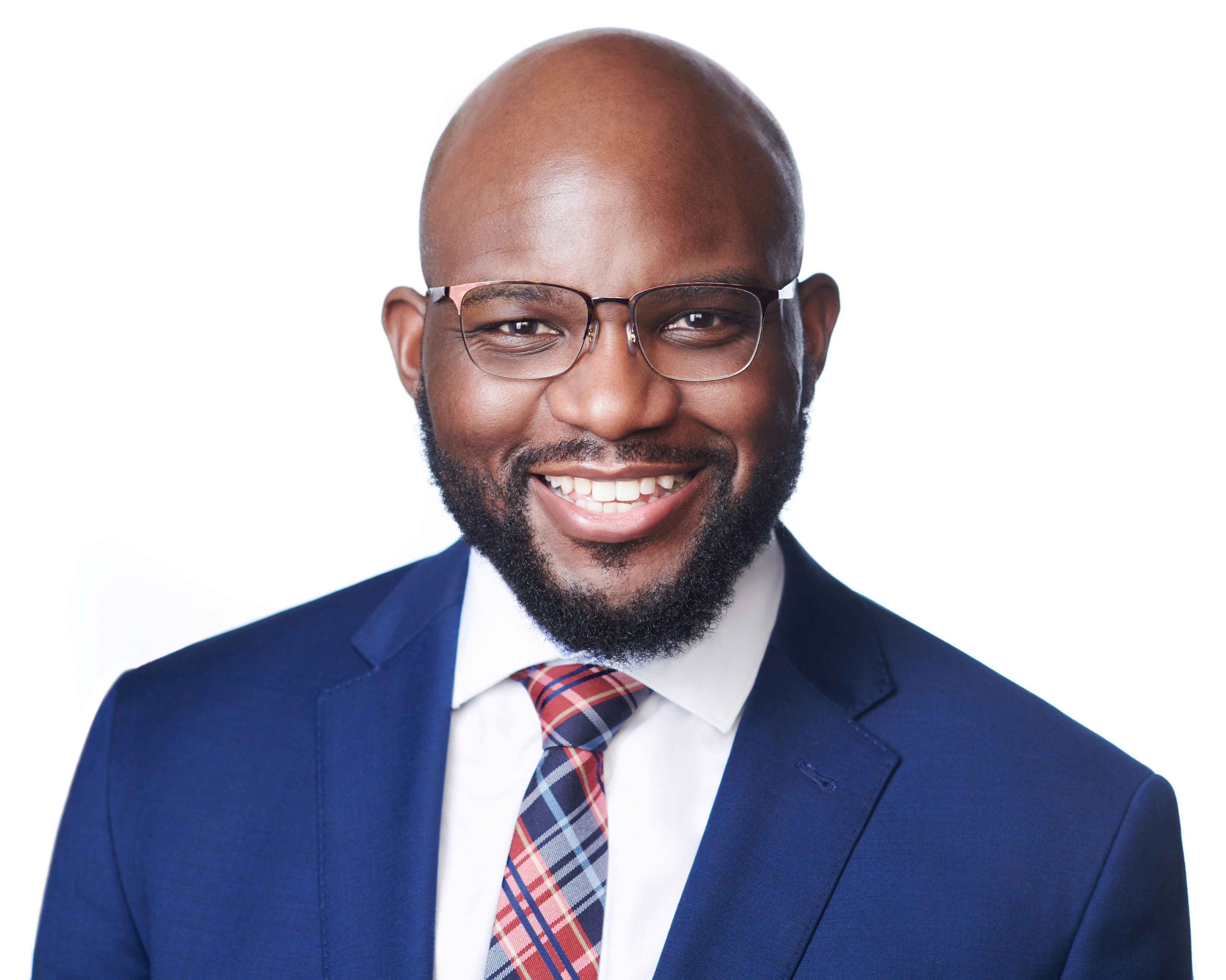
Isaac Agbeshie-Noye
Isaac Agbeshie-Noye is Program Director of the Widening Pathways to Work portfolio at the SHRM Foundation, where he leads national initiatives that advance skills-first hiring and expand access to economic opportunity. His work mobilizes employers, educators, intermediaries, and funders to modernize talent systems and unlock untapped talent pools, helping organizations move from commitment to action. With nearly 20 years of experience spanning higher education, workforce development, and philanthropy, Isaac builds cross-sector partnerships that drive lasting systems change. He holds a Doctor of Education from The George Washington University.
Episode Transcript
This transcript has been generated by AI and may contain slight discrepancies from the audio or video recording.
Ad: [00:00:00] Everyone's panicking about AI stealing jobs, but smart companies are thinking bigger. What if AI helped your people crush it? Lattice is where people in AI team up to help employees grow. Managers lead and companies win. No regrets. Check out lattice.com/no regrets. That's lattice.com/no regrets.
Isaac Agbeshie-Noye: There are just a lot of ways to develop some of these skills, but it starts as a young professional in being able to clearly articulate, what can I do?
What am I passionate about, what's important to me, and how can I leverage all of those things to help you?
Anne: For decades, we were taught a college degree was the ultimate ticket to a successful career. Today, that path is no longer the default rising tuition. Student debt and questions about return on [00:01:00] investment are prompting a new generation to ask, is there another way to build my career? At the same time, new SHRM research reveals the number of college graduates is still growing.
So why are we seeing this increase while others are questioning to enter college? While many believe a bachelor's degree remains essential to compete in this job market, and without it getting a foot in the door can feel quite impossible, and their concerns are valid because our data also highlights the significant barriers young people face when they skip formal higher education.
So what happens when the traditional path is no longer the only option, but may still feel like the safest one? Today we're unpacking this shift. We'll explore why workers are rethinking degrees, the rise of alternative credentials like professional certificates or micro credentials. And the challenges of breaking into the workforce without that formal degree.
Plus, we'll discuss how skills first hiring could unlock untapped talent [00:02:00] and what needs to change to make it a reality. So joining us to break all of this down today is Isaac Agbeshie-Noye, program Director for the widening Pathways to work under SHRM Foundation, where he leads innovative initiatives connecting education and workforce development.
Isaac, welcome to all Things work.
Isaac Agbeshie-Noye: Thank you. Happy to be here.
Anne: We're happy to have you. Your work is amazing. So let's jump into the conversation with the big picture here. Despite seeing the population of college graduates grow from 5.5 million to 7.4 million over the past decade, according to SHRM research, we are also seeing more younger people embrace alternative credentials.
So what would you say from what you've been seeing in your work are driving these trends?
Isaac Agbeshie-Noye: Yeah, that's a great question. I think that quite honestly, we are in a social moment where people are wanting quick access to things, and so when you [00:03:00] have alternative credentials that can get people validation in the market, that can validate people's skills in the market pretty quickly, much faster than a four year bachelor's degree can.
That's gonna be an attractive option to a lot of people. On top of the fact that it's cheaper most of the time, and so it's cheaper and the delivery is a lot more modular. And so it's a lot more accessible for people to get access to those credentials. And the credential market over the past few years has ballooned.
And so there are over a million credentials available. And so when you have that type of accessibility. To the two credentials, and those things may be a signifier that helps you stand out in the job market.
Anne: And just because someone is not studying for that four year degree doesn't exactly mean that person is not learning or developing new skills elsewhere.
Like you said, there's. Millions of different options right now. So from [00:04:00] your experience, uh, in this line of work, what are some key barriers you've personally seen these individuals face when trying to get a full-time role, but they didn't take that college route?
Isaac Agbeshie-Noye: Yeah, it's really hard to differentiate yourself in this market, especially now in the age of ai, where people are leveraging AI as a partner in their job search.
And so if you're able to, uh, take your resume and a job description and. Tailor your materials to something you feel like employers want. You have people that, more people that are able to apply for more roles. And so recruiters are having a huge challenge trying to figure out who has the skills, who's going to be the best match for the things that I need.
And so the bachelor's degree by default. If you're not changing any practices, the Bachelor's degree by default becomes a proxy for people to understand the types of skills someone has, [00:05:00] which is not completely accurate. A bachelor's degree in music is different from a bachelor's degree in communication.
They don't tell us the same types of skills and so, and many employers have not. Gotten granular in terms of understanding the types of skills they're looking for to be able to make those types of differentiations in a way that is fair. And so, so, you know, in this movement, we're not really saying that skills replace degrees.
We're saying we're not saying skills or degrees. We're saying skills ant, um, because we know that to your point, skills are being developed everywhere. And college is not the only place where skills are, where people are growing. Um, so that, I think that that part does create some barriers for folks that are not carrying the bachelor's degree, but.
The great thing is that this is forcing employers to really understand skills as they see it. And so we are hoping that we're getting to a future that is much, much more focused on [00:06:00] validating skills and using creative ways to understand that somebody can do a thing for you in the workplace. And so, uh, our Center for Skills First Future is really focused on positioning employers to be able to do that.
Anne: Hey everyone. We'll get right back into the conversation in just a moment. But first, if you want to find top talent and build a stronger workforce, check out SHRM Foundation Center for a Skills First Future. This initiative helps you move beyond traditional resumes and degree requirements and gives HR professionals the exact tools needed to hire based on what people can actually do.
Focusing on skills, expands your talent pool, improves retention, and drives real business results. If you're watching on YouTube, just click the link above to learn more or find it in this episode's description. Now let's get back to the episode. I love that you brought up the center for a skills first feature.
I remember when Shem Foundation was going to launch this. Um, I was just so excited about this [00:07:00] initiative and in previous all things work episodes, we've had a couple of leaders talk about, uh, this center and how it helps employees put skills, really, employers, sorry, put skills at the center of Hiring and Advancement.
Now, this isn't to undermine the bachelor degree, just want our audience. To know it, like you said, skills and bachelor's degrees or and edu formal education, uh, just to emphasize that skills are so important. So since now, since the, uh, center for Skills First Future has been, you know, implemented for quite a bit now, how have you seen it really impact people looking to enter the workforce without that degree next to their name on the resume, or for that employer who might try to be addressing those key barriers you mentioned?
Isaac Agbeshie-Noye: Yeah, I mean the thing that's most exciting about it is that the center has a skills action planner associated with it. And this Skills Action Planner is a, an organizational readiness tool. It helps employers [00:08:00] understand what do you have currently going on that you're excited about, and where do you want to be and what is the, and the point of it is to map this path to get you there.
And so we've had. Hundreds of organizations go in and take this assessment and have some understanding of where they are. And the thing about that is that it feels so exhausting to transition to a skills first approach if you feel like you're doing it from scratch. And many people don't recognize that they're already doing things that, that are approaches that are in line with being able to see the full range of human potential.
And so this kind of celebrates that it says. Here's where you are. This is great. Here's what you can do to get to the next level when it comes to, uh, different types of approaches. So, and I love that you've mentioned hiring and advancement, because I think that people forget also that hiring is just one part of the [00:09:00] employee lifecycle.
We have many more people who are in jobs right now than we do, people looking for jobs. And so we need to also be thinking about what we're gonna do for those folks, um, as they're figuring out their career and they're trying to figure out what's next.
Anne: I, I love, I love that you're looking at the whole picture with this center, um, for a skills first feature and the whole initiative with widening, widening pathways to work.
Ad: My name is Katrina Gooch and I am the Director of Human Resources. I have worked in HR for 21 years now. Being at the SHRM conference every year is the thing that energizes me, is the thing that keeps me for the next year. Uh, because I come here, I get around my people, I get around people who do the same thing, that have the same challenges that I can share.
That we can, you know, talk and engage and party and do all the stuff, and it's just a great time at the SHRM Annual Conference. I feel understood. [00:10:00] I feel, uh, compassion. I feel empathy. I feel, because a lot of times as an HR professional, you can't share what you're going through in the organization. Um, you can't share those challenges with others, but here you're in a safe place.
So as safe psychologically, it's a safe environment and it's just very motivating.
Anne: We mentioned some SHRM research earlier. I'm gonna dive into it a little bit in this new, this next section. So, SHRM shares special labor force snapshots on different demographics throughout the year. It really is our thought leadership team's amazing on this, but most recently a snapshot focus on the group non-student youth in the US labor force.
So that means the research surveyed individuals between the ages of 16 and 24 who are not enrolled in a formal education program. So this is a [00:11:00] very specific group. So the snapshot explains how this group faces a unique set of challenges and opportunities. Kind of like the ones you mentioned, Isaac, as they transition into the workforce.
They're trying to find that different way, but they're grappling with that ongoing labor shortage and evolving worker. Worker expectations and employer expectations. So Isaac, these shifts are causing a bit of an earthquake here for both this demographic and organizations. As you said, they're trying to navigate this, so why is it so important to understand these groups challenges from the get go?
Isaac Agbeshie-Noye: Well, this group is the future, and so if our businesses are going to. Be sustained over time. We have to figure out a way to get this group involved and engaged in the workforce. And so it's incredibly important for, uh, our society to continue. It's incredibly important [00:12:00] for them to be able to live meaningful and productive lives As citizens, it's, it's really important for us to really understand how the workforce is evolving and how we're still going to make sure that people feel.
Included and have agency to actively contribute. And the, the most important part there, um, which is a statistic that we, we cite very often, is that very soon, one in three workers are going to be from this population. And so. We are not all designed to be working forever, and so people are gonna be transitioning in and transitioning out, and we do need to be thinking about that succession.
Now. It's really important for us to be thinking about that. And I'll also add, quite honestly, because this is the other side of it, that we do not think about when people are not engaged in work. Our societies suffer. Um, and so the flip side is that [00:13:00] we are in for quite a bit of challenge if we do not figure out how to meet the needs of this population.
Um. Uh, through employment and through giving people the opportunity to develop skills and develop a sense of purpose around work and all of the things, uh, that we know that having some place where you constantly contribute actually helps you in your humanity and how you live life. And so there are a lot of reasons for us to really understand these challenges and for us to be trying to develop some solutions around them Now.
Anne: Jumping into another piece of this research from this labor force snapshot on this age group, SHRM also highlights how education still drives the divide between employed and unemployed for young adults. So the snapshot found the ages 20 to 24, specifically with only a high school diploma face a higher on average unemployment rate at 9.6% compared [00:14:00] to those who actually got their bachelor's degree at 7.4%.
It may seem like a small gap, but in reality those numbers are quite big and it paints a very clear story about, um, you know, workplace expectations, candidate expectation. So Isaac, what can employees do differently to address this specific gap with the GED versus the Bachelor's? And how would addressing this gap really?
Improve talent acquisition, workplace innovation and engagement like you mentioned.
Isaac Agbeshie-Noye: Yeah. Thank you for that. I, I think that it is important, and we've stressed this a good bit, that employers have to be really clear around what skills they're looking for, for that population that you mentioned. It's not that they don't have skills, that it's just that we don't have great systems to translate the skills that they have into roles.
In the workplace, and so the clearer that employers and hiring managers can be around what [00:15:00] they're looking for and what different ways they believe that that experience could be represented in a resume or in a person's experience, the better talent acquisition is going to be. I think that we are seeing a huge shift in the workplace right now, and we do a lot of work at SHRM trying to talk about this intersection between AI and human intelligence, and this is a really great moment for employers to be asking.
A critical question around what is it that we need humans to do here that cannot be replaced? Um, and how do we redesign and reconfigure roles to represent that? Employers have to be asking the question around, in the age of ai, what actually makes a candidate qualified? Uh, what does that look like? And so it's not necessarily does, it's not.
Tied or doesn't have to be tied to a degree per se, uh, but it [00:16:00] is tied to an ab and person's ability. To do things, and so we have to know what those things are, and we have to know what that looks like when we see it. And so we have designed a lot of the tools in the center leveraging a lot of this research to be able to get employers on their way in terms of asking those questions and also thinking about the answers and how those things contribute to the business outcomes.
Anne: So would you also say, um, you know, they should be thinking about looking for those skills and people that you, you, it's not easy to teach them certain skills like the, like the power skills or interpersonal skillset. Um, because we know that you can learn some things on the job in training. But when it comes to other skills, um, that it's hard to teach, they kind of just naturally have to have that or they have to develop it in the pro alternative credential.
Should employers be thinking that way as well.
Isaac Agbeshie-Noye: Yeah. You've said something great there. Um, that [00:17:00] is key for us to, I think, keep in mind. We do have to think about what are the skills that are teachable versus the skills that I need somebody to have on day one when they walk in here. And sometimes it's really hard for people to distinguish the line between those two things.
And we are in an environment, and this is something that I think people forget about young people. We're in an environment where. The envi, the places where people could learn those types of skills that are valued are quickly changing. When school was completely in person, you had to socialize with people.
You had to build all of these skills because you had no choice. You had to be there. Now we have all of these virtual options. We have so many ways that people are disconnected from having to engage with other people. We don't have a whole lot of outlets for people to design or build those skills quickly.
So employers really do have to figure out. What are the things that I feel like [00:18:00] I can teach by somebody being here versus what are the things that you really do need to show up here knowing how to do? Because otherwise you're not gonna be able to do the other technical aspects of this job. Um, and I think that that is difficult.
Um, and it is a hard thing to wrap our heads around because we've made a whole lot of assumptions. About what experience somebody has if you're coming with a high school diploma or if you're coming with a bachelor's degree. Um, and I think that some of those assumptions are proving to be untrue. And so I think we have to do a little bit of reframing regarding how do people get those power skills and what do I have in terms of infrastructure here to help somebody along their way if they do not have that, to develop that, because ultimately if you develop somebody in that way.
The research that we have shows people stay, they don't leave. They feel like you're invested in them. They feel committed to the company. And so how great [00:19:00] would it be for somebody to start a role and as a part of your onboarding plan, there's a plan for your skill development in an area that's ultimately gonna position you to be a huge asset to the business.
Anne: Agreed. Yeah. And, and so flipping it to the other side when it comes to entering. The workforce, what? What advice would you give to young professionals trying to enter the workforce, say whether they have that GED or that bachelor's?
Isaac Agbeshie-Noye: I think you really have to understand. What is it that you do and what do you do well, and in the areas that where you feel like you have some growing to do, what are some realistic outlets that employers can resonate with that help you to develop those things?
Is it volunteering? Is it working in. Is it, you know, business owner or business leader or hiring manager in the work that you are trying to do? Um, you know, I think that [00:20:00] being able to talk about yourself and understand yourself, um, is useful because you are the expert in you. And so, um, and yeah, and so I think that that positions you to be able to be more visible to employers as you're, you know, entering a job search.
Ad: Waiting for your career to take off. Well, don't. With SHRM certification, you earn more, get promoted faster, and lead with confidence. This is your sign to act. The best workplaces are led by SHRM certified experts. If it's a work thing, it's a SHRM thing.
Anne: So Isaac, we're gonna wrap up the SHRM research side of these things.
Uh, so one of the SHRM's next Labor force snapshots will focus on recent college grads, specifically between the ages of 22 to 27. I got a sneak peek at the research from our thought leadership team, and it found this group has a much higher tendency to participate in the labor force compared to those without a college degree.
Who are not [00:21:00] enrolled in school with about 93% of individuals with a college degree, either employed or they're actively looking for role means they're actively participating in the labor force. So how does this reinforce how employers are still viewing and depending on those certain talent pools, and if more employers lean into skills versus hiring, what shift could you see among young people choosing between that college or alternative credential route?
Isaac Agbeshie-Noye: Yeah, I mean the thing that is exciting about where we are now is that. We've kind of reimagined what a career path actually looks like. The great thing about having this alternative credential market is that you could go to, I went to college to major in computer engineering. I'm clearly not a computer engineer right now.
Um, and those credentials allow you to pivot or allow you to. Rethink your career trajectory. They give [00:22:00] you access to a lot of different roles. So maybe you're starting entry level in retail, but that is actually giving you a gateway into marketing, or it's giving you a gateway into something else. And so I do think that.
Having so many people that are actively engaged in either employment or actively looking for a role is great. That is a pool that we're gonna still continue to tap into, but that group is still gonna need development, especially in a environment where jobs are changing. So quickly, like we can, if you think about it, the jobs of tomorrow, we have not even built the degrees mm-hmm.
To support those jobs yet.
Anne: Right.
Isaac Agbeshie-Noye: And so given that we are gonna, it is gonna take everybody, we need folks to have all types of experience to be able to find their way. I think in. World. Um, because just as much as there are some, uh, skills that are associated with the college degree, there are just a lot of other [00:23:00] skills that may not be captured in that degree, that may be captured in a credential or may be captured in job experience or a life
Anne: experience.
Isaac Agbeshie-Noye: And all of those folks have things to contribute. Um, and we need those people quite honestly. And so, yeah, so I, I think that there's, there's great promise in being able to continue to lean into recent college grads as a talent pool, but. There are also other ways that people are getting skills and are able to apply those skills really quickly in the world of work.
And we do need to figure out better ways to see that too.
Anne: So let's dive into the mindset of maybe the average young individual who. Can afford to go to that four year degree, but are really just trying to consider all their options. You can imagine they are feeling this pressure to take this college route.
So what should young people really be taking into consideration as they face this, you know, fork in the [00:24:00] road, if you will, um, with current workforce expectations when making this decision? 'cause it kind of feels pivotal, but um, it maybe doesn't have to feel so. Pressurized.
Isaac Agbeshie-Noye: Yeah, I mean, just thinking about what is it that you want to do as a job, um, and what is the pathway to get into that role?
Um, if you have a place where you're looking to live. What are the jobs that are available in that area? What's surging? Where is their job growth? Where do we see areas where jobs are declining? That type of information is, has never been more at people's fingertips than it is right now, and I do think that as young people are thinking about what their path into work looks like, you need to leverage some of that data to figure out.
What are the roles? What is this career gonna allow me to do? What are the median earnings for this job? Is that going to help me afford the [00:25:00] lifestyle that I want? Um, these are all questions that, you know, we get so exhausted by the idea of adulting.
Anne: I know
Isaac Agbeshie-Noye: these are important, these are important things to
Anne: figure.
It's like doing homework.
Isaac Agbeshie-Noye: Yeah.
Anne: Yeah. It's
Isaac Agbeshie-Noye: like important things to figure out what your adult life is going to look like. And, and you mentioned about workplace expectations, and I do wanna signal for young people that. There. You know, I think that there is an understanding around wanting to be in a workplace culture that allows you to bring your full self to work.
And at the same time, there are expectations in any workplace and you need to understand what those things are so that you can be most successful there. There are a lot of places that have built cultures that are complimentary. To getting work done. Um, and, you know, uh, I think understanding where you fit in that and what works best with your working style, uh, is, is important for you when you are trying to [00:26:00] figure out whether or not a an employer is a good culture match for you.
Anne: Adulting is real. It totally, I already brought that up. So I, I was also reading an article in the LA Times, uh, a couple weeks ago that says some colleges are actually shortening bachelor degree programs to three years instead of the four years. And the LA Times article also said about 60 other institutions are considering.
Similar moves signaling how leaders in higher education are also re-imagining how people go about getting their diplomas. So do you think we will see this mindset shift become more common for leaders in both education and business? And what opportunities does this bring?
Isaac Agbeshie-Noye: Yeah, for sure. We're definitely going to see, I think, a mindset shift when it comes to this, because.
People are wanting to figure out how to get in, how to be competitive and get into the world of work quickly. It's really hard to make the [00:27:00] case in a world where I could imagine that I would want something and I could go online and order it and it be at my house. Before the end of the day today, in that type of world, it is hard to sell waiting four years for anything.
Anne: True, true.
Isaac Agbeshie-Noye: So I, I really do think, I think that it is great that institutions higher education is thinking about how to reimagine itself because it has to, and higher education generally has always struggled with that because it is sitting at the intersection of knowledge creation. And tradition. And so tradition and, and tradition is such a hard thing to fight against.
It's so much, it's so easy to continue to do things just because that's how you've always done it and you've built a whole infrastructure around that. That's why it's really hard to get people to move away from just looking at bachelor's degrees. You've built a whole infrastructure around it. And so, but we do have to [00:28:00] reimagine it because the world is just.
Different, and I will, I do think in higher education you'll see more people being willing to make the commitment if the time to degree is shorter. And also if we do something about the cost of the degree, I think that a lot of that will make it a lot more attractive to people. But at the same time, what has to be happening is education and training providers have to be having that conversation.
With businesses so that there's alignment around when I produce somebody that has a degree in business or in engineering. They are positioned to be able to do this role at this place. And it seems like that conversation could be really simple, but you would be surprised at the ways in which that conversation's not happening.
Um, and so we need to create more cultures and more process and alignment where that type of thing happens where. Those, these programs are being reimagined [00:29:00] with roles and industries and business partners in mind so that when somebody has that degree or has that credential, they're taking it to an employer that actually knows what that credential means.
And, uh, you know, it's, it, I think it's, it's, it's realistic for us to understand that in a market that has 1.5 million credentials in it. Every recruiter doesn't know what each of those credentials mean. They don't know what that stands for. We can't validate what skills you have with that. So there's some great challenge, I think, in this, but it is a space that needs to be reimagined, and so I'm excited that some of the pressures that we're under right now are forcing us to do things and consider these types of things a little differently.
Anne: Awesome. Well, Isaac, you, you've walked us through so much. We know that this is a complicated, you know, web of things happening, so thank you so much for sharing your thoughts today. Sharing more [00:30:00] about the Skills First Initiative through SHRM Foundation. And, and just giving the young professionals hope that there's more than one option out there.
So thank you so much for joining us today.
Isaac Agbeshie-Noye: Thank you.
Anne: All right. That's all for this week. We'll catch you next time.
Ad: If you enjoyed our conversation today, be sure to subscribe wherever
Anne: you enjoy your podcast, so you never miss a new episode. Also, did you know all Things work is more than a podcast? That's right.
We're also a weekly newsletter that includes in-depth articles and the latest research from SHM to keep you in the know, just head to SHRM dot org slash all things work to sign up, plus follow SHM on social media to view the latest clips and join the conversation on game changing topics that are redefining the world of work.
Ad: Lattice is the HR platform where people plus AI succeed together to help your workforce crush it. No regrets. Visit lattice.com/no regrets.
Feature Story

A new analysis shows college grads now struggle to find jobs at rates similar to high school grads, raising questions about the evolving value of a degree.
Enjoy On Your Favorite App
Feature Stories
As part of SHRM's commitment to providing cutting-edge resources, get additional perspective and more insights in content curated from SHRM and around the web.

Deciding to openly share compensation information across your workplace requires careful planning, stakeholder buy-in, and a commitment to ongoing communication.

Learn how inclusive spirituality initiatives in workplace wellness programs can reduce stress, boost resilience, and foster connections among employees.

Discover actionable strategies to foster trust, improve communication, and strengthen relationships with team members by avoiding common leadership pitfalls.