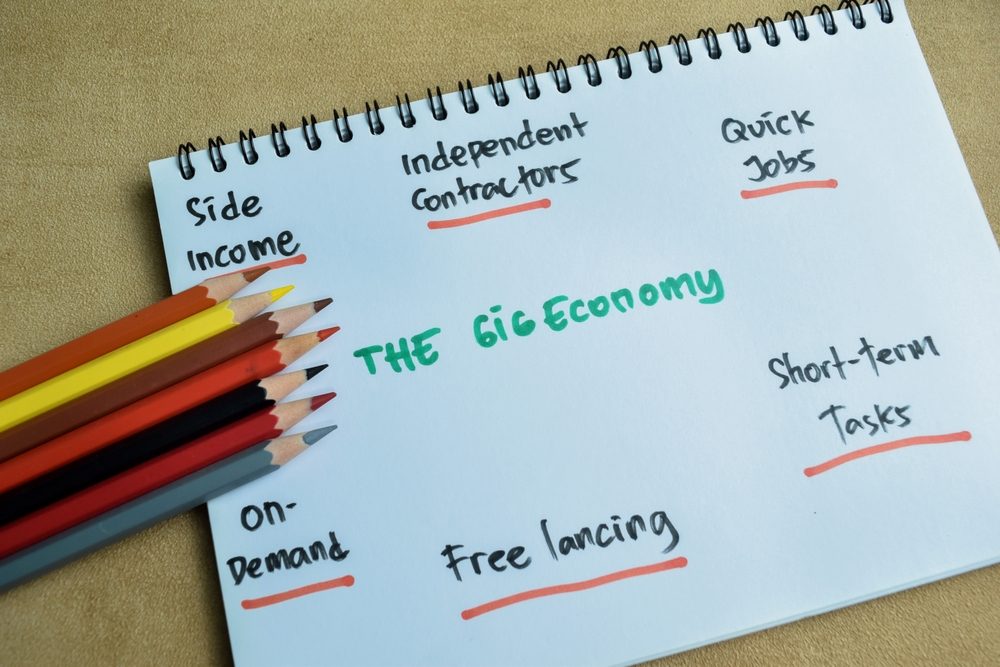
Gig talent helps teams access specialized skills, manage short-term workloads, and complete projects without making permanent hires. However, successful collaboration requires more than finding the right professional. Human Resources (HR) teams need to clarify responsibilities, plan onboarding, establish accountability, and address legal and data protection requirements. These steps help gig professionals work effectively with existing employees while supporting business goals.
For HR teams in India, asking the right questions before hiring gig talent can make the engagement more organized and productive. The following six questions help HR teams prepare for each stage of the engagement, from defining the role to aligning gig talent with workforce needs.
What Work Will the Gig Professional Do?
Role clarity is the foundation of every successful gig engagement. HR can write a brief that lists the goal, tasks, deliverables, and timeline. A clear brief helps the professional start quickly and helps employees understand who handles which task. It also shows whether the work truly needs a gig professional or whether an existing role can handle it. HR teams can review the brief with the hiring manager before the search begins.
A structured start helps gig professionals feel welcome and productive. HR can prepare a brief orientation covering the project goal, team members, tools, and communication routines. Access to the same digital platforms used by employees keeps collaboration smooth. Invitations to team meetings and knowledge-sharing sessions build a sense of belonging. Strong integration turns an outside expert into a trusted team partner.
Managing the Work and Measuring Results
Every gig engagement needs one clear point of contact. The manager sets expectations, gives feedback, and reviews progress at regular check-ins. Regular check-ins also give gig professionals a safe space to ask questions. Simple measures, such as quality, timeliness, and teamwork, make results easy to track.
HR can offer managers short guidance on leading a team that includes both employees and gig professionals. Clear ownership keeps the work on track and keeps everyone aligned.
Also Read: What Happens When Full-Time and Gig Workers Share the Same Team?
Legal and Contracting Steps
Legal clarity protects the organization and the professional. India now recognizes gig and platform workers in its labor reforms, and the distinction between employees and independent contractors warrants careful attention.
HR can work with legal advisors to choose the right engagement type and draft a contract that defines the scope, payment, timelines, and confidentiality. A well-drafted contract gives both sides a shared understanding from day one.
Keeping Company Information Protected
Gig professionals often handle important data, tools, and ideas. HR and the information technology (IT) team can grant access only to the systems each project requires and remove access when the project ends.
Confidentiality terms in the contract and a brief briefing on data handling provide additional safeguards. These measures protect customer trust, company knowledge, and the professional's reputation.
How Does Gig Talent Fit the Workforce Plan?
Gig talent works best when it supports a clear long-term plan. HR can map which skills the organization needs in the short term and which it needs permanently. Repeated gig needs may indicate a skill that warrants a full-time role or a training program for current employees.
Regular reviews keep the mix of employees and gig professionals balanced. A thoughtful plan lets the team stay flexible and strong.
Making Gig Hiring More Effective and Accountable
Adding gig talent is a smart way to gain skills and speed, and these six questions help HR prepare. Clear roles, a warm welcome, strong management, legal clarity, data protection, and a thoughtful workforce plan create a strong foundation. HR leaders can begin by using these questions as a checklist for the next gig engagement. Teams that prepare in this way build trust, deliver better results, and welcome gig professionals as valued partners.
Was this resource helpful?

Validate your HR expertise
Earning your SHRM-CP credential makes you a recognized expert and leader in the HR field.
Related Content

Transform HR with mobile technology to streamline workflows, enhance communication, and boost employee engagement across distributed teams.

A new study found that talent development practitioners believe performance-based assessments are more effective at measuring employee learning outcomes than knowledge tests.

As AI makes deeper inroads into organizations, employee concerns about the technology continue to grow. Here's how HR leaders can address the fear of AI among their own staff, as well as in the wider organization.