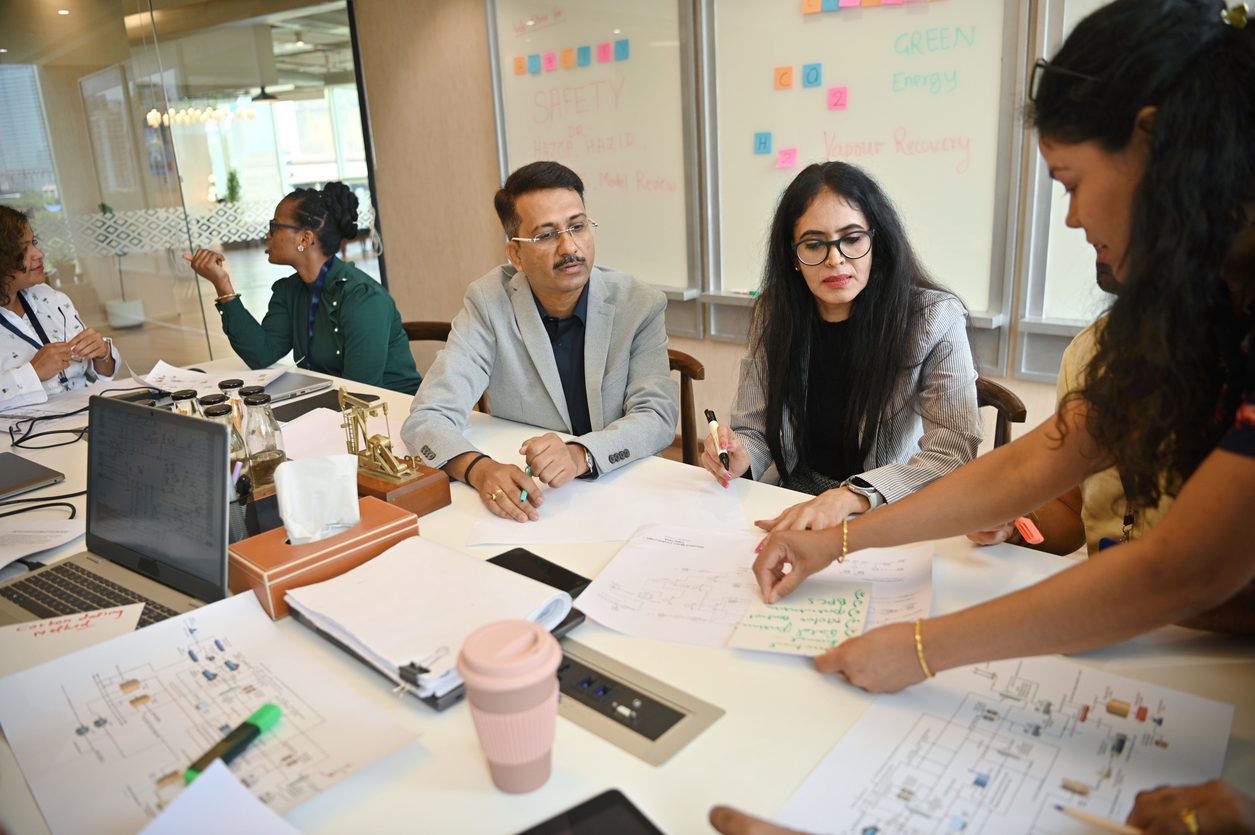
A performance review meeting is a formal discussion between an employee and their manager to evaluate the employee’s work over a specific period. Review meetings are essential for professional development because they propel individuals towards growth and development. Yet, too often, review meetings are reduced to a verdict. Employees feel they are being judged and a verdict is being passed on their career, rather than it being a healthy discussion where they are guided and supported. However, review meetings should be a space for growth, self-reflection, and goal-setting, rather than just a past performance evaluation.
Most review meetings still feel like scorecards—structured around numbers, checkboxes, and how well someone met a target or a predefined goal. Despite these parameters having their place, they barely scratch the surface of a person’s capabilities. If these conversations are meant to lead to actual growth, they should stop sounding like verdicts and start resembling honest check-ins. Instead of dwelling on past performance, focus on the possibilities. Talk about strengths worth building on, skills to sharpen, and support that would make a difference. Keep it grounded, practical, and personal—growth rarely follows a script. An employer, manager, HR professional, or someone in a leadership role can facilitate this shift. Let’s explore a few ways:
Creating a Safe Space for Feedback and Reflection
Real conversations start with trust. Most employees do not feel comfortable sharing their views if a review feels like a performance verdict. Managers should actively listen instead of just evaluating. Instead of listing out what didn’t go well, ask questions that open space for honest reflection:
What made things harder this quarter?
What would make the next stretch easier?
Is there something you’ve needed but haven’t had?
These aren’t soft questions—they’re practical. They help people think clearly about obstacles, support, and next steps. That’s how you turn feedback into momentum.
Emphasizing Growth, Not Perfection
If you want review meetings to support growth, you have to change your goals. The point isn’t to get everything right—it’s to keep getting better. People will make mistakes. That’s expected. What matters is how they respond, what they learn, and where they go from there. Even small steps forward deserve acknowledgment.
Also, it's too late if feedback only shows up during formal reviews once or twice a year. By then, people are either burnt out, blindsided, or unsure where they stand. Make feedback a regular thing. Keep it honest, but valuable. A quick comment after a presentation or a quiet nudge during a one-on-one can do far more than a thick report months later. What you’re building is momentum, not a scorecard.
Setting Actionable Goals for the Future
The conclusion of any review meeting should involve setting clear, actionable goals for the future. At the end of any review meeting, you need to leave with a direction, not just a vague sense of what went well or didn’t. Set specific, doable goals that make sense for where the person wants to go next. Don’t just hand over a list. You need to bring the employee into the conversation. Ask what they want to work on, what they feel ready for, and where they think they can stretch. When goals are built together, there’s more ownership, energy, and better follow-through.
Also, make sure these goals align with the company's needs. The sweet spot is if the employee’s growth path can solve a real business challenge. That way, they’re not just working on themselves but also helping move the team forward.
Continuous Dialogue is Key
Lastly, we should not treat review meetings as a one-off event. If we do, the pressure builds, and people either shut down or show up defensive. That’s not helpful. You need to develop a rhythm of regular feedback—quick check-ins, honest chats, and short notes after a project. These touchpoints don’t have to be formal, but they need to happen.
When feedback becomes normal, people stop feeling judged and start seeing it as part of their growth. You create space for honest conversations, figuring things out as they go, and adjusting before things get off track. That’s how you build trust, and that’s how progress sticks.
Conclusion
Lastly, but importantly, review meetings are not meant to be verdicts. They are opportunities for collaboration, growth, and development. By shifting the focus from evaluation to empowerment, companies can create a culture where employees feel valued and supported. A growth-oriented review process, centered around reflection, feedback, and goal-setting, leads to stronger performance and enhances engagement and job satisfaction. After all, a team nurtured and encouraged to grow will always outpace one that is merely evaluated.
Was this resource helpful?

Validate your HR expertise
Earning your SHRM-CP credential makes you a recognized expert and leader in the HR field.
Related Content

Learn how Marsh McLennan successfully boosts staff well-being with digital tools, improving productivity and work satisfaction for more than 20,000 employees.

The proliferation of artificial intelligence in the workplace, and the ensuing expected increase in productivity and efficiency, could help usher in the four-day workweek, some experts predict.

As artificial intelligence technology continues to develop, the demand for workers with the ability to work alongside and manage AI systems will increase. This means that workers who are not able to adapt and learn these new skills will be left behind in the job market.