“The AI+HI Project” Podcast S3, E13
The New Creative Partnership: Strategies for Using AI to Bring Ideas to Life
- Video
- Audio Only
AI is transforming the creative landscape, but can it truly elevate your work or just add noise? Jeff Clanagan, president & chief distribution officer of Kevin Hart’s multimedia platform, HartBeat, reveals how top teams harness AI to slash busywork and unlock new creative possibilities. By setting clear boundaries, these teams ensure technology never overshadows human originality, taste, or strategic vision.
This episode is sponsored by:

Related AI+HI Resources:
The AI+HI Project 2026
At The AI + HI Project 2026, you won't just hear about AI, you'll use it. From hands-on demonstrations to peer-driven innovation labs, every part of your experience is infused with AI to elevate your learning, your network, and your impact.
AI+HI Specialty Credential
Master the intersection of artificial intelligence and human intelligence to lead innovation and equip yourself with practical, ethical, and strategic tools to implement AI solutions with confidence.
Podcast Episode Guest
-
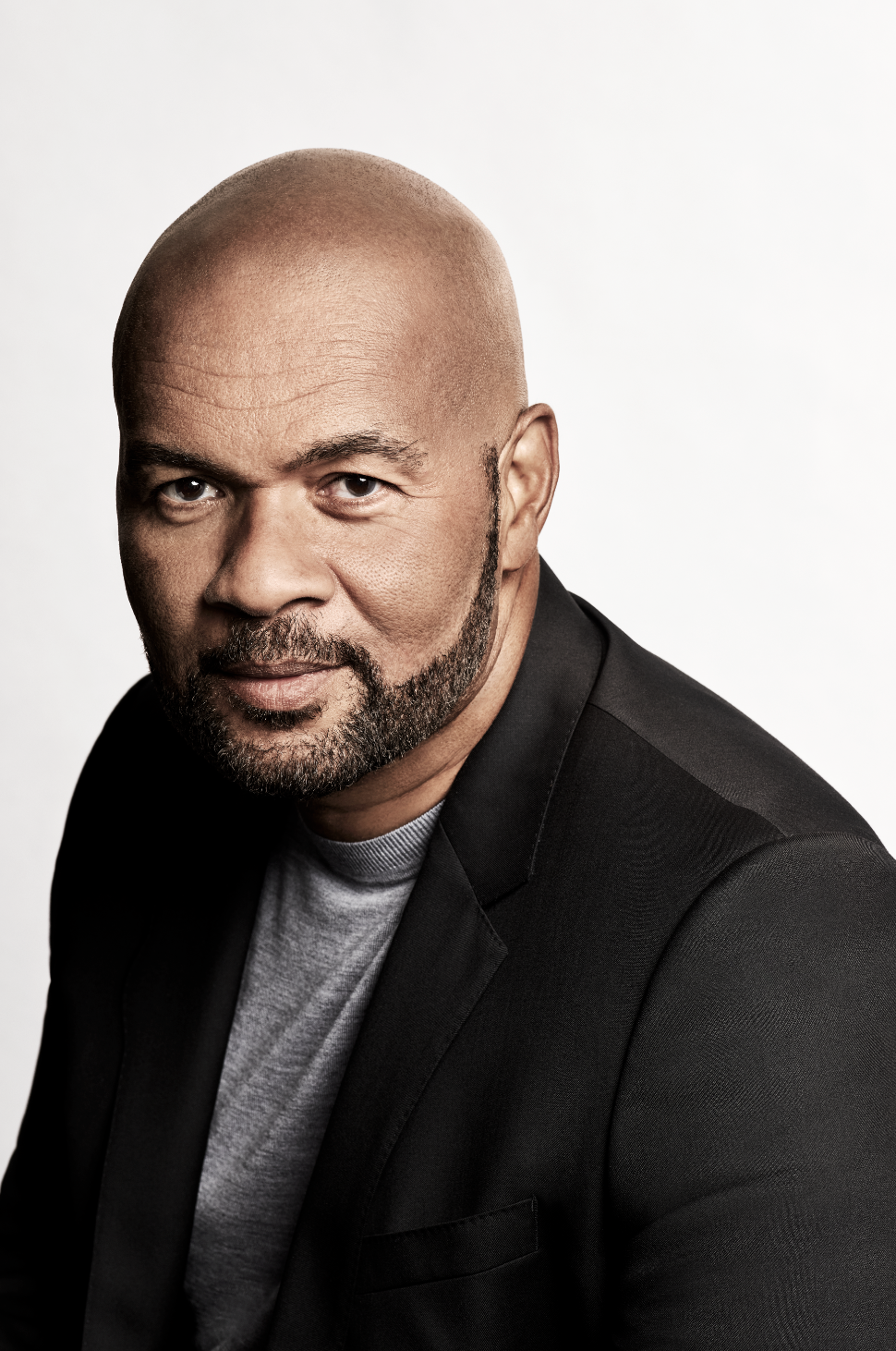
Jeff Clanagan
Jeff Clanagan is an award-winning producer and innovator in the entertainment industry. As President & Chief Distribution Officer of Hartbeat, Kevin Hart’s global, multi-platform media company, Clanagan steers the company’s strategic vision and multi-platform expansion. He leverages emerging technologies to deliver content directly to fans, meeting audiences wherever they are. As a pioneer of the home entertainment business, Clanagan oversees the LOL! Network, Hartbeat’s flagship consumer brand. Under his leadership, the network has become a dominant force in the attention economy, reaching millions through an expansive ecosystem of social, audio, and OTT partnerships, including Peacock, Tubi, Roku, PlutoTV, and Samsung TV Plus. Clanagan maintains a significant track record as a producer; his portfolio includes hit projects, including the Golden Globe-nominated “Kevin Hart: Acting My Age”, “The Roast of Tom Brady”, “Die Hart”, “Hart to Heart”, and “Kevin Hart: Zero Fcks Given”. Beyond the screen, his knack for experiential production has been behind top comedy tours like Nick Cannon’s Wild 'N Out Tour and Kevin Hart’s Reality Check.
The podcast is just the beginning. The weekly AI+HI Project newsletter features articles on AI trends that are redefining the future of work. Explore these must-read insights from the latest issue. Subscribe now to start turning AI+HI into maximum ROI.
News + Insights
Episode Transcript
This transcript has been generated by AI and may contain slight discrepancies from the audio or video recording.
General Assembly: [00:00:00] This episode is sponsored by General Assembly. General Assembly found that 93% of leaders encourage AI use, but fewer than a third apply it strategically. Visit ga.co/ai for leaders to close that gap and build AI-first teams at scale
Alex: From boardrooms and writers' rooms to product teams and creative studios, professionals are facing a new workplace reality, the rise of AI. It's fast, literal, and relentless, but it's not a creative genius. When treated like a decision-maker, AI can cause headaches. When treated like an assistant, it can accelerate research, ideation, and iteration in ways humans alone could never match.
Alex: As AI becomes an everyday tool in creative and [00:01:00] professional work, a critical question emerges: how can teams use AI effectively without losing control, compromising quality, or letting technology replace human judgment and voice? Our guest is Jeff Clanagan, President and Chief Distribution Officer of HartBeat, which he co-founded with comedian Kevin Hart.
Alex: Jeff helps teams harness AI as a powerful assistant while keeping humans in the driver's seat. Together, we'll explore how AI can handle busywork, speed up i- ideation, and support creative workflows while still requiring supervision, feedback, and boundaries. Jeff, welcome to the AI+HI Project.
Jeff: Thanks for having me.
Alex: We've got a fascinating conversation ahead right after this brief message
SHRM: This is your last call. The early bird deadline for [00:02:00] SHRM Blueprint for IND is August 28th, and after that, you pay more for the same strategic advantage. Blueprint, part of All Things Work 2026, is built for leaders who deliver defensible decisions, not good intentions.
SHRM: The window closes August 28th. Register now at shrm.org/blueprint26-earlybird. That's shrm.org/blueprint26-earlybird.
Alex: So Jeff, I actually have an interesting question for you, something that I kinda wanna- Okay ... dive a little bit into, right? Mm-hmm. Clearly, y- y- Heartbeat is a fascinating kind of business case, and obviously- Mm ... it, it is critical when you think about the entertainment industry in particular and what it is that humans are doing to leverage AI in that space.
Alex: What was the origin story? How did you end up, uh, with Heartbeat and co-founding it?
Jeff: Well, I've been working with Kevin for 15 years, so I was up in the early, early days working with [00:03:00] Kevin when he was a comedian in a club, so that relationship just kinda over the years grew and grew until we decided to form the company.
Alex: Okay. And, uh, so I, I guess one of the things that strikes me is what are you seeing as far as just general trends around AI and how people are using it? What is your, your sort of, uh-- What do you see out there when you think about trends that you're seeing amongst your client base? W-
Jeff: Well, I think, you know, I'm looking to speak from the entertainment-
Alex: Sure
Jeff: industry perspective 'cause that's where, where I'm really- Mm-hmm ... um, in from a day-to-day standpoint.
Alex: Mm-hmm.
Jeff: You're seeing a lot of creators get access to the tools, so that's the one thing is in-- with any technology, anybody can access the tools. Mm-hmm. So in using the tools, I mean, what it's gonna come down to is who can tell good stories.
Jeff: And a lot-- Most people can't tell good stories, right? Mm-hmm. 'Cause they're just creators, they're just prompting, and they're prompting these 30-second scenes or these 60-second scenes, but that doesn't amount to even a short film. Mm-hmm. So the trend we're seeing is a, [00:04:00] a lot of on, on social media, just a lot is getting flooded with AI, AI, AI.
Alex: Mm-hmm.
Jeff: And what you're gonna see rise to the top is it's gonna go back to storytelling.
Alex: Mm-hmm.
Jeff: That's really what's gonna, you know, to g- rise to the top is, is good stories.
Alex: You know, it's fascinating 'cause one of the things that I'm seeing just as a- Mm-hmm ... sort of a, uh, you know, a occasional economist, right?
Alex: Mm-hmm. My role at SHRM is one where I get to play the lead researcher. Yeah. I'm sort of the guy who's- Mm-hmm ... involved in leading our research function, and what we're seeing is a variety of different trends where you, you have a lot of people returning to the workforce after having retired- Mm-hmm ... and when-- and especially in the tech sector.
Alex: And one of the things that we see in particular is a trend where you, you're starting to see people hire specifically for age, but also for writing capability- Yes ... for storytelling, for being able to communicate in ways like that- Mm-hmm ... really to train, uh, LLMs in particular.
Jeff: Exactly.
Alex: Yeah. Exactly. So I, I wanted to ask you 'cause I, you-- [00:05:00] it's fascinating.
Alex: You talk about harnessing- Mm-hmm ... AI. You talk about really making it a powerful assistant.
Jeff: Mm-hmm.
Alex: What are the types of things that you're seeing? What are the types of tools where you see people having success actually doing that?
Jeff: Well, the thing about it is what's challenging is there's new tools coming out every week.
Jeff: Every minute,
Alex: right?
Jeff: Yeah. Every minute there's, like, new tools, so for I, I'll speak from my perspective. Um, I currently use three tools.
Alex: Mm-hmm.
Jeff: Obviously Chat, which is, like, uh, c- I, I relate Chat to the back, the AL and the back- Yeah ... when internet came out, it was AL. Chat's- Yeah ... your AL, right? Yeah. So it's Chat, Claude, Perplexity.
Alex: Mm-hmm.
Jeff: Um, I was using, um... Like beautiful AI, Grava for, for deck making, right? But now you can do that in Cloud now, right? Mm-hmm. You can integrate the tools. So there's certain tools, but I think, you know, I've worked with a lot of creators, so I have about, I have about 20 creators that I work with that are, and they're around the world-
SHRM: [00:06:00] Mm-hmm
Jeff: that are creating content for me. But they all use different tools. So whether it's Kling, whether it's, you know, the new stuff, is they everybody us- the creators all use different tools. So you know- Yeah ... it's not, there's not, I don't think there's one lane in terms of who's using what.
SHRM: Mm-hmm.
Jeff: Um, but for me, from the business standpoint, I'm using, like, just three sets of tools.
Jeff: What I like, I like, what I like to do is master tools. I don't wanna have 10 tools in my, in my- Sure ... in my toolbox, right? Yeah. Uh, what I can get out, what I need to get out of, out of the three. Yeah. But I just see a lot of trends where, you know, um, that are happening with new platforms coming up and new tools that are coming out.
Jeff: So at some point, I probably will add to the tools, but I think there's no, right now it's the Wild Wild West. Yeah. Everybody's just using different tools for different, different applications.
Alex: Do you see success cases where you're, you're seeing yourself do things a- successfully as using it as an assistant?
Jeff: Yeah. I have gotten to the point-- So one of the things, so I'll kind of get to the one thing. I'm in, you know, obviously being in the entertainment [00:07:00] business- Mm-hmm ... I do not use any generative AI tools.
SHRM: Mm-hmm.
Jeff: The reason I don't, because I'd be sitting there on the computer for just days and hours is I, I actually, um, we were doing a social post last week, and I was on Eleven Labs- Mm-hmm
Jeff: and I actually created a score, but I'm looking up, and I'm two and a half hours sitting on Eleven Labs, so I said, "I can't do that no more." Yeah. Like, like that- That, that, that's a lot of time.
Alex: That's a lot
Jeff: of research. Yeah ... it's like because you wanna get the right score. Yeah. So the stuff that I'm using is, for me, I've now been able to Be the CEO, be the CFO, be head of business legal, operating in all these areas that I, uh, normally would operate in, but usually I have people doing it or take a lot of time.
Jeff: So I'm at least so if, so if a deal comes in, I can, I can respond with my notes immediately.
SHRM: Mm.
Jeff: Um, what I think one of the things that, um, has really helped out on the business case side is so we have digital distribution. Our digital distribution is on YouTube, it's on connected TV, so it's a Samsung, Roku, et cetera.[00:08:00]
Alex: Mm-hmm.
Jeff: None of those platforms have the same reporting structure. It's all fragmented, so everybody, everybody sends in their own... They're kind of different- Sure ... um, than each other. Like with Roku, you get a spreadsheet with 30 columns across the top, 30 down, a Excel sheet. Normally, I would send that to my CFO- Mm-hmm
Jeff: or send it to the financial research team. It's gonna take them a week or two to combine our information.
Alex: Sure.
Jeff: I'm getting the information turned around in 30 minutes- Mm-hmm ... with a full analysis based on all the platforms, what the trends are. So that's, that's where, for me, is ex- is the tools are accelerating because I'm able to operate at a much more efficient speed.
Jeff: Yeah. Especially when it comes to data information and things like that, and making decisions.
Alex: It is fascinating. I- as somebody who has a team of researchers on my own- Mm-hmm ... uh, kind of capability or function or my remit, I do see that as actually something that helps accelerate a lot of what we do. It does.
Alex: Um, you know, we survey close to 33,000 working Americans every week.
SHRM: Mm-hmm.
Alex: Uh, we also survey close to [00:09:00] 15,000 HR professionals every day.
SHRM: Mm-hmm.
Alex: Mm-hmm. Uh, so business leaders, right? And, and I laugh because- Mm ... it used to take us a week and then a week and a half to do- It did ... the reviews of those dang surveys and creating them, and today we can actually get pretty darn close-
Jeff: Yes
Alex: with, y- you know, using chat, not to replace it, right? Yeah. But to, to say, "This is gonna help accelerate what we do," right?
Jeff: Ex- exactly.
Alex: So, and then on our back end, we actually see the, the analytics and the work actually happening a lot faster too.
Jeff: That's right.
Alex: Right? That's right.
General Assembly: The clock is ticking. Early bird pricing on the SHRM Certified Professional and SHRM Senior Certified Professional certification ends August 31st.
General Assembly: Register now and use promo code SUMMER26 to save an additional 25%. This is your moment to stand out, prove your expertise, and take the next big step in HR. Don't wait until it's too late. Head to shrm.org/certification and lock in your savings today.
Alex: So let me ask this question, right? 'Cause you, you probably work with a ton of teams and a [00:10:00] ton of leaders.
Alex: Mm. What do you see, uh, e- especially in the creative space, right, and the, and in the entertainment industry, like what you're seeing. Obviously, we've known for years that, uh, part of the, the rights that are being protected are- Mm ... this notion of creative, uh, voice and what it is that both actors, screenwriters, you know, performers- Mm
Alex: all get a chance to really protect as part of the different, uh, kinda labor union, uh, agreements, right? One of the things that strikes me, though, is how do you inform leaders not to confuse AI and what it produces with creativity or with true inspiration? Mm. How do you, how do you do that?
Jeff: Well, the thing is, you know, part of the, the communication education process is what you see happening is that, you know, for example, um, was it CDAN just put out their platform, and we got Tom Cruise and Brad Pitt fighting, right?
Jeff: Mm-hmm. Well, that was intentional on their part. They know that Hollywood's gonna come at them, and you- Yeah ... gotta pull it back, but it was a great marketing hook 'cause it got everybody looking at it. There's a conversation on social media. Yeah. And what happens [00:11:00] is What I would call Hollywood creators who come from traditional Hollywood understand IP and infringement.
Jeff: Mm-hmm. So they're not going to intentionally infringe. But what happens is with any tool, depending on whose hands it is, then you get people out there using the tools who intentionally, okay, make this, make this short look like The Matrix. Yeah. Well, that means you're pulling off The Matrix IP.
SHRM: Mm.
Jeff: So that's part of the conversation.
Jeff: That's part of what studios are, um, betting is now obviously Disney made a big bet by just going and integrating short, say, "Hey, you can use our characters." Mm. That was a calculated bet on their part to, um, generate new user, um, generated content based off of their- Yeah ... IP characters, which is, I think was a smart move.
Jeff: Yeah. But what happens is that for, like, for creators that, that I deal with when we're generating content, we have rules and guidelines in terms of what they can do and not do. Like, so I, I need to see their prompts, what you're putting in, where you're drafting from, and we need to really be original with the stories.
SHRM: Mm.
Jeff: [00:12:00] Um, I do think that Hollywood, um, is gonna keep that pressure on everybody- Yeah ... in terms of protecting the IP, which, which ri- rightfully should.
SHRM: Sure.
Jeff: But you're still gonna have people rogue, people out there just like what happened with C- dance when they just-
Alex: Yeah ...
Jeff: threw that out there, right? But that, that wasn't, that was nothing more than a marketing stunt.
Alex: Yeah. '
Jeff: Cause they know they're not gonna be able to keep-
Alex: Yeah ...
Jeff: keep doing that.
Alex: You're just not gonna be able to keep that going.
Jeff: Yeah, not gonna
Alex: be able to keep- Eventually the technology's gonna advance to the point where- Exactly ... it becomes es- essential, right?
Jeff: Yeah.
Alex: Um, I, I sort of laugh 'cause I think about, like, Tom Clancy and all the work that they've done- Mm
Alex: right, in trying to protect rights and, and think about that, so- Mm ... you're, you're absolutely right. So, you know, as I think about some of the things that you've talked about, right? Mm. And obviously you've talked about this a lot here and there, and you, you work with so many different teams in the creative space.
Alex: Where is it that you actually... You, you sort of laugh to yourself. It's, it's funny because AI has responded to your prompts or to your work in a way that almost makes it a literal [00:13:00] assistant, like having a literal assistant. Mm-hmm. Which ones that learned so fast that it became kinda like your... an assistant you didn't predict?
Jeff: I'm now big Claude fan right now.
Alex: Yeah.
Jeff: As in, they're, they're doing a big push. But the Claude tools are incredible, especially with, you know, the co-work and being able to create the agents.
Alex: Mm-hmm.
Jeff: And the agents are, it, it's... They, they are your assistants. Like having 10 virtual assistants. Yeah. They, they have different expertise.
Jeff: So I have a legal, a legal agent, I have a finance agent- Mm-hmm ... I have a M&A agent, I have a strategy agent.
Alex: Mm-hmm.
Jeff: And I really have, um, programmed it to the way that I think. So the, it's, it's mind-blowing what you're getting out of it.
Alex: Mm. So, you know, one of the things that we see, obviously everybody talks about this notion of- Mm
Alex: AI replacing humans in some way, shape, or form, right? Whether it's a part of what human judgment brings- Mm ... or it's humans in general, right? Mm-hmm. We see, for instance, automation being- Yeah ... the, [00:14:00] the key thing that's sort of bringing back t- uh- Mm ... you know, a lot of the manufacturing space. It's bringing back...
Alex: Or, you know, even in- Mm ... in tech, for instance, right? Mm. We see that the number one job that's actually being displaced right now is, is programmers and coders, right? Yes. By the tools that they've created. Exactly. Which is ironic, right? Mm. Uh, one of the things that strikes me is we see people having that fear, but in reality, we're sort of in an era where that's actually not coming to fruition.
Alex: While there is-
SHRM: Mm ...
Alex: uh, you know, uh, uh, certainly displacement happening, it's not... Our own research points to the fact that we're seeing basically, rather than these 25 million jobs that are likely to be displaced- Mm ... over the next f- 10 years, you're really seeing about 9 million of them- Yeah. Yeah ... based upon things that are limitations- Mm
Alex: that come from either a client, come from- Mm ... you know, client has a preference, they have some sort of, uh, regulatory reason for not doing that- Yeah ... or candidly, it's just too expensive, right? Mm. So you're not getting the efficiency that you would [00:15:00] expect. Mm-hmm. One of the things that strikes me is, um, in the creative space, you talk about that creativity, you talk about- Mm.
Alex: Mm ... uh, the work that you're, you, you see, right? And it seems to me, do you think of the creative space as a, a place where client preference is still to have the human in the loop, right? Mm. 'Cause I think about this, like I get on an airplane, right? Mm. You travel, I'm sure. Uh, a- and I get on an airplane, and when I look to the left, when I board that airplane, I wanna see a human.
Alex: Yeah. Right? I wanna see the pilot in the cockpit. Yeah. Even though we've had the technology to- Exactly ... to fly airplanes for- We've got a
SHRM: drone
Alex: Yeah, with a drone forever, right? Yeah. That- And so, like for you- Yeah ... do you think that there's ever gonna be... I mean, we talked about it a little bit, but it'll eventually become part of the process, but do you think that in the creative space, we just have this preference for performers?
Alex: For human performers?
Jeff: Yeah. I, I mean, I think... I don't think a, a machine is ever gonna replace human creativity- Mm ... because at the end of the day, a machine is based off data [00:16:00] points, it's programming. Mm. But the, the creative analysis is still It doesn't have a brain where it could just create something.
Jeff: It's just taking data points off- Mm-hmm ... of what's been programmed. Um, I think as long as creators learn that... And, and I go, I'm gonna go back to one thing you said about- Yeah ... um, also jobs too, is that y- yeah, less, you might lose nine million jobs, but there might be eight million jobs that are created.
Jeff: Yeah. New jobs that are created. So that's, that's the thing. You always have that when an industry is disrupted. Yeah. I mean, you have, you know, you have disruption, you lose jobs, but then new jobs are created 'cause there's new jobs. Yeah. Um, you know, like what I tell my team, so I'll just kinda give you a case in point.
Jeff: You know, I have a couple graphic designers that work in-house full time. They're g- great, very creative. But It got to a point because... And they were, they were resisting the AIs- Mm-hmm ... 'cause I have a kind of le- the legacy thingers, and this is what kind of woke everybody up. It got to a [00:17:00] point I was creating a deck just as good as them.
Jeff: Mm-hmm. And that's when I said, "If I can create a deck as good as you, better, you guys aren't gonna have a job." Yeah. 'Cause I'm not a graphic designer.
Alex: Yeah.
Jeff: But if I can do that-
Alex: Mm-hmm ...
Jeff: you're gonna have a problem. So they, they've quickly figured it out .
Alex: Yeah.
Jeff: You got it. Because, but the tools in your hands, because you're creative or you, yous- it's 10X what I can do.
Alex: Mm-hmm.
Jeff: So that's what people have to understand is they, the, you, you're gonna always need a human-
Alex: Yeah ...
Jeff: to kinda work the tools to get what, you know, get really creative out of it.
Alex: How do you protect against the loss of a person's voice, their creative voice, right? 'Cause I... The, my thing is, and I, I worry about when thinking about, uh, for instance, in creative teams, I worry about this notion of AI with the kind of humans losing that voice, right?
Alex: Mm-hmm. In some way, shape, or form. Now, a good human, a great prompter's gonna get it to the point where it's gonna, it's gonna capture your voice- It, it, yeah ... more than anything else, right? But I, I, I'd love to hear your thoughts on [00:18:00] that. How do you... What do you advise those teams that you lead ar- around that?
Jeff: I mean, you have to, one, whatever your job is, know your job and be good at your job.
Alex: Mm-hmm.
Jeff: Like, as much as people tout AI and how smart it is and what it can put out, from my perspective, AI's never gonna be smarter than me- Mm ... 'cause it's not human, right? It can spit out all this research and data, but to make the, what, the dec- critical decision based on data, human has to do that.
Jeff: Yeah. AI can advise, so I always just push my teams to just know, be s- you gotta know your jobs, right? Yeah. If you're a good designer, you have to be great at design. If you're great at your jobs, AI won't replace your voice. The other thing with AI too is that if you're not good at what you're doing and you're using AI, then you don't know how to fi- figure out when it's hallucinating.
SHRM: Mm-hmm.
Jeff: That's the other thing. Just 'cause it spits something out don't mean it's right. Yeah. You have to be able to go through it, "That's not right. That's not right"-
SHRM: Mm-hmm ...
Jeff: and fix it. A [00:19:00] lot of people are just trying to prompt a, "Give me this report. Give me this," and then they're doing a shortcut, and then stuff is wrong.
Jeff: Yeah. Right? So that's the thing. A lot of hallucination. Yeah, lots of... Yeah, 'cause they're, they're not un- they're not knowing. You still, you still have to do the work.
Alex: Mm-hmm.
Jeff: The AI will just help accelerate what you're doing and give you more context, right? So if I was working on a strategy Back in the day, I gotta sit there and Google to get, pull in information and go do all this research.
Jeff: Well, now I can have AI do the research in five minutes.
Alex: Yeah.
Jeff: And then I can use that research to formulate the strategy that I already had in my head.
Alex: Yeah.
Jeff: The AI didn't give me the strategy. It just did the research for me.
Alex: Yeah. It's, it's like you're living in my ChatGPT- Yeah ... history. I gotta be honest.
Alex: I, those are- Yeah ... like five of the six things that I've done in the last week.
Jeff: This
Alex: is- Is, and I- you're absolutely right. I came with a strategy. I came with the ideas. Uh-huh. I came with some of the data, but it gave me background. It did more research- Mm ... on it, and then it said, "Here's where I think we should pivot.
Alex: This is what we should do, and- Ex- ... this is how you need to go." Exactly. I use it to poke holes, [00:20:00] right? I, I- Yeah, poke holes ... I use my, my, uh, my GPT to poke holes. Mm-hmm. Although I created another... So I'm gonna get myself in trouble here a little bit, but it was... Actually, I'm not gonna get in trouble. It was on CNN.
Alex: But I cloned my boss. I created a GPT that was my boss's voice. He did? Right. I threw a bunch of his communications in there- Mm ... and said, "You know, help me think the way that he does," 'cause it made me advance my iteration. It ha- Exactly ... it, it made me advance my ideation and see what he was seeing- Mm ... to some degree.
Alex: It's not 100% accurate. It's not even- Mm ... 80% accurate, but 75 is
Jeff: really good. Is, is, uh- Right ... and you're using, you said you went through term- used the terminal?
Alex: Oh, I used the-- I created my own GPT within- Yeah, you created a GPT. Yeah, yeah, yeah.
Jeff: That makes
Alex: sense. That makes sense. Through our corporate. We have a corporate one- Exactly
Alex: so we're a little bit further protected, but it was- Yeah ... it was fascinating to watch, right? Do you find that it helps you with ideation or that, that it helps in iteration of different concepts?
Jeff: Yeah, exactly, 'cause you, you'll come up with the idea, and then, okay, here's- Three or four different ways to look at it Mm And then you say, "Okay, I like that.
Jeff: Let me put this together." Yeah, so it, it, it does... That's the [00:21:00] thing. If you have the idea, it can help you with the ideation around it
Alex: Mm. Do you ever find it poking holes in anything that you come up with? Like, does it over- overstep the line a little bit?
Jeff: Well, yeah, 'cause I have mine programmed to challenge everything I say.
Alex: Okay.
Jeff: So in my, in my profile, it's programmed to, you know... So that, and that's where you get a, you get over that. It is programmed to challenge me and it's programmed to ask questions. Mm. So no matter what I say, I don't want you to s- just agree to what I say.
Alex: Yeah.
Jeff: So I, I, I want it challenging me all the time.
Alex: Hmm. So I got a, a weird kind of question for you. Maybe it's a little weird, right? But you- Okay ... you talked a little bit about, and, and in the premise in our background work that we, we saw, you talk a lot about turning it into an assistant, right? Mm. And specifically, kind of supervising, playing the role of supervisor of AI.
Alex: E- even in your answer, right? Yeah. You highlighted that you're, y- you're sort of CFO. You've got a- Yeah ... an assistant who's, uh, your CFO, your CTO, uh, your- Mm ... creative officer to some degree. What is it that you find particularly critical when [00:22:00] supervising all these various forms of AI?
Jeff: Well, the interesting thing is, I think in those roles...
Jeff: 'Cause I actually have a CFO and I have business people- Yeah ... right? But what I'm trying to do is if I'm thinking about something or I wanna, I wanna model something out, let's say a financial model, right?
Alex: Mm-hmm.
Jeff: Versus having to go to my CFO or go to finance and then wait a few days and then blah. I can model on my own, and then I can send it to them.
Alex: Yeah. "
Jeff: Pressure test this," right? But I've already done all the base, all the base work on the modeling.
Alex: Yeah.
Jeff: So it, it actually doesn't take me a lot of time, because I kinda know what I'm looking for, what I'm gonna do, so I'm able to, as long as I put the right things in there, I can spit out- Mm ... what I need in a, in a quick manner.
Jeff: And I can jump from financial modeling to, okay, we have this contract in here, um, and okay, I need to now send this, or I need, I need some... I need a r- I need to write- Like an attorney-
Alex: Mm-hmm ...
Jeff: encountering that and it push, push notes back to the other attorney, [00:23:00] then I can just send my notes. Sometimes I just...
Jeff: I mean, yesterday I just sent the notes back to the attorney- Yeah ... without even going through my attorney, right? 'Cause it was so, so detailed. So it's those kind of things, it, it facilitates from a time standpoint, it just reduces my time having to go through a bunch of minutiae stuff- Mm-hmm ... like that in deals.
Jeff: 'Cause I, I move, like, you know, I'm entrepreneur, so I like to move very quickly on stuff. I can't be waiting days and weeks and stuff- Yeah ... like that. But it helps, it does help with the process-
Alex: Mm-hmm ...
Jeff: um, to have the legal finance. Um, we're doing a joint venture with somebody. Well, what are the ways in a joint venture that we can maximize both, use each other capabilities and then pro- you know?
Jeff: Yeah. So those are the things that kind of think through. Then and it just gives you the, like, great ideas.
Alex: I love that. Um, do you find that it also shortens your feedback loops in many ways between humans and the AI? 'Cause I, I find for instance, right, one of the things that I, I think is particularly powerful is it, it can review things for me, and really- Mm
Alex: to your point, kind of create new [00:24:00] options, new- Yeah ... ways of thinking. Joint venture is an example, right? In years past, it, it took me, I don't know about you, but it took a couple weeks for, to get a CFO to respond to me and pressure tested. That, that's right. Yeah. Right? Same thing with a, an, a legal counsel, right?
Alex: Mm-hmm. And you get all these different kind of things, but now I can accelerate their work.
Jeff: Yes.
Alex: And all they're doing is actually providing me with feedback- That's, that's right ... which is sort of interesting.
Jeff: That, that's, that's exact- That's kind of... I'm gonna put this on in right now.
Alex: I love that. I love that.
Jeff: I mean, it's, it's... I give, you know, I'll give you an example. Um, we had a script that we had set up at Netflix like three years prior, right?
Alex: Mm-hmm.
Jeff: We kinda had forgot about it, and then we had another project that came in. It was... it, on the surface it looked like it was similar. So we brought the new project, did a option on it- And sent it over to Netflix and said, "Hey, this is, this is in conflict with the original script that we have a deal for."
Jeff: I'm like... But I had read both scripts. I didn't know they were not.
Alex: Mm-hmm.
Jeff: So my attorney needed to do an analysis on it, right? Which we had to do sc- they needed to send out a script cover letter. In 10 minutes, I had the scripts broken down to show [00:25:00] that they weren't similar and why. Gave it back to my attorney like literally in 10 minutes.
Alex: 10
Jeff: minutes. 'Cause I was able... I put both scripts in there.
Alex: Yeah.
Jeff: Did a whole analysis on it, why there's no similarity, there's no crossover in the story, like these are the similar- and gave her a full report, sent it, and they sent it back to Netflix.
Alex: Hmm. How'd they respond? How did it work out?
Jeff: They agreed.
Alex: They agreed?
Jeff: Yeah. Yeah, they were. 'Cause I, 'cause I detailed out why they weren't similar-
Alex: Yeah ...
Jeff: without having to have legal or somebody else go reread these scripts again.
Alex: Mm-hmm.
Jeff: And they, they agreed with it. Hmm.
Alex: So that's fascinating, 'cause it's almost like the AI was your s- your full-blown assistant.
Jeff: Th- that was the full- And- In that sit- see, that situation- Yeah
Jeff: the AI was a full-blo- it was a full-blown assistant and a script analysis- Mm-hmm ... to do a script analysis on the scripts. Yeah. So it, it had two roles in that situation.
Alex: Yeah. That's, that's fascinating. Uh, so I'm gonna ask you a question and say, uh, you know, give me your best advice here on this, right? The, the next set of questions is really about giving me some, some advice as if I'm an HR leader or I'm [00:26:00] somebody- Okay
Alex: who's- Mm-hmm ... who's doing work, a business leader who's trying to- Yeah ... figure these things out, right? When thinking specifically about like taste, judgment, uh, you know, making sure that it's got kind of, uh, uh, the right kind of just perspective on certain things, right? You don't want something to be, uh, obviously inappropriate is one thing, but just, you know, something to really- Mm-hmm
Alex: change or mar the, the judgment that's being used in your LLMs, what advice would you offer kinda leaders to ensure that doesn't happen, or even teams?
Jeff: Well, I mean, it's, it's how they program their per- their persona and- Mm-hmm ... and their, and their profile. It's what they put in there. Um, you know, are you gonna be tactful?
Jeff: Are you gonna be professional? What's the tone? Mm-hmm. So it's, you have to put all those attributes, you have to put all those attributes in to kind of what will then dictate kinda your response, the tone of it.
Alex: Yeah.
Jeff: Right. So like for example, if I'm writing back something, especially in a business negotiation, I can write kinda very...
Jeff: Well, I would say people say I'm very [00:27:00] aggressive, right?
Alex: Mm-hmm.
Jeff: So my tone is like, uh, take what I just wrote, tone it down a little bit right? So it's not aggressive. Yeah. But it's, so it's, it's what you, it's what you put in, in your persona.
Alex: Yeah. So I'm gonna ask you another question. Okay. This is a little bit of a curve ball, right?
Alex: Yeah. And this is me fanning out, right? I'm gonna be a fan for a minute. Yeah. So just outta curiosity, does Kevin, do you and Kevin ever use AI to come up with better prank ideas for Celebrity Prank Wars against Nick Cannon?
Jeff: You know what? When we shot Prank Wars, it wasn't, the AI wasn't running. If we were, if we shoot another season, I might.
Jeff: And a matter of fact, it's funny you say that 'cause we, we are working on some comedy stuff. We're using AI to kind of vet out some ideas. Yeah. But if we were, if we were shooting next, like right now-
Alex: Yeah ...
Jeff: we'd probably pull... We'd probably use AI to help us with some prank ideas.
Alex: I love that, and it, I'll tell you what, I, I- Mm
Alex: I'm a big follower, right? I, I... The Celebrity Prank- Yeah ... Group Prank Wars was something- Yeah ... I enjoyed. I also love Wild [00:28:00] 'n Out.
Jeff: Yeah,
Alex: man. And Nick's show, right? And Wat- I've seen Kevin on it a couple times. Yeah, exactly. I know Kevin's been on it. But I, I have to be honest. It is, it is a true joy when I watch one of them beat the other one, right?
Alex: So I hope that you guys use the AI as much as possible to- Yeah ... to do that.
Jeff: Yeah. Yeah, I think, I think like in the situation, um, it's, um, like we... I can't say it 'cause we didn't announce it publicly, but so we're doing this, it's a big documentary on- Mm ... on sneaker culture and hip hop and how it's influenced- Yeah
Jeff: you know, ages, right? Um, and what happened was, um, we were up against a lot of big producers- Mm ... one of them being, um, producer, director did, uh, Michael Jordan's documentary, right? Yeah. 'Cause it's sports, right?
Alex: Yeah.
Jeff: We got it, but I, I built the concept, the research of it, used AI, like the... I d- I just put all the research in it and came up with the story angle.
Jeff: So I would say in that creative sense that that actually really [00:29:00] helped me angle the story. Now, that took, 'cause I have said my career, that was, that was version 23 till I got to a point where I kind of wanted the story 'cause I would go back and forth with it, change the story.
Alex: So-
Jeff: So I'm writing, I'm writing the concept back and forth with the AI.
Jeff: "No, that's, uh, uh, uh, uh, let's get this story." Yeah. "Pull from here." Yeah, you know. We did 23 versions, and then I had the story.
Alex: I love that. I gotta be honest. Yeah. There's so many things there that, that, that just tell me a lot about you- Yeah ... tell me a lot about that. Mm. But I love the irony- Yeah ... of you beating Michael Jordan's company.
Jeff: Yeah.
Alex: I love it, Jeff. Thank you so much for- Okay ... being with us here today. Okay. I really appreciate you making time for us.
Jeff: Okay, appreciate it. Thanks for having me.
SHRM: Thank you. Did you know our podcast is only one part of the AI+HI project? We also host an annual event featuring visionaries from the worlds of business, tech, and HR.
SHRM: Plus, we publish a weekly newsletter that includes topical articles [00:30:00] and the latest research from SHRM, all to help you stay ahead of the trends. To sign up, just make your way to shrm.org/aihi. And you can also follow SHRM on social media for even more clips and stories. Like, share, and tell us how you're innovating towards a brighter future
General Assembly: This episode is sponsored by General Assembly.
General Assembly: General Assembly surveyed VP plus leaders and found 93% encourage AI use, but fewer than a third apply it to real strategic work, like scenario planning or financial modeling. AI for Leaders from General Assembly and Ezra pairs hands-on training with one-on-one executive coaching. Visit ga.co/aiforleaders to get your leadership trained and coached on AI
Jeff: SHRM
Feature Story

Market-driven pay models can undervalue essential skills and widen pay gaps. Find out how HR professionals can create fairer compensation systems.
Enjoy on Your Favorite App
More AI Headlines from SHRM

Artificial intelligence is a tool that is driving greater productivity, but if overused, can lead to increased errors that make work challenging for managers.
Jeff Clanagan, president & chief distribution officer of Kevin Hart’s multimedia platform, HartBeat, reveals how top teams harness AI to slash busywork and unlock new creative possibilities.

Rushing to adopt AI carries real risks. Learn why a strategic, fast-follower approach to AI governance delivers better results — and fewer costly mistakes.