- Video
- Audio Only
Coffee is more than just a beverage — it’s a cornerstone of workplace culture. Sandy Roberts, Starbucks’ director of cultural leadership, joins host Nicole Belyna, SHRM-SCP, to explore how coffee fosters connection, collaboration, and belonging in the workplace. Together, they discuss the power of small moments, the role of rituals in building authentic relationships, and how HR professionals can help employees fill their own cup.
Related to this Episode
2026 Global Workplace Culture Report
This research provides a nuanced understanding of organizational culture and identifies eight distinct culture types, highlighting the diversity and complexity of workplace cultures across regions, industries, and organizational sizes.
Real change starts with real talk. And every Friday, our Honest HR podcast is the top story in SHRM's HR Daily newsletter. Subscribe now so you never miss an episode! Plus, get daily breaking news, feature articles, the latest research, and more.
News + Insights
Inclusion, equity and diversity all relate to the actions an employer takes to help bring about a feeling of belonging for its employees.
A sample policy committing to fostering, cultivating and preserving a culture of inclusion & diversity.
Podcast Episode Guest
-
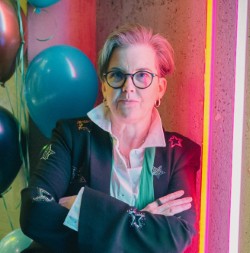
Sandy Roberts
Sandy Roberts began her career in Human Resources at Citicorp Mortgage before leading major HR systems implementations at BMC Software, Enron, and Dynegy. In 2004, she stepped away from corporate life to focus on her health — and walked into her neighborhood Starbucks to apply as a barista. That decision reshaped her career. Over six years, she rose from barista to district manager before relocating to Seattle to join Starbucks headquarters.
Today, as Director of Cultural Leadership, Sandy builds believers: in Starbucks, in their own potential and in the possibilities ahead. Her work grounds leaders and partners in what it truly means to lead and belong at Starbucks. She also helps steward the Pike Place store — the spark that ignited the coffeehouse legacy — ensuring everyone from baristas to CEOs can experience the company’s roots, its evolution and where it’s headed next.
Episode Transcript
This transcript has been generated by AI and may contain slight discrepancies from the audio or video recording.
Nicole: Coffee is more than a beverage to keep you going throughout the day. It's a ritual, a moment to yourself in the morning. But could it also be a tool for HR to create collaboration, connection, and belonging in the workplace? Welcome to Honest HR, where we turn the real issues facing today's HR departments into honest conversations with actionable insights. I'm your host, Nicole Belyna. Let's get honest.
Today, we're exploring how something as simple as a coffee ritual can reveal powerful insights about engagement, retention, and company culture. We'll unpack how these rituals can strengthen collaboration and a sense of belonging, how HR leaders can learn from intentional moments of connection, and how these insights can improve employee performance.
For today's guest, coffee has never been just coffee. It's been a constant—from being a Starbucks customer four times a day to putting on the Green Apron to building her way up the ladder as a director of the company. We're so happy to welcome Sandy Roberts, Director of Cultural Leadership from Starbucks, to the show. Thanks for joining Honest HR, Sandy.
Sandy: Thank you for having me.
Nicole: So before we dive into today's conversation, I heard there's a tradition that Starbucks incorporates with every new hire called the First Sip. I understand it's a moment to pause and connect, and it feels like the perfect way to start this episode.
Sandy: I love it. I love it. And y'all have something in your cup, right?
Nicole: Absolutely.
Sandy: So, this is one of our rituals at Starbucks. Let's take a little smell. What do you smell?
Nicole: Oh, I smell something really rich, maybe a little chocolatey, a little nutty.
Sandy: A little cocoa, a little nutty. And it's okay if all you smell is coffee because we're all on a journey. Then we give it a big slurp, right? Spray the coffee over your palate and locate it on your tongue. Is it down the middle? On the sides? Do you get the aroma of cocoa and maybe a little flavor? It's a journey.
Nicole: To me, it's never-ending. It always opens up a new door to a new conversation.
Sandy: We call that the "mug hug."
Nicole: Perfect. Let’s dive right in. SHRM recently released the 2026 Global Workplace Culture Report, which surveyed over 27,000 workers across countries. It found that culture is shaped by strategy and values, not industry. Starbucks operates at a massive global scale. How do you intentionally design organizational-wide culture so that it resonates with staff across the globe?
Sandy: I think we’ve kept it really simple. It comes down to a cup of coffee and a conversation. That makes it approachable no matter where you are. I’ve had coffee in Rwanda, Sumatra, and Costa Rica. I remember having coffee with a partner in Costa Rica. She spoke Spanish, and I only speak English, but it didn’t matter. I could feel her passion and care for what she did. That started a lifelong friendship. When you keep it simple and put it in the hands of your partners, that’s when it comes to life. You can call it strategy or tactics, but it’s about your employees believing in it and actively participating.
Nicole: It’s almost like coffee is the universal language, right?
Sandy: Yes.
Nicole: What intentional rituals or practices has Starbucks implemented to create moments of connection among employees that HR teams could use?
Sandy: We surround a lot of things with coffee. It’s about creating moments where we can all gather, whether it’s a First Sip when a new partner joins Starbucks or starts a new role, or celebrating milestones over a cup of coffee. For example, I recently celebrated a partner’s 17-year anniversary with coffee. Recognition is also woven into our mission and values. It’s about making those values tangible and tying them to recognition programs.
Nicole: Culture is complicated. For instance, a company may institute a weekly coffee chat to promote connection, but introverted or neurodivergent team members may feel drained. Or a team leader may host a happy hour, but some employees don’t drink alcohol. How do you build a shared culture that makes everyone feel welcome?
Sandy: It comes down to knowing your people—what matters to them—and giving them permission to engage in ways that work for them. For example, during the pandemic, we all experienced camera fatigue. Forcing cameras on can make people feel insecure. It’s about creating space for everyone and knowing your team.
Nicole: How do you ensure that the same cultural rituals resonate for both retail and corporate teams?
Sandy: I straddle corporate and retail. I sit within partner resources, but I also have a store that reports to me. Coffee always matters, but it’s about connecting to a bigger purpose. Whether you’re in supply chain, real estate, legal, or technology, the coffee doesn’t get in the cup without you. Clarity of vision and priorities makes the culture feel authentic. While retail and corporate have unique characteristics, it’s about coming together over a cup of coffee.
Nicole: Are there any specific rituals or practices that were initially employee-driven rather than leadership-driven?
Sandy: Yes, our partner networks and the Cup Fund are great examples. The Cup Fund, which stands for Caring Unites Partners, was started by partners for partners. It provides grants during personal crises or emergencies. It’s a way for us to support each other, no matter where we are. Another example is our Green Apron cards. While the organization created the tool, it’s the partners who bring it to life by celebrating each other and their impact on customers.
Nicole: There’s a difference between meaningful recognition and symbolic gestures. For example, celebrating financial goals with a pizza party might not resonate with everyone. How do you ensure recognition is meaningful?
Sandy: It’s about understanding what your employees value. A one-size-fits-all approach doesn’t work. Recognition has to matter to the person being recognized, or it becomes performative.
Nicole: What’s the hardest truth about fostering belonging that most companies are afraid to admit?
Sandy: Every moment matters. It’s not a one-and-done effort. You have to show up consistently and admit when you miss the mark. Culture comes down to individual leaders and how they live the mission and values. If leaders don’t embody it, it doesn’t matter how many pizza parties you throw.
Nicole: How do you address situations where employees feel a sense of belonging within their team but not the larger organization?
Sandy: When there’s resistance or lack of participation, it’s critical to understand the "why." It takes time to understand where people are coming from and help them see the bigger picture. Everyone has their own journey, and you can’t force them to believe the way you do. You have to let them find their way.
Nicole: What’s one coffee-related ritual or tradition from another culture that could inspire workplace connections?
Sandy: In Costa Rica, the afternoon coffee break is a true ritual. People step away from work to connect. There’s a tangible respect for coffee, and sharing it with someone else holds deep meaning. We should take more time to step away and connect without asking permission.
Nicole: What’s your go-to coffee order?
Sandy: First thing in the morning, it’s a triple short blonde ristretto Americano with one pump of brown sugar—or sugar cookie during the holidays. I probably drink five or six cups a day.
Nicole: Lastly, if HR were a special coffee drink, what would it be called, and what ingredients would it have?
Sandy: I have two answers. First, Pike Place Roast—it’s approachable, honors where we started, and dreams of the possibilities ahead. Second, House Blend—it was created as a welcome mat to invite others in. To me, HR is about creating a space where everyone can thrive and bring their authentic selves.
Nicole: I love that. Thank you so much for joining us today, Sandy.
Sandy: Of course. Thank you for having me. Enjoy the moments—culture is made of them.
Nicole: Absolutely. That’s one of the best parts about coming to work. That’s it for this week’s episode of Honest HR. Catch you next time!
Other: Hello, friends. We hope this week's episode gave you the candid tips and insights you need to keep growing and thriving in your career. Honest HR is part of HR Daily, the content series from SHRM that delivers a daily newsletter directly to your inbox filled with all the latest HR news and research. Sign up at SHRM dot org slash HR daily. Plus follow SHRM on social media for even more clips and stories like share and add to the comments because real change starts with real talk.
Feature Story

Discover seven steps for leaders to foster belonging through accessible workplace practices under which all employees can thrive.
Enjoy On Your Favorite App
More Feature Stories from HR Daily

A federal judge declined to block the president’s I&D restrictions on government contractors but clarified that the order does not prohibit lawful I&D programs.

Employers can rethink GLP-1 coverage, control benefits spending, and support workers’ financial choices, experts — including SHRM President and CEO Johnny C. Taylor, Jr., SHRM-SCP — explained.

Amid rising inflation, Social Security benefits are increasing 3.6% in 2027. HR can leverage the news to help workers with retirement planning and financial security.