
HR leaders are feeling recruiting pressure, and they’re not alone. Nearly 70% of organizations report struggling to fill roles. Rising consumer costs, global conflict, and visa restrictions are among the macroeconomic challenges impacting organizations globally.
At the SHRM Talent26 conference in Dallas, three HR executives shared their firsthand insights during The Talent Pressure Test session.
The Big-Picture Industry Challenges
According to Joy Rothschild, CHRO at Omni Hotels & Resorts, the hotel industry has been significantly impacted by the H-2B visa cap, as hotels rely heavily on foreign workers.
“We only got 180 of 1,000 workers we requested,” Rothschild said. “The minute this happened we realized we were in crisis. We sent J1 workers to close the gap by 480, but the problem is the policy.”
In the consumer industry, Keurig’s leaders found that consumers weren’t able to buy their Keurig pods in bulk due to rising prices.
“Top of mind is price sensitivity — the macroeconomic price at the grocery store is something we have to stay current on. …We changed the number of pods per box to make it more affordable,” said Mary Beth DeNooyer, CHRO at Keurig Dr Pepper.
One challenge the shipping industry is facing is supporting its workers during times of global conflict.
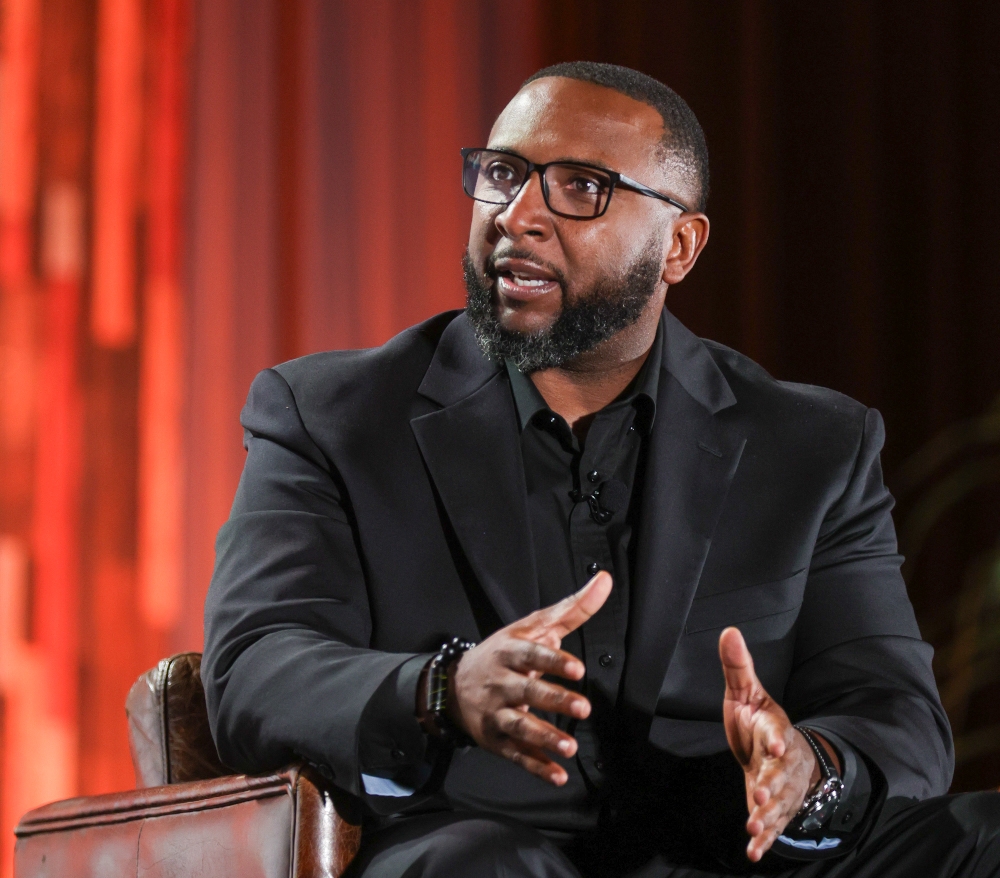
“We have a large continuum of employees who work throughout the UAE,” said Njsane Courtney, vice president of human resources at the American Bureau of Shipping. “We had to take care of moving some expats back to the United States.”
Talent Retention on a Micro, Company Level
When it comes to internal retention, some of the big challenges are lack of employee inclusion in change management and a lack of mentorship.
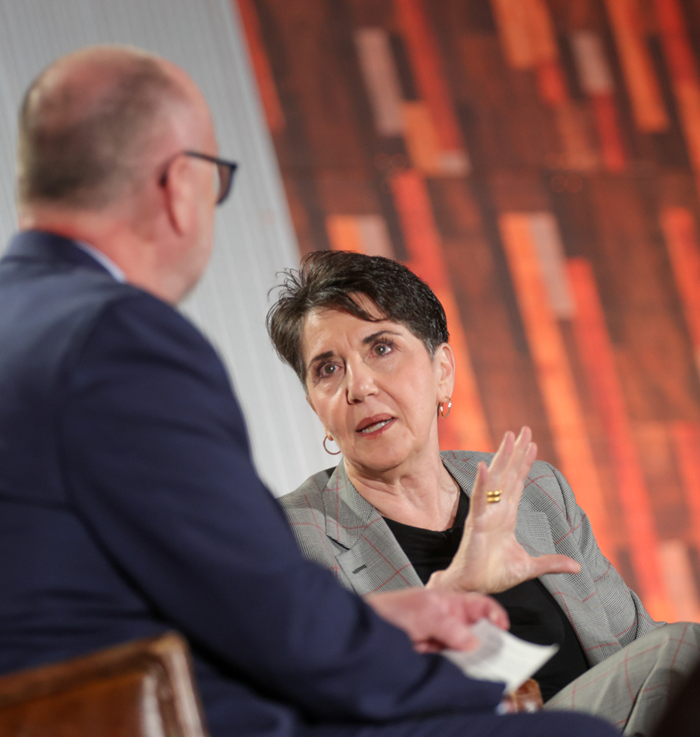 “If you don’t feel like you have an advocate looking out for you, that changes you. You always want to feel there is someone saying your name in rooms you’re not in,” Rothschild said.
Omni created an eight-month mentorship program called ASCEND in an effort to increase retention.
According to Rothschild, the company has seen a 92% retention rate for those that have gone through the program.
A big subject in change management is AI adoption and getting employees on board. While it may be tempting to jump full speed ahead, it’s best to include your employees on the journey first.
“At the end of the day, if you’re going to create something, slow down and figure out a plan to do it with your employees. Because if you do it the right way with your employees, they will help you maximize your investment in that,” Courtney said.
Another thing to be mindful of is whether employees are aware of mobility opportunities within your organization.
According to DeNooyer, one of the lowest rated questions on their annual employee engagement survey was to the statement: I have the opportunity to grow at Keurig Dr Pepper.
To combat this, her team launched a career hub in 2025 to create more knowledge around employee resources and availability of job openings. “In the last six months, our internal movement rate has improved significantly from what it was in the years before,” she said.
HR Leader Takeaways
“I was most impacted by the statement of working in a collaborative fashion, working through solutions in a ‘with us’ and ‘for you’ lens,” said session attendee James Lewis, chief of community engagement and belonging at Cole Schotz, a law firm.
To focus on retention, the law firm focuses on building up its employees. “We have a mentorship program so people can take ownership of their own careers but also be thoughtful around what skills they want to accumulate over the course of their careers as well,” Lewis said.
For talent leaders at design firm LPA, the big takeaway from the session was the importance of agility — specifically being open to pivoting your business model to adapt to what's happening in the world.
“Specifically hearing about how people were impacted by immigration laws or consumer cost and how they had to totally change the model of their company and the impact they had,” said Beth Russell, talent development manager for LPA in Dallas. “Really thinking differently about the impact we as HR have on a business and on the organization was a key moment for me.”
When it comes to employee retention, LPA focuses on creating moments of impact early on.
According to Russell, the company does a one-day session with interns and new grads in California where they have a chance to meet their c-suite and connect with employees five years into their career.
Additionally, the firm focuses on making career development paths clear in writing.
Bill Cook, talent development specialist at LPA shared that annual performance reviews are a big part of employee retention. “There are career conversations that take place so we can understand where people want to go and set goals along the way.”
Was this resource helpful?

Validate your HR expertise
Earning your SHRM-CP credential makes you a recognized expert and leader in the HR field.
Related Content

Transform HR with mobile technology to streamline workflows, enhance communication, and boost employee engagement across distributed teams.

A new study found that talent development practitioners believe performance-based assessments are more effective at measuring employee learning outcomes than knowledge tests.

As AI makes deeper inroads into organizations, employee concerns about the technology continue to grow. Here's how HR leaders can address the fear of AI among their own staff, as well as in the wider organization.