The Future of Work in MENA | From Workforce Management to Workforce Advantage
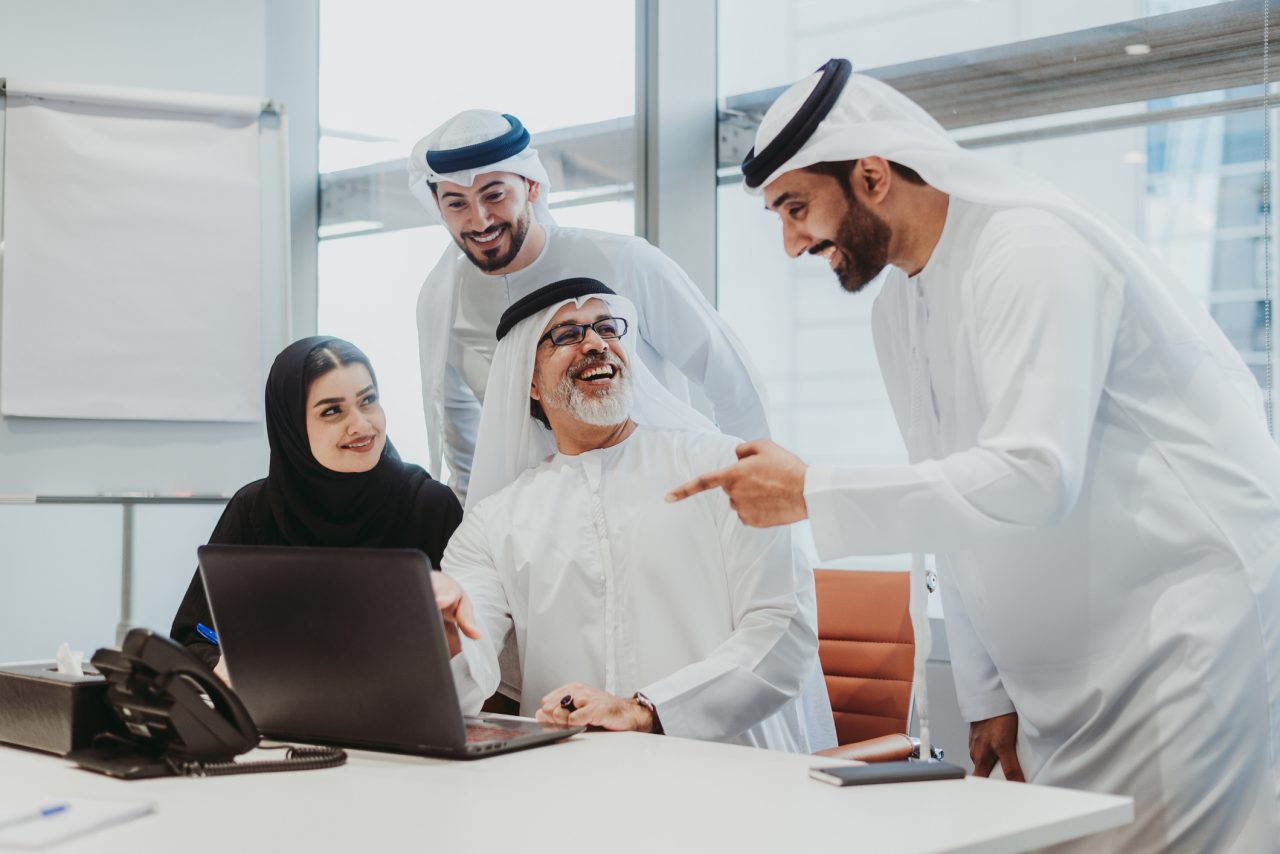
The future of work in MENA is no longer about reacting to global trends, it is about intentionally designing a workforce model that aligns technology, national priorities, and human potential for 2026 and beyond.
The region is moving decisively from traditional employment models to a more adaptive, skill-driven, and human-centric system of work. At the heart of this shift is a new operating logic: STAGILITY - the ability to balance institutional stability with rapid adaptability.
In a region shaped by ambitious national visions, demographic change, and rapid technology adoption, the future of work demands organizations that can scale, reskill, and reconfigure talent without losing trust, continuity, or purpose.
Work Becomes AI-Augmented, Not AI-Replaced
Work in MENA is becoming AI-native. Agentic AI systems are increasingly embedded in workflows, automating routine processes, orchestrating tasks, and supporting real-time decision making. This does not eliminate human roles; it elevates human contribution. As machines handle execution, human work shifts toward judgment, creativity, empathy, and leadership. The future belongs to organizations that design human-AI collaboration intentionally, not automation in isolation.
From Jobs to Skills: Redefining How Work Is Structured
The traditional job is losing relevance. In its place, skills, capabilities, and outcomes are becoming the core currency of work. Across MENA, organizations are moving toward skills-based workforce architectures to enable internal mobility, project-based deployment, and rapid reskilling. Micro-credentials, experiential learning, and AI-enabled talent matching are redefining how people grow, move, and contribute, unlocking hidden capacity within existing workforces.
Nationalization as a Future Workforce Strategy
National workforce initiatives are evolving beyond employment targets into long-term capability strategies. The future of work in MENA prioritizes meaningful participation of national talent through skill development, career progression, and leadership pipelines. Technology enables transparency and accountability, while human-centered design ensures that localization efforts build sustainable value for both individuals and institutions.
Hybrid Work as a Designed System, Not a Perk
Hybrid work in MENA is settling into an intentional model. Offices are being reimagined as collaboration hubs, while flexibility, autonomy, and outcome-based performance define how work happens. As regional hubs attract global talent and digital nomads, work becomes less about location and more about connection, contribution, and impact. Clear boundaries, including emerging norms around disconnection and well-being, are becoming essential to sustained productivity.
Employee Experience Becomes Economic Infrastructure
Experience is no longer a soft metric, it is a core driver of workforce performance. The future of work, places employee experience, well-being, and continuous feedback at the center of organizational design. AI enables personalization at scale, but trust, fairness, and inclusion determine whether these systems succeed. In MENA’s high-growth environments, healthy, engaged people are a strategic diffrentiator, not a cost.
A More Fluid and Blended Workforce
The future workforce in MENA is increasingly blended and on-demand, combining full-time employees, freelancers, contractors, and remote contributors. This flexibility enables speed and innovation, but it also demands stronger governance, clearer workforce segmentation, and redesigned people systems. Work becomes modular, adaptive, and aligned to business outcomes rather than employment categories.
Data, Trust, and Ethics as Foundations of Work
As work becomes more digital and data-driven, trust becomes the critical differentiator. Predictive analytics are shaping workforce planning and decision making, while stricter data protection and AI governance frameworks elevate ethics to the core of work design. In the future of work, how decisions are made matters as much as the decisions themselves.
Leadership in the Age of Human-AI Collaboration
Leadership is being redefined. Flatter structures, AI-enabled decision support, and faster cycles of change are increasing the value of human leadership capabilities—clarity, empathy, communication, and ethical judgment. The future of work requires leaders who can mobilize people through uncertainty, rather than manage through hierarchy.
The MENA Advantage
What distinguishes the future of work in MENA is intentionality. National vision, regulatory evolution, and digital ambition are converging to create a uniquely designed workforce model—one that integrates technology with human potential, flexibility with stability, and growth with responsibility.
The organizations that succeed will not just adopt global trends. They will architect work differently, placing skills over roles, trust over control, and people at the centre of progress.
Was this resource helpful?

Validate your HR expertise
Earning your SHRM-CP credential makes you a recognized expert and leader in the HR field.
Related Content

Transform HR with mobile technology to streamline workflows, enhance communication, and boost employee engagement across distributed teams.

A new study found that talent development practitioners believe performance-based assessments are more effective at measuring employee learning outcomes than knowledge tests.

As AI makes deeper inroads into organizations, employee concerns about the technology continue to grow. Here's how HR leaders can address the fear of AI among their own staff, as well as in the wider organization.