The CHRO Master Class
Candid insights from 9 leading HR executives on lessons they’ve learned, their biggest surprises, and what they want the next generation of CHROs to know.

Since the onset of the pandemic, the CHRO has taken center stage in organizations, driving and leading change through all the disruption, ambiguity, and rapid shifts in recent years. The expectations have never been higher — or the opportunity for impact greater. Adam Bryant, a People + Strategy contributing editor and senior managing director of The ExCo Group, in partnership with World50, recently conducted in-depth interviews with nine veteran CHROs about the future of the CHRO role, the lessons that have shaped how they lead, and the wisdom they want to share with the next generation of HR leaders. Their answers serve as a master class of insights, stories, and takeaways for current and future HR leaders, with guidance that’s both timely and timeless. The participants:
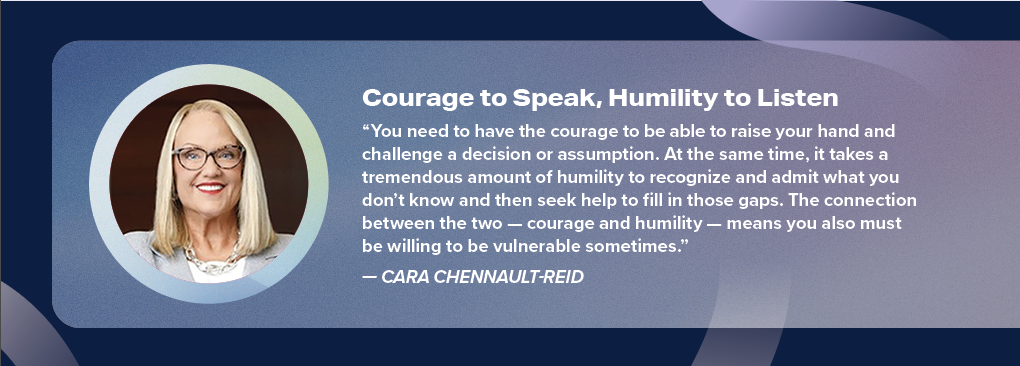
- CARA CHENNAULT-REID, vice president of HR at Koch Inc.
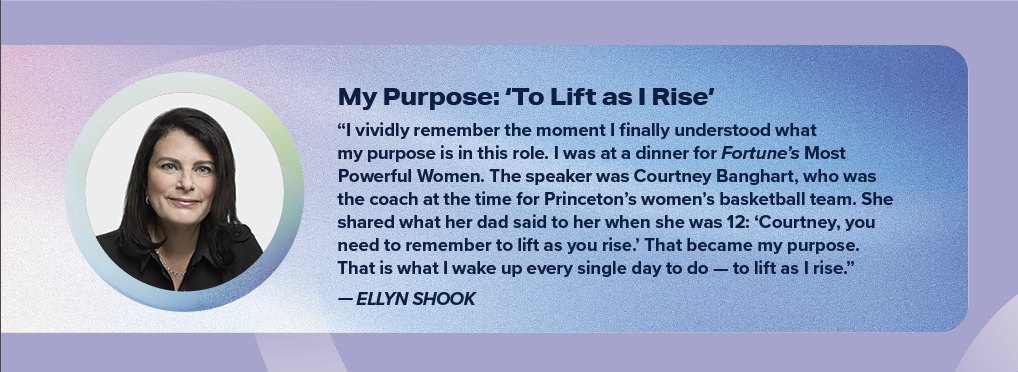
- ELLYN SHOOK, former CHRO at Accenture
- JAD VODOPIJA, chief people officer at BHP
- JENNIFER SAAVEDRA, CHRO at Dell Technologies
- JENNIFER TIPPIN, group chief operating officer for NatWest Group
- LOUISE PRASHAD, CHRO at Diageo
- PAUL NORMAN, CHRO at the MTN Group
- PETER FASOLO, former CHRO at Johnson & Johnson
- SUSAN PODLOGAR, former CHRO at MetLife
What are the X-factors that will separate the best CHROs of the future?
Focus on business outcomes, not HR process. “The role of the HR chief — in the eyes of the CEO, the board and P&L leaders — has to be defined by whether they are helping drive business outcomes with a focus on value creation. Moving forward, the HR chief has to be able to continuously demonstrate that the work they do is creating high-
performance work systems and bringing in new capabilities that are linked to the outcomes that P&L leaders and boards and CEOs care deeply about. Rather than starting with our own set of practices, you have to start from the outside in.” – Peter Fasolo
Become a personal talent magnet. “What really sets brilliant CHROs apart is their ability to be a magnet for talent. You’re spotting that talent, attracting it, nurturing it, and growing it. You’re the person making the phone call to say, ‘Please come here. This is the reason why you’ll love working for this business, and here’s how it’s going to make a big difference to your career.’ ” – Jennifer Tippin
Be proactive, not reactive. “Have the courage to be a leader and bring ideas forward, because this is the moment for HR to have the biggest impact on business outcomes. Others may see HR as a support function, but HR has to show up as a business driver. You’ve got to understand how all the business components work together and not sit back and wait until someone asks your opinion, especially on topics like AI. HR is in the best position to drive AI adoption in the organization, with the support of the leadership.” – Susan Podlogar
Your inner mirror matters. “You have to have a deep sense of self. Know yourself really well and understand how you show up and how you lead. This is not new, but as the world has evolved, there is a greater emphasis on being human as a leader. A role of CHROs is to create a more humane space in their organization, but you can’t do that if you are not yourself very aware. So this old concept of self-awareness as a leader has never been more important.” – Paul Norman
Plan for the next decade, not for tomorrow. ”The ability to see around corners — for the next two, five, and even 10 years — is certainly important. What work do you need to do now to ensure that your organization is prepared for what’s coming and has the necessary competitive advantage? There’s a foresight and externality component to these roles now that is far more pronounced than a decade ago. Because of the unique purview, we have to see across the enterprise.” – Jad Vodopija
Connect the dots using data. “You need the ability to distill a lot of information and create an analytical, fact-based, decision-making model that you can bring to your C-suite colleagues to navigate through unknown situations. There’s no playbook for the challenges we’ve seen in recent years. You have to create options, with pros and cons, and then be able to influence your colleagues to help make decisions with a more holistic process.” – Jennifer Saavedra
What is your best advice for a first-time CHRO?
Protect your sense of self. “Be careful not to lose yourself in the role. When you take on a big role like this, you come in with lots of dreams and aspirations. You come in with your sense of self intact. But then you can get seduced by the role and you start believing your PR because everybody is reacting to your position, not you. And if you get lost in that journey, you won’t find yourself down the road. So find a way to stay grounded.” – Paul Norman
Identify your strengths and apply them. “You have to start at a high level to really understand what is going on in your company and what is likely to happen over the next few years. Before I took on this role, I thought deeply about what this role is going to need. Ask yourself, ‘What can I uniquely bring to this business? What am I passionate about? Where are my strengths within that? How do I bring that to bear for the business, for employees, and for other stakeholders?’ ” – Louise Prashad
Embrace the role of “absorber.” “In organizations, there are always ‘amplifiers’ and ‘absorbers.’ As a CHRO, you have to be an absorber. You have to observe and be calm and forward-looking. There’s a lot of uncertainty out there, and a lot of issues with many gray areas, like AI. You’re not going to have all the answers, but you have to be calm and focused on the path forward and be able to balance needs of the business, the culture, and your people.” – Jennifer Saavedra
Stay anchored to what matters. “You’ve got to be really good at aligning your set of issues with the direction of the corporation and staying on point, because many people or teams or stakeholders will try to take you off your agenda. You’ve got to stay anchored on the few things that matter. You have to know what’s important and what’s not, and be comfortable letting those things roll off your to-do list. You don’t need to chase down everything. You’ve got to be right in the right places and not be right in the wrong places.” – Peter Fasolo
Balance the head and the heart. “You can do more than you think you can do. The role is shifting, and there’s a very interesting balance of head and heart right now. We are learning so much more about neuroscience, psychology, and anthropology, in addition to the role that technology can play. And the heart part is about caring for the well-being of our employees and developing personalized solutions for them. You’ve got to marry those two to get to the business outcome you want.” – Susan Podlogar
Speak for the people. “CHROs need to always remember that they play a very special role on the C-suite team, because they are the voice of the people. As issues get discussed, CHROs always have to bring to the table what’s on the minds and in the hearts of people, because organizations cannot grow and thrive and be successful without their people. When you first get to that table, you may forget that. You want to be one of the crowd, but you can’t forget your role and responsibility.” – Ellyn Shook
What surprised you most once you stepped into this role?
The emotional strain of big decisions. “The role does come with an emotional burden. You have to make big calls, and you don’t want to get them wrong. Because the stakes are so much higher with some of your decisions, that requires a lot of emotional energy. I underestimated just how draining the role can be if you’re not thoughtful and careful about managing that.” – Jad Vodopija
The exhaustion of being “always on.” “I would say how physically exhausting it is. I wasn’t doing manual labor, of course, but the role is exhausting for two reasons. One is the complexity of thinking that is required for the challenges you’re working through. Second, you have to be always on. We lived in a condo in Hoboken, N.J., for a while, and I would see MetLife employees in the elevator even when I was just heading to the gym in my sweatpants. You are always in the role, and you are always representing, no matter where you are.” – Susan Podlogar
Agility and learning are essential. “I didn’t quite appreciate how much learning and curiosity and agility you need to solve the big problems that you face every day in this role. You are coaching people individually through sticky situations, and then maybe dealing the next minute with a crisis, or an acquisition or divestiture that isn’t playing out as expected. You’ve got to be really open to learning and knowing how to solve issues.” – Peter Fasolo
Investors want a piece of your time. “One thing that surprised me is that I spend quite a bit of time with investors, and investors want to speak to me. They are extremely interested in knowing that you have the long-term talent that you need. Are you putting the right capabilities into your business? How are you fostering a culture that’s going to sustain the business over time?” – Louise Prashad
What do you consider the hardest part of leadership?
Building success through relationships. “One of the biggest challenges is making sure you invest enough time in the people around you to help them be successful. You have to meet them where they are, and that gets harder as your team gets bigger. This requires a commitment to knowing them, making space to know them, and having intentional conversations with them about their likes, dislikes, desires, passions, goals, etc.” – Cara Chennault-Reid
Slowing down and stepping back to gain clarity. “You need to slow yourself down and have the discipline to be less busy with activities and more focused on the few things that matter. You also have to be able to provide a perspective on so many different issues. Leaders need different angles on problems, and you’ve got to be able to share your perspectives. If you can’t do that, you can’t lead. In leadership positions at the top of big organizations, you must be able to teach, slow down, and provide your perspective.” – Peter Fasolo
Putting on my own oxygen mask. “The hardest part is maintaining your own equilibrium in a role like this where you have to give a lot of yourself to the organization, to employees, and to your team. How do you keep your own oxygen mask on? How do you keep that sense of personal fulfillment? The hard part is being ready to continuously invest in yourself so that you can bring your best to the role.” – Louise Prashad
Integrity during tough calls. “The hardest part of leadership is being able to remain true to yourself and still make an impact in the world. We make a lot of decisions, and many have a big impact on many people. Sometimes that means 1,000 people have to lose their jobs. It’s a part of the job, but you always have to remember that there are real people behind those decisions, not just numbers.” – Paul Norman
Origins of Impact
Long before they stepped into the C-suite, these CHROs were shaped by early experiences that forged their resilience and sense of purpose. Here, some of them share the personal roots of what drove their passion to lead.
From Apartheid to Accountability
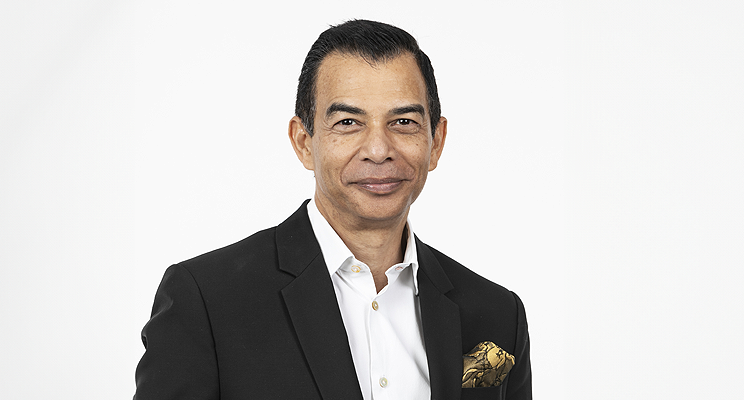 “I grew up in the apartheid era of South Africa. That was, in part, about coming to grips with your sense of belonging and the importance of understanding diversity, equity, inclusion, and all the issues we grappled with at the time. … So I ended up in various situations throughout my early life where I was either part of transforming things or at the precipice of pushing change. That built into me a sense that you have to make things happen. You have to drive transformation. Because of that, I am comfortable with lots of change and ambiguity, and I try to make sense of that for those around me.” — Paul Norman
Raised by Givers, Inspired to Serve

“I had people around me as I was growing up who were incredibly purpose-driven in the things they did for others. I grew up in a Jewish family, in a Jewish community, and I saw many people who were very giving of themselves. That inspired me to be somebody who really supported and enabled others. And I saw a lot of resilience in my early life. There were many people around me who faced a lot of adversity, going back to the roots of my cultural heritage. So I grew up thinking that I have a role to play in society with others — and really digging in and giving it your all, particularly through tough times.” — Louise Prashad
A Hunger for Competition
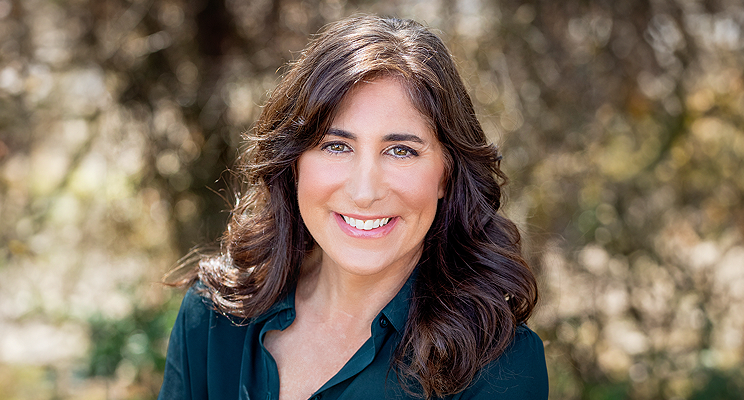
“I was an athlete growing up, so I like to be in the game. I don’t like to be on the sideline. And when you see an incredible need in a company, why wouldn’t you want to be part of the solution? Why wouldn’t you want to be in there trying to make a difference in people’s lives, helping the company be successful? I want to help make a difference, and I’d rather do it than not.”— Jennifer Saavedra
Leading Through Respect, Not Rank
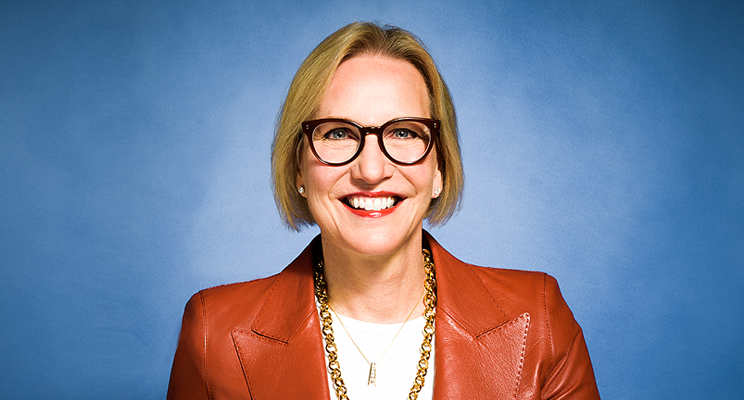
“I learned a certain amount of resilience as the youngest in a big family, especially putting up with pranks from older siblings. You learn to go with the flow. The other gift from being part of a big family is that I never liked hierarchy. Throughout my entire career, I’ve never seen hierarchy in organizations. Every person is playing a different role. How do you interact with them respectfully?” — Susan Podlogar
The Reward Is in the Support
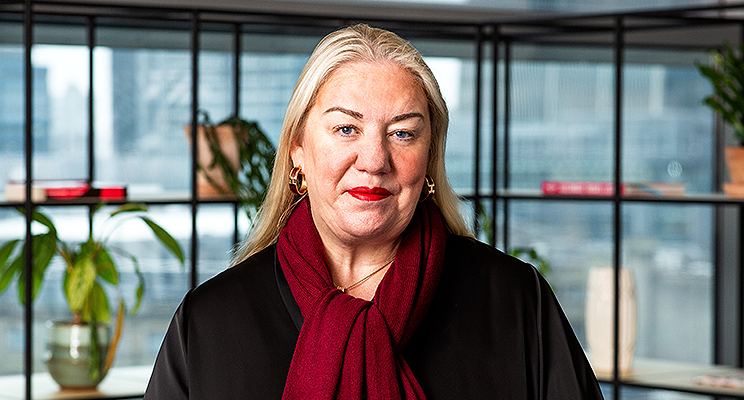
“You have to have a real passion for people — their stories, their journeys, their potential, and how you can help them. If that doesn’t excite you, you won’t find a lot of joy in this job. But if you find energy and excitement in supporting others, and if you like huge variety, this is a dream job, particularly at this moment.” — Jennifer Tippin
Related Articles

Transform HR with mobile technology to streamline workflows, enhance communication, and boost employee engagement across distributed teams.

A new study found that talent development practitioners believe performance-based assessments are more effective at measuring employee learning outcomes than knowledge tests.

As AI makes deeper inroads into organizations, employee concerns about the technology continue to grow. Here's how HR leaders can address the fear of AI among their own staff, as well as in the wider organization.