
Over three days this fall, more than 400 HR executives gathered in Atlanta for Visionaries Summit 2025, a premier event held exclusively each year for SHRM Executive Network members. With this year’s summit focusing on “The Power of People: Reimagining Leadership and Community,” these presentations and interactive sessions brought together leading voices and insights that are shaping the future of HR. Here are some of the key takeaways and real-world lessons ...
Build Feedback Skills in Young Leaders
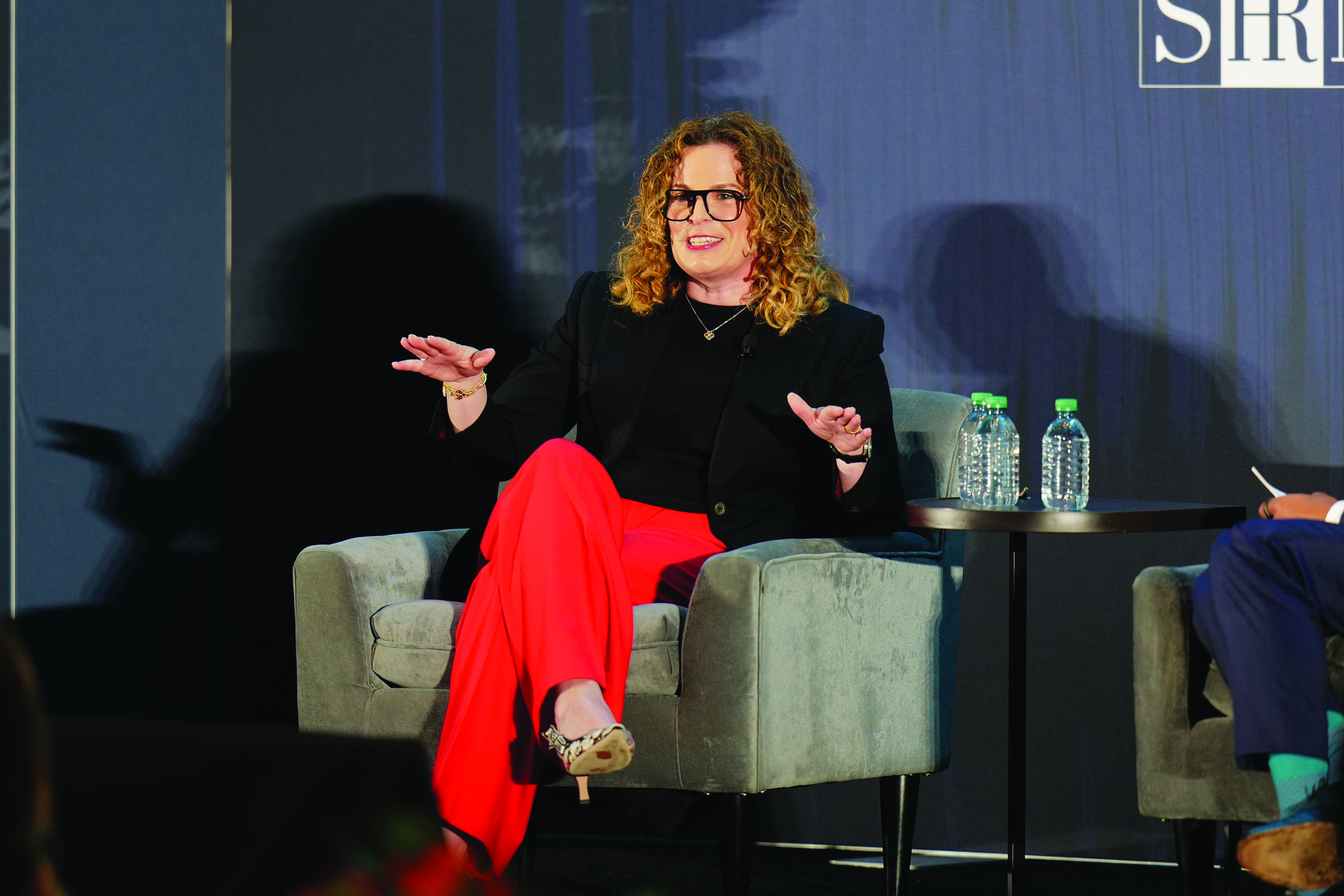
The rise of early-career leaders who spend much of their lives online is exposing a weakness in the workplace: a struggle to build real human connection.
“One of the main skills lacking for people in college today is the ability to engage and connect with other people and strangers … and that’s something HR leaders really need to be thinking about,” said Claire MacIntyre, senior vice president and chief people officer at Sam’s Club.
This issue is manifesting itself in the workplace as young workers — some of whom are moving into the management ranks — find it challenging to build trust and navigate difficult conversations.
“The ability to give and receive feedback is a missing capability, and that concerns me,” said MacIntyre, who noted that simply showing a training video or relying on other technology won’t build feedback habits.
“AI can’t teach this skill in the way it needs to be learned,” she said. “You have to teach people how to do it in a way that is meaningful and impactful. And you have to create space for people to do it as well.”
Feedback doesn’t grow from training alone; it flourishes in cultures that encourage risk-taking and authentic interactions.
“It’s urgent that we are creating ecosystems in our organizations where people are getting comfortable being uncomfortable,” MacIntyre said. “Our jobs are not to make everybody comfortable; they are to help everybody express the full version of themselves in the workplace and to be successful. … So we’re going to have to bring a bit of discomfort to people to help them to grow.”
* * * * *
Mind and Heart: The Overlooked Executive Benefit
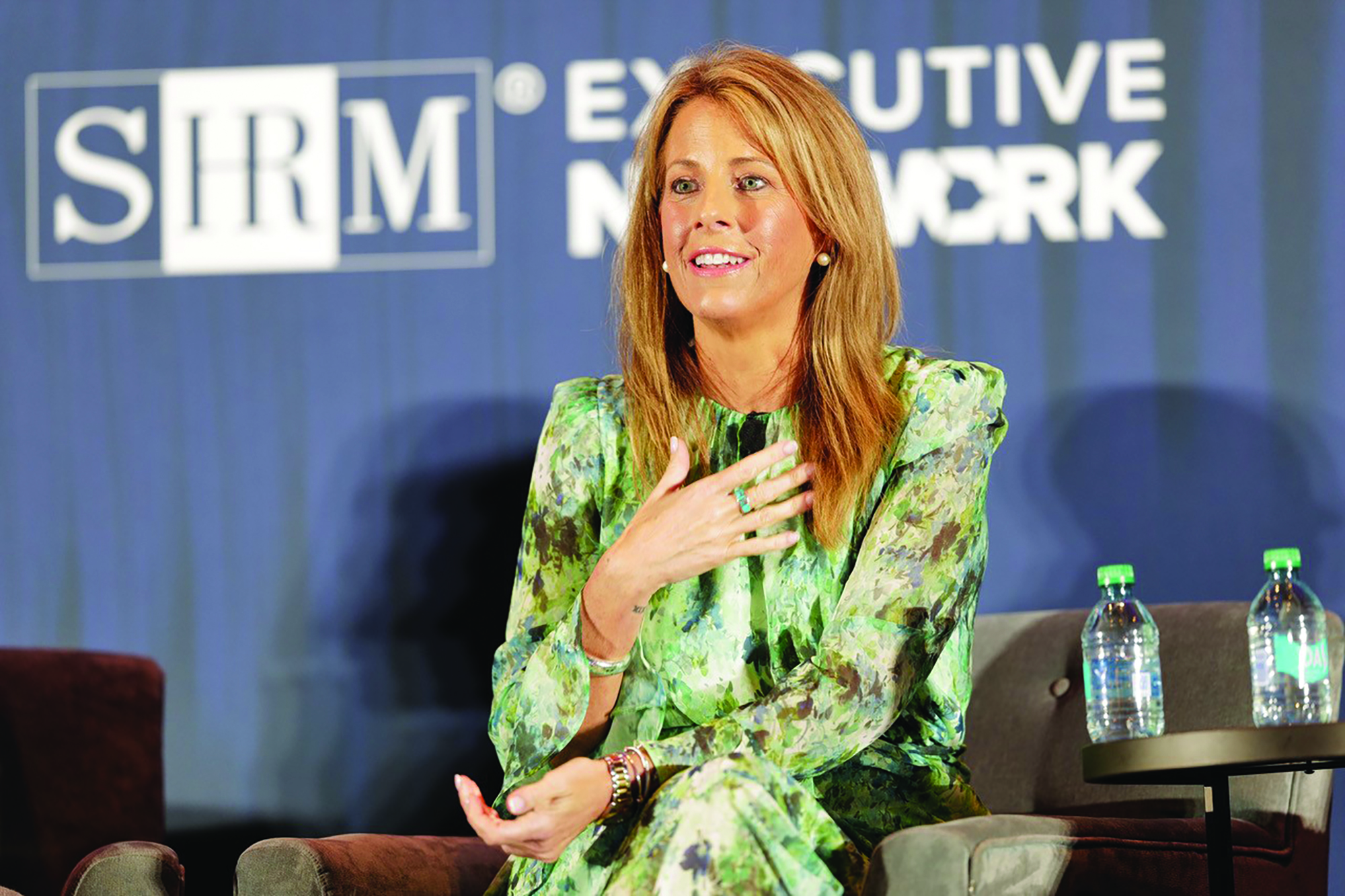
Executive compensation packages may include stock options, retirement incentives, and other elite perks. But those benefits often don’t address the most pressing challenge many leaders face: their own well-being.
“These folks are lonely. They are working in an isolated environment. They’re under extreme stress and pressure,” said Jim Link, SHRM-SCP, CHRO of SHRM. “Those other benefits for executives are table stakes. But where HR leaders can provide capability and uplift and counsel is when we are there for those people to have a conversation about those well-being issues.”
Link emphasized that executive support isn’t just about managing stress. It’s about creating space for meaningful dialogue that acknowledges the weight of leadership.
“It’s important for [executives] to know there’s someone sitting in the room who understands all those issues but can rise above that to talk about what’s going on in their environment and in that moment,” Link said. “That’s what we as HR leaders need to be doing. And it’s hard, but it’s necessary.”
More companies are recognizing this need, expanding benefits as well as making daily efforts to address the personal needs of executives. Sara Murphy (above), senior vice president of HR at financial services firm Raymond James, noted that her company has added such perks, including a mindfulness session for executives that taught breathing exercises.
“What we add as HR practitioners is the value to understand the human side of the leadership team and make sure we cater to each one of them in their individual needs so collectively they can be a more powerful unit,” Murphy said. “We’re not just trying to help them achieve business strategies but help them achieve their personal goals as well. And that’s unusual. I’ve been in HR for 35 years and it used to be only about business strategy.”
* * * * *
How to Make the Business Case for HR Technology
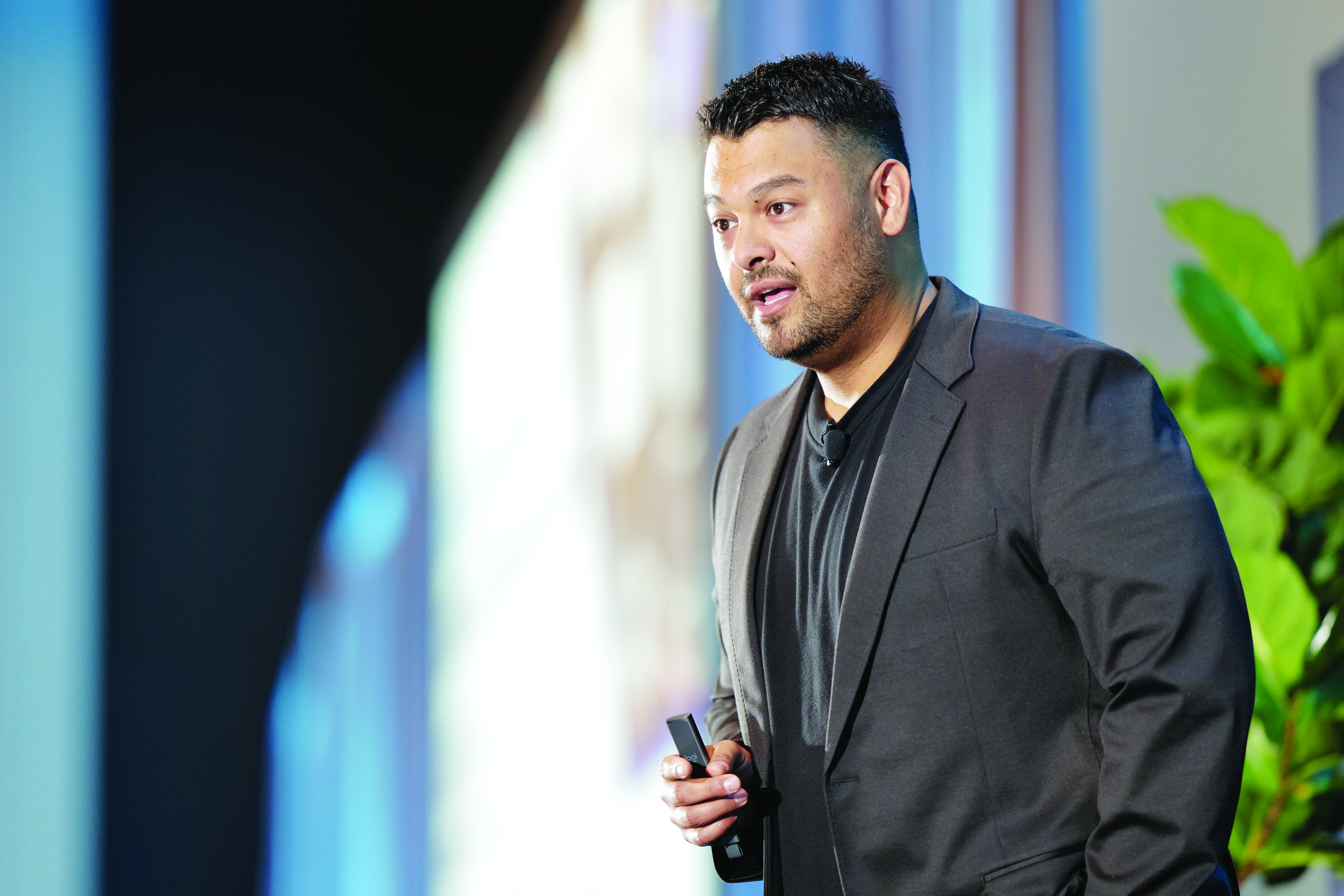
At a time when organizations are tightening their budgets, CHROs need to focus on measurable outcomes. If you’re looking to invest in AI technology to improve your HR processes, the first step is communicating to your stakeholders why it’s important to the bottom line.
“HR leaders have to talk in terms of profit and revenue and translate that work we’re doing into profit and revenue for the organization,” said Chris Courneen, global head of HR at MS International, a California-based counter and flooring provider.
He suggested HR execs use this framework as a fill-in-the-blank exercise when seeking C-suite buy-in for HR technology initiatives: “We will add X profit back to the bottom line in Y months. This is equal to generating Z in sales.”
Courneen said it’s helpful to be able to translate cost savings into revenue equivalence. That means HR leaders need to understand the margins of their organization.
“If you’re running at a 20% margin, you can translate all that profit you’re having back to the bottom line to a revenue equivalent,” he said. “It’ll give you a way to get people on board and excited about technology that can in many ways revolutionize the way we work.”
To shorten the buy-in process, sometimes it’s worth going straight to the top. For a recent initiative, Courneen went right to the CEO with his plan, making sure to do extensive research first address any potential concerns about the AI tool being considered.
“The fundamental question to ask when assessing any piece of AI technology is: Where do I want to focus our transformation? Do I want to focus on automating decision-making processes, or do I want to automate the tasks?” Courneen said.
* * * * *
Prioritize Learning Agility to Solve Today’s Problems
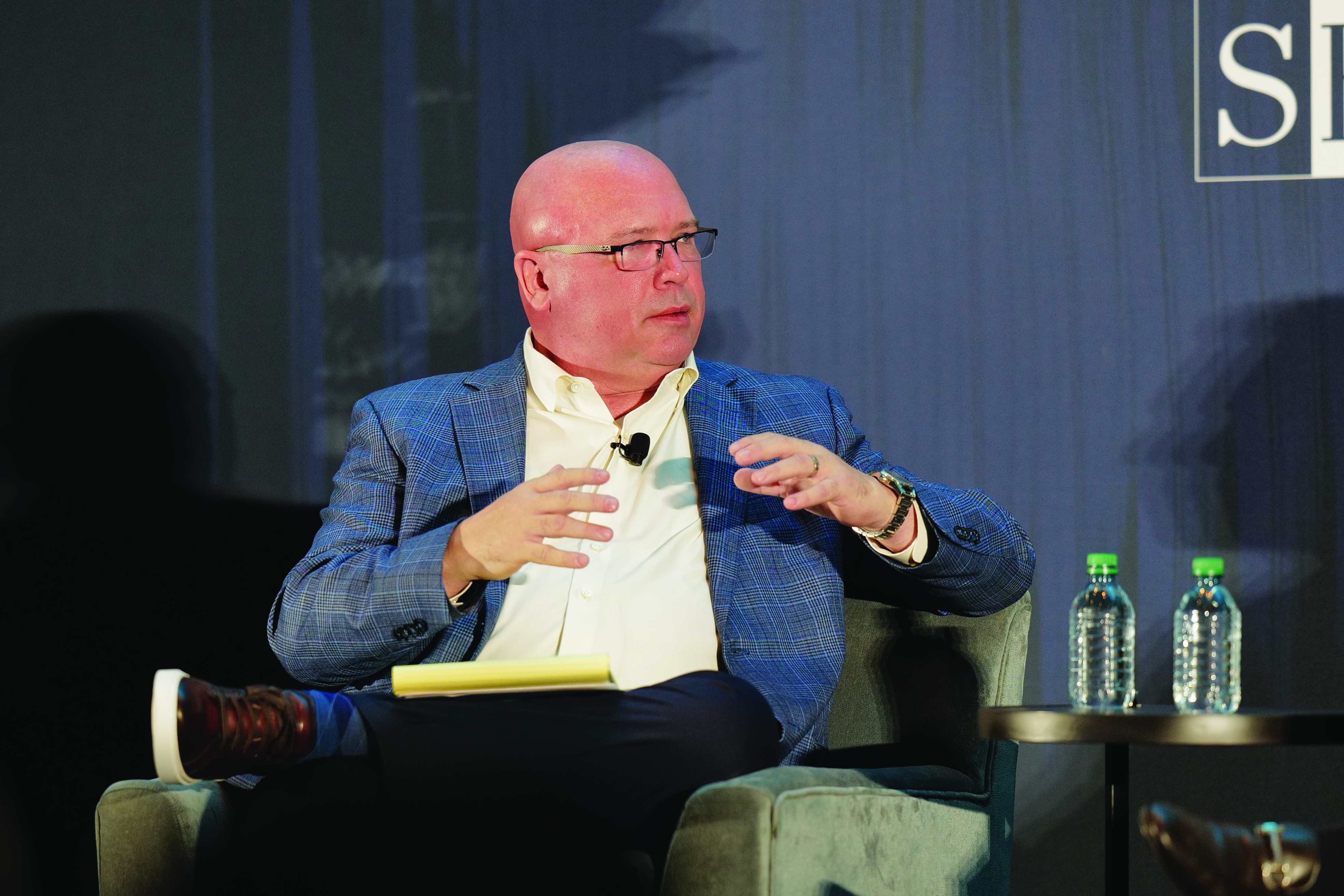
In an age of relentless disruption, hiring for experience alone is no longer enough. HR leaders need to prioritize the ability to quickly adapt, pick up new skills, and solve emerging problems.
“In hiring, I think we lean too heavily on experience and less on learning agility,” said Jackson Lynch, an experienced HR executive and founder of The Talent Sherpa. “If you’re looking at experience as the key decision-maker … what you’re really asking is, ‘Can I solve yesterday’s problems?’ When you start leaning into [hiring for] learning agility, you start asking ‘Can I solve today’s problems?’ ”
Spotting candidates with strong learning agility is especially critical in the AI-driven workplace. Lynch suggests rethinking traditional interviews and incorporating external assessment tools to better evaluate an applicant’s ability to adapt and tackle new challenges.
Lynch also emphasized the need for more candor in the workplace, warning against avoiding tough conversations to spare feelings or question the status quo.
“The challenge we run into today is that we conflate two words that don’t mean the same thing: safety and comfort. And that’s an expensive mistake,” he said. “If you are driving toward comfort in the workplace, leaders have a natural tendency to soften some of the impact of conversations. That often leads to lower expectations, and that’s a dangerous place for the business to be in.”
How do you create a culture of candor that allows honest conversation? Lynch cited two ways:
Give permission — and actually encourage — honest, respectful conversations focused on performance. “I actually talk to members of my team and say that if you think something I say is wrong, you have an obligation to push back on it,” Lynch said.
Create systems that build in contrarian feedback. Lynch’s company has a “red team” of workers that is charged with taking the opposing position in meetings and decision-making to ensure all ideas are fully vetted before moving forward.

Safeguard Humanity at Work
"Especially at a time when AI is racing ahead … and when it feels like so much of humanity is being sucked out of what we do, HR people are the anchors for humanity in our organizations.
"You have the power to do what desperately needs to be done, which is ensuring that we hold on to what makes us human and we never forget that it is caring for our people that makes everything work.”
People-First Leadership: 3 Insights for Impact

In a world where disruption is constant, leaders must move quickly to keep up. Great leaders know that putting people first is the key to keeping teams engaged and performing at their peak, said Sonia Aranza, a leadership coach and speaker. Aranza shared three insights leaders should keep at the front of their minds:
1. Everyone is fighting a battle you know nothing about. Take an inventory of your existing leaders and see how they’re doing. You never know what people are going through. All your employees have their own personal challenges that influence their work.
2. Growth comes in the gray areas. “Our world is changing multiple times a day, so it’s OK to not know. Try to find comfort in the discomfort of not knowing,” Aranza said.
3. Lead from the inside out. Maintaining self-awareness and nurturing personal responsibilities strengthens your leadership muscles. “Get to know yourself to become a better leader,” she said, noting that leaders who are able to balance their personal lives with professional demands are more successful in leading their teams.
Aranza’s emphasis on people-first leadership was echoed by attendee Kimberly LeCompte, SHRM-SCP, assistant VP of HR talent strategy and engagement at Kansas State University, who stressed the value of human interaction in driving results.
“We get so caught in the day-to-day operations that sometimes we lose our focus and stop realizing that in order to be productive, we have to work with others,” LeCompte said. “If you don’t focus on that human interaction and relationship, then you’re not going to be as productive as you need to be.”
* * * *
Cultivate Belonging Through Storytelling

Unlocking a culture of belonging takes intentionality. Companies that have built this foundation have leaders who take time to demonstrate the pillars of vulnerability, compassion, and care. One core way to create that belonging is through the act of storytelling.
Leaders who tell their personal story of how they’re prioritizing their mental health are more likely to create a workplace where employees feel comfortable doing the same. This creates a sense of shared connection, and having healthy employees also boosts employee retention and longevity.
“Share how you’re taking care of your own mental health. The organization and employees are looking to us, so the more we become human to them, the more they start to share how they’re taking care of themselves,” said Prudence Pitter, global head of HR for automotive, manufacturing, and business development at Amazon Web Services.
Another way to create moments of storytelling is to ask employees conversation-starter questions during one-on-ones or team meetings.
“I ask my employees: What pictures do they have on their phone?” Pitter said. “This creates connection.”
These micro-moments in the workplace have the power to prompt conversations that lead to finding things in common, and helping form those deeper connections where employees feel seen not just for their work, but for who they are as individuals.
Jon Meacham: 3 Actions to Strengthen Workplaces and Democracy
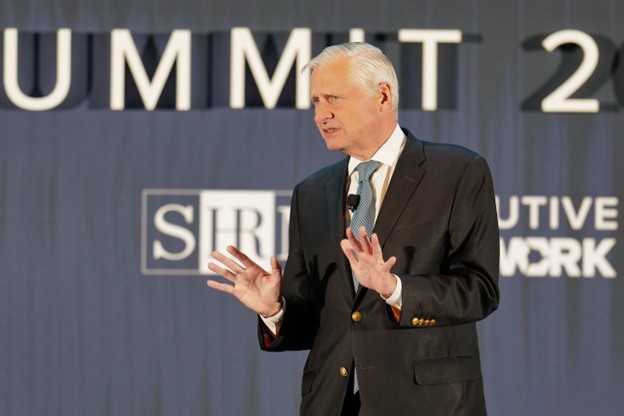
During this moment of sharp political divide in the country, Pulitzer Prize-winning author and historian Jon Meacham challenged HR leaders at Visionaries Summit 2025 to recognize how their daily work offers a blueprint for principled civic life. By setting standards and modeling integrity, he said, HR demonstrates the kind of leadership that politics and society need today.
“The point of a constitutional republic — like what you all do [in HR] — is you try to codify the best practices and the best behaviors you can. And you do all you can to interpret the gray areas in the fairest way possible,” Meacham explained. “That is what you do for a living. And it is what, as a citizen, we should all insist on beyond the workplace and in our public life.”
Drawing from American history with a mix of poignant and humorous stories, Meacham emphasized the importance of collective responsibility in sustaining democracy.
“I’m an optimistic in that I think it’s a remarkable thing that America’s experiment in democratic capitalism actually ran 250 years before we reached quite the level of crisis that I believe we’re in,” he said. “But I’m a big believer that history is the only dataset that’s useful in moments like this.”
The message from the past 250 years, Meacham noted, is that democracy endures only when we recognize our shared stake in it — a message that applies not only to democratic institutions but to workplaces, as well. “The notion that we, the people, are in this together, is not just for a Fourth of July speech,” he said. “It’s got to be for every day.”
‘In a Democracy, We’re All Leaders’
Meacham addressed three key characteristics he believes both political leaders and everyday citizens must embrace and practice, because “in a democracy, we’re all leaders.” These principles also apply in workplaces to help leaders build trust and strong teams.
1. We need to be more curious. Meacham said Americans “need to read more and think more” and tap into the well of history to really understand where the country is headed — not in the day-to-day news cycle, but in America’s long arc.
“Curiosity includes listening openly to the other side. But let’s not mistake a civil curiosity for moral equivalence,” Meacham warned. “Both sides aren’t always right. Sometimes both have a point. But that wasn’t true about slavery or Nazi Germany. Sometimes there’s a right and a wrong.”
2. We need to be candid with each other. Meacham cited President Franklin D. Roosevelt’s honesty as the country entered World War II, when he told Americans, “The news is going to get worse and worse before it gets better and better, and the American people deserve to have it straight.” Meacham said workplace leaders need to be as candid with their employees.
“‘Give it to them straight and we’ll do what it takes.’ That’s the covenant of modern democracies and I would say is the covenant of your organizations,” Meacham said. “[Employees] know when you’re hiding the ball. ... You don’t have an invisibility cloak.”
3. We need to have “pragmatic empathy.” Leaders and citizens must work harder to understand each other’s perspectives out of concern for others, but also out of their own self-interest.
“Be empathic, not just because it’s the right thing to do, which it is, but because ultimately, it’s good for you, too,” said Meacham, who noted that empathy starts with mutual recognition of each other’s humanity. “If I don’t recognize your inherent dignity, there’s little reason for you to recognize mine. And when that trust is undermined … and when that falls apart, then that’s where the domino effect comes into play.”
-- Pat DiDomenico
Related Articles

Transform HR with mobile technology to streamline workflows, enhance communication, and boost employee engagement across distributed teams.

A new study found that talent development practitioners believe performance-based assessments are more effective at measuring employee learning outcomes than knowledge tests.

As AI makes deeper inroads into organizations, employee concerns about the technology continue to grow. Here's how HR leaders can address the fear of AI among their own staff, as well as in the wider organization.