“People + Strategy” Podcast Episode
Managing HR on Campus: Data, Culture, and Courage at the Executive Table
- Video
- Audio Only
In this episode of People + Strategy, we talk with Sabrina Minor, VP and chief people officer at George Washington University. Minor shares candid stories about leading HR in a complex, 24/7 campus environment, including how she’s modernizing performance management, succession planning, and workplace flexibility across a five-generation workforce. She also explores how AI and technology can reduce workload, strengthen trust, and inform strategy. Throughout the conversation, she reflects on leadership, influence, and the courage required to drive change in environments built to evolve slowly.
Related to this Episode:
Gain hands-on skills, ethical guidance, and a practical AI roadmap to lead responsibly and deliver measurable impact.
SHRM PMQ+ Manager Qualification
SHRM’s People Manager Qualification paired with one-on-one professional mentorship (PMQ+) gives your people managers the skills, confidence, and peer support they need to lead effectively.
The podcast is just the beginning. The weekly People+Strategy Brief also features articles on all aspects of HR leadership excellence. Explore these must-read stories featured in the latest issue. Subscribe now and elevate your strategy.
News + Insights

An executive people leader and coach discusses how CHROs can strengthen trust, retention, and culture by blending AI adoption with human-centered HR strategies.

CHROs share the skills that HR staff need and how they’re using AI to elevate HR in their industry. Plus, gain data on automation’s impact in the workplace.

Many businesses fail to align employee goals with strategy, research finds. Learn how HR leaders can cascade organizational objectives for better performance.

After the holidays, many employees struggle with motivation and focus. It’s a problem employers can address with a thoughtful ramp-up period, goal setting, recognition, and more.
Episode Guest
-
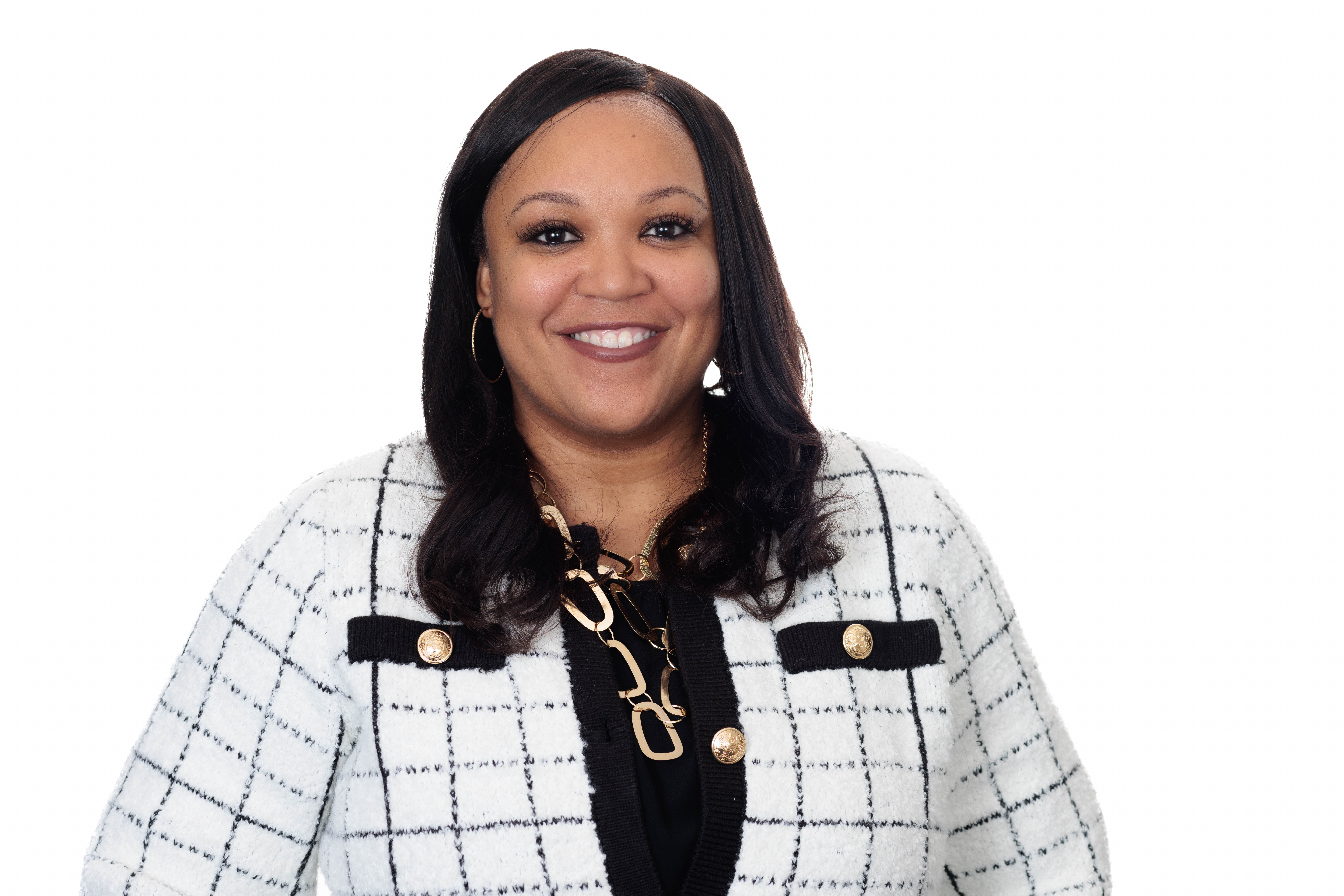
Sabrina Minor
Sabrina Minor has nearly two decades of advanced and progressive HR expertise, including her current role as Vice President and Chief People Officer at George Washington University where she leads all aspects of human resources policy, practices, and strategy.
Episode Transcript
Ad: [00:00:00] Heads up, HR leaders, the winter Issue of People and Strategy Journal debuts February 9th, our first fully digital edition exclusively for SHRM Executive Network members. The theme of this issue is risk management. Get ready for fresh insights on leadership, resilience, building agile teams and more. Mark your calendars.
Mo: Welcome to today's episode of People and Strategy. We're recording live from the Executive Network Visionary Summit. I'm your host, Mo Fathelbab, president of International Facilitators Organization, People and Strategy is a podcast from the SHRM Executive Network. The premier network of executives in the field of human resources.
Each week we bring you in-depth conversations with the country's top HR executives and thought leaders. For today's conversation, I'm excited to be joined by Sabrina Minor, VP and CPO [00:01:00] for George Washington University. Today we'll be discussing HR and the higher education industry in alignment with our People and Strategy journal industry spotlight.
Welcome, Sabrina.
Sabrina Minor: Thank you Mo.
Mo: Great to have you with us.
Sabrina Minor: Such a pleasure.
Mo: Sabrina, tell us about your journey and how you got into the field of HR.
Sabrina Minor: You know, that is an interesting question, and the reason why I say that is because for a brief moment in my life, for some reason I wanted to be a pharmacist.
Mo: Hmm.
Sabrina Minor: Now that's a, that's a story for another day. But how I got into HR is it always felt like my passion, I always felt like I wanted to help people is interesting because my undergrad is in business with a minor in HR, so I kind of went to school knowing that HR was my end goal. It's something I wanted to do.
But trying to understand which discipline I wanted to work in was, was a little challenging. But as of right now, I worked in a few private sectors government before, um, the university, and then I landed at gw and I'm here for [00:02:00] 10 plus one years.
Mo: Okay. And as HR leader at gw. How many people do you serve
Sabrina Minor: now?
My direct staff is about a hundred, a hundred individuals, but GW as a whole has about 10,000 plus employees, so
Mo: Okay.
Sabrina Minor: A big group.
Mo: That is a big group, indeed. And what is unique about HR and higher education?
Sabrina Minor: Whew. You know, the reason I I, I gave you that side is because I think anyone who works in higher ed will receive topnotch experience.
And the reason I say that is because it's a cross function between corporate and government. So it's not as fast as the private industry and the corporate industry. Um, because I'll, you know, we move just a little bit slower, but if you work in government, then you'll be happy when you come to, to academia because of the fast pace that we move at that pace.
But I will say this, that j. University as a higher as a whole, higher as a whole is a 24 hour operation, so [00:03:00] you're staffing a variety of people from sun up to sundown. Just imagine running a campus, a residential campus where your students are there and they're there 24 hours. So we're staffing from facility workers to IT workers to development workers.
It's a variety. You can pretty much find anything, any position at a higher ed. And quite frankly, I think it's one of the best jobs you can have.
Mo: Well, I could see, I could see the joy. Uh, so Sabrina, what are your strategic goals for the year?
Sabrina Minor: I have actually four. Um, a few of 'em are quite tough, but succession planning, revamping that performance management process, wellbeing slash mental health, which is a little more about workplace flexibility and then revamping our benefits.
Process meaning where right now I'm switching over from an healthcare provider to a new provider, which is a huge undertaking. Now, I will tell you one thing, if you don't mind me elaborating on this particular goal, which is one of. [00:04:00] By far very interesting. And it's actually been one that has been keeping me up a little at night.
So we are doing RFPs and we're looking at different vendors and providers to do, um, your health insurance. Health insurance has skyrocket across the United States right now. I mean, the, the amount of. Things the health insurance coverages are charging, which, you know, it is what it is, but the percentage of the cost that it impacted the staff has went up significantly.
So I'm thinking, how in the world do I present this case to our CFO to manage costs, right? So we presented out the new provider. We talked about move, switching over to a new provider, and we accepted the the bid. But one thing I will say is that after reviewing the healthcare costs. I went to sleep wondering how can I reduce this cost without impacting?
University and the staff, so just doing some research. I reached out to a few of my neighboring [00:05:00] universities across CC to say, would you guys like to go into a benefit consortium? Would you like to pull out benefits coverages together, and then present to the university one plan. One amount, which can save us almost 12 to 15%.
So right now we're in the early stages of that conversation, but a lot of interest, they were very excited about the opportunity and was definitely looking forward to hearing more information because they, they too are seeing an increase in, um, healthcare coverage. And they too are seeing the rise to the employees.
So.
Mo: Amazing. Let's talk about succession planning. What are you doing on that front?
Sabrina Minor: So this is early stages as well. So most of my strategic goals are multi-year goals because you can't get everything done in one year, of course. But succession planning is one that we need to figure out what's your next success?
And I, and. It's interesting Mo that I talk about this because when I bring this up to some leaders, they're a little nervous. They're a little nervous about identifying who's the next person in line because they automatically assume that are you are am my position in [00:06:00] jeopardy. But no succession planning is.
Is a great sign of a true leader preparing that next generation, because at the end of the day, you may be able to go to a new opportunity and you wanna lead that organization in the best hands. So right now we're looking at leadership development, trying to identify your next level, but. As a a broader as a whole operation, I want to have a succession planning for the entire operation, meaning your administrative level positions.
I want each leader to be developing that next level, even if it's your facilities workers, your housekeeping, meaning like I'm sure we have multiple housekeeping level positions, housekeeping one and two. How do you climb the ladder in your profession? So succession planning is something that I think we all need to strive towards.
It's a little slow in developing, but again, it's a multi-year goal and hopefully I'll be able to tell you next year if you come back where we are in the entry point of that, that goal.
Mo: I look forward to finding out. Uh, what about performance management? What are you doing to revamp that?
Sabrina Minor: So performance management is something that we've heard complaints about.
So [00:07:00] I'm trying to figure out how to meet the new generation and the university in the middle. And the reason I say that is because. We have five different work, five different work generations in our, um, workforce right now and our season. Well, season generation love the performance management. They want the feedback, but our newer entry career employees are like, why do I have to do this?
So trying to make it a. Performance management, a place where you can absolutely feel comfortable about getting that feedback. And it's not a one time a year process, right? You're having those multiple conversations, you're doing checkpoints, and you're just asking a few basic questions. So right now we're in the process of revamping it, trying to figure out how we can make it.
Less condensed, um, more open-minded, and the leader will be able to provide more feedback and not just once or twice a year, meaning making sure they really have these checkpoint conversations, making sure staff understands the direction that they're [00:08:00] leading in. So that's the, the process, what we're doing.
Performance, hopefully, hopefully, again, since it's an early go, you can check back with me in another year.
Mo: And mental health was one of the things you mentioned. Let's talk about that a little bit. Why? Why is that one important to you?
Sabrina Minor: Okay, so wellbeing in a mental, in a space where it's really more about workplace flexibility, and that's what I mean by wellbeing and mental health because my staff and my employees always say we need workplace flexibility.
Workplace flexibility, sorry about that. But you have a residential campus, so we're trying to figure out how to meet a cross function between. Workplace flexibility and staffing a 24 hour residential campus. So this is where the wellbeing, and not necessarily just mental health, but wellbeing comes into play trying to find a, the perfect balance so your employees feel heard.
And trying to find that balance where leaders feel like we have a vibrant campus has been a struggle for us. So I can tell you one thing I've done, and we actually just started this, which I'm [00:09:00] super excited about. Me and our chief of staff, we've launched this task force, a committee where we brought in staff and faculty to help us shape this workplace flexibility, which includes wellbeing, meaning pre.
I'm trying to think of the programs off the top of my head, but bringing in more programs, bringing in more teletherapy help, understanding how to manage your life, how to understand and manage your, your time and understanding that we as gw, we do value work-life balance, but at the same time, we still have a business to run.
So more to come on that one. But those are my three top, top strategic goals for the year.
Ad: A quick note for leaders planning ahead early bird pricing for SHRM. 26 ends February 13th. Learn more at SHRM dot org slash SHRM 26 Early bird, all one word. That's SHRM dot org slash SHRM 26. Early bird.
Mo: Being CHRO in higher education comes with its own set of challenges.
One of them you've [00:10:00] named the net is that you're, uh, working 24 hours a day. Uh, what are other challenges that people face, uh, in, in higher ed as it relates to the role of HR?
Sabrina Minor: Of course. The budget constraints.
Mo: Mm.
Sabrina Minor: Which is one of the biggest factors right now that we're seeing in higher ed is understanding how to balance the budget when we're dealing with a decline in enrollment.
And I will say for gw, we haven't necessarily hit that notch, but talking to my peers across higher ed, everyone's facing those challenges. Trying to think about how to reimagine. How to do business. Now, GW in itself has been around for over 200 years and I expect them to be around for 200 more. But just trying to reimagine how you do business in this economy when the price of education is at question.
Um, but one thing I love about my CFO is he understands that we [00:11:00] can't operate too close to the margin. And the reason why is because. If you do, it's no room for error. It's no room for creativity. It's no room to be to strategize and, and meet the university's mission. So he has put items in place to help us perform and slow down on our hiring, but at the same time be very strategic about the decisions we're making.
And it's not because we are in this. A financial crisis, but it's to avoid being in this budget financial crisis. So one of those are one of the challenges that we're facing right now. So hopefully I answered that question.
Mo: Uh, wonderful. So Sabrina, what are some of the HR innovations coming out of the higher ed industry?
Sabrina Minor: You know, the interesting part about that is. Everyone sees the innovations with ai, right? So of course that's at the top of the mind, but for me it's data. It's data. I am a data fanatic. I love to see data come outta HR, and it's interesting to see people asking us for data. So. Creating softwares in [00:12:00] HR, creating reports and things and items that leaders are now turning to HR for innovation and ideas is, and letting the data drive the story, letting the data understand where we should go and what's our next step.
But of course, and ai. Now, I think with ai, everyone's a, well, I'm not gonna say everyone because we do have some individuals who are extremely happy about ai, but some individuals are very nervous about it. But I really want to. To inform our staff and help bridge the gap between what AI can do for you. I mean, anything can be beneficial if you use it the right way.
Right? And right now we're looking at how AI can be transformed into reducing some of the workload and getting back to that work-life balance that I was speaking with. But, um, right now, AI can help us skim through some resumes. And I'm not saying that takes the place of recruiters, but it actually helps the recruiters because instead of you looking at 150 resumes, maybe you're looking at.
60 resumes, right? So it actually helps you get down to what you're actually looking for. So data and ai, [00:13:00] I think the innovations are coming out.
Mo: Hmm. And can you share an example or two of an innovation that you've led at GWU and And its impact?
Sabrina Minor: Yes. So two things that come to mind. Performance management is what I spoke about earlier, but.
Our annual lead program, I'm not sure if, if people know in higher ed, we were on this system called like use or lose. So every June or July. Your leave reset. So we got so many complaints and because I had been at GW so long, I kind of got to experience what individuals mean by I don't have opportunity to plan my vacations out.
Because if you get a vacation, if you go on vacation in June, your leave is pretty much at the end and you have to wait until July to reset versus now we created this accrual system. So I know it feels to me. Hmm. Like, people are like, whoa, that's the modern day technology. But in higher ed, we were a little slow and behind on making sure employees know and in accrual system.
So we launched this magnificent annual leave [00:14:00] program where your, your leave is accruing, you're actually getting paid out. You actually can take real vacations and real time without waiting for us to cruise. So that was one of the, the items that we launched. And then for me, mm-hmm. In addition to the annual leave, I created this thing called the People Service Center, right?
So the People Service Center is something that helps GW across the board. It's in my HR shop. But at the same time, we were looking at actions, paper, paper processes, and understanding where things were going. But the People Service Center is almost like a one stop shop. So for my HR business partners, they're now sending their actions there.
Instead of spending that time on that paperwork. We have a center, a group of individuals who are doing all of the data for us. All of the reports, all of the offer letters, all of the, uh, the promotions and any report I want to come out of there, the accuracy level has shout out to 97%. Which was amazing to see because at at one point when we had the business partners sending things into our subject matter [00:15:00] experts, it'll go back and forth and all our unit leaders will be like, it takes so much time to get things through HR.
So now this has significantly reduced our time to feel and time to promote. So I'm so super excited about the People service Center. So that's one innovation. Now we're only. A year and a half in, and the way I measure things is, you know, data. So more to come on exactly how successful it was. But I can tell you our accuracy rate has shot up to 97%.
So
Mo: that is amazing. So we also talked about data. How does data drive decision making for you, and what data do you measure?
Sabrina Minor: Oh, so the reason I, I brought up data is because if, you know, me and my HRS team will. Well raise their hand right now. I love to tell data. I love to show data because data tells a story.
And the reason I say that is, is because if you look at the data, I like to know from the time an employee a position became vacant to the time we filled the position. So my data tracks that it tracks each step. It tells me how long it was in a queue. It [00:16:00] tells me how long it was with this particular industry or particular person.
And I, and this tells a story that we need to cut some, we need to revamp this process, or we need to figure out why this process stayed in, maybe my comp queue or my employee relations queue this long, but data if, if presented right, can tell a story for the entire university. I love when. Our CFO asks HR to present.
It's not something that people tend to come to HR for, but I think being at the table, understanding the need, I wanted to fill that void. So I'm like, oh, you wanna know how many people we have on staff? Oh, you wanna know the different generations we have on staff? Oh, you wanna know who's ready for retirement?
So I'm giving them. All of these reports that say prepare for this next generation. Oh, in it you have about 20% of your population that is eligible for retirement. Are you thinking about a succession plan? So data can tell you so many things. In addition, right now we're currently in the process of doing a Gallup survey and [00:17:00] the Gallup will tell me.
How people are feeling, what are they looking for, where, um, what's their aspirations, what's their desires? So I'm looking forward to those results. That survey closes in a week, so hopefully I'll have a little more information. But data is one thing that I. I don't think people recognize that HR can do. A lot of people used to go to it for the data, but we have the data, we have the story.
And much as I love it, no one can tell that story. Like HR, no one can bring it to light because I'm bringing it from that employee perspective, that human perspective. And I can tell you from start to finish why we're here. And the last thing I'll touch on this is about the stay interviews. A lot of people don't.
Recognize the value of the state interviews. You need to know why your employees, who are their state, you need to know the impact that they have, what they value about your organization. What do they see that we need to change or what did we change that they wanna bring back? Because sometimes I'll, I'll talk to a long-term employee and they'll say, when I used to, when I worked here 10 years ago, we had [00:18:00] caramel coffee.
Right. You know, just as a joke. But understanding where we were. Something we might have removed, that employee's valued, and to see if we can bring that back. So understanding those state interviews again, tells amazing stories. And it's a data, it's a data point in time to say this employee liked it at five years, at 10 years.
And it's, uh, it's also useful to drive that message to leaders on why we need to keep things.
Mo: And do you interview all your employees for a state interview annually? Or how, how do you manage it?
Sabrina Minor: No, so we do a random, so we have, I have. Uh, I'm trying to think how many HR directors I have. I think 10 to 12 HR directors under me.
And we have a quarterly process, right? We're we are randomly selecting in your, uh, constituent group, about 10 to 12 employees. And we'll interview them and we'll, um, compile the data and then I'll send it out to leaders to say, Hey, this is something employees like, this is something employees didn't. Or I'll use that data to figure out how to change my [00:19:00] processes, because sometimes I'll hear, you know, HR is horrible, and I'm like, no, you know, it's no way we can be horrible.
So I'll then wanna dive a little deep to say, why does this employee feel this way? What happened that made this significant impact? And how do I change this employee's mind? I, I felt like I had a personal challenge with one employee who, um. Didn't mind sharing his story about HR, but one thing I noticed about employees, it's not about what you do, it's about how you make them feel.
Mm-hmm. And although I didn't really hear a big, significant concern about what that leader did to them, it was how it made him feel. So changing the mindset. Of how he made him feel, meaning like had a personal conversation with him and he was like, oh, I, when you sent me an email, I was nervous. You know, the VP of HR emailing me.
I'm like, I, I read your interview notes. You said you were okay with not being anonymous, and I wanna elaborate on what made you feel like that. And to this day, when I see him, I'll [00:20:00] see him at a coffee shop and he'll wave and I say, oh, I see you're still here. He was like, yeah, GW is not bad. You guys are great.
Uh, it's a great employee. He's been here, I think 17 years. So just a personal challenge when you see employees and long-term employees have a deep conversation with them, understand why they're here, and if they have some issues, figure out a way to turn that around. So
Mo: Sabrina, tell us more about the Gallup survey and how it serves you.
Sabrina Minor: You know, Gallup is something that we embarked on because we wanted to test the culture, do a culture check, a temperature check with gws culture. So we are in our second round of it, we. Produced the first survey, I think three years ago, and what we realized is post pandemic, everyone was focused on out and this came out of the Gallup survey, the hybrid workforce policy, um, and very nervous about returning to work because COVID gave you a sense of real true balance.
I mean, one would argue maybe my husband, that too much work life [00:21:00] balance. He was okay with going to work, but for the most part. Uh, work life balance is what we saw screaming coming out of that first Gallup survey. So, you know, before. I will tell you, we took a step back to say people should be happy to come to work and why aren't people, you know, ready to get out the house.
But at the same time, it's about family value. So again, we created that task force and we're trying to connect the dots and manage our hybrid policy. So we saw that come out of that gallery survey and I'll let you know, and in a couple of months. Um, once we get the next results. Another interesting point about Gallup is they had this very unique question.
It's called their Q 12, and it asks about, do you have a best friend at work? Mm-hmm. Now this question sparked so much attention from my faculty and staff, like, why does Gallup ask you, do you have a best friend at work? Why do you care if someone has a best friend at work? The root of that question is, do you really have someone that you can talk to at work?
Everyone needs at least one person that when your supervisor stresses you [00:22:00] out, you can say, did you see what this the did? Right? And it's really to say, do you have a a place to vent? Do you have some, a supportive system? Do you have someone that you can connect to and Gallup. Translated and correlated this to if someone has someone at work, a best friend, they're likely more happier at work and likely to stay at the job a little longer.
So it's such a interesting question that we get so much feedback. Again, we have faculty which are scholars, and then they send me these emails about how this question is ridiculous and what, what's the purpose of it, and then I'll send 'em back the information, the data, which is, you know, one of my favorite things.
And then they'll say, okay. Well, I can see that. Then maybe they should have rephrased the question, like the question is the question. But, um, you can click on a little icon and it kind of elaborate a little bit about what it means, but getting to the root of. Connection at work is what people are looking for.
And believe it or not, even your introverts want at least one person that they can connect to work. I, I mean, I'm an extrovert, so I don't care [00:23:00] how many people I have, but my introverts want at least one person. And we did see that come out of the survey, so hopefully, um. This will help us shape our culture.
GW is very big on doing culture checks, checking in the temperature, and seeing what we need to shift and change to. Again, we've been around 200 years, so we're looking to stay for at least 200 more so.
Mo: Yeah. I love that research. In fact, uh, I cited that in my book, the Friendship Advantage because Oh, because it, they, they, in fact, they talk about it increasing productivity.
Sabrina Minor: Yes.
Mo: Improving mental wellbeing.
Sabrina Minor: Yes.
Mo: Increasing, uh, lowering turnover. Yes. And even increasing profitability. By 15% if you, now I didn't
Sabrina Minor: know about the profit of Oopsie one. Absolutely. Wow. Okay. So mom, I'm happy to get your book. You're gonna have to send me an email about that book.
Mo: Okay. Lovely, lovely. And what advice do you have for HR, uh, leaders who are looking to transition into, uh, the higher ed industry,
Sabrina Minor: pack your patients?
You know, that's the first thing I would say, but. Outside of that higher ed, again, [00:24:00] is an amazing opportunity. Again, it is a cross-function between corporate and government. So do your research. Understand, um, if you understand HR as a whole, learn the faculty side. Understand what it means, understand what tenure means, come into your interview prepared and ready, but also understand that higher ed is a place that you are surrounded by.
Wonderful leaders of all levels. I mean, you have scholars, you have, uh, well, I'm not gonna say Nobel Peace Prizes, but we have some very top scholars at gw. But at the end of the day, you're surrounded by all of these individuals with so much knowledge. Tap into that. Look up a professor. If you went to college, tap into your professor.
Say, Hey, what do you like about higher ed? Interview them, figure out what they're looking for, to ask them what they don't like. So when you go into your interview for a higher ed, you can say, Hey, I've been hearing the following. Bring that attention to that leader. It will spark them right away. So anyone who's trying to get into higher ed, just do your research, pack your patience if you're coming from corporate, [00:25:00] but be excited if you're coming from government.
Mo: Oh, I like that. I like that. And last question, Sabrina, what is one piece of advice that has shaped your work or personal life?
Sabrina Minor: Hmm. You know, Mo this, the reason why I pause on this question is because it's very profound for me. Hmm. I think when I wasn't at a senior, the, the senior table right now, I'm, our president is the first female president at gw, and she has a cabinet and I'm on her cabinet team, which is very impressive for HR to have this seat at the top table.
Ad: Mm-hmm.
Sabrina Minor: But what I will tell you is. What I saw from leaders before is a lack of courage, a lack of the ability to say the hard things when you know that you should say the hard things. So what I would advise anybody, my personal view, is to ask the hard questions, ask the tough questions. Although, you know, it'll probably put a pit [00:26:00] in your stomach sometimes.
But be courageous because I promise you, when you walk out that meeting, you'll gain a different level of respect. Show up as yourself. Be authentic. But at the same time, do your research. And, and the reason I say that is because, uh, in my younger HR days, I was very intimidated about having OGC as a client.
And I was like, these are the lawyers, right? They know everything. They're gonna challenge me on the laws. But at the same time, I went in there prepared, did my research, and walked away from that client feeling like. I can handle that. I know my stuff. Be very confident in your ability to do your job, be courageous and ask the tough questions, is what I would advise anyone.
Mo: So I love that. And who taught you that?
Sabrina Minor: You know, it's, it's, it's funny because so many people have given me an opportunity to be courageous and be myself. I have a mentor, um, her name is Sabrina Ellis. Uh, she's to be a [00:27:00] sm uh, she's a s exec. She is. Now, VP of HR for the NBA, she was one of my first mentors.
Then I had an amazing chief of staff, Aris d Collins, and Scott Moy. And then just watching my C, my current CFO, which is Bruno Fernandez. Watching them unapologetic about being authentic, about being who they are has really shown me. And provided me that landscape to say it's okay to show up as who you are.
It's okay to be who you are. I always wonder if. New leaders are nervous about coming to the table because my first day on the, at the cabinet meeting mo, I was like, oh my goodness, what am I getting into? Did I sign up for this? Right? So I'm nervous and walking into the room, this is such a funny story, I'll be very quick, but I was nervous about walking into the room thinking like, oh my goodness, these leaders have been here so long.
And then when I got to the table, I was like, oh, this is just Bruno who I speak to on a normal basis. This is just Scott. Or this is [00:28:00] just ee. It gave me a sense of comfortability. It gave me a. The space and the opportunity, especially with my, the first female president. She wants to hear your thoughts. She wants to know what you're thinking.
She'll call on you, which is the, I think, the best part of being in that senior role. She'll ask you, well, what do you think? How do you feel? And she actually takes the time to listen. And when your words feel valued, you feel the energy in that sense to be more courageous. So I think one thing I love about my cabinet right now is that we're breaking down those silos, right?
Because prior to this, we had so many silos of, oh, that's your area. That's my area. Now we sit at the cabinet meeting and we're discussing all areas. So I'm weighing in on student. It matters that don't necessarily impact HR, but now they wanna know my opinion because sometimes an outside view. When you're too close, it's the best view.
I'm like that simple, and they're like, oh, I just didn't think about it, because sometimes you're just too close. So be courageous in your thought. Do your research and show up as who you are. So,
Mo: [00:29:00] and that's where we'll end it for this episode of People and Strategy. A huge thanks to Sabrina for your valuable insights.
Sabrina Minor: Thank you Mo.
Mo: Thanks for tuning in. You could follow the People in Strategy podcast wherever you get your podcasts. Also, podcast reviews have a real impact on podcast visibility. So if you enjoyed today's episode, leave a review to help others find the show. Finally, you could find all our episodes on our website at SHRM dot org slash podcasts.
And while you're there, sign up for our weekly newsletter. Thanks for joining us, and have a great day.
Featured Story

One key to unlocking employees’ potential for innovation is creating a culture where they feel comfortable to share bold ideas, admit missteps, and ask questions.
Enjoy On Your Favorite App
Feature Stories
As part of SHRM's commitment to providing cutting-edge resources, get additional perspective and more insights in content curated from SHRM and around the web.

As AI expands talent analytics, HR leaders must turn metrics into better feedback, smarter development, and stronger trust to reach analytics maturity in 2026.

Many businesses fail to align employee goals with strategy, research finds. Learn how HR leaders can cascade organizational objectives for better performance.

Discover how leaders in AI and HR are shaping the future of work, boosting productivity, and ensuring humans and machines collaborate effectively.