“People + Strategy” Podcast Episode
Tailoring HR Strategy: A CPO's Role in Fashioning C-Suite Success
- Video
- Audio Only
In this episode of People + Strategy, we sit down with Jamie Durling, regional chief people officer for luxury goods organizations such as Dolce & Gabbana and Moncler. Durling challenges the idea that HR is still earning its seat at the table. Instead, he argues that the opportunity lies in how HR leaders use that seat to orchestrate strategy, operations, and financial performance — especially through the critical CFO partnership. Grounded in both personal reflection and real-world application, he shares how HR can balance creativity with discipline, use data beyond HR to drive productivity, and tailor operations for true revenue success.
To hear more from Durling, register for SHRM26, where he’ll be speaking at the executive session HR Executive Insights: Architecting the Future of the Global Workforce.
Related to this Episode:
Explore the critical intersection of culture, capability, and HR leadership, equipping you with insights to strengthen your own leadership capabilities while guiding teams toward a high-performance culture.
Advance your career as an HR leader by earning a SHRM-SCP certification and begin transforming your workplace.
The podcast is just the beginning. The weekly People+Strategy Brief also features articles on all aspects of HR leadership excellence. Explore these must-read stories featured in the latest issue. Subscribe now and elevate your strategy.
News + Insights

Learn what strategic HR looks like when the CHRO-CFO relationship is aligned. Discover a real-world example of HR alignment as told by a fractional HR company.

Learn to communicate the cost of ignoring certain people metrics. Help leaders see that HR can drive workforce efficiency and productivity, across an organization.

Explore how CHROs and CFOs form a powerful partnership, balancing people and financial strategy to drive organizational success in today’s complex landscape.

Facing soaring health care costs, a growing number of employers are shifting more of the cost burden to workers through higher premiums and deductibles.
Episode Guest
-
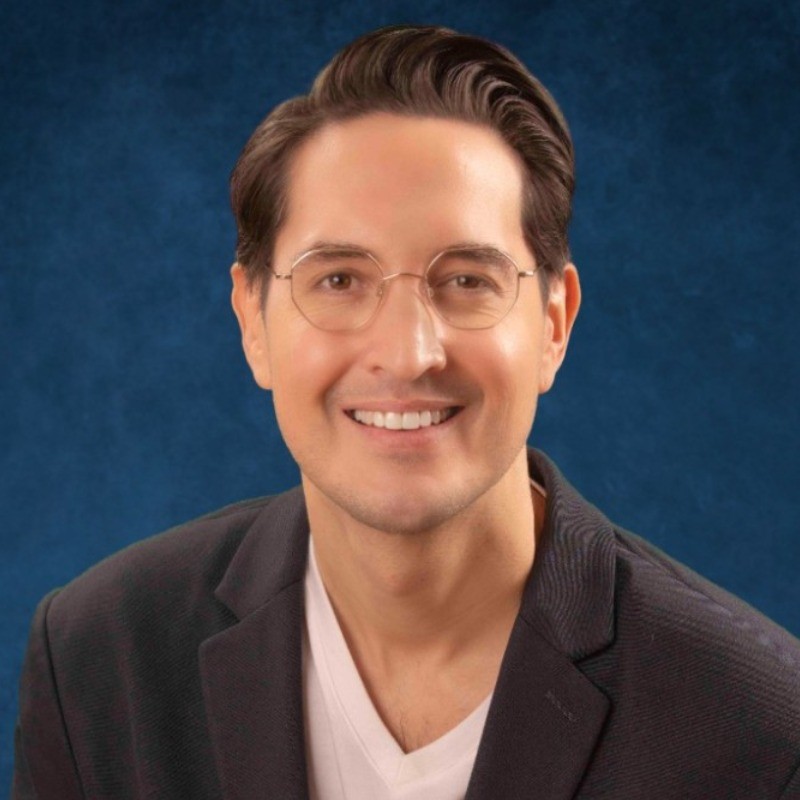
Jamie Durling
Durling drives enterprise growth and profitability by aligning talent, operations, and financial performance across complex, multi-billion-dollar organizations. He's known for leading large-scale transformation, integrating business strategy with workforce execution, and building high-performing leadership teams that accelerate results. His background is rooted in organizational design, operating model transformation, and translating strategy into sustainable, enterprise-wide impact.
Episode Transcript
Mo: [00:00:00] Welcome to today's episode of People and Strategy. I'm your host, Mo Fathelbab, President of International Facilitators Organization. People and Strategy is a podcast from the SHRM Executive Network, the premier network of executives in the field of human resources. Each week, we bring you in-depth conversations with the country's top HR executives and thought leaders.
For today's conversation, I'm excited to be joined by Jamie Durling, Regional Chief People Officer working in luxury goods for organizations such as Dolce & Gabbana and Moncler. Jamie also consults with growing retail organizations and sits on the SHRM Advisory Council for budding HR tech companies.
Welcome, Jamie.
Jamie Durling: Thanks so much, Mo.
Mo: Great to have you with us. Jamie, let's get started with your career journey and what brought you to the field of HR.
Jamie Durling: You know, this is a good question, and it's one that I'm asked [00:01:00] all the time, and I'll-- You know, there's, there's one, one company and one man who is responsible for me being where I am today, uh, uh, essentially.
Essentially. That, and my parents, and my grandmother. Uh, but it, it... The, the company is Gap Inc., and the man is a na- a, a guy named Mickey Drexler. Uh, so years ago, when Gap was at its height, and it's getting back there now, uh, uh, of, of its, of its popularity, it was run by Mickey Drexler, and there was a heavy investment in management development and leadership development in the organization, especially field leadership development.
So, um, that, uh, there was a program that was called a management development program, and I was exposed to different areas of retail. And one of the areas of retail within a field-based leadership position was human resources and HR operations, and that is what exposed me to human resources. That, combined with my undergraduate education, I started building this [00:02:00] plan that I didn't know I was building around what my future would be and what my career would be.
Mo: So Jamie, how do the lessons that you've learned throughout your time working in this industry apply to, uh, the wider scale for fellow HR professionals?
Jamie Durling: Yeah, and, and what I'm about to say applies to every industry where there is revenue that is generated. Hmm. So pretty much-
Mo: Okay. We're listening ...
Jamie Durling: almost the majority of the industries out there- Yeah
um, outside of non-for-profit. Um, it-- From an HR perspective, it is crucial that HR shifts, we shift our mindset from this concept of having a seat at the table. You know, in my opinion, and I know it shifts a little bit from company to company, but at this point, I believe, for the most part, we have the seat at the table.
The issue is what we do with the seat. And, and I'm a big believer that HR professionals need to shift their mindset from saying it's a seat to saying, "I'm [00:03:00] actually running the orchestra." As in, from an HR per- perspective and as an HR executive and a chief people officer, no one in the organization really understands, at least at a superficial level but sometimes at a much deeper level, each of the functions in the company and how each of those functions, functions drive towards the top targets of the organization.
And so from an HR leader's perspective, it is crucial that we shift that mindset and we have that perspective where we say, "How do we optimize the organization? How do we optimize the team?" You know, I, I think back to Patrick Lencioni's Team One. Uh, it really is, all right, I'm not, I, I, I'm not having... I, I'm a member of a, of a larger team and that, and my team are my peers and my colleagues, and we are spearheading and, and, and sort of leading the organization through whatever next chapter that is.
And so partnership with Team One, [00:04:00] partnership, uh, you know, uh, running the orchestra is, you know, s- as I say it, um, is, is, is really the way to go about doing that. There's a second part to the answer, and the second part is from an H- the HR leader's most powerful relationship in, in any organization is the CFO.
Mo: Hmm.
Jamie Durling: So-
Mo: Not the CEO ...
Jamie Durling: not the CEO, the CFO. I'll tell you why. There's a funny... I, it brings me back to "My Big Fat Greek Wedding," and, and the mother, Lainie Kazan, says, you know, you know, the, the, the, the, the man may think that, you know, they're the head of the family, but the woman is the neck, and they can, they can turn the head any direction that they want.
That is the role of HR and finance. The CEO is the head, but HR and finance gr- you know, are both parts of the neck, and they can turn the organization in any part that they want if they're aligned. And so the al- the alignment of the [00:05:00] CFO and the, and the CPO is absolutely critical for success in any organization.
Mo: Okay. I like that. I like that. Thank you. So Jamie, being in the luxury goods industry, uh, you're at the intersection of creativity and commercial discipline. How does HR help balance those two lanes?
Jamie Durling: Especially in my industry, creativity and innovation is absolutely crucial, uh, you know, because you're, y- you...
we're talking about many, many drops. It... And it's not just luxury retail, it's retail in general, right? Um, uh, especially when you're talking about clothing and ready-to-wear or, or accessories. Um, it, it, it, it is crucial, right? It, it's our bread and butter of how we design the product, how we foresee what's going to be, um, you know, on trend, or if not on trend, even exceeding the trend, um, so that there's energy and momentum behind the product that we're releasing.
So- It-- You know, there's a balance, and I say this all the time, uh, across a couple of different areas. You know, I'm [00:06:00] constantly living from an HR perspective, um, with, you know, a-an angel on one shoulder and a devil on the other shoulder. I want people to do more with less. Um, but, but that angel is saying I need to protect their innovation and their ability to create.
But, uh, but, but sort of the devil, to some degree, is saying, "But you need them to follow policy and procedure and fall in line and do things the way that we need to do them." So this is where the balance is, uh, between, you know, this, this angel and devil, um, in that, you know, we need to have flexibility, and I don't think this whole, this whole concept of guardrails I don't like because it, it makes it seem contained, that you're in a, in a contained box.
There needs to be, uh, I would say conditional expectations, um, of, of how employees operate in any organization. And it could be your design team, it could be, you know, your merchandising team, it can be your sales team, it can be any of those, you know, really anybody in the company- Mm ... um, to, to really [00:07:00] sponsor creativity and innovation, but then to do what you can to ensure that, that they are following the most crucial practices and principles and, and policies of the organization.
'Cause they're there not only to protect the company, but they're there also to protect the individual. Um, so it is a balance between the two. And you do that through, you know, I, I oftentimes say, and I do this in training and I do this when I'm speaking to my, uh, my colleagues on the Exco, um, you know, turning, turning your, your, your instrument, your radio in your head to WIFM, which what's in it for me?
So if you're able to effectively communicate to anybody, you know, the benefit out of a policy or a procedure that's so HR from some, from, to some degree, but if you can communicate it and really get it across, they'd be more apt to, uh, to, to, um, you know, not only to follow it, but to celebrate it and champion it.
And [00:08:00] another thing connected to that is I find that if you involve them in the solution versus just putting the solution on them, um, they are without question more apt, uh, uh, to, to carry it out. And so, and that's really, really important, uh, as well. It's to, um... I pilot everything and I use, um, key stakeholders in the business across different, different functions to help come up with a solution, and then once we've come up with it and we're ready to launch it, to roll it out and have them be a part of rolling it out.
Because it's better to hear from your peer than it is to hear from this chief people officer or the CFO or the CEO or, you know, the head of marketing, et cetera. Um, there's a little bit more of innate trust
Ad: Want more insights from top industry leaders? The spring issue of The People and Strategy Journal is here, and the theme is culture and community.
Discover how HR leaders are turning [00:09:00] connection into measurable business impact. From a feature on the power of peers, written by today's podcast host Mo Fathelbab, to a Q&A with former Surgeon General Vivek Murthy on the loneliness crisis at work. The journal is exclusively for SHRM Executive Network members.
Read it now.
Mo: So back to our, our conversation about the importance of partnering with the C-suite, uh, and you mentioned especially the CFO. How often are you meeting with the CFO and the rest of the C-suite?
Jamie Durling: So how often am I meeting... I'll, I'll answer the second question first and then the first question last.
Uh, how often am I meeting with the C-suite? I'm meeting with the C-suite every single week. Every week. Uh, uh, when you're in a, especially in a retail business, you're looking at the sales numbers from the week before. So once the sales numbers close by the end of day Monday, usually, the end of the week ends on Sunday, uh, uh, [00:10:00] we're looking at the...
Well, for us in, in, in retail usually, uh, it does. Um, end of day Monday, it's, the, the numbers are sort of locked and loaded, and so we either meet end of day Monday or Tuesday morning. Um, and then that's to look at the numbers, and then we engage the commercial leaders that are even a, a, a step below the ExCo to advise on what's going on in their local markets, um, so that from a, from, from an executive committee standpoint, we can make determination on how do we shift.
You know, I think about it from a talent perspective, from an incentivization perspective, merchandising, do we have the right product? Marketing, are we communicating the brand in the right way, et cetera. That has to happen on a weekly basis. If it doesn't happen on a weekly basis, virtual or in person, there's a little bit of a, a, a, of an issue there.
Um, the second part, the second question that you asked was the CFO. Again, the CFO and the, the Chief People Officer are at least meeting weekly because they're part of these weekly leadership meetings, the team one meetings. [00:11:00] Uh, uh, and that, that's happening weekly. But I would say formal touch bases between, uh, the CHRO and the CFO should happen monthly, and it should happen at the, uh, at the, after the month has closed.
So usually mid-month, once the numbers have been posted, um, that's when the CHRO and CFO meet to, to review how are we doing, how is the P&L doing? Where are we driving, you know, what are we doing from an EBITDA perspective? Um, what is our target? What are the costs of the organization? Um, and then what do we need to do collectively to, uh, ensure that we're driving profitability while ensuring we're driving top-line results?
And so that should be happening on a monthly basis after the close, as I said. Um, however The reality is, is that I'm speaking with the CFO daily. You know, it's not a formal meeting, but it's, uh, uh, but there's a conversation all the time for two reasons. Number one, I'm [00:12:00] not-- I, I'm pretty good at math, and I'm pretty good at the finances, but I am not a financial expert.
I'm an HR expert. So I know what I don't know or what I'm not as, you know, where my expertise lies. Um, so I lean on and engage my colleague, and this has been true across my career, especially over the past 15 years as I've grown in my career, um, you know, for insight and advice from a financial perspective when I'm looking at numbers, um, uh, as financial numbers specifically.
Um, and then the second reason is it... I, I go back to the, you know, the whole, uh, "My Big Fat Greek Wedding" sort of, uh, you know, idea. It is so critical that, that the, that the head of people and the head of the numbers are in lockstep because if these two functions are in lockstep, they really are able to influence the direction and the strategy of the organization.
Mo: And are you meeting more or less frequently as a result of the, uh, fluid [00:13:00] macroeconomic climate that we're in?
Jamie Durling: More frequently. Uh, more f- more frequently for sure because there's ups and downs every day, uh, depending on location, depending on if there's, you know, unfortunately some sort, some un- you know, unfortunate, uh, political situation that is, uh, that is occurring in, in a location where we are or where we have a heavy, uh, you know, number of FTE, um, or a lot of revenue stake.
Um, so we are meeting more frequently as a leadership team, um, informally, let's say. We have a WhatsApp chat. Uh, uh, uh, and formally, um, in, in person. It's, it's happening more frequently, and there's a lot more, many more phone calls and, and video calls as well.
Mo: Yeah. And a-as CPO, do you feel more pressure for HR to be more strategic, uh, of a driver in terms of the financial performance?
Jamie Durling: You know, this also is an interesting question. Uh, do I feel more pressured? I would say 50/50 in [00:14:00] that I feel more pressure, um, to maximize the, the return on investment of personnel, um, without question. Uh, however, I also put more pressure on myself. So, so some of the pressure is put on me and some of the pressure I'm putting on myself 'cause I believe, back to the orchestra, um, you know, being, you know, leading the orchestra, the conductor of the orchestra, um, that it is my responsibility and it is my job to make sure that the company is running as efficiently and effectively as possible.
And so that's both from, from a, from a frontline perspective and also from a corporate perspective. And this is not about reorganization. It's just, are all the pieces of the puzzle as, as fine-tuned and, and sort of connecting as I was talking about the CHR- C- CPO and, and, uh, CFO in lockstep. And once everybody is, is walking or, or, or going to the same beat, um, and, and driving towards the same targets and goals, um, then you [00:15:00] start to see real momentum in organizations shift.
You can't, you can't change what's happening outside of the company, right? We can't impact politics. We can't impact world economics. We can only control what are the controllables, which is within the organization. And so that's what we try to do the best that we can.
Mo: Is there a specific moment in your career where you saw the HR role fundamentally shift from a support function to a business driver in that context?
Jamie Durling: Yeah. I, I, I don't believe it was a m- it, it, there was a point in the career. I can tell you the person who had th- the... One of the people, 'cause I've had amazing mentors and, and amazing, uh, leaders, uh, both from an HR perspective and from an exec- you know, a CEO perspective, uh, that I've gotten, gotten to work with.
However, early in my career, I [00:16:00] was working for a, a, a very large, uh, jewelry and watch company, Italian jewelry and watch company called Bulgari, um, that's now owned by LVMH. And at the time, the, uh, chief HR officer of the company was a, a, an amazing woman named Flavia Spaini, uh, and I hope she doesn't mind me, me using her name, but I'm only going to speak positive things 'cause I only have positive things to say.
Um, she was the right hand of the CEO, who was a member of the Bulgari family, even though it was a public company. There were very few decisions that were made without her input and advice and guidance, and very early in my career, I saw this. I experienced it. And so as I'm learning, and I, I wasn't an HR leader at that...
I guess, like, everybody's a leader to some degree, but, but I wasn't by title an HR leader. Uh, you know, I was an individual contributor, but I learned the ability that HR has and that an HR leader has, a strategic HR leader has on [00:17:00] influencing the overall strategy and achievements of the organization, and nobody taught me better than this, than this amazing professional.
And so I really do, I don't know if she knows this, but I owe my career to, um, to, to this woman.
Mo: Okay. Well, hopefully you will have this to share with her. Uh, so Jamie, according to SHRM research, uh, the amount of time spent on strategic planning has a direct correlation with the CHRO perception. Have you seen that to be true in your experience as well?
Jamie Durling: 100%, yes, uh, without question. So one of the things that we do in retail, uh, luxury retail, uh, fast fashion, you know, whatever it is, accessories, uh, is measure employee productivity. Every commercial organization, even in the medical field, even doctors, um, are measured by, they're measured by RSUs, which is essentially is, is a form of productivity management and, and productivity measurement.
And in its simplest form, productivity is sales [00:18:00] divided by FTE. So basically, what is your average FTE generating? And there's a target number. The more that they generate, the more that they generate, the higher the productivity. If you keep your FTE flat, where does that extra money go? It usually goes to the bottom line, uh, because you're not adding extra expense.
So when I talk strategy from an HR perspective, there is tremendous focus on how do we get our teams to be more productive. Now, there's a lot of ways to do it, and there's no one right or wrong answer, and sometimes productivity's a dirty word in, in, in retail. However, I believe this goes back to how do we, uh, you know, we need to sort of look at the enablement of our employee population.
Are we giving them the right tools and resources that they need? And, and I think we need to expand what that means, tools and resources. I, I, I gave a couple of examples before, um, on, on looking at, uh, how productive our employee population is. You know, [00:19:00] I remember a couple years ago I was having a conversation with one of my retail leaders and, you know, our productivity was, was in certain locations was relatively low, uh, or much lower than we had expected, and we had certain doors that, that it was higher.
Um, and so, you know, I look at it from a regional perspective and I say, "Okay, overall it all adds up and it sort of balances," but you really need to look at it, as I said, micro listening. You really need to look at it at a, on a micro level and look at it location by location. It's true even for manufacturing, and it's also true for distribution, uh, organizations 'cause they also measure productivity, but just not based off of revenue, but based off of, uh, expected, you know, either, uh, developments, uh, product creations or, or shipments.
At the end of the day, it, it, you know, it, it ultimately comes down to how we as HR professionals are really looking at the tools and resources that the employees have. And so as I was talking with this individual, um, you know, we were trying to [00:20:00] brainstorm around what, what is the problem? What is the issue?
And when I look on a weekly basis, uh, uh, at... I only, I don't only look at the, the sales numbers and the KPI numbers of my sales organization, but I also look at the product information. And I looked at what we're selling, who's selling what, how much they're selling of it. Why do I do that? Because if I'm partially responsible for driving employee productivity, I have to ensure, as I've said four times now that my employees have the right tools and resources to do that job.
If you're in an, if you're in an organization or an industry that is selling physical product, part of doing that is ensuring that the employees have the product that they need to do the job that they need to do. If they don't have that, it could be sizes, it could be colorways, it could be styles, it could be, you know, putting cashmere sweaters in, uh, you know, in Miami, Florida in August.
Good one. Uh, you know, it, it, it could be all of those things. There are [00:21:00] reasons, it's, I'm not saying it's the only reason, maybe why, why that product is not selling. And so maybe it's a question more. This is a question, right? I don't know. I'm not a merchant, but, but when I look at it, the question is for the head merchant.
Are we, are we sending the right product into this store? Are we giving the employees what they need to convert the customers? And in some, sometimes we're not, and sometimes they don't even want that, but it's, it's a requirement from somebody else in the organization. But so when you, when you talk about strategy, yes, 100%.
You know, the expectation of it, the, the shifts, not even shift, the evolution, uh, of HR being more strategic is, is, is crucial, and we need to start looking at information and data that impacts the performance of the organization and of the employees that we lead, um, that are out- outside of the wheelhouse.
You're not gonna find that in your HRIS system.
Ad: [00:22:00] SHRM 26. 20,000 HR professionals in Orlando this June, featuring Oprah Winfrey, Simon Sinek, and John Maxwell. Bring your team, divide and conquer the sessions, and come back aligned. Register your team at shrm.org/shrm26.
Mo: Can you share a specific example where you used your seat at the table to have an HR win?
Jamie Durling: Yeah. It, it-- and a- actually, I'll c- I'll expand on this conversation that I was having, uh, th- th- this, uh, conversation I was having with this retail leader before. Um, so it was, it was j- just about after COVID and, and, you know, business was... A year after COVID, let's say, where, you know, we saw business spike and then drop.
And, and, you know, in, in luxury, it, things are tough right now in general. It, it, it's pretty well known. Um, but I [00:23:00] remember getting a, a question from somebody on my team saying, you know, one of, one of the retail leaders in the organization wants to add, I don't know, I'm using a random number, 30 additional FTE to their region in order to support the conversion of additional c- uh, additional sales.
Hmm. And I said, "Okay, well let's look at the, you know, let's look at the numbers. Let's look at the data What is the data showing us? What is the productivity? And the productivity, you know, when you look at a region, again, I, I, I tell you I look at the entirety of the region. I look-- I, I consolidate all the numbers.
You know, we were doing pretty well, but in this location, um, for the most part, um, but in this region, you know, you had some locations that were over-productive and some locations that were under-productive, and were not quite making the numbers that they needed to make. So there are a number of reasons, as you and I just recently discussed.
Um, but at the end of the day, they really had everything that they needed. A lot of that also has to do with leadership or microeconomics if they're in a specific city that is, that is, you know, being impacted by something. It could be political or otherwise. [00:24:00] Um, uh, so the response was, "Well, if you need the 30 FTE, I'll give it to you.
You know, you'll get it. However, you need to generate an additional 20 million euro." The person's face, I mean, their mouth dropped as mine almost just did. And why? Because when was the last time you heard somebody from HR tell a commercial leader the, a, a new revenue number they need to generate? So what do you think their answer was, was, "Of course.
Okay, we'll do it. We'll do 20 million more euro." And I'm like, "That's great. You have my support, but you're not getting the additional 30 FTE until you get the number, the additional 20 million euro added to the forecast."
Mo: Ah.
Jamie Durling: Because it's not real if it's not on the P&L.
Mo: Mm.
Jamie Durling: So that was also a little bit of a shock because it, it was thought that, like, I got 'em, you know?
I, I, like... And he d- and, and they did. They got me. They got me 'cause I was totally aligned. [00:25:00] However, it needs to be on the P&L, and wouldn't you know that, that, you know, when I sat down with the CEO and I sat down with CFO, the, the number wasn't added. Why? Because it was too volatile of a, of, of a time with so many ups and downs that we did not want to commit to an additional cost.
Uh, so, so at the end of the day, uh, the, the FTE wasn't added. However, uh, when I went back to this individual and I said, "What..." You know, "So unfortunately we're not able to add the FTE for X, Y, and Z reason. It's not being put into the P&L. You know, essentially if you wanna fight it, fight it with, you know, your boss, the CEO, or, or..."
But, but ultimately I was trying to explain at the end of the day the rationale and the reason why, and what I said was, I said, "But what are-- Is there another way that we can get you the support in the certain locations that you need the support without a- without adding additional cost?" And, and this is where, um, you know, [00:26:00] I really challenged her to think things through in a different way rather than just adding stuff.
It was more about moving the FTE that we had in, in, in the organization, moving from one location to another. And it wasn't about robbing Peter to pay Paul, uh, because some locations had heavier, you know, were just- heavier staffed, uh, you know, had more FTE that they didn't need necessarily, or maybe were using more hours, and this isn't-- This is why I talk FTE and not head count.
We're using more, more hours, which is FTE, uh, uh, than, than necessary. So this is about workforce optimization and schedule optimization, et cetera. So that's ultimately what we did. You know, we, we moved the FTE around open positions, et cetera, so that it gave this person the support that they needed, and we saw some, some momentum and some growth.
And so, you know, they didn't get what they wanted the way that [00:27:00] they wanted it. They had to put in a little bit more work. But ultimately, they were a- we were able to sort of meet in the middle, and they were able to be successful, uh, because they took ownership of, of, of what they had.
Mo: I love that. I love that.
Yeah. Great story. Uh, so Jamie, looking ahead three to five years from now, uh, what do you think will separate the truly exceptional HR leaders from the rest? And what should CPOs start doing now to prepare for the future?
Jamie Durling: Number one, it's to understand the data outside of HR. All the data, the financial data, the product data, the merchandising data, marketing information, when things are launching and all of that, and to link those things to what the, the compensation strategy is for the organization, especially if there's variable comp.
Um, and to not be afraid, you don't want to change your variable comp strategy every day, but to not be afraid to introduce maybe certain initiatives that [00:28:00] support certain marketing initiatives or product initiatives, um, that, that really drive, uh, th- that drive conversion and sell-through of that product.
So, so this is number one. Um, uh, you know, it is also about understanding the financials and understanding the impact that HR has on the overall, uh, performance of the organization. You know, every quarter when I meet with the C- the, the CFO, what we do is not just look at the overall financial a- uh, acumen of the company, but we also look at, I look at, uh, for my employees, both in the field and in corporate, how well are we performing and how likely are, are they to achieve overperformance in their end-of-year bonus.
And what do we need to do if they're not hitting 150%? You know, what do we-- Because at the end of the day, I want my people to get their bonuses.
Mo: Yeah
Jamie Durling: I want them to max out. So what do we need to do to get them to 150%? So, but again, a lot of this has to do with the financials. That's the [00:29:00] second. And the third, and I would not say most important, I would say all of these are important, is without question artificial intelligence.
Um, yeah, it, it, we-- HR is the gateway to AI in organizations, and I referenced earlier with you that you're starting to see a number of, of organizations evolve the HR role from, from people to people and AI. Um, and so the, the quicker we adopt artificial intelligence and pilot it in HR, which I know I have a lot of colleagues that are doing that right now ahead of the rest of the organization, the quicker that we're able to build not only momentum but trust around the transformation that AI is, is, is going to result in.
It's here. It's not going anywhere. It's going to continue to grow and continue to evolve. And from a change perspective, we are at the [00:30:00] forefront of this. So we went from COVID to AI. Uh, and, and very, very different, but, but this-- these are the three crucial, most critical things that I think from, from a HR perspective that we need to see from HR leaders in the future.
Mo: All right. Sounds great. And, you know, I- I-- you almost sound like a CFO to me, Jamie. But, uh, last question for you. What is one piece of advice that has shaped your work or personal life?
Jamie Durling: It was a personal piece of advice, not from somebody that I worked with, but from my grandmother. Um, uh, and, and I remember growing up, she-- I was so hard on myself as a kid if I didn't get ace, uh, a test or ace an exam or...
And, and she would reinforce to me, somebody who's been through a lot in her lifetime and through the Depression and, uh, uh, and all of that, um, she would say that it is about the effort that you put into it [00:31:00] and the intent that, that you realize, um, through, through your actions of, of what you're doing that matters the most.
And so I'll tell you, um, that helps me sleep at night, you know? Uh, and it, and it helps me reframe what is truly a priority, and it also puts intent front and center. Uh, and, and even from an HR perspective, if you think about the, the, uh, the, the basic HR things that we do from an employee relations standpoint, which is not always basic.
Sometimes they're huge class action lawsuits. But, um, uh- It is really about intent. What is the intent behind the action that was taken, regardless of the function, regardless of the person? You know, and I try to think about that. And this was my grandmother that taught that to me. So it helps me sleep at night, but it also helps me do my job effectively.
Mo: And that's where we'll end it for this episode of People and Strategy. A [00:32:00] huge thanks to Jamie for your valuable insights.
Jamie Durling: Mo, it's been wonderful. Thanks so much for having me on.
Mo: Thank you.
SHRM.
Featured Story

People + Strategy is a quarterly journal that delivers the most current theory, research and practice in strategic human resource management.
Enjoy On Your Favorite App
Feature Stories
As part of SHRM's commitment to providing cutting-edge resources, get additional perspective and more insights in content curated from SHRM and around the web.

Discover Johnny C. Taylor Jr.'s leadership insights on agility, empathy, culture, and change to build stronger teams and stay relevant.

A NASA mission lead shares how enabling continuous communication as a leader drives team connection and engagement. Avoid knowledge hiding to create inclusion.

Learn what strategic HR looks like when the CHRO-CFO relationship is aligned. Discover a real-world example of HR alignment as told by a fractional HR company.