“People + Strategy” Podcast Episode
AI in HR: Embracing AI Without Losing the Human Touch in Hospitality
- Video
- Audio Only
What if one of the most people-first industries in the world is also one of the best places to see how AI should, and shouldn’t, be used in HR?
In this episode of People + Strategy, Mo Fathelbab sits down with two leaders running HR at top hotel companies to explore how they integrate AI without losing the personal touch guests expect. Hear examples of AI in action from Aka Ali-Kerr, director of HR for Andaz West Hollywood and Unscripted Durham and Gregory Curtis, corporate director of HR and strategy at Avion Hospitality — a portfolio which includes The Windsor Court hotel in New Orleans, voted among the top 500 hotels in the world by Travel + Leisure in 2026. Recorded live at SHRM’s Executive NetworkVisionaries Summit 2026, this conversation gives HR professionals insight into AI-driven compensation tools to aid in recruiting and dashboards to house client data.
Related to this Episode:
AI Field Manual for Employers: 138 Use Cases for AI at Work
Learn all the ways HR departments are using AI — and which use cases make the easiest starting points.
The podcast is just the beginning. The weekly People+Strategy Brief also features articles on all aspects of HR leadership excellence. Explore these must-read stories featured in the latest issue. Subscribe now and elevate your strategy.
News + Insights

Heightened financial stress is weighing on employees and may be decreasing the value and satisfaction they feel for their benefits. Employers need to address this.

HR isn’t leading AI strategy despite the opportunities to own its adoption. Here’s how CHROs can step up to lead AI and drive real workforce transformation.

Discover how industry leaders are utilizing AI to retain institutional knowledge and prevent brain drain amid an evolving workforce. Gain AI use case examples.

How CHROs can lead AI-driven transformation by focusing on people, culture, and continuous change.
Episode Guests
-
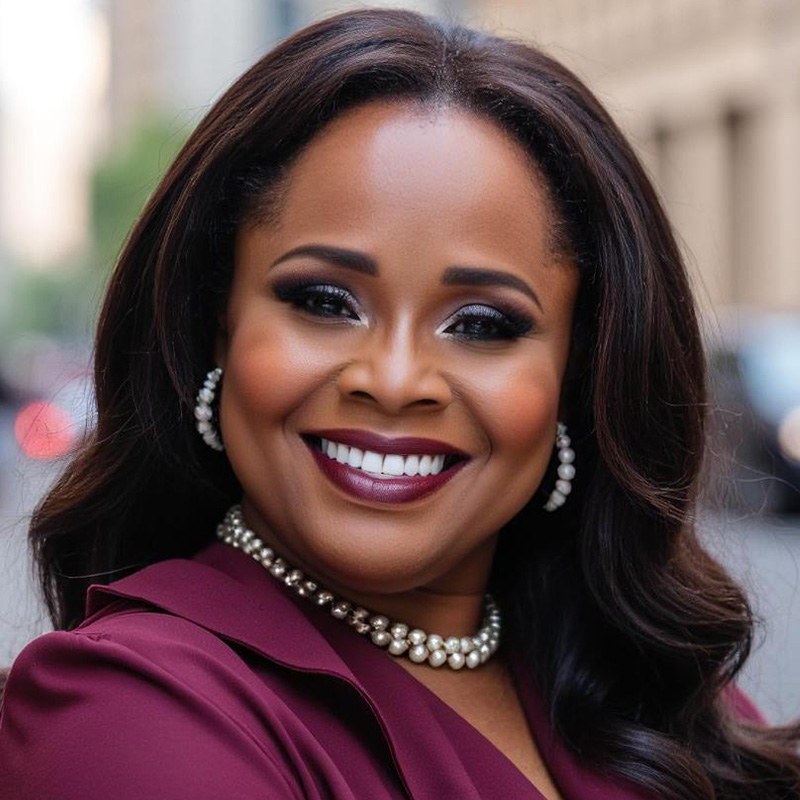
Aka Ali-Kerr
Aka Ali-Kerr is presently the HR Director at Andaz Miami Beach, Hyatt Hotels. She is an author of the book titled The Master Guide to Leadership Through the Lens of Care and a John Maxwell Certified Coach, Trainer, and Speaker. She has facilitated keynote speaking engagements, workshops, seminars, and coaching sessions to aid personal and professional growth through the study and practical application effective proven leadership methods. Working together, she has moved leaders and their teams in the desired direction to reach their organizational goals.
A dynamic Human Resource leader, she has advanced interpersonal skills that has focused on achieving individual and team objectives. Aka was been able earn respect around the strategic table by understanding the goals and objectives of the business and ensuring that her HR team is aligned with the achieving the business goals.
Aka has a passion and love for people which has been demonstrated for more than 23 years in developing and implementing best-practice strategies in Compensation, Recruitment &Selection, Training & Development, Job Analysis, Industrial Relations and Organizational Design, Performance Management and Employee Relations. Aka also serves as a Board Member for both the Academy of Hospitality & Tourism (AOHT) in Miami, Florida and the South Florida Hospitality Human Resource Association (SFlaHHRA).
-
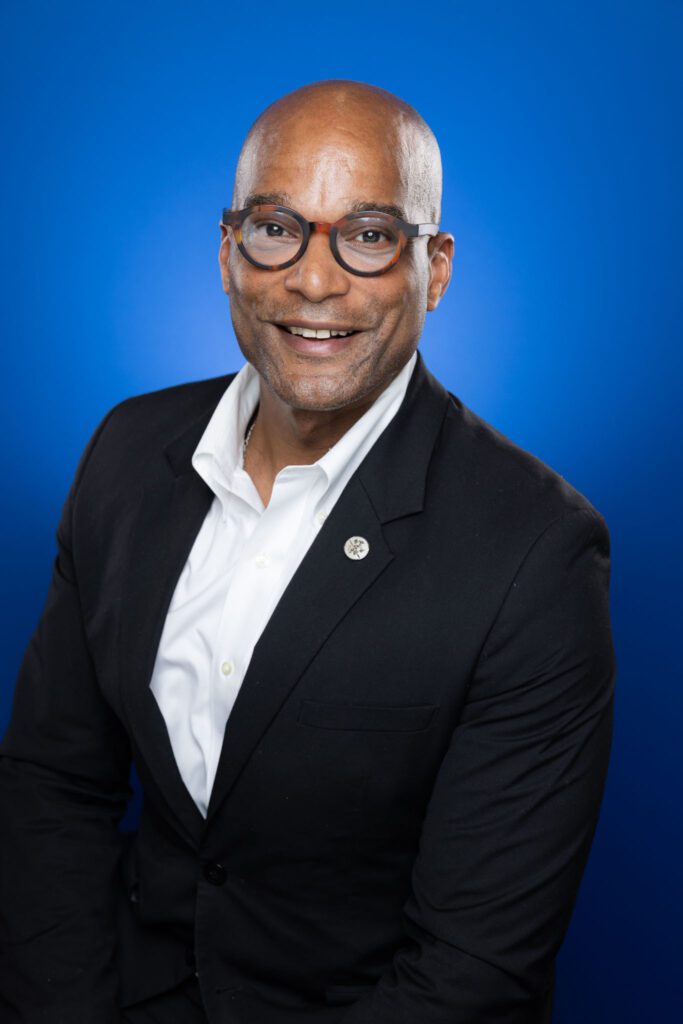
Greg Curtis
Gregory Curtis is the Corporate Director of Human Resources and Strategy for Avion Hospitality, the parent management company of the Windsor Court Hotel, the longest-running Forbes Four-Star, AAA Four-Diamond hotel in the state of Louisiana.
Prior to his current position, before he took on an expanded corporate role, Gregory led the Human Resources efforts at Windsor Court for almost two decades. He cultivated an HR team that supports and mentors nearly 360 employees and supports the New Orleans region in Human Resources and onboarding.
Gregory began his career at Windsor Court in August 2006, where he was an integral part of rebuilding the team after Hurricane Katrina. A native of Mississippi, Gregory attended Belhaven College and Tulane University College, where he majored in Political Science and English. Before joining the Windsor Court team, he was the Human Resources Employment Manager at the Ritz-Carlton, New Orleans.
A lover of the arts and animals, Gregory is Chair of the Board of Directors for the New Orleans Ballet Association and is the current President of the Mystic Krewe of Barkus, a non-profit organization committed to supporting animal welfare groups throughout Louisiana. Gregory is a Member of Christ Church Cathedral, where he has served as a Eucharist Minister, Junior Warden, Executive Board of the Episcopal Dioceses of Louisiana, and Chairperson of the Francis-Joseph Gaudet Children’s Fund. He has served on the Vieux Carre Commission and New Orleans Human Relations Commission. He also serves as board chair of the New Orleans Mayor’s Workforce Investment Board and Friends of NORD (New Orleans Recreation Department).
Episode Transcript
This transcript has been generated by AI and may contain slight discrepancies from the audio or video recording.
Mo: [00:00:00] Welcome to today's episode of People and Strategy. I'm your host, Mo Fathelbab, President of International Facilitators Organization. People and Strategy is a podcast from the SHRM Executive Network, the premier network of executives in the field of human resources. Each episode, we bring you in-depth conversations with the country's top HR executives and thought leaders.
Today, we're recording from SHRM's 2026 Executive Network Visionary Summit in Indianapolis. This episode is part of an industry series on how HR leaders are using AI Today I'm speaking with two HR leaders in the hospitality industry, which is known for its people-first interactions. In a world of AI, hotels are being tasked with unique challenge: maintain the level of customer service and care while also integrating technology to [00:01:00] accelerate processes.
Keep listening to get an honest look at how HR leaders are responding. If you're an HR professional trying to lead through change, this episode is for you. Let's get into it. For today's conversation, I'm excited to be joined by Akka Aly-Kerr, Director of HR for Andaz West Hollywood and Unscripted Durham in North Carolina, and Gregory Curtis, Corporate Director of Human Resources and Strategy, Avion Hospitality, headquartered in Plano, Texas.
Gregory is based in New Orleans. Welcome, Akka and Gregory.
Aka Ali-Kerr: Thank you. Thank you. I'm excited. Thank you.
Greg Curtis: Glad to be here.
Mo: Excited. Great to have you both. Great to have you both on the sh-
Aka Ali-Kerr: Humbled to be here.
Greg Curtis: Yes.
Mo: Well, we are honored to have you. Well, let's start by discussing your paths to HR. Uh, Gregory, you previously worked in the airline industry and then joined Avion Hospitality in 2006, and were an integral part of rebuilding the team after Hurricane Katrina.
How have these experiences [00:02:00] shaped how you approach your role as an HR leader today?
Greg Curtis: Yeah. The airline industry was really mo- Uh, it shaped me into learning basics of customer service and how to deal with challenges. As you know, the industry, the, you know, getting people where they need to be on time and, and the stresses that come with that.
Uh, and then the federal bureaucracy of the training and development that we had to do. I, you know, I worked in recruiting and, and also with training and development. And say keeping up with the fast-paced, um, industry was very, uh, uh, very important in, in my role. But so that taught me all of those basics things.
But, uh, really when Katrina, uh, hit New Orleans- Mm ... it really brought home that HR serves the whole person. Mm. And we had to help people not just navigate, uh, unemployment and all those things, and employment and re-employment, uh, but we had to also help them navigate their [00:03:00] personal lives. Mm. And I think that's why the, the SHRM executive network resonated with me in our first, uh, Visionary Summit, is that we were, we were talking a lot about how, as leaders, did we react to the personal needs because people don't just show up to work- Yeah
uh, and leave, leave themselves behind. They show up just with their real ideal self. And, you know, I took that from, uh, Chicago. That was my first Visionaries, uh, Summit, and it was just amazing, uh, to be in a group of people that, like-minded people that were going through the same things, and we were just quietly going through them without, without discussing them openly.
Mo: Yeah. And I, I just, uh, with, with the, the aftermath of Katrina, that wasn't just, you know, a typical challenge. That was unprecedented, probably something you hadn't seen before.
Greg Curtis: Yeah.
Mo: I, I remember a, a construction company where they literally had to house their employees in trailers.
Greg Curtis: Oh, yes. Yes.
Mo: Uh, what, what kind of extraordinary situations did you have [00:04:00] to deal with?
Greg Curtis: You know, w- i- i- in the direct aftermath of the hurricane, it was really just trying to find people and trying to make sure that they were okay. Mm. And, and making sure that, you know, that we got their funds to them, their paychecks and all, which was just very challenging. That's, that's why I was so prepared when we had the pandemic, because I had been through all of that, and I was ready for it.
But, um, it, it's just really trying to reconnect them with the workspace and, and really trying to make sure... We, we did have to have housing for employees because there was- they, they had nowhere to go. Mm. And then we had to help them with the schools. Mm. And so we, we enlisted companies like EdNavigator and other companies to help us with that portion of it.
Um, and you know, it was, it was just making sure that they were in a safe space at first, and then it's rebuilding the business. So we had to t- take care of the employees first. It was just like starting a brand-new company- Oh ... [00:05:00] or a brand-new ho- opening a brand-new hotel.
Mo: Mm. That is, that is incredible. And Aka, you grew up in Trinidad.
Aka Ali-Kerr: Yes.
Mo: Uh, moved to Miami for school, then began working in HR for Hyatt Hotels. Um, what drew you to the HR field, and how has your background shaped your leadership approach?
Aka Ali-Kerr: So full disclosure. I, I didn't want to do HR. Just, I'm just putting it out there in the universe. Um, so I- We kind of all fall
Mo: into it.
But you wanna do it now, I hope.
Aka Ali-Kerr: I, I do, yes. I did my, um, first degree in psychology, and then I did a minor in law 'cause I wanted to be an attorney. You know, parents always say, "I want you to be a doctor, I want you to be an attorney." So I said, "Okay." Okay. "I'll try this." Yeah. And then during school, we had to simulate the courtroom, and I wanted to defend battered and abused children.
Greg Curtis: Mm-hmm.
Aka Ali-Kerr: And then I realized I was getting too emotional. And I stepped back and I said, "Aka, I could see myself crying in the courtroom." I said- [00:06:00] Mm ... "Maybe this is just not for me." But I knew I had to do something with people, because people are my heart. And so after I did that, I did my post-graduate in HR.
Greg Curtis: Mm-hmm.
Aka Ali-Kerr: And it was then that I felt the love and the connection for people, because I knew my value proposition was always to pour in and leave people better than when I met them.
Greg Curtis: Yeah.
Aka Ali-Kerr: And so HR, it just aligned with who I am, and I think when you get a profession that is aligned with who you are, then work doesn't become difficult because it's, it's your DNA.
It's who you are. And so here I am. Um, I've been doing this for 23 years. Wow. Um, and you know what? I wouldn't change it for one minute.
Mo: Mm.
Aka Ali-Kerr: Yeah.
Mo: Well, I see you're bursting with joy. Um, so before we dive into the topic of AI and HR, one thing, uh, we have to discuss is the labor shortage happening right now.
Uh, and the [00:07:00] hospitality industry has been especially affected, uh, by the ongoing visa restrictions. So Gregory, how are you, how are you seeing this impact your workforce?
Greg Curtis: Yeah, definitely. You know, the hospitality industry depends on J1 visas- Mm-hmm ... H-2Bs. Mm-hmm. And, and, and it's definitely the, there's been a slowdown- Right
if not a stoppage in- Mm-hmm ... several countries that we partner with to bring, um, s- uh, the workers in. And so we've had to, uh, just really pivot to finding new ways to recruit talent. Yeah. But also, we had to go back to the old rules of being the employee of choice and making sure that we have strategies in place, and definitely platforms in place, due to use of AI, to recruit individuals, uh, to, to the workplace and make sure that we do it fast.
Because, uh, the old way of accepting a resume- Mm ... and going and reading the resumes and go- ... going through all of that, [00:08:00] we had to pivot to using those tools- Yeah ... through AI to make it, to make our jobs, uh- Yeah ... faster, to make it easier for us to be able to sort through candidates, to screen candidates, and to get them into the workplace.
So that's one of the ways that it's really helped us in the, uh, hospitality industry. Yeah. Because em- you know, uh, uh, in the hospitality industry, employees can, they, you, you gotta get 'em while they're coming, because they can go right up the street and find a job- Oh, that's right ... to do, you know? That's right.
And so it's, it's, it's, it's, um, it's really a struggle to get them through the hiring process.
Mo: Mm. Yeah. And I see this is resonating with you as well, Aka.
Aka Ali-Kerr: Oh, yes. It's, it's pervasive. Um, the first four years I was in the US, it was in Miami. Mm. And if anybody knows Miami, Miami is a melting pot, right? Yeah. Um, and having that diverse labor, that immigration really impacts us because it's a high Hispanic and Haitian population that drives the industry.
And really, it [00:09:00] really does not all go well when you need... The key resources, the most important asset in a hotel is the human asset. Oh, yeah. People don't come to hotels for beds. They come because of the service that these human assets give. So on one side, the Miami economy is driven by tourism, but yet there are restrictions and guardrails that are limiting us to be a better version of ourselves- Yeah
because of immigration. So how do you navigate and get that balance? And that's been something that we've been navigating. You just have to be really, really, um- willing to be uncomfortable- Yeah ... get comfortable being uncomfortable and experiment.
Mo: Mm-hmm.
Aka Ali-Kerr: Um, we've done a lot of partnerships with, like, schools, et cetera, high schools.
So because most times hospitality is an entry, a starter career. Mm-hmm. So what we've decided is that, okay, let's go out to the high schools and get high school students to be part [00:10:00] of our workforce- Mm-hmm ... since we have the limitations with the immigration- Yeah ... nuances. And so that's what we have done to kind of navigate and pivot.
Yeah. Mm-hmm. So.
Mo: Yeah. A- and Gregory, are you doing the same thing? Same thing. I see that's resonating with you
Greg Curtis: as well. Yeah, yeah. We, we, we have to, and it's, it's, it's really become, you know, you c- you used to be able to depend on a, a fresh group of people coming in every year, uh, through the visa processing.
Yeah. You, you can't depend on- Yeah ... on that these days. You have to make sure that you, you build talent. And so what we've, what we've designed some programs, not just in our properties, but through the industry in New Orleans to where we are going to the high schools and we're, we're mentoring individuals to come and work in the industry and making sure that we've provide pathways for career paths in the industry.
Ad: Hey, since you're tuning into this episode, you already know leadership development matters. But [00:11:00] are you and your team investing in it? At the SHRM LINKAGE Leadership Institute this November, you'll get personalized insights from world-class speakers, proven tools to strengthen your influence, and defined strategies to maximize impact, all through an immersive three-day experience that combines peer learning with data-driven exploration to help you turn big ideas into business outcomes.
And 82% of participants say they're outperforming the company average thanks to the institute. So join the SHRM LINKAGE Leadership Institute, part of All Things Work 2026. It's where leadership becomes your business advantage. Learn more and register your team at shrm.org/atw-linkage. We'll see you there
Mo: So, uh, diving into AI a little further, uh, one thing you said, Acha, is that AI is not something you can take off the shelf, and yet hotel guests still want face-to-face [00:12:00] interaction.
Absolutely. So how are you seeing this AI adoption evolve at the Andaz Hotel?
Aka Ali-Kerr: Um, so we have recognized that hospitality, different to other industries, AI cannot be at the forefront and should not replace the human interaction. You know, I was talking to a group earlier, and I asked them, "If you checked into this hotel today, would you want to have been checked in by a robot?
Would you leave your home?" "The comfort of your home to interact with a robot?" And the thing about hospitality, I mean, the root word of hospitality is all about serving.
Greg Curtis: Yeah.
Aka Ali-Kerr: And AI is not meant to serve. It's meant to supplement. And so for me, we have used AI not to replace, but to enhance. How do you use AI to, for instance, for HR job descriptions, per- performance [00:13:00] assessments, um, PowerPoint presentations?
Use AI. But what are you doing with that time? You walk around with your internal guest. You meet employees at their point of need. So you're ensuring that you're really using that time that you would've spent behind your desk with the guest. Yeah. The internal guest- Yeah ... who's delivering that exceptional service.
So at, um, Hyatt, that's what we have done. We've ensured that AI is not limiting the guest interaction, but what we've done is use AI to build a platform and framework to use data-
Greg Curtis: Yeah ...
Aka Ali-Kerr: to enhance the experience. Yeah. And I think that's what's important. Um, Mo, if you travel to Europe, I hope you are a Hyatt member, but we're not gonna go there, but I hope you are.
I am, I am. Very good. Of course I am. Okay, good. So if you go to Europe, and if you go to the Caribbean- Mm ... we have notes on you.
Speaker 6: Mm.
Aka Ali-Kerr: That's AI generated. I'm worried what you have on me. Oh, everything. But we [00:14:00] use that data in order to ensure that you have a memorable experience, and that is what we use da- data and AI for.
Yeah. To create those memorable moments, and but it does not take away from the personal interaction, the smile. "Mo, thank you for coming back. Welcome. How was your trip in China?" Because we're using data, but we're using that to enhance the experience that you're gonna get. Yeah. Yeah. So that's what we've done.
Mo: And I hear yes, yes from Gregory. Yeah. Same, same. Yeah.
Greg Curtis: Mm-hmm. Same question. So we, we do use AI from a people strategy. Mm-hmm. A- a- internal people strategy much more so than we do with the guests. We do with the guests to enhance the guest's experience- Mm-hmm ... in hospitality. So if a guest go to our website and say, "I'm coming to New Orleans," we'll be able to have a- Mm-hmm
a concierge that they can go in and put things that they like- Mm-hmm ... and what they wanna do while they're in New Orleans, and that enhances their experience when they're staying with us.
Speaker 7: Mm-hmm.
Greg Curtis: Uh- Yeah ... we do have [00:15:00] certain guests that dun- don't want to pick up the phone and talk to someone. Yeah. They'd rather use, uh, use a tablet or use to, to interact with- Yeah
the guests and staff, uh, an app. And so what, what those c- you know, it's being able to have both of them- That's- ... at the same time- So good ... that they ha- that they have a technology. Technology is very important in hospitality. Mm-hmm. But it also is important to have that personal touch. Absolutely. So you need both of them to work hand-in-hand.
Speaker 8: Mm-hmm. Mm-hmm.
Mo: And so Gregory, you mentioned that it's important to meet the guest at their point of need. What are some things the Windsor Court has integrated, uh, to do this? And whether it comes to guest wake-up calls or virtual concierge, and, and by the way, uh, just to be noted here, Windsor Court's, uh, won the top 50 hotels in the country not long ago.
Greg Curtis: It, it, it, it won number one in the world by Condé Nast in the past, and it's been, uh, number one in the country twice. Wow. And it's in the top 50 in Condé Nast and most ratings every year. It [00:16:00] is a
Mo: lovely place. Yeah. I highly recommend it. It is worth- It's worth a trip to New Orleans.
Greg Curtis: It is. Yes. It is.
Mo: So, yeah, so-
Greg Curtis: And it is the people.
Uh, a great hotelier named Horst Schulze who started the Ritz-Carlton Hotels-
Speaker 7: Mm ...
Greg Curtis: s- uh, s- had this quote, and I, I remember it distinctly, "We don't just build a hotel and put the name Ritz-Carlton up there. We put our heart and soul in that hotel-" Mm. "... in the form of people."
Speaker 7: That's good.
Greg Curtis: And by that, and I w- I got to meet him, uh, before he retired- Mm
uh, many years ago, uh, before the Ritz-Carlton brand was sold to Marriott, and, and it was just, it was chilling to be in a r- it was just, I have goosebumps about being in the room with him and hear him talk about his philosophy of, of customer service, of- Mm ... of the human interaction. Mm. And so, you know, we put it in the form of people, so you, if you're in the luxury market like the Windsor Court, that you have to have that human touch.
At the same time, when you get those scorecards that we were talking about earlier, you have to have that [00:17:00] technology in place- Mm-hmm ... so the guest experience can be enhanced. Sure. Whether it be from in the, in the bar or restaurant- Mm-hmm ... having, uh, a wine list that someone can scroll through electronically, and they can, you can put in their tastes and their, their likes and all of that, and you can customize their experience.
Yeah. And, uh, or, or, uh, their customize their stay. And then, uh, in the back of the house, as I said earlier, you make the employee experience, whether it be employee engagement- Yeah ... uh, whether it be, uh, you know, m- marketing and branding the hotel, things like that, AI is really strong. When I do, uh, an annual visit to our properties, we have 40 properties roughly in the United States, when I visit our properties, um, we have tools that you can go in for your property visit and take pictures, and AI can, can bring you back, bring back feed- help you with the feedback that you give the properties on the look and feel and the guest experience as well as the employee [00:18:00] experience- Mm-hmm
in the hotel. Mm. So it's being used. Uh, it, it's important that it's there being used because it helps us save time- Mm-hmm ... and it helps us, it certainly, um, enhance the talent that we already have in-house because they can be doing other things like taking care of the guests and meet and greet- Yeah.
Absolutely ... and those things that we do- Mm-hmm ... to, you know, to make our employee experience great.
Mo: Yeah. A- and I have to ask, are you both using AI as travelers? Yes. Yes. Becca, let's start ... Yeah, so how? Yes. Yes. Tell us how you're using it as a traveler.
Aka Ali-Kerr: Simple, simple things like s- Not to call brand, but American Airlines, they really meet you at your point of need.
Mm-hmm. You know, whether it's using the lounge, whether it is understanding my travel, 'cause I travel frequently because of my role. So sending me a message, Aka, you know, "I know that you're coming up- Mm ... to traveling to California." Mm-hmm. You know, "Do you want me to book, uh, your Uber for you?" Yes. So it's really about, um...
And I think what I love about AI, it's, it's not, it's not a [00:19:00] stroke It's this, it's really meeting people at their point of need. Um, especially in hospitality where you have someone who is in their 80s traveling, but you have someone who is 18.
Speaker 7: Yeah.
Aka Ali-Kerr: Their needs are different. And so when we apply AI, we have to look at it through those lens.
Speaker 7: Mm.
Aka Ali-Kerr: The AI experience has to meet the guest at their point of need and not the hotel. It's not, we're not here to serve ourselves. We're here to serve the guest. Mm. So I think that... So American Airlines has really helped me navigate my flights and pickup and all those things. So that's how I've used AI with my travel.
Yeah.
Mo: Wonderful. Yes. What about you, Gregory?
Greg Curtis: Uh, I, I do with travel. And I, I, I'm one of those people that I, I'd rather talk to a hu- human being, but I don't like to wait on the phone a long time. So I, I, I was- Well- ... I was, I, I was, I was so surprised. I, I u- an international airline, I was on my way to South Africa [00:20:00] recently, and I was, I was, um, I was trying to get some things planned for my trip, and most of them dealt with getting, um, into lounges and doing these things.
Mm. And I went on the, the... I went to the call the airline, and it says, "We will call you back in-" Mm-hmm. "... you know, in 30 minutes. You don't have to t- wait on hold." And it- Mm. And then I looked up and there was this, I forget the name of the AI widget that showed up on my screen, and it says, "You can talk to..."
whoever it was. And I s- I started talking to them, and it, it was through WhatsApp.
Speaker 6: Mm.
Greg Curtis: And, and I was so, I was so surprised. It was so easy. And it took a few minutes, but I had everything planned. Mm. I had meet and greet planned. I had, you know, cars planned. I had all kinds of things done, and I was delightfully surprised.
And I'm not one of those people that doesn't like to speak to someone. [00:21:00] I want someone to- Ooh. I love it when she said American Airlines, when they say- Yeah ... "Gregory-
Aka Ali-Kerr: Yeah.
Greg Curtis: Absolutely ... um, thanks for calling- Yeah ... and being one of our most valued customers." Yes. Yes. Yes. I, I remember that. Yes.
Aka Ali-Kerr: It warms your heart.
Greg Curtis: Yes.
Aka Ali-Kerr: Someone knows my name.
Mo: Yes. Yes. Wonderful. Yes. So beyond the customer experience- Uh-huh ... you both are also integrating AI into your HR practices. Yes. Yes. Uh, Aka, you have a dashboard to house guest data and provide updates to the executive team.
Aka Ali-Kerr: Yes.
Mo: Yes. Uh, how does this AI-driven dashboard work, and how has it improved your HR workflow?
Aka Ali-Kerr: So every week we get, um, an email that gives us some key performance indicators based on what is in market, whether it's your RevPAR index, whether it's your ADR, your average daily rate, re- whether it is your group segment, your transient segment. A lot of rich data that is compiled from man- multiple platforms.
So when we are sitting as an executive, we have the facts and data to inform [00:22:00] decisions. Vis-a-vis the last, um, data that we got, our customer service scores dropped, right? So for me, as an HR person, then I lean in. Was it a particular person? Was it a particular day? Is there a training gap? How do I fill that gap?
So that data allows me to ensure my HR systems are aligned to business needs, because sometimes in HR it's difficult to show that alignment, right? Yeah. But when you have the data, then alignment becomes easier, and then you get more buy-in. Yeah. And your value proposition increases around the strategic table.
Mm. So that's how we are able to pull that rich feedback-
Greg Curtis: Yeah ...
Aka Ali-Kerr: but then use that feedback to inform business decisions. Yep. So that's what we do.
Greg Curtis: Yeah.
Aka Ali-Kerr: Yeah.
Mo: Similarly, Gregory?
Greg Curtis: Similarly. Mm. Very similarly. You know, we look at the market, we look at- Yeah ... uh, we pull, extract data from, to determine rates. Mm-hmm.
And like, like Aka said- Mm-hmm ... uh, [00:23:00] rates, rate, make sure that we have the- Yeah. Mm-hmm ... that we're having the same, that we're being able to attract customers- Right ... and find out what, what, what, what's in the industry that's coming- Mm-hmm ... to town, whether it be SHRM or any other conventions. Yeah. Mm-hmm. And, and just, just really being able to, uh, to enhance the customer service- Yeah
but also to tell us how we can manage, uh, our financial house- Correct. Mm-hmm ... and make sure that we're, we're putting dollars where they need to be- Yep ... and talent where it needs to be as well.
Speaker 10: That's good.
Greg Curtis: And we also use it, it, like, we, we just now engaged a company, uh, to do, uh, AI, um, training with our employees- Mm
uh, to try to determine what are the training needs at the different properties, whether they be the brands, like the Hyatts or the Marriotts. For us, we, we manage several properties, whether they're independents, Marriott, Hyatts, Hiltons. We, we manage several of those, and we have to gather data of, to, to make sure that the [00:24:00] whole company, uh, operates in the clear, you know?
Mo: Mm. That's good. Mm-hmm. Um, so Gregory, you already mentioned that you're not reading resumes anymore. Uh, so- Oh,
Greg Curtis: boy. Don't, don't tell anyone.
Mo: We're gonna send you some, some fake ones and see what happens. So how are you using AI for recruiting, and, uh, how are you using it to help you with, uh, as a compensation tool?
Greg Curtis: Yeah. And it- we're using it for both. Yeah. And recruiting, uh, we, we, we, we're not reinventing the wheel in house. We're using a platform that we use already for our recruiting, and they have AI in, in emerged in there, and it helps us with job descriptions. Mm-hmm. It helps with job postings. Yeah. It, it, it, you know, it, it's funny how it used to take you hours to create a job description.
Oh, God. Now you can put in some key factors. One minute. And you can, uh, and you can look at it, and then you can- Yeah ... evaluate it and then keep, you know- Yeah ... uh, y- you can do things that, [00:25:00] that, that used to take us days- Mm-hmm ... and weeks to do to try to, uh, create manuals and policies and procedures. So we, we're using AI in a lot of those areas.
Uh, and, and it certainly, uh, you know, you can go in and, uh, and where we used to have to research every city that we- Mm ... operated in and when we were putting together a handbook, because the handbook had to be universal. And now we, it integrates all that information- Mm. Mm ... into one place, and we can make the handbook, we can prepare handbooks for each city and each state that we operate in- Mm
which has, as you know, various laws- Mm ... uh, and, and regulations.
Mo: And I'm assuming there's verification by your legal department after that. Oh,
Aka Ali-Kerr: yes.
Greg Curtis: Oh, yeah. Oh, yes.
Aka Ali-Kerr: That's a good point. Yes. AI is not a copy and paste.
Greg Curtis: And it doesn't replace-
Aka Ali-Kerr: You, it does not replace- ... the human eyes reading You need to look at it.
Mo: You may wanna replace the lawyer, but it just...
Greg Curtis: No, you don't replace the lawyers or the HR professionals.
Mo: We love [00:26:00] lawyers. I'm just kidding. Yeah, just- All right. Another thing right now that's top of mind for many is benefits. Akka, how is the Hyatt using AI to improve benefit recommendations for employees?
Aka Ali-Kerr: Using AI, each employee's allowed to answer five questions. Mm. About their health, their dependents, et cetera. And then AI then puts forward suggested plans based on those questions.
Greg Curtis: Yes.
Aka Ali-Kerr: And I think it's just, uh, it's just amazing that AI is able to, for the most part, give you best in class for you. Again, and it's important- Customized
Greg Curtis: for the individual
Aka Ali-Kerr: and it's important because a lot of, uh, em- employers, they think that AI is something that you could just go into a store and buy it. AI has to be customized. Um, and those questions allows your benefits to be customized. Um, and it's important, again, that we meet you at your point of need. [00:27:00] So though we have one provider, what that provider offers is different for you, different for Gregory, and different for me.
Yeah. And that's how we've used AI as part of our health plans, and it's really all gone well for ensuring that the employee most important, our most important asset- Mm ... feels well taken care of, and that the benefits is truly a benefit.
Greg Curtis: Yeah.
Aka Ali-Kerr: You know, because sometimes we offer benefits that are not applicable.
Greg Curtis: Yeah.
Aka Ali-Kerr: But using AI, it affords you the opportunity to choose what you want. It's a cafeteria. Yeah. You choose. If you want steak today, you choose steak. Yeah. And that's what it allows you to, it allows you to choose the medical procedure, um, arrangement that meets you and your family at your point of need.
Greg Curtis: Yeah.
Aka Ali-Kerr: Yeah.
Greg Curtis: Yeah. And, and customizing it- Mm ... uh, not only do we use, but from us for a broader sense from a corporate standpoint, we're able to see what the [00:28:00] market is-
Aka Ali-Kerr: Correct.
Greg Curtis: Mm-hmm ... and, and, and compare our benefits- Mm-hmm. That's
Aka Ali-Kerr: right ...
Greg Curtis: uh, to other, uh, other markets, and, and making sure that it's, uh, that the employees, um, in, in a certain area are...
That we're being competitive- Absolutely ... with our benefits. Absolutely.
Speaker 10: Manager effectiveness directly impacts performance, retention, and cost.
Speaker 6: People are stressed and they're stressed because of their people manager.
Speaker 10: Traditional training builds awareness but often fails to change behavior.
Speaker 8: SHRM developed this thing called PMQ.
That stands for People Manager Qualification.
Speaker 6: PMQ. Teach managers how to manage, how to be more effective, more empathetic, more understanding, and better motivators of people.
Speaker 7: Driving behavior change when it matters most.
Speaker 8: Where the plus part comes in is Life Guides.
Speaker 6: We unleash the power of every employee if your manager was better and you were feeling mentally well and safe.
Speaker 8: What Life Guides does is serve as that coach to [00:29:00] connect with another human being who can help you navigate through all those real-life examples that relate to you from the things that you learned in that training.
Speaker 9: PMQ+ is an addition to my toolbox. I've seen a better relationship with my managers and how they collaborate, how they work with each other.
There's not that stress anymore 'cause they feel like they have somebody to release.
Speaker 6: That's why we created this PMQ+, Life Guides plus SHRM's PMQ.
Speaker 11: Increase performance. Get PMQ+ today. SHRM.
Mo: So you've both proven that AI has brought improvements- Yeah ... to your HR work. Uh, but it also comes with risks. Uh, and Gregory, you've seen firsthand the impact, uh, of a leader relying too heavily on AI for performance reviews. Uh, what happened in that scenario? And, and what- Yeah ... are the risks leaders should be aware of when using AI?
Greg Curtis: Yeah. You should really be aware that AI doesn't take away from [00:30:00] you- Mm ... providing the information on the employee- Mm ... and, and their performance. Mm-hmm. And it needs to really be a, a, a, a conversation with the employee based upon y- b- behavior- Mm ... and based upon their performance throughout the year. Yeah.
And that you have to really, uh, make sure that you're putting in, like I always say, data in, bad data in- Garbage in, garbage out ... bad data out. Yeah.
Aka Ali-Kerr: Garbage in, garbage out. Garbage in, garbage out. Mm-hmm.
Greg Curtis: So in this case, we had a manager that we noticed a trend of all of his employees were kinda, uh, at a baseline, and, and you could read through the, um, the performance reviews that they all sounded pretty close to the same, and you didn't really have a team of, of...
You had a team that, that all were, were, uh, exceeding or not exceeding at the same speed or same level. Oh. And so we had to- Yeah.
Aka Ali-Kerr: Mo was like, "Oh, no."
Greg Curtis: Yeah.
Mo: That's a pro-
Greg Curtis: That's a [00:31:00] problem. And so we were able to, to, we sit down with the, with the leader and say, "Hey, you know, tell us, w- you know, it comes, there is an AI tool that's on the platform that we use to do- Mm-hmm
the performance reviews." Mm-hmm. And you don't, you don't need to rely on it to, to actually do the review. You need to rely on it to make sure that, that what you put out there is- Yeah ... you know, is legal and it's- Mm-hmm ... it's, it's, it's current, and it's what the actual employee is actually, how they're performing.
And so, uh, I, you need to make sure that there are guardrails put in place- Yeah ... uh, when you're choosing AI, when you're allowing employees to work in AI because, uh, it, you know, you need to make sure that, um, that you're not getting into areas that causes exposure.
Aka Ali-Kerr: Mm-hmm. That's so good. That's so true.
It's, it's important. You know, every other thing that we use, we're trained. Like, when I first drove my car, I was trained how to drive. [00:32:00] It's a tool, and AI is a tool.
Greg Curtis: Yeah.
Aka Ali-Kerr: We cannot afford not to train people to use a tool.
Greg Curtis: Yeah.
Aka Ali-Kerr: And that's what is happening. Many times employers are just saying, "Yeah, we have AI."
Greg Curtis: Mm-hmm
Aka Ali-Kerr: Okay. Well, train me
Greg Curtis: Yeah
Aka Ali-Kerr: How do I use it? How do I apply it? Um, and I think when we understand that AI is a tool, and like every other tool
Greg Curtis: Mm ...
Aka Ali-Kerr: training is required, right? Training is
Greg Curtis: required. Yes
Aka Ali-Kerr: You, you need to equip your team
Greg Curtis: With
Aka Ali-Kerr: With the training. Training enables the tool
Greg Curtis: Yeah
Aka Ali-Kerr: The tool cannot be effective there if there's no training
Greg Curtis: Yeah
Aka Ali-Kerr: And I think that's, that's also important as well
Greg Curtis: Yeah
Aka Ali-Kerr: Uh, yeah, as we navigate this
Mo: So that is a good segue to our next, uh, question as we talk about the future of HR, uh, using AI in, in hospitality.
If you could each give one piece of advice to an HR professional [00:33:00] who's just beginning to explore AI tools on their team, uh, what would you, what would you start with? Uh, I'll start with you, Eka.
Aka Ali-Kerr: I was listening to a podcast recently with Jon Clifton. I think he's the CEO of Gallup. He made a statement. He says that culture will eat AI for breakfast Mm Which is a version of what Proctor would've said
Speaker 9: Mm-hmm
Aka Ali-Kerr: You know- Culture.
People do not follow strategy, they follow behavior. You could have the best AI strategy, but if your culture is not in alignment, then AI is not as effective.
Greg Curtis: Yeah.
Aka Ali-Kerr: And so for me, I would say to you that especially in hospitality-
Greg Curtis: Yeah ...
Aka Ali-Kerr: culture is represented by the service that we give. [00:34:00] If your culture's not healthy and happy and engaged, because engagement is linked to productivity, that's linked to profitability.
Greg Curtis: Yeah.
Aka Ali-Kerr: If your culture's not engaged, what's gonna happen? You're gonna have a high turnover of your guest.
Greg Curtis: Mm-hmm.
Aka Ali-Kerr: You're not gonna get retention. You're not gonna get brand loyalty.
Greg Curtis: Yeah.
Aka Ali-Kerr: And so it's important that we understand that culture is integral, and it has to be at the forefront, whether it's AI or anything else.
Greg Curtis: Yeah.
Aka Ali-Kerr: Yeah.
Mo: Gregory, what about you?
Greg Curtis: Well, I would first ask the question of not, "Hey, how do we use AI?" But I would ask, "Why do we need AI?"
Speaker 11: That's good.
Greg Curtis: And I would also say, uh, uh, "What problem, uh, that I'm trying to solve?" Good. And go from that angle instead of, "Hey, we need to use AI." Instead of that, going to say, "Hey, uh, I want to use [00:35:00] AI in the workplace.
What do I need it for? How can it make me more efficient? How can it develop... How can I use it as a development strategy for my people?" Yeah. Yeah. And I think that sometimes we, you know, we jump into the, when, when there's a new trend, we jump into it and say, "Hey, uh- Mm-hmm ... it's, it's important that we use it."
And it i- it may be important- Mm-hmm ... uh, because you'd wanna be competitive. Yeah. And you wanna be, not just from a strategy of customer service in hospitality- Mm-hmm ... as we said earlier, but from a strategy of being the employer of choice.
Ad: Yeah,
Greg Curtis: yeah. So you need to make sure that when you, when you go into it, you go into it fresh eyes- That's good
and say, "Hey, this is what I want to accomplish." Yeah,
Aka Ali-Kerr: that's
Greg Curtis: good. "And, and the- these are my goals and objectives."
Mo: Start with the why.
Aka Ali-Kerr: That's- Yes ... always start with the why.
Mo: Yeah.
Aka Ali-Kerr: Yeah.
Mo: Uh, so what is one thing AI will never replace in the hospitality industry? Akka.
Aka Ali-Kerr: AI [00:36:00] cannot replace memorable moments. Mm. Oh.
When you walk into a hotel, the bellman says, "Hi. Welcome back."
Greg Curtis: Yep.
Aka Ali-Kerr: AI's not gonna tell you welcome back. When they said, "How was your trip today?" Mm-hmm. "I know your flight was delayed."
Greg Curtis: Mm-hmm. "
Aka Ali-Kerr: But you know what? We have your favorite amenity in your room." Listen, most people spend years planning for a vacation with their family They are not focusing on AI They are focusing on that smile.
Greg Curtis: Yeah.
Aka Ali-Kerr: They're focusing on that server-
Greg Curtis: Mm-hmm ...
Aka Ali-Kerr: who says, "I remember you're allergic."
Greg Curtis: Mm-hmm. "
Aka Ali-Kerr: Mm. What do you feel for today? Today's your birthday." Listen, [00:37:00] that's what hospitality is about. And for me, that will never be replaced with AI.
Greg Curtis: Yeah.
Aka Ali-Kerr: Humans create memorable moments, not AI.
Mo: That's a good quotable right there.
Gregory.
Aka Ali-Kerr: Ooh.
Greg Curtis: Aka stole my quote.
Aka Ali-Kerr: I'm sorry. That's okay.
Greg Curtis: Take it back. That's okay. But, uh, eh, you know, I- it doesn't, a- and then Forbes concentrate on this a lot- Ooh ... when they come and do their shops. Yeah. The elements of luxury and hospitality. Yeah. The elements of service and hospitality. Ooh. So they, it has elements.
Yeah. Service has a beginning- Yeah ... and an ending and a middle. Oh. And we call those the three steps of service. Of service. Mm-hmm. And the beginning is the warm greeting and the smile- Right. Yeah ... and using the guest name or the customer's name. And the middle is meeting, eh, their expectation and exceeding them.
And then, um, eh, then the final step is wishing them a good- That's right ... farewell. And, and [00:38:00] so, and they're, they're very intentional steps.
Speaker 10: Mm-hmm.
Greg Curtis: And one cannot replace the other. They all have to be there. Yeah. It has to come full circle. Yeah. It's like going to the bank and walking up to the teller. She smiles.
She used my name. It was right on the check.
Speaker 11: Yeah.
Greg Curtis: Yeah. And then, uh, a deposit slip, and then she gave me, uh, I asked her for change for a $10 bill, and she gave me $9.95. And sh- but she wished me a fond farewell when I left.
Mo: You understand? Uh, yes. That's, yeah. Yes. So, uh, last question for you both. What is one piece of advice that has shaped your work or personal life?
Aka Ali-Kerr: I think for me, what has resonated with, with me as a, as an HR leader, that care is a verb. You know, many times as HR, or leaders in general- Mm-hmm ... we say we care.
Greg Curtis: [00:39:00] Yes.
Aka Ali-Kerr: But care is only care when the person that is given it receives it and acknowledges that they feel cared for. So I have decided that I'm going to make care into an action.
Greg Curtis: Mm-hmm.
Aka Ali-Kerr: And it starts with walking out of house and saying, "Good morning, Gregory. How are you?"
Greg Curtis: Mm-hmm. Yes. "
Aka Ali-Kerr: I appreciate you. You have an amazing day. We are so much better because of you."
Greg Curtis: Yeah.
Aka Ali-Kerr: And that goes a long way in hospitality. Mm-hmm. So care is a verb. It's a doing and a telling word. So we can't only say that we care.
We need to show that we care.
Greg Curtis: Yes.
Mo: Mm-hmm. Lovely.
Greg Curtis: Great.
Mo: Gregory.
Greg Curtis: I, I think, uh, and this is gonna sound cliche But I think, uh, just meeting people where they are- Mm ... and seeking to understand them. Mm. And seeking to understand them, I think provides pride and joy in the workplace. Mm. Mm. Healthy workplaces- Mm-hmm
uh, where people feel like they're valued and appreciated. Um, it just, it, it, it really is [00:40:00] important that, you know, that you meet people exactly where their need is. Mm-hmm. And, and being able to make sure that they, they're part of something, something more, and, and that they, they, they, uh, contribute some- Yeah
uh, are contributing something e- each and every day. That's good. Um, talent, uh, uh, beliefs. Talent, we hire for talent, and we keep them because we nurture them, and we meet them where they are.
Aka Ali-Kerr: Good.
Mo: And that's where we'll end it for this episode of People and Strategy. A huge thanks to Akka and Gregory for your valuable insights.
Greg Curtis: Thank you.
Aka Ali-Kerr: Thank you,
Mo: Mo. Thank you both. Thank you. Thank you. Thanks for tuning in. You can follow the People and Strategy podcast wherever you get your podcasts. Also, podcast reviews have a real impact on podcast visibility. So if you enjoyed today's episode, leave a review to help others find the show.
Finally, you can find all our episodes on our [00:41:00] website at shrm.org/podcasts. And while you're there, sign up for our weekly newsletter. Thanks for joining us, and have a great day.
SHRM
Featured Story

BLS projects slower U.S. job growth through 2035, but AI exposure alone won’t determine which jobs survive. Healthcare dominates, while skills matter more than automation risk.
Enjoy On Your Favorite App
Feature Stories
As part of SHRM's commitment to providing cutting-edge resources, get additional perspective and more insights in content curated from SHRM and around the web.

Discover what SHRM's latest research reveals about L&D executives' top priorities and challenges, and how leaders can better align strategy with business needs.

Build a succession planning strategy that lasts. Learn four data-driven ways to align leaders, assess scalability, and secure your leadership pipeline.

Discover what SHRM’s latest research reveals about AI adoption, policies, and employee perceptions and how HR leaders can better navigate AI integration.