- Video
- Audio Only
What does it take to integrate AI into HR while keeping human judgment at the center of the employee experience? In this episode of People + Strategy, Mo Fathelbab sits down with Becca Boyd, executive vice president and chief people officer at SmartBank, to explore how the financial institution is preparing its workforce for an AI-driven future. SmartBank has 42 branches across Tennessee, Alabama, and Florida.
Boyd shares practical examples of how her team uses AI to streamline everyday HR tasks and explains how an internal AI center of excellence is helping guide adoption, employee education, and risk management. She emphasizes why critical thinking and human connection remain essential, particularly in financial services, where trust, privacy, and security are paramount. Boyd also offers insights into how HR leaders can build a future-ready workforce while keeping people at the heart of business transformation.
For more AI use cases, visit SHRM's AI Field Manual Toolkit.
Related to this Episode:
AI Unlocked: 4 Essential Things to Know This Week, November 9, 2026
SHRM’s AI+HI executive in residence shares a roundup of HR technology news items to know.
Navigating AI in the Workplace: 2026
Discover how organizations are adopting AI, its impact on worker performance and engagement, and strategies for driving innovation while managing risk.
The podcast is just the beginning. The weekly People+Strategy Brief also features articles on all aspects of HR leadership excellence. Explore these must-read stories featured in the latest issue. Subscribe now and elevate your strategy.
News + Insights

Total nonfarm employment rose by 165,000 jobs in October, with broad gains across sectors, unemployment near 4%, and wage growth still easing.

Discover how AI can streamline employee relations, but leave employers navigating legal risks involving discrimination, surveillance, and employee rights.
People + Strategy is a quarterly journal that delivers the most current theory, research and practice in strategic human resource management.
Episode Guests
-
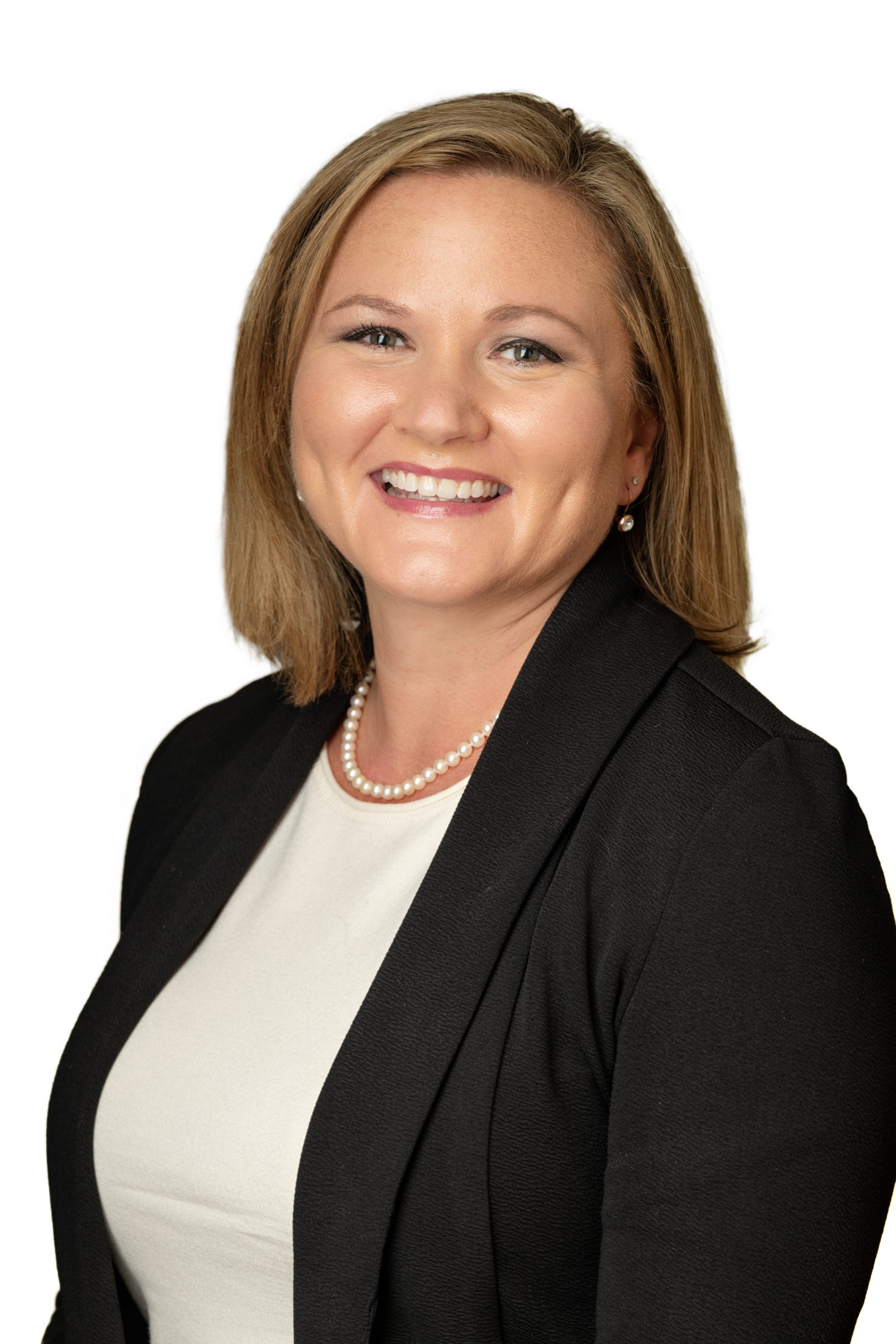
Becca Boyd
Becca Boyd serves as the Executive Vice President and Chief People Officer for SmartBank. She has more than 20 years of experience in human resources, including four years as SmartBank’s Director of Human Resources. Boyd is a graduate of Tusculum College, where she earned a Bachelor of Science in Organizational Management and is a Senior Certified Professional through the Society of Human Resources Management. As Chief People Officer, Boyd will lead the human resources department and all aspects of people management including training and development, payroll, benefits, recruiting, talent management, associate engagement, and HR technology. She is a 2019 graduate of Leadership Knoxville, a Make-A-Wish East Tennessee board member and is President-Elect of the East Tennessee Compensation and Benefits Association.
Episode Transcript
This transcript has been generated by AI and may contain slight discrepancies from the audio or video recording.
Mo: [00:00:00] Welcome to today's episode of People and Strategy. I'm your host, Mo Fathelbab, President of International Facilitators Organization. People and Strategy is a podcast from the SHRM Executive Network, the premier network of executives in the field of human resources. Each episode, we bring you in-depth conversations with the country's top HR executives and thought leaders.
Today, we're recording from SHRM's 2026 Executive Network Visionaries Summit in Indianapolis. This episode is part of an industry series on how HR leaders are using AI. Today, I'm speaking with an HR leader in the finance industry. Keep listening to get an honest look at how HR is responding to AI. If you're an HR professional trying to lead through change, this episode is for you.
Let's get into it. For today's conversation, I'm excited to be joined by Becca Boyd, Executive Vice President and Chief People Officer at [00:01:00] SmartBank, which has 42 branches serving clients in Tennessee, Alabama, and Florida. Welcome, Becca.
Becca Boyd: Hi. Thank you so much. I'm glad to be here.
Mo: Great to have you with us. So let's start by talking about your path to HR.
Uh, what drew you to the field of HR, and how did you land at SmartBank?
Becca Boyd: Yeah. Um, I didn't wake up one day and say that I wanna be in HR. HR kind of found me. Mm-hmm. And, uh, when I started my, I guess, career journey, I discovered human resources, and it intrigued me because I was interested in law, but I was also interested in psychology.
Uh-huh. And you could kind of combine the two. But my real passion came when I could find out that you could drive business outcomes with people, and that really got me excited, and I just started, you know, working in HR an- and just never looked back.
Mo: And how did you end up at SmartBank?
Becca Boyd: Yeah. So at SmartBank, um, the opportunity became available for me to make a job change.
I was actually working for a convenience store [00:02:00] company prior to them that was very large, had very high turnover- Mm-hmm ... and was very demanding. And, um, in my mind, I thought banking might be a good move. You know, you think about bankers' hours- ... um, which is not a reality. Um- Not the reality. Nope, not at all.
And at the time, it was an organization that had about 100 associates and very entrepreneurial in its mindset, which I thought was just, you know, amazing. I wanted to be a part of something that was fast growth and, you know, it really focused on culture as well, and also to take a little bit of a step back from, you know, such a high-turnover organization.
Um, jumping in, I didn't know that at that time, uh, we would fast-forward five years and do nine acquisitions- Wow ... and grow to about 600 associates. And so things changed very quickly, but I love it because we have a, a very heavy focus on our culture, and we're really focused on our people. Yeah.
Mo: And I'm actually curious, as you do nine acquisitions, how that culture was impacted, and did you retain the [00:03:00] original culture, or did it zig and zag with each acquisition?
Becca Boyd: That's a great question. It definitely zigged and zagged, and we learned from every single one that we did. Mm-hmm. So early on, we knew that our culture was important. The founding members, we call them legacy- Mm-hmm ... um, associates, that, uh, developed the bank, they really had this vision for how to do banking better.
Mm-hmm. And they wanted it to be focused both on the clients and the associates, and so we retained that culture, but it wasn't without growing pains. We had to be very intentional, and we had to pivot several times to make sure that we were keeping the culture and staying true to ourselves.
Mo: Yeah. And so as a leader in the finance industry, what's top of mind right now?
Becca Boyd: Right now it is future readiness, um, of our workforce. And, you know, in addition to that technology and the advancements that are going on right now in AI, what that's going to look like for our clients, what that's going to look like for our associates and our workforce, [00:04:00] and everybody's kind of learning it as we go.
I think it's likened to an airplane in the middle of the, the sky, and we're just putting those parts together and, you know, trying to make it work so that we can keep flying. Um, but we're, we're learning rapidly, which I think is something that's really interesting. And, you know, in financial services, obviously we're very client-focused, so we're trying to figure out how do we do all of this while we're working on everything in the background, but then also provide those wow experiences to our clients that they're used to getting.
Mo: So I find it fascinating that, you know, interest rates, the economic outlook, uh, wasn't your first answer given that you're in the finance industry. Uh, and yet it's all these other things that seem to matter more.
Becca Boyd: Well, I think that does matter a lot. Um, but there's also a lot of things that surround that.
So we know that that's going to change. We know that's going to evolve, and we've been through that. We've been in business for 20 years, so we've seen, you know, the ups and [00:05:00] downs and how to respond, and I think agility and being able to react and kind of be forward-thinking and making sure that your associates are ready for whatever changes are around the corner is what you have to focus on because- Mm-hmm
the one constant is the variable,
Mo: right? The one constant is change, right? Yep. Yeah. In the words of the great Einstein.
Becca Boyd: That's right.
Mo: Um, so when you stepped into the chief people officer role at SmartBank, what was the biggest opportunity you identified, uh, to transform how SoftBank approaches people management?
Becca Boyd: Absolutely. So just what you had mentioned earlier about cultural and, um, the way that, you know, so many acquisitions impact the culture piece. Mm-hmm. It was really evident that we had to listen to our associates, and so really strengthening our listening muscles so that we would be prepared to hear them out, take their insight, and then act on it.
Um, I find a lot of times that our associates know the answers. Mm-hmm. And if we're just taking the time to listen to them and understand what they have to say, that we're able [00:06:00] to, you know, walk down the paths that we're s- supposed to go and, and turn it into action.
Mo: Mm-hmm. Mm-hmm. Um, and can you walk us through a specific change initiative that you've led at SmartBank that required people to shift how they work, uh, what resistance you might have encountered, and, and how did you move through it?
Becca Boyd: Yeah, I think the listening sessions that we've en- enabled, I go back to that because that was something a little bit different. We participate in a lot of engagement surveys, um, which give you good data and feedback, but we find that change happens faster than an annual survey. Mm. And so putting listening sessions together where our associates would come in and meet with myself, the CEO, sometimes the chairman, and we just ask them open-ended questions on what can we help you with, what's going on that we don't know about, hearing them, and then taking those and turning them into action.
But the hard part of that is, is that sometimes we didn't have other leaders at the table because we wanted [00:07:00] to get our hands on the pulse of that and be able to turn it, and we find that sometimes those open sessions would give us additional insight, um, without having them at the table, and so that was a little bit of a challenge- Mm
at first. Mm. Um, and it's not that they can't be there. It's just that we found that our associates were m- more open to sharing and providing insight if they weren't there. So there wasn't a lot of resistance. It was just a little bit of a change in philosophy on how we listen and the approach that we took to that.
And we're still listening and changing that. We're a- we're actually expanding some of those, um, but we're trying to keep it very simple and frequent.
Mo: How often are you having these listening sessions?
Becca Boyd: So typically once a quarter, if not more frequently. Um, we've... A- as often as we possibly can, really. We try to p- uh, pack them into, um, as many calendars as we can.
Um, so we have our CEO that does them, along with our chairman, um, and we've expanded it to our chief operations [00:08:00] officer and our chief technology officer as well, and a big reason is because the topics have evolved. Mm. So when we first started them, they were very surface level, and sometimes they were about culture.
As we were at that phase in our growth trajectory, that culture was top of mind. But now it's more, um, involved on how do we improve processes, how do we remove friction so that our clients can have a better experience. And so we're continuing to expand them and kind of pivot and mold them to what our associates tell us they want and what they need and what we need to learn from them as an organization as well.
Mo: A- and who attends those listening sessions in terms of the associates? How many people per session?
Becca Boyd: So 15 to 20, uh, and it's all associates at all levels. Um, so we'll have entry-level associates all the way up to l- senior leaders. Um, but we will diversify it to make sure that we're getting representation from all job groups.
Ad: SHRM's Annual Conference is now SHRM HRx [00:09:00] LIVE. It's four days of epic entertainment, networking with industry experts, and hands-on learning, built on five years of SHRM research into what the best HR teams do differently. Register now and save $400. That ends November 19th, and it could sell out sooner.
Head to hrxlive.org to register. That's hrxlive.org.
Mo: So Becca, you mentioned the listening sessions with, uh, your CEO and chairman's support. How often do you interact with the C-suite in general?
Becca Boyd: Every day. So there's not a day that goes by that I don't interact, um, with one or more individuals in the C-suite along, y- you know, just with our senior leadership in general.
So we, we work hard on staying in touch with what's going on within the organization, but they also look to HR to help solve business problems.
Mo: And is it organic, or do you have a standing meeting every [00:10:00] day?
Becca Boyd: Some of it's organic, and some of it's standing meetings. We've got associates that are spread out, so there's some intentionality that I have to put around, you know, scheduling one-on-ones and meetings.
And then others are right down the hall, so that's a little bit more organic. And so- Hmm ... those come a little bit more naturally 'cause they can pop in or I can pop in. But, um, there's definitely intentionality around that as well.
Mo: And how do you engage your team to get buy-in for change initiatives?
Becca Boyd: Ooh, that's a great question.
So I encourage them to think about it from the business perspective. So what is the business case? Hmm. Right? Not, how is this HR solution going to be implemented? What is the business case? What business problem can we solve- Hmm ... if we implement this? And if the answer is it doesn't, then the answer is probably we're not gonna be doing it.
So we try to make sure that we're in touch with the strategic initiatives of the organization. And if it can help move the business [00:11:00] forward, then that's what we're putting our time into.
Mo: That's true north, right?
Becca Boyd: True north. Hmm. Exactly.
Mo: Hmm. And what is one question that you'd ask yourself as you think about your own development and growth?
Becca Boyd: I'm a learner, so every day I ask myself, "What can I do today to become better than I was yesterday?" And it's just an, an ever-evolving process. Um, sometimes I annoy myself with that because I might read several books at one time, or I might be listening to a podcast, um, while I'm also, you know, working away.
But, uh, I do every day ask myself, "How do I become better today than I was yesterday?"
Mo: You know, I have a, a shared wiring in that regard. Uh, does it get tiring sometimes?
Becca Boyd: Sometimes it's overwhelming. You have to kind of refocus, right? Yeah. But I do meditate, um, and that helps. You know, kinda in, in meditation it says bring it back to the breath, right?
Mm-hmm. And so you find your center, and you come back to [00:12:00] the breath, and it helps you kind of refocus and reprioritize what's important.
Mo: So jumping forward to today, what are your top strategic priorities for the HR department right now?
Becca Boyd: Yeah, so right now, um, we just went through a big conversion with our HRIS system, so that's numero uno.
Mm-hmm. Um, trying to finish that. We're month five in on a conversion. Mm-hmm. And we've got probably 12 to 13 months to go just to really get it fully rolled out and, you know, all the kinks worked out of it. But also future readiness for our workforce and leadership development. And those are really the three main things that we're working on.
Mo: And if we could unpack the future readiness a bit, uh, give us a sense of what is going on inside that bucket.
Becca Boyd: Yeah, absolutely. Yeah. So we're just starting this. We're trying to figure it out. Mm-hmm. Um, but we're, we've developed internally a center of excellence around AI. Mm-hmm. And so we have my director of leadership development, and myself, and several other internal team members from other departments that we're working on [00:13:00] education and figuring out exactly what that looks like, what that means for SmartBank, um, AI adoption, what our associates need to know, the risk tolerance that we have with the usage, and, you know, what we really want them to use it as.
And what we've uncovered is that we really need to focus on making sure that our associates understand that they're the thought leaders- Mm-hmm ... not AI. And so we're working on that plan. Um, it's in process, actually starting to roll some things out this month- Mm-hmm ... that we're really excited about. Um, but it's brand new.
Mo: Mm-hmm. Okay. And we know that, uh, employee retention is critical right now for, for everyone.
Becca Boyd: Yes.
Mo: Uh, and one thing SmartBank prioritizes c- is creating opportunities for internal employees to explore new career paths. Uh, how do you encourage this?
Becca Boyd: Yes. So it is absolutely a passion of ours internally, and we pride ourselves on that.
Um, coming from a small community bank and growing into, you know, a [00:14:00] much larger organization, um, we've had the opportunity to grow a lot of our own internally, and which we've coined that term internally, uh, growing our own. Mm-hmm. Um, but we create space for our associates to do things such as participate in mentorship programs, um, both formally and informally.
Mm-hmm. Um, we have an internal talent marketplace that we allow our associates to apply for internal gigs so that they can get exposure to different areas, um, uh, within the organization in any area that they would have any type of interest in. Um, and then also a lot of job shadowing. Uh, but it's not just making those programs available, it's making sure that our supervisors and those that are leading people know that those are available, and having those conversations with associates, and encouraging them.
So- Mm-hmm ... careers are not necessarily a ladder. Um, they're more of a jungle gym nowadays. So we like to make sure that, uh, they have availability to, uh, get exposure to things that they may have interest in, and then we really focus on their strengths. You know, what you're good [00:15:00] at may not be the area that you're working in, and how do we get you to that area if that's something that you're interested in?
Mo: Hmm. And how is your mentorship program structured, and what is- Uh, the percentage of your associates that actually take part in it?
Becca Boyd: Yeah. So we have had seven formal mentorship programs, and I guess if I do the math, we've had 12 to 15 participate in each one. Mm. So that's probably about 15% of our workforce have been through the program- Mm
um, give or take a few. Uh, but it is a 12-month program, and, um, we spend a lot of time upfront selecting who the participants are, both the mentees and the mentors. Mm. And we provide them with the guardrails, but we really reinforce the fact that this is their program. Mm. And so we kick it off, and we have several touchpoints throughout the year, and we provide them with a lot of different tools and resources.
And they come up with goals that they want to accomplish, both personally or professionally- [00:16:00] Mm ... because we think that's important. Everybody's season is a little bit different, um, you know, when they start the program. And sometimes it changes once they start the program by the time they're in the middle of the program, so they need to change their goals.
Mm. Uh, but we wanna make sure that they're supported and that they have the opportunity to learn and get something from the program that's important to them. And whether that's personally or professionally, we value that. So we provide the guardrails. Mm. They provide the substance.
Mo: And something that, um, mentoring programs that I've been exposed to have, have really focused on is the notion that it's not just the mentee that benefits, but the mentor- Yes
also benefits. I see you nodding. Yes. So is that also part of your ethos?
Becca Boyd: 100%. And, um, I kinda get chills when you say that because we just did kickoff a couple weeks ago, and, um, we'll have repeat mentors that will come in, but we also will have some that'll come in and do some panel speaking and share their stories.
And we hear that over and over again, and [00:17:00] they learn together. And it's just, it, it's a beautiful thing to get to see that happen. And, you know, to hear those stories over and over again, it's something very special. And, and I think that, you know, at SmartBank, we're, we're very fortunate to have the opportunity to cultivate that.
Mo: Oh, that sounds lovely. So, um, here at SHRM, we often take a... talk about AI plus HI, uh, the human component. And so as we talk about what's happening on the ground, obviously AI is, uh, an ongoing topic in business today. And, uh, and the leaders at this event, certainly you might have noticed, uh, we're not, we're not getting away from it.
It's only accelerating. Um, what's an example or two of how you or your team are currently using AI to improve HR processes?
Becca Boyd: Yeah, absolutely. So we use AI every single day. And, um, we, I, I've asked the team to say, "What can AI do for me today?" Mm-hmm. So, um, our director of learning development, he created an agent that, uh, will help [00:18:00] determine where to have training classes.
Mm. Where is the most cost effective based on logistics? 'Cause there's all these different factors that go into, you know, scheduling training, and it saves some time, right? Yeah. So it creates space for him to be more focused on other things. Mm. For myself personally, it's helping to manage the crazy inbox, right?
Um, what do I need to prioritize? So again, it goes back to creating space to focus on the things that are important, which is the human interaction, right? So leveraging AI to take away some of those mundane or what I would consider to be maybe unproductive but necessary tasks so that we can really be more involved with our people.
Mo: So do you really have AI managing your inbox? Is that... 'Cause I, 'cause I need that yesterday.
Becca Boyd: I do. I have a prompt that will... It, I run it once a week, and I run it daily. Mm. And, um, usually at the end of the day, it will tell me what have I missed that I need to address today. Great. And I can go in and answer those emails a lot quicker than me having to sift through a [00:19:00] lot of junk, um, and then figuring out which ones, or getting distracted, right?
'Cause you'll start going through maybe 15, 20 emails, and you get distracted at the first two and forget or don't get to the ones that you need to have on your top of your priority list that day.
Mo: Yeah. Yeah. Okay. Okay, we'll have to talk about that later.
Ad: SHRM certification, the global standard for HR professionals ready to lead with impact.
Whether they're building their foundation or driving strategy, SHRM certification validates what they can actually do on the job, not just what they know. Build stronger HR teams, make better decisions, and turn HR expertise into real business results. Stronger teams, greater business impact. Get your team SHRM certified today.
SHRM
Mo: So how are you preparing your HR team, uh, for a future where AI's embedded in their day-to-day work?
Becca Boyd: It, it's a work in progress, and we are still learning. Um, we talk [00:20:00] about it all the time, as I said, but we're also working on, you know, just encouraging curiosity. Hmm. So making sure that, you know, if something can be done a different way, let's think about that.
Kinda dump the processes out- Hmm ... and let's rework them. We're also working with our chief operations officer to work through that organizationally. Um, my team will follow right along because I think if we're gonna do it as an organization, HR is gonna be at the front of the line, um, to jump on board and, and figure it out.
But again, it's a work in progress. You know, we're learning a lot of things.
Mo: Yeah. And to what extent is AI competency- table stakes as you hire new employees?
Becca Boyd: It, it is becoming table stakes. I, I don't know that we've quite grasped that yet. Mm. But we've had this conversation at the executive level. You know, it used to be Microsoft Excel, Word.
Mm. Artificial intelligence is going to be on that line, and I think even six months from now, lots of job [00:21:00] postings, if not more job postings than you see today, are gonna have that as a table stake item. It's, it's gonna have to be embraced. It's gonna have to be part of what we do, and so many roles are going to have to include it.
Mo: Yeah, yeah. Um, so what's your biggest concern about implementing AI in HR, whether it's bias, employee acceptance, or something else, and how are you addressing that?
Becca Boyd: Yeah, I think, um, bias obviously, but I think it's more dependency.
Mo: Mm.
Becca Boyd: So there's critical thinking that's necessary to have just human interaction, right?
Mm, mm. It's built on relationships. Um, I was talking to a group of, uh, other leaders earlier today. Mm. And, you know, AI can't read the room. They can't look at the people at the table- Mm ... and see their facial expressions and understand, you know, maybe what's going on in, in the, the present, right? Mm, mm. So I'm worried that people may become a little bit too dependent on it.
So we're trying really [00:22:00] hard to create processes. You know, it's trust and validate, trust and validate, trust and validate. But at the center of everything is the human connection, and I don't think that's going to change.
Mo: So how do we square up the trust and validate piece when a brand-new associate relies upon your AI bank of processes and procedures, which they should be able to count on- Right,
Becca Boyd: right
Mo: versus what we do today with looking up something on ChatGPT and saying, "Oh yeah, but I need to fix that"?
Becca Boyd: Yeah. I think leadership engagement, and that goes back to the leadership development. You know, there needs to be discussions. Mm. There needs to be thought processes. There needs to be in-person interaction.
Mm. And AI cannot replace any of those things. So I think we need to have stronger leaders that can, you know, cross the intersection of AI and HI. Mm. Right? Mm. So I think that's gonna be imperative, and that's something that we're gonna have to get ourselves ready for.
Mo: Yeah. Uh, so now I'm curious, [00:23:00] how are you using AI in your personal life?
Becca Boyd: Yeah. So that's such an interesting question. Um, first thing that came to mind was I just started a sourdough journey, and so I've taken pictures of my sourdough starter to tell me where it's at. Um, but also with my 14-year-old, uh, he, you know, is a freshman in high school, and, um, we created a notebook on Copilot- Mm
for his biology class that he was having a little bit of a struggle with, and he scanned his notes in. He's created his own database that he can pull information from, and so it was kind of fun to see how he used it. But up to that point, he hadn't thought about using it that way, which I thought was really interesting.
He had used it as a Google search engine.
Mo: Mm-hmm.
Becca Boyd: So showing him how to use it was kind of neat. I got to school him a little bit. Um, but yeah, I think there's all kinds of ways that, that we can use it in our personal lives. But for me right now, it's all about the sourdough.
Mo: Well, that is a proud moment for a mother because 14-year-olds, uh, tend to be more advanced than, than us at this [00:24:00] age, so well done.
Becca Boyd: Yeah. Yeah.
Mo: Um, so let's talk about the future of HR leadership in, in finance. Um, thinking about the road ahead, how do you see AI evolving in the finance industry?
Becca Boyd: Yeah. I think AI... We don't know, right? Um, I think all of the things that we've already spoken about, but I think, um, it's going to create a lot more agility.
Mo: Mm.
Becca Boyd: So when you- you're able to create answers faster- Mm ... um, you're going to be able to get data quicker, we're going to know more about our clients- Mm ... and we're going to be able to have more efficient processes. And so I think there's a lot more to come. We're still figuring it all out, but a lot of that is already in play and has been in play.
Um, we're just starting to see some of the outcomes of it, but I think that's going to continue and just continue to grow over time.
Mo: And are, are there any specific risks, uh, or concerns in the banking industry specifically as it relates to privacy issues that you are, uh, concerned about? [00:25:00]
Becca Boyd: Absolutely. And that's something that we talk about every day as well um, because there's just so many unknowns, and the technology is learning itself, right?
You already hear about all of these, um, you know, things that come out on the news about, you know, AI, uh, um, you know, breaking into different databases. So we're constantly thinking about that. And then fraud is always top of mind because that's big in our industry right now as well. It's something that keeps us up at night, and, you know, we're, we're being very cautious.
We're, we're watching it. Risk is involved in every conversation that we have about AI, and, uh, we're also... You know, they're part of the center of excellence. Mm. Um, but anything that we do and anything that we turn on, we have a process that's related to risk that it goes through before we ever do anything with it.
Mo: Okay. Well, that gives me comfort as a-
Becca Boyd: Yeah ...
Mo: a- as somebody who has, uh, banking relationships. I'd wanna know that they have all these, uh, risk measures in place, of
Becca Boyd: course. That's right. Cautious [00:26:00] curiosity.
Mo: Yeah. Um, so what advice do you have for fellow HR leaders for navigating change in general?
Becca Boyd: Yeah. For fellow HR leaders and navigating change, I think it's imperative to listen first-
Mo: Mm
Becca Boyd: and then act.
Mo: Okay. Straightforward.
Becca Boyd: Yeah.
Mo: And what's one piece of advice that has shaped your work or personal life?
Becca Boyd: So one piece of advice that has shaped my work or personal life is, I think, be curious. Ask lots of questions. And I think if you do, and again, it goes back to that listening piece, um, and you listen to what people have to say, I think you're gonna be okay.
Mo: And that's where we'll end it for this episode of People and Strategy. A huge thanks to Becca for your valuable insights.
Becca Boyd: Thank you.
Mo: Thank you. Thanks for tuning in. You can follow the People and Strategy Podcast wherever you get your podcasts. Also, podcast reviews have a real impact on podcast visibility.
So if you enjoyed today's episode, leave a review to help others find the show. [00:27:00] Finally, you can find all our episodes on our website at shrm.org/podcasts. And while you're there, sign up for our weekly newsletter. Thanks for joining us, and have a great day
Ad: SHRM
Featured Story

Discover three patterns to be aware of when getting buy-in for navigating change. A senior HR executive shares questions to guide a workplace transformation.
Enjoy On Your Favorite App
Feature Stories
As part of SHRM's commitment to providing cutting-edge resources, get additional perspective and more insights in content curated from SHRM and around the web.

SHRM research reveals what keeps employees engaged and loyal at work: pay opens the door, but growth, belonging, balance, and confidence determine who stays.

Discover what SHRM's latest research reveals about L&D executives' top priorities and challenges, and how leaders can better align strategy with business needs.

Build a succession planning strategy that lasts. Learn four data-driven ways to align leaders, assess scalability, and secure your leadership pipeline.