- Video
- Audio Only
HR leaders are reexamining what effective leadership truly means in a rapidly transforming world — particularly as generational differences reshape expectations for how leadership is defined, practiced, and communicated in today’s workplace. This is going to become more important than ever, given the fact that the U.S. labor force demographics are shifting. The fastest-growing segment of the U.S. labor force is expected be workers age 75 and older. Supporting this talent pool and the five generations of the workforce will continue to be a challenge.
In a special recording with a live audience for SHRM’s podcast, People + Strategy, an intergenerational panel of HR leaders explores how leadership styles have evolved over time, the role of technology in shaping workplace expectations, and how different generations approach communication, purpose, and organizational change.
Related to this Episode:
Toolkit: Managing Organizational Communication
Strengthen organizational communication with proven strategies for HR leaders. Enhance transparency, build trust, and drive performance across your workforce.
Research: Expectations and Realities: Preparing the Next Generation of Talent for the World of Work
Explore the skills emerging professionals need, how employers evaluate emerging talent, and what emerging professionals are looking for in an employer.
The podcast is just the beginning. The weekly People+Strategy Brief also features articles on all aspects of HR leadership excellence. Explore these must-read stories featured in the latest issue. Subscribe now and elevate your strategy.
News + Insights

People + Strategy is a quarterly journal that delivers the most current theory, research and practice in strategic human resource management.

Build PIPs that are fair to employees and legally defensible. Learn how specificity, documentation, and manager support create plans that hold up.

Discover what new SHRM research presented at SHRM26 reveals about AI and job displacement trends, and why most jobs are being transformed rather than replaced.

Discover how courage impacts leadership, why courage matters, and how to lead courageously as you navigate complex workforce challenges.
Episode Guests
-
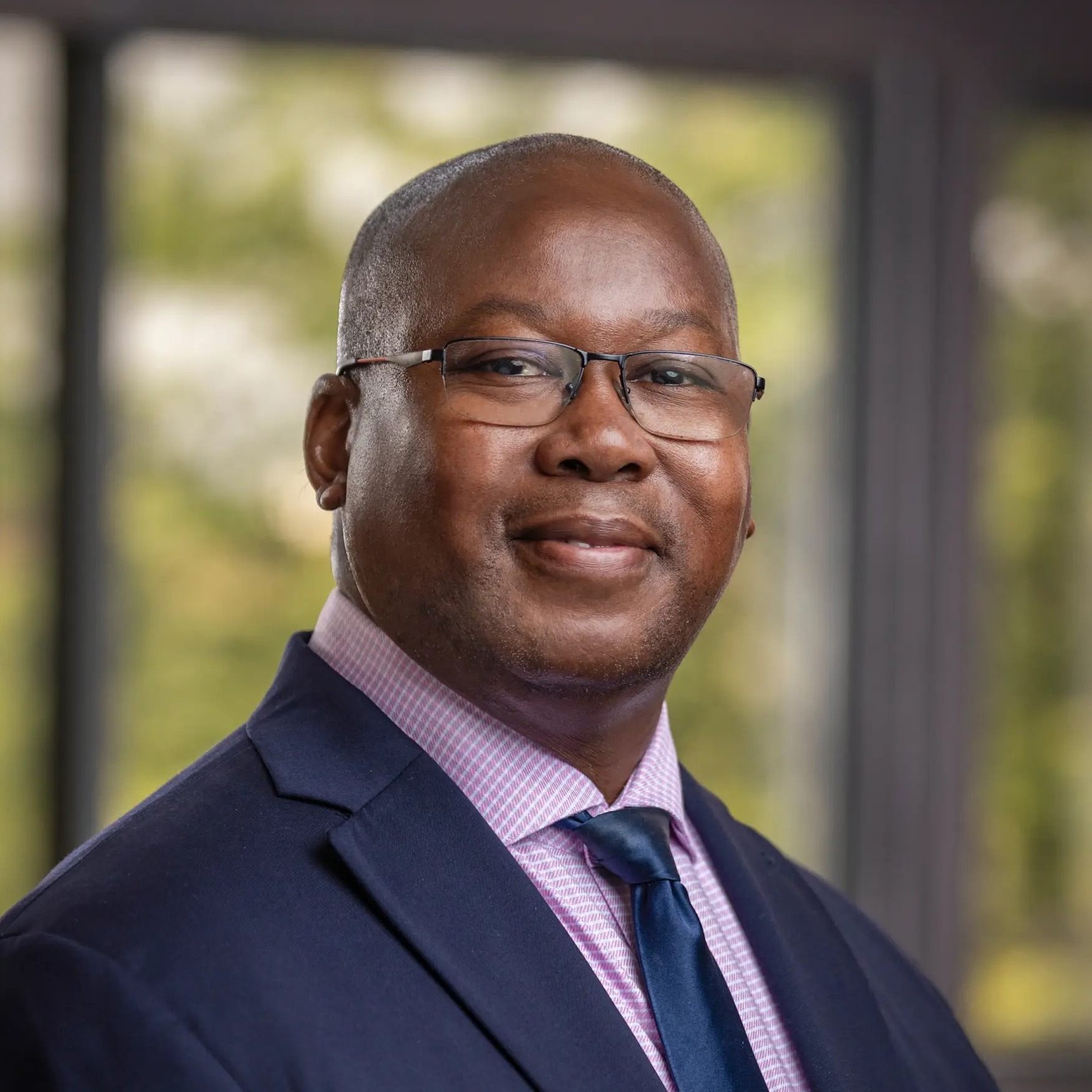
Albert Smothers
Dr. Albert Smothers is an accomplished executive with extensive leadership experience across human resources, higher education, and financial services. He currently serves as the chief people officer for CBE Companies, Inc., a role he has held for the past four years, where he leads strategic initiatives focused on talent management, organizational effectiveness, leadership development, and workplace culture.
Prior to joining CBE Companies, Dr. Smothers served in higher education as a chief academic officer, providing academic leadership and driving institutional excellence. He also spent more than two decades as a licensed financial advisor, helping individuals and families achieve their financial goals through sound planning and investment strategies.
Dr. Smothers holds a Master of Business Administration (MBA) and a Ph.D. in Organization and Management with a specialization in Leadership. His diverse professional background and commitment to developing people and organizations have established him as a respected leader dedicated to fostering growth, innovation, and high-performance cultures.
-
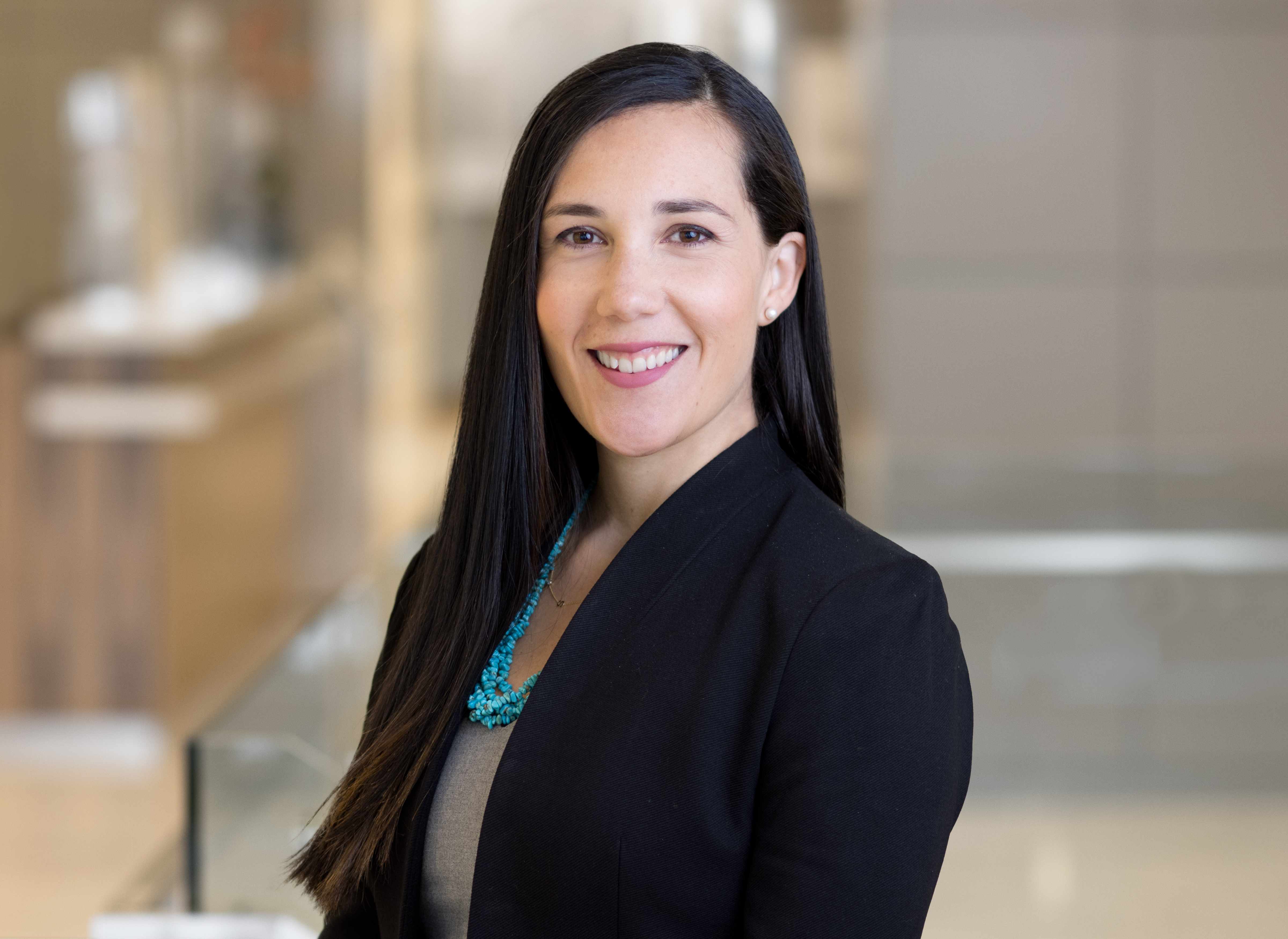
Carmen Barboza
Carmen Barboza is an innovative leader who has spent over a decade dedicated to law firm Human Resources. In her role as CHRO, Carmen Barboza leverages more than a decade of experience shaping people strategy for leading law firms. Carmen drives firmwide excellence in talent management, organizational development, and workplace culture. She oversees all aspects of the Human Resources function, including strategic recruitment, employee relations and development, benefits administration, well-being initiatives, retention strategies, and policy creation and implementation.
Carmen is a certified professional coach. She is also an active member of the Society for Human Resource Management (SHRM), and the Society for Human Resource Management Executive Network (ENX). She is a former member of the Association of Legal Administrators Capital Chapter (ALACC). During her tenure with ALACC, Carmen chaired the HR Section and served on the Executive Committee, where she championed innovative HR solutions and fostered professional development for legal administrators.
Carmen is widely respected for her proficiency with complex HR challenges in the legal sector, her commitment to advancing inclusion, and her passion for cultivating an engaged and resilient workforce.
Episode Transcript
Mo: [00:00:00] Welcome to today's episode of People and Strategy. I'm your host, Mo Fathelbab, President of International Facilitators Organization. Today, we're recording live at the SHRM26 in Orlando. Welcome to our audienc
People and Strategy is a podcast from the SHRM Executive Network, the premier network of executives in the field of human resources. Each week, we bring you in-depth conversations with the country's top HR execs and thought leaders. For today's conversation, I'm excited to be joined by two of SHRM's Executive Network members.
Today, we have Dr. Albert Smothers, Chief People Officer at CBE Companies, and Carmen Barboza, CHRO at Crowell & Moring LLP with us today. Welcome, Albert and Carmen.
Guests: Thank you.[00:01:00]
Mo: So, uh, our first question is tell us about your career journey and what brought you to the field of HR, and how does purpose play a role in your life? We'll start with Carmen.
Carmen Barboza: Sure. Um, I didn't really know what HR was, to be honest. Right. So I always wanted to be a lawyer. I thought I would be a judge. Uh, but I started by studying sociology.
I thought it would be helpful to understand people and understand what motivates people, and I was fascinated by that. Um, I went on to work at the admissions office at George Washington University, where I studied. And if you went to university, you know how stressful that process can be. Did they get my application?
Did I get financial aid? Am I wait-listed? And I found myself talking to all these students and parents and holding space for them as they were having these deeply personal, uh, challenging moments, and that it came really natural to me to hold space for [00:02:00] others, and I had this sort of calming presence around them.
I went on to work in political consulting after that. Very similar. High stakes, um, everything turns on a dime 'cause you're supporting these candidates. If they said something wrong on the news cycle, you immediately have to change your strategy. Um, and I was there again, holding space for people who were working long hours, who were really dedicated to their campaigns.
We were working on the Obama for America campaign, so really purpose-driven. I saw how hard they were working, and I wanted to help them be their best version at work. Um, and finally I thought, "Okay, well now I need to go to law school. This is what it was all about, so maybe I should work at a law firm before I go to law school, before I get all this debt."
Um, and I took an HR job, my first purely HR job. I was a department of one. And I found that I loved having conversations with people. I loved seeing those moments where things click for them. [00:03:00] I'm a very direct person, so I had the ability to have really deep conversations with folks, and I could see the light bulb turn, whether that was telling someone, "You're not gonna get a raise, unfortunately," or, "This is the end of the path for you."
And so law school went out the window, and instead I decided to dedicate myself to HR.
Mo: I love it. And Albert, I see you nodding. Uh, so I wanna hear what you have to say, but I also wanna, I wanna hear what you have to say about this, uh, notion of holding space in the field of HR.
Albert Smothers: Yes. Uh, I started my career, uh, after college at one of our leading, uh, uh, medical schools, Washington University, uh, out of St.
Louis. I started out in the Department of Pediatrics, uh, in the clinical labs. Then I moved on to the business office working in HR, um, then accounting, uh, then transitioned to the Department of Ped- uh, Psychiatry, and there [00:04:00] I was the financial and grant administrator for about 15 psychiatrists. Um, then I transitioned to the financial services industry, became a licensed financial advisor, um, helping families and, and small businesses with their financial goals.
Um, after 15 years of that, transitioned to, um, the University of Phoenix. Uh, there I started teaching undergraduate and, uh, master, uh, business courses, uh, then transitioned to leading the department, um, the School of Business for the Houston campus, um, then was promoted to Director and, uh, Chief Academic Officer for the Houston market, uh, leading over 300 faculty, thousands of students.
Um, now currently I'm the Chief People Officer at CBE Companies, head of HR. Uh, [00:05:00] and throughout my career, my purpose has always been helping people, whether it was, um, you know, consulting clients, whether it was advising students, uh, leading faculty, now, uh, leading employees in, in, in the organization as an HR executive.
Uh, so m- my common thread in terms of purpose has always been helping people.
Mo: Thank you. And what about this notion of holding space? I, I sometimes wonder if, if, uh, HR folks are actually shrinks or psychologists. Can you say more about that? That's, that one's resonating with you guys?
Albert Smothers: Yeah. Uh, for, for me it's, it feels like I am a psychiatrist at, at times because I get deeply passionate about people.
Uh, I really try to help people as much as possible. It's, it's all [00:06:00] about communication, it's about being empathetic. Uh, really- Not judging, uh, creating, uh, any kind of bias. It's just about focusing in on what they have to say. Uh, I, I believe in you have two ears and one mouth, so listen first, and then try to address their needs.
So it's almost like my kids, I have four girls, so it's, it's like you have to be passionate about the people, and it feels like sometime you a minister or priest or psychiatrist- ... psychologist. So it's about connecting with the people.
Carmen Barboza: Well, and I'm deeply proud of it because I think what it says is that folks feel comfortable coming to us.
We have created that safe environment. Sometimes our organizations are not a safe space for them to go have those conversations with someone else, or for [00:07:00] them to feel like they can be vulnerable and admit, like, "I don't know what I'm doing." And so, sure, call me a shrink, call me whatever you want to. I'm gonna be there.
I, I think there's nothing worse than being an HR department where folks think it's the police or it's the principal's office. Mm-hmm. Like, we are here to enable you to do your job in the best way possible. So if I can be a listening ear, if I can be someone that enables you to do your best work and be your best self, I'm all for it.
Mo: Love it. Um, I wanna hear about your leadership styles. Albert, start with you. What, how would you describe your leadership style?
Albert Smothers: Primarily servant leadership. Um, I'm, I'm deeply passionate about people. Uh, I'm empathetic. Um, I, I do hold people accountable. You have to hold people accountable. But it's about being empathetic, it's about being passionate about helping people, particularly understanding their concerns and their needs and trying to meet those [00:08:00] needs.
So I would say servant leadership is definitely my leadership style.
Carmen Barboza: Yeah, similarly, uh, I'm not a top-down type of person. For me, it's about lifting others. I have this Post-it that I keep on my desk at all times to remind myself, like, "Lift as you climb." Mm-hmm. Like, I got here 'cause a lot of people paved the way for me, whether it was sponsors, whether it was mentors.
I'm an immigrant. I came to this country 20 years ago, and so things weren't easy for me, and it took people giving me an opportunity for me to get to where I'm at, and I believe in paying that back. And so I wanna help the people on my team, I wanna help the people in my organization find their best self, find their path.
And so, like Albert, that's not about lowering the standards and making it easy for someone. It's about raising the bar and saying, "I'm gonna help you level up and get to where you need to be so you can be successful here." And with that, everyone at Kroll knows that I say this all the time, like, [00:09:00] clarity is kindness.
So I'm gonna give it to you straight because I believe that you can take it, and I believe that I owe it to you to be honest and transparent, and it's a hard truth, and it might hurt, but I'm here for you to process it.
ad: Manager effectiveness directly impacts performance, retention, and cost.
People are stressed, and they're stressed because of their people manager.
Traditional training builds awareness but often fails to change behavior.
SHRM developed this thing called PMQ. That stands for People Manager Qualification.
PMQ. Teach managers how to manage, how to be more effective, more empathetic, more understanding, and better motivators of people.
Driving behavior change when it matters most.
Where the Plus part comes in is Life Guides.
We unleash the power of every employee if your manager was better and you were feeling mentally well and safe.
What Life Guides does is serve as that coach to connect with another human being who can help you navigate through all [00:10:00] those real-life examples that relate to you from the things that you learned in that training.
PMQ+ is an addition to my toolbox. I've seen a better relationship with my managers and how they collaborate, how they work with each other. There's not that stress anymore 'cause they feel like they have somebody to release.
That's why we created this PMQ+: Life Guides plus SHRM's PMQ.
Increase performance.
Get PMQ+ today. SHRM.
Mo: Both of you seem to be really purpose-driven. Uh, if you think about employees over the last 10 years, have you seen a shift in terms of how purpose-driven they seem to be?
Carmen Barboza: Yeah, no question. I think the shift has been in that people believed that purpose needed to be something you found outside of work. Mm.
If you look at some of our, you know, uh, our Boomers or our Gen Xers, like, you came to work, you did your job, and then you had a life outside of work. And I'm finding that [00:11:00] these generations, whether some of our Millennials or our Gen Z-ers are saying, "No, I'm, I'm, I'm asking the question, what's in it for me here?
How is this connected to my higher purpose? How are you gonna find opportunities for me?" And I see that with our recruits during interviews. I see it with our baby lawyers who are wanting to know more and asking those hard questions. And I think we've normalized it in a way and made it okay for them to ask those questions.
Um, and it's also made it incumbent upon us to think about, how do we retain these generations who are gonna very quickly leave if they don't find it here? There's not this embedded loyalty in your organization like we had seen before. If they don't get what they need out of this job, they're gonna leave.
And so how do we show up for them, and how do we flex to try to find the common ground with them?
Albert Smothers: I, I certainly agree with that. I'm, I'm part of the Gen X, uh, generation, and so I learned [00:12:00] from, uh, the Silent generation and the Baby Boomers. And those generations were about loyalty, commitment, um, long-term committed to their job.
Um, and so they had, like Carmen said, purpose outside of work. Um, but when you come to work, it's all about commitment, being here for the company. Uh, today's generation, uh, your, your Millennials, your Gen Zs, they're, they're bringing their purpose to work, and, and they want to see how their purpose is connected to the overall big picture of the organization.
And as HR leaders, we have to be able to explain that-
Mo: Mm-hmm ...
Albert Smothers: and, and, and synthesize that in, in a way that they understand, "Okay, this is how your purpose is connected to the bottom line." And we have to respect that, um- [00:13:00] Sometimes if, if they feel like their purpose is not at this organization, they will leave- Mm-hmm
if they find other opportunities where their purpose better aligns with a different organization. So when you see some of the generations today, and we're like, "Well, where's your commitment? Where's your loyalty to the organization?" It's like, "No, my purpose is first." Mm-hmm. And, and so I'm gonna go find my purpose versus being loyal or committed to this organization when I don't see a pathway.
Mo: And how have you all seen leadership styles change in general over the last 10, 15 years or so?
Albert Smothers: Uh, like I said before, the earlier generations, um, tend to have a more authoritative style of, of leading. Um, it was really about [00:14:00] commitment. It was top-down decisions, and it was my way or the highway, so to speak.
Uh, and today's leaders have to be more empathetic, have to be more, um, two-way conversations. Employees want to feel like they have a voice, so we have to give them that voice. So l- Over the past 10 years, there's been a shift from this authoritative figure that, you know, "I'm the boss, you do what I say or you hit the highway."
Now, it's more we have to have those conversations. We have to bring the employee in, and we have to have those two-way conversations so that they feel like they're part of the process, they're part of the change process.
Carmen Barboza: Yeah, I think influence became a word. It became a thing. We realized that we could do much more if [00:15:00] we were able to meet people where they were at, and so the adaptive leadership fram- framework also came about, where we realized, yeah, I could say, "It's my way or the highway," and then I'm gonna find myself in an organization where people are either miserable or they do leave.
Mm-hmm. Um, and I think the pandemic accelerated this a lot more, where we realized we had to be vulnerable. Um, leaders had to open up their homes to people. We were working, you know, from our houses with our children. All these things that we had learned that, "Oh, absolutely not," like, people should not see your life outside of work.
Like, work and life became the same thing, and so vulnerability became a thing also. Talking about we're scared, we don't know the answers, we don't know where we're headed. That allowed, um, people to see another side of our leaders, and leaders realized that that, uh, bore more fruits than just telling people how to do their jobs.
People were willing to show up more if they saw that there was this ability for give and take.
Mo: [00:16:00] So I'm hearing you say the vulnerability had a positive impact. Is that what you're saying?
Carmen Barboza: Absolutely. I'm a huge proponent that vulnerability is the only way. Um, I think standing here in front of people and pretending like I have all the answers is not the way to motivate people.
It's not the way to lead. Mm-hmm. We have to admit that we're gonna make mistakes, that it's okay to make mistakes. It's how you recover. Um, that I am here for you, uh, we will figure it out together, and that imperfect, in a way, is perfect. Admitting that we- are flawed human beings. Having an experience at work allows people to come be their whole selves at work, which is honestly for me the only reason why I do this work.
Mm. To, to make sure that people feel like they belong and like they're seen regardless of who they are.
Mo: You know, it's funny, I have this image seared in my head. [00:17:00] In the late '80s, I worked at, uh, GM, and I had this boss that, uh, I was a co-op, and I thought he was the most lovely human being. And I was talking about him being so amazing to some of my coworkers, and they said, "Well, you should have seen him five years ago.
He stood on somebody's desk and yelled at him." Stood on his desk and yelled at him. Could you imagine that happening today?
Albert Smothers: No. No. No, not at all.
Mo: Not at all. So things have changed, thank goodness.
Albert Smothers: Mm.
Mo: So Albert, how has your leadership style in HR changed as a result of technology?
Albert Smothers: Uh, my leadership style has changed, um, in terms of technology because it's now about access to information.
It's about speed. It's about, um- Uh, looking at HR analytics, uh, engagement results, things of that nature. Uh, it's [00:18:00] about using different tools to, for better recruiting. Uh, so I've had to learn a lot. Um, Gen Xers are adaptable, so we... You know, the, the first PC came out in my generation, so, uh, I've had to adapt and learn a- as I go.
And I have to admit to my, uh, some of my younger employees that I don't have all the answers. Uh, I'm here to learn from them just as well as they're here to learn from me. And so a lot of the technology tools have helped me to be a better leader.
Carmen Barboza: For me, it's about intentionality. Technology has helped me be more efficient.
Um, it's cut down on some of the work that I had to do before where now it can be automated. And so that frees me up to now do the things that technology can't do for me, right? To model those power skills, to be [00:19:00] able to spend more time coaching, which I love doing, um, to use my critical skills to model the behavior for people on how you show up and how you build relationships.
Um, and while technology is amazing and has been able to equalize the experience, I have a distributed team, so whereas before folks who were outside the US or not in the DC office where I sit always felt like the out group, now we're all on the same little screen. So it's the same experience for everyone.
Mm-hmm. So there's a lot of power to that, but I believe that if we lean only on those technical skills, we're gonna forget about the deeply human part of the human resources, which is the work that we do. Um, and so it's made me be more thoughtful about how I continue to engage outside of technology.
Mm-hmm.
Mo: And how do you guys think technology is shaping workplace expectations? Albert, I'll start with you.
Albert Smothers: Uh, it's shaping workspace, uh, workspace expectations because employees, uh, are looking for speed. Mm-hmm. Uh, [00:20:00] they're looking for, um, access to information, transparency. Uh, they want to be able to access their information on var- various tools, their cell phones.
Um, so technology is definitely, uh, a- changing the, the HR space altogether.
Carmen Barboza: Yeah, I mean, everything has to be immediate. Is there an app for that? Yes. But I also say, I don't know how many of you have had this experience where you see the emails going back and forth, back and forth. And I'm like, "Can someone pick up the phone?"
Like, we still have this ability. We still have these skills. Let's use them. The
Mo: phone, what's that?
Carmen Barboza: Right. Um, or you see the chats, ding, ding, ding, like Teams is going. And I just have to remind people, like it's okay to also go knock on someone's door and have a conversation, to the extent, of course, it's possible within your space.
But, um, it's made it such that we're forgetting a little bit about the, the interrelational part of it, the how do you connect with people [00:21:00] outside the little screen. Um, and so yes, things move very quickly, but you also lose tone. You also lose the ability to get to know the person on the other side of the screen because everything becomes so much more transactional.
Mm-hmm. Um, you don't just call Albert up on the, you know, on Teams to be like, "Hey, Albert, what's up?" Typically, if my phone is ringing or my computer's ringing, um, it's because I'm gonna need something in that moment. Whereas before, if you walked down the hallway, you would just like bump into someone. And so it goes back to my point of being intentional.
The technology has improved things significantly, and yet, let's not forget, you know, these other more powerful skills that we also have.
Mo: Mm-hmm. Well said. Well said. So a big part of, um, adopting technology is, uh, change management essentially. Mm-hmm. And so how do you feel, uh, is the best... What do you think the best way to communicate that change management is to your teams?
Carmen Barboza: So I think we [00:22:00] all know that in the absence of information, people fill it up with the worst case scenario. No one's thinking, "Oh, I'm gonna get paid more, I'm gonna get a promotion, and life's gonna be great." People are thinking, "My job's gonna go away. They're gonna cut my pay." So start early, communicate early, communicate often, and communicate honestly is what I always say.
Change management is about recognizing, I deeply believe that people are not resistant to change. People are resistant to the uncertainty that comes from change. So I always say, what's beneath that? Like, dare to be curious and go a level deeper. Why is this person resistant to change? What's really the underlying motivator that's causing them to show up in this way?
And so the framework that we like to apply within my team is, is ask the why. What's behind that? Be super curious about it, and then start early. Just saying, you know, "Here's what's coming." And then often, keep talking about it. And then the [00:23:00] honesty part of I don't know what's going to happen, that allows them to trust me, so that if it's been two weeks and they haven't heard anything, they're not going into that narrative of everything is terrible, but they're, "Well, Carmen told us she wasn't sure.
Let's sort of trust. Let's give her the time." Folks are way more willing to meet you there if they think that you are being honest with them about not having the answers and not that you're hiding the ball.
Mo: Back to what you said, Albert, I don't know. It's okay to say I don't know.
Albert Smothers: Exactly.
Mo: And what's your take on this?
Albert Smothers: Uh, I agree with Carmen. She covered transparency. She covered communicating often. Uh, I think what I would add is two-way communication. Um, it sh- shouldn't be just one-way communication. Mm-hmm. It should be two-way communication. Employees want to have a voice, uh, particularly employees of today. Uh, they want to feel heard.
Uh, so the communication has to be two-way. You have to give them an opportunity to [00:24:00] voice their concerns about the change. Um, you know, they wanna understand why. What's the why behind it? What's in it for me? How is this gonna impact my- Path in the organization, and so they want to be able to ask those questions, and we have to be able to answer them, and we have to be empathetic with their responses.
You know, if they are beautily- brutally honest- ... about the change, we have to consider that and be respectful.
Carmen Barboza: Yeah, and I think you have to set the conditions. I love that point, right? Um, not everyone is comfortable speaking up in a town hall. Uh, some people need time to process, so I think also recognizing the different, uh, not just generations, but the different learning styles and how folks process information.
Mm-hmm. For some, it's give me an FAQ so that I can read it and come to you with all my questions. For some, it's I wanna sit with my leader in a small group for all of us to talk about it. Mm. [00:25:00] For some, it's I want the town hall. I want you to talk to all of us. We all should hear the same information at once.
So recognizing and, and trying different approaches, not just one-size- Mm-hmm ... fits all.
Albert Smothers: Exactly.
Mo: So, uh, Albert, earlier you said you were there when the computer, uh, was first invented, and I remember being there when email was first invented. Anybody else here who was like, "What, yeah, email, j- what are we gonna do with this?"
And those tools obviously have, uh, changed the workplace and- Yes ... have been incredibly valuable. I don't remember at the time anybody fearing for their jobs as a result of these tools as they might be today with AI. Is AI gonna take my job? To what extent are you noticing anybody actually worried about AI adoption taking their job?
Albert Smothers: I, I, I would be remiss by saying, uh, people are not concerned, but people are concerned. Mm. Um, particularly those who are [00:26:00] doing repetitive work.
Mo: Mm-hmm.
Albert Smothers: When, when employees are doing repetitive work, we're seeing that AI can do that as well. So we have to recognize AI, AI may eliminate some positions. Um- What I tell employees is we have to, um, skill...
You have to skill up. You have to learn different skills, um, how to use AI to augment your work versus having it just take over your complete job. Um, and so we have to figure out how to level up our employees, skill up so that they can have a [00:27:00] career path, uh, as opposed to being victims to AI
Carmen Barboza: Well, and I think, you know, when the computer came around, I'm sure...
I, I work for a law firm, and so we have many legal secretaries who are typists, and they were used to their typewriter, and here's this new machine, and they're like, "Uh-oh, it's not gonna take my job. It's not gonna..." So I think the skepticism has always been there whenever we have these big changes, the sweeping technology, and figuring out whether you're gonna be able to adapt using it.
So I see AI as no different than that. It's just the pace at which the change is coming. It's so much faster than you can even wrap your head around it, and I think that's the big difference. Uh, but in my industry, you know, my lawyers are terrified that, you know, AI's gonna take away part of their job, that they're not gonna be needed anymore for legal research, and that's why I go back to, but what are the power skills?
What are the things that it cannot do, right? That- the logical reasoning, that judgment, um, that only comes from trying a case in front of a judge 25 times, [00:28:00] that's the difference. For us, it's that empathy and that human connection. That, it, it cannot be emulated. And so when that skepticism comes up, and of course it does, you know, I, I don't believe that there's anyone out there who doesn't know that AI is going to take away some jobs.
It's about, so then how do you look at the white space? What is the white space? What is the space in which it cannot do what we as humans can do? And that's where you should focus, and use it as that companion and that partner who's gonna allow you to be better at your current job, and start thinking about what's the job in 2030, not what's the job today, what's the job next year.
You have to forecast where we're headed and what are the things that are gonna be needed in that new normal that's going to come up in 2030, 2035. And so it's about upskilling. Yeah. But it's also about using it for your advantage. We were talking about this yesterday in our, uh, one of our discussions around, I have a chief of staff that I've built using AI, [00:29:00] and it allows me to be so much more productive first thing in the morning.
It's highlighting the things that I need to focus on, the emails that I haven't read, the to-dos that I committed to doing. That would've taken me about two to three hours before to organize every night before I come into work the next day. Now I have it first thing in the morning. So that frees up my time.
What I do with that time is what's gonna be incredibly important and the differentiator between success or not having a job.
Mo: Great. Great stuff. I'm curious, uh, by show of hands, uh, from the audience, how many of you have had jobs eliminated because of AI? Okay, not a single hand. That's really insightful.
Wonderful. Thank you. Um, so there are five generations within today's workforce, the Silent Generation, Baby Boomers, Gen Xers, Millennials, Gen Z, and we have Generation Alpha on the horizon. Yeah. Uh, have you noticed differences in how the five different generations within today's workforce respond to organizational [00:30:00] change?
Albert, I'll start with you.
Albert Smothers: Uh, yes. I, I try not to, uh, generalize based on generations, but, uh, I think for- The, um, baby boomer generation, um, we have seen some, um, reluctance to, to change and, and, and things like that, um, when it becomes, uh, as it relates to technology. Um, but the, um, Gen X, millennials, Gen Z are more acceptable to, uh, changes, uh, in terms of technology.
So, um, I've, I've seen a shift, uh, in mindset there. Uh, but I can't just generalize and say, "Oh, baby [00:31:00] boomers are reluctant to, to change," because they're not. Not everyone is reluctant to change. They understand the change, and some are, uh, accepting those changes and, and try to, um, understand how it impacts their work.
Um, but more importantly, I think the consistent thread through all of the generations is, is the change necessary, why are we making the change, and how it's gonna impact me is really the common thread that I see throughout all of the generations.
Mo: Thank you. And I just wanna honor the risk of generalizing, right?
Mm-hmm. Uh, my 78-year-old mother has an AI agent that helps her with day trading.
Albert Smothers: Mm. So-
Carmen Barboza: I love that. I was gonna say, this is where I pull out my soapbox, because I don't love the conversation around putting people in buckets. Mm. Um, as a millennial, I grew up hearing, "Oh, your generation's going [00:32:00] to ruin the workplace."
There were so many articles about, "Oh gosh, millennials are the worst." And, you know, we all think differently. We are humans. Mm-hmm. And so not every millennial thinks the same way. We don't all have the same career path. Um, and so I want us as HR professionals to be very focused and, and deliberate about not allowing the bias to creep in.
Mm. So when we talk about the change and, and how one group perceives it differently than another, I go not to the generations, but I go to what's the resilience index for that group and for those people. Um, what career trajectory have they had? What life experiences have they had? That's gonna shape how you approach change- M- more so than putting folks in a category.
Mm-hmm. So whether you're 22 or 62, we want the same things. Mm-hmm. We want transparency. We want security. We want to feel heard. And so that's what I go to. We use the disc framework at our firm a lot, and so I'm [00:33:00] more focused on, okay, my Cs are gonna have 20 questions for me. They're gonna wanna know all the details.
That's how they're gonna approach the change. Mm-hmm. Versus my Ds are immediately going to be like, "When can we do this?" And so there are many other ways to be thinking about how to, um, bring folks along when you're talking about change that are more productive for me than bucketing them according to their generation.
Albert Smothers: Exactly.
Mo: Wonderful. Can each of you share a story about a time you noticed, uh, a moment in the workplace where generational changes felt apparent in a way that you saw your managers respond to those changes?
Albert Smothers: I think for me, during the pandemic, it became very apparent when, when everyone had to go home and work from home.
Um, it was, it was a, a shock to the system. Um, and, and [00:34:00] once the pandemic, uh, somewhat passed and we started bringing people back to work, uh, I noticed, um, some of our younger generations, um, really felt, "Well, this is now my opportunity to have flexibility, work from home." They didn't wanna come back into the office.
Uh, and so, but I noticed that some of the older generation, the baby boomers, they wanna be in the office, and they're like, "You're, you're not committed if you're working from home." And they were like, "Well, we are committed. We working from home. We're just as committed as being in the office. I'm even more committed if I'm working from home."
And but the- The older [00:35:00] generation, some of my older leaders, uh, were adamant about being in the office. I need to see you. I need to know that you're here. I need to know that you're at your desk. I need to know that you're on your computer. Uh, you're not in the kitchen making a sandwich. Uh, you know, you're not walking the dog- And then forbid you're eating, yeah
and playing with
the k- exactly. So, so they, they, that was a... I noticed the generational kind of mindset change, where the younger generation was like Flexibility is here to stay. Work from home is here to stay. I wanna work from home. If I can't work from home, I'll go to another organization. Mm-hmm. And so that's where I saw that r- that shift in, in generational mindset.
Carmen Barboza: That's interesting. I was also gonna talk about the pandemic, but in a different way. When we were forced to go [00:36:00] remote, immediately you could see those that were the Millennials, the... Even some Gen Xers, but the Gen Zs, we had gone to school online already. We had taken online classes. We had a computer set up.
We knew how to adapt very quickly. Whereas I saw the Boomers and, you know, some of the other generations struggle with adapting to being at home, working at home. Mm-hmm. Some of them didn't even have a personal computer. They just have their work computer and then their phone. And so what they struggled with was the technology and the set up, whereas the Millennials, the Gen Z-ers were like, "I'm here."
But the opposite happened, too, where the Boomers, the Gen Xers really focus on how to build community, and they were having even just Zoom rooms where people were having fun and connecting with each other. 'Cause they knew that the power of relationships is so important, and that is the base. Whereas we saw the ones who struggled the most with isolation, with feeling unseen, with feeling disconnected, were the younger generations.
Because they [00:37:00] thought, "Oh, I, I can do the work," but they did not think enough about the base, about the building the connection- Mm-hmm ... the purposeful, intentional connection. Um, and that's the, the generation that I see, even today, still struggling a little bit now that we've been back in the office, with finding sponsors, finding the mentors, recognizing the need for that human connection.
Mo: Do you think social media has some impact on that, in the sense that I think we've all seen teenagers sit next to each other and text- Mm-hmm ... each other instead of talk. Yeah. You guys have seen that, right? Your kids do this?
Albert Smothers: Yeah.
Carmen Barboza: Yeah. I- it's like they for- maybe even forget is not the right word. They never learned the skills that we learned, and so that's a little bit of what I'm talking about, seeing the folks who e- quickly adapted to working remotely, but they didn't adapt to engaging with each other.
They didn't know how to do it, and so they're a little bit behind. And I come back to my power skills. We have to model them. We have to keep [00:38:00] talking about them. We have to find spaces to keep teaching people how to, how to use them.
Mo: So to that end, Albert, are you guys teaching social skills?
Albert Smothers: Uh.
Mo: Loaded question.
Albert Smothers: Uh, y- yes. We, we, we definitely have to... It's, for me, it's mostly coaching. Uh, it's not like we have a formal class or training program where we teaching social skills. It's mostly coaching. Uh, I like to meet with, uh, frontline employees face-to-face. Um, some of my employees call me Uncle Al because- ... I'm, I'm always there, I'm always kind of coaching, talking to them one-on-one, pulling them to the side and, and having personal conversations, just really getting to know the, the people.
So, uh, I try to teach them social [00:39:00] skills in terms of you don't always have to text, you don't always have to email. Uh, like Carmen said, pick up the phone and call. Uh, come to my office and have a conversation. It's because the younger generation, even my children, they text each other and they in the next room.
I'd be like, "What is this?" You know, get up and go in, in, in your sister's room and have a conversation. But, uh, we do have to teach social skills. Um- So that they understand the importance of human connectivity, uh, not technology is the answer to everything. You have to be genuinely connected to humans in order for us to really, uh, work together, have better relationships, have better engagement, uh, and that's the human factor [00:40:00] that I think is missing a lot in organizations.
Mo: One of my favorite, um, quotes is from Dr. David Bradford, uh, from the Stanford Graduate School of Business, and he says, "Vulnerability is the currency of relationships, and without it, relationships remain superficial."
Albert Smothers: Exactly.
Mo: So back to vulnerability that you- Yeah ... that you shared earlier.
Albert Smothers: Yeah.
Carmen Barboza: Yeah, and, and those, you know, they're called soft skills, but there's nothing soft about them.
So we teach people it is... That's why I use the word power, and I, I'm on a campaign to rebrand it because it's incredibly important to be able to engage with another human, to be able to listen, to be able to, back to my holding space. Those are skills that will help you at work, but will help you as a human in your community.
ad: Are your new hires failing to meet the expectations established during the interview process? You may be experiencing skill fishing, when a candidate's stated skills don't align with their actual [00:41:00] performance. In today's AI-influenced hiring landscape, strategic HR leaders need a more sophisticated approach to identify this critical disconnect.
The SHRM Talent Acquisition Specialty Credential equips you with the expertise to see beyond surface-level claims. You'll master techniques to identify authentic talent, mitigate unconscious bias, and construct a comprehensive talent strategy that drives measurable hiring outcomes. As a strategic leader, take the opportunity to transform your organization's talent acquisition.
Earn your credential today. SHRM.
Mo: So what advice would you give fellow HR leaders about how to best communicate organizational changes across generations? I-
Carmen Barboza: it's a little bit about what I was saying before with Albert. It's finding the different ways in which people receive information. Mm. It's back to the early, [00:42:00] often, and transparently or honestly.
And so recognizing that top-down decisions sometimes aren't the best way. So it's almost like grassroots. Mm. Talk to your managers. What works for one team might not work for another. Mm. So getting that information around. For some groups, it'll be town halls. For some groups, it'll be- Mm ... small discussions with their leaders.
For some, it's FAQs. Um, I work for an international law firm, so also it doesn't scale globally in the ways that in the US we might talk about it, and my folks in Brussels are not gonna relate to that. My folks in Singapore are gonna think about it differently. So having that cultural competency to recognize that there is no one size fits all, but rather w- what works for one community and, and leaning into that space.
Albert Smothers: Mm-hmm. Yeah, I agree 100%. Transparency, uh, communicate often, uh, two-way communication, um, allowing employees to be able to ask questions.
Mo: How would [00:43:00] you advise talking to the next generation in the workforce about leaning in during times of change?
Carmen Barboza: I think it goes back to recognizing it's not just a generational sort of stereotype, but recognizing start with the why.
What's important for them? What is the motivator? Um, and when you have that, then you're able to connect at a deeper level and engage them in a way that resonates, in a way that then they understand why this change is important. Mm. Um, how they can see themselves in the change. I always, uh, try to focus on the end goal.
Like, where are we headed? Let's, let's look 10 steps ahead. Here's the vision. You might not understand this micro change now, but if you can see where we're headed, then you can internalize it in a way that makes a lot of sense for you and your role, um, and your vision of where your career is going. O-
Albert Smothers: One of the things that really helped me is because I, I taught business courses over [00:44:00] 20 years, um, is- Building the, the business case and being able to educate them on the business case of why this change is important.
And once you show them the business case of why this change is, is best for the organization and how it impacts them, I think they're more receptive of the change. Um, so in addition to, uh, everything Carmen mentioned, uh, I think explaining the business case really helps me.
Mo: I have one last question for the two of you.
Uh, what is one piece of advice that has shaped your work or personal life?
Carmen Barboza: I think clarity is kindness, no question, but I remember early in my career, one of my leaders saying, "Assume positive intent." And I have carried that with me. Like, assume positive intent [00:45:00] before jumping into judgment. Assume that this person is having a really hard time and it's not about you, and that has changed the lens through which I look at things and how I approach things.
Uh, no matter the circumstance or how stressful it might be, to center myself and assume positive intent.
Mo: Lovely. Albert.
Albert Smothers: Uh, for me, like I said, my purpose has always been helping people. That's the center of my existence. And so I believe in treating others as you would like to be treated, and I stick with that, and that has led me to many success throughout my career.
Mo: Thank you both, and that's where we'll end it for this episode of People and Strategy. A huge thanks to Albert and Carmen.
Thank you.
Featured Story

People + Strategy is a quarterly journal that delivers the most current theory, research and practice in strategic human resource management.
Enjoy On Your Favorite App
Feature Stories
As part of SHRM's commitment to providing cutting-edge resources, get additional perspective and more insights in content curated from SHRM and around the web.

Discover what recent surveys revealed about AI and the human touch as well as emerging AI learning paths. Learn about a new religious exemption case around AI.

Discover how courage impacts leadership, why courage matters, and how to lead courageously as you navigate complex workforce challenges.

IBM's recent $17 million DOJ settlement targeted pay, hiring, and promotions — the same areas where civility gets tested at work.