Unwritten Rules, Real Risk: AI's Legal Exposure in HR
Available On Demand
Artificial intelligence is transforming the workplace, but the legal framework governing its use in employment remains largely unwritten. While few states have enacted laws specifically regulating AI in the employment context, employers face significant exposure under existing legal regimes that were never designed with AI in mind.
This program examines multiple layers of legal risk and the specific steps employers should consider taking to mitigate that risk. For example:
The emerging state regulatory landscape — Although dedicated AI-in-employment statutes remain sparse, a growing patchwork of state proposals signals increased legislative attention that employers must monitor.
Existing laws with direct AI implications — Anti-discrimination statutes, such as Title VII and state equivalents, apply with full force to AI-driven hiring, promotion, and termination decisions. Employers may be liable for discriminatory outcomes produced by algorithms they neither built nor fully understand.
Confidentiality and privilege risks — Feeding sensitive information into AI tools can trigger liability under HIPAA, FERPA, or the ADA, and may inadvertently waive trade secret protections or attorney-client privilege.
AI-enabled harassment — AI can be used to harass employees, yet many employers have not updated their harassment policies to address AI-generated content. Managers, in particular, are not sufficiently trained to identify and respond to deepfakes targeting coworkers or others.
Deepfake liability beyond harassment — Deepfake AI can also create liability outside the harassment context — for example, if it is used to harm a competitor. Yet most workplace policies fail to address this risk at all.
And that's just the start. The session will explore how these overlapping obligations create a compliance environment where the absence of clear AI-specific rules does not mean the absence of liability — it may, in fact, mean unlimited liability for employers who fail to act proactively.
SHRM Knowledge Advisors will join the live webinar to answer your questions in real time—right in the chat. If we don’t get to your question during the session? No problem, SHRM members can head to SHRM Connect after this webinar to keep the conversation going with advisors for 30 extra minutes. This benefit is only for members who join the live webinar and not included later on demand.
Meet the Presenter
-
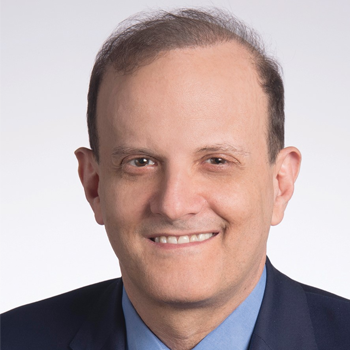
Jonathan Segal
Jonathan is a partner at Duane Morris LLP in its Employment Group. Jonathan also is the managing principal of the Duane Morris Institute, which provides business-focused training on myriad employment issues.
Jonathan has trained federal judges across the country on employment issues for more than 20 years. Most recently, Jonathan provided formal training at a Judicial Conference to federal circuit and district judges on the new provisions in the Judicial Code of Conduct as they relate to discrimination, harassment, retaliation, reporting and abusive conduct.
Jonathan has been cited as a national authority on employment issues in articles in SHRM, The Wall Street Journal, The Washington Post, The New York Times, The Harvard Business Review, USAToday, Bloomberg, Forbes, Associated Press, Reuters, Business Week, CNN, Money, SHRM, The Philadelphia Inquirer, and The Philadelphia Business Journal, among many other publications.


SHRM certification has approved this webinar for 1 PDC toward SHRM-CP or SHRM-SCP recertification. A program code will be provided at the end of the webinar.