  • Personal
  • Business
  • Foundation
    Close
  • Select Region
    • Global
    • India
    • MENA
  • mySHRM Login
  • MySHRM
    • Dashboard
    • Account
    • Logout
SHRM
  • Membership
    • Membership

      As a SHRM Member®, you’ll pave the path of your success with invaluable resources, world-class educational opportunities and premier events.

      Membership Tiers
      • Professional
      • Student
      • Global
      • Executive
      • Business
      Membership Benefits
  • Learning
    • Learning

      Build capability, credibility, and confidence to influence strategy, shape culture, and drive measurable business impact.

      SHRM Certification

      Demonstrate your ability to apply HR principles to real-life situations.

      • Choosing Your Certification
      • SHRM-CP
      • SHRM-SCP
      • How to Get Certified
      • Prepare for the Exam
      • Recertification
      Seminars

      Stand out from among your HR peers with the skills obtained from a SHRM Seminar.

      Specialty Credentials

      Demonstrate targeted competence and enhance your HR credibility.

      Educational Programs

      Designed and delivered by HR experts to empower you with the knowledge and tools you need to drive lasting change in the workplace.

      • Essentials of HR
      • eLearning
      Qualifications

      Gain a deeper understanding and develop critical skills.

  • Attend
    • Events

      Demonstrate your ability to apply HR principles to real-life situations.

      • SHRM26 Annual Conference & Expo
      • The AI+HI Project 2026
      • Talent 2026
      • Linkage Institute 2026
      • BLUEPRINT 2025
      State Conferences

      Attend a SHRM state event to network with other HR professionals and learn more about the future of work.

      Seminars

      Stand out from among your HR peers with the skills obtained from a SHRM Seminar.

      Webinars

      Learn live and on demand. Earn PDCs and gain immediate insights into the latest HR trends.

  • Resources
    • Resources

      Stay up to date with news and leverage our vast library of resources.

      • Flagships
      • HR Research
      • Legal & Compliance
      • Latest News & Trends
      • Tools & Guides
      • Webinars
      HR Topics
      • AI in the Workplace
      • Civility at Work
      • Compensation & Benefits
      • Inclusion & Diversity
      • Talent Acquisition
      • HR Technology
      • Workplace Violence Prevention
      Educational Programs

      Designed and delivered by HR experts to empower you with the knowledge and tools you need to drive lasting change in the workplace.

  • Community
    • Find a SHRM Chapter

      Easily find a local professional or student chapter in your area.

      • SHRM Northern California
      SHRM Connect

      Post polls, get crowdsourced answers to your questions and network with other HR professionals online.

      Membership Councils

      Learn about SHRM's five regional councils and the Membership Advisory Council (MAC).

      Volunteers

      Learn about volunteer opportunities with SHRM.

  • Shop
    • SHRM Store

      Shop for HR certifications, credentials, learning, events, merchandise and more.

      Workplace Essentials
      • SHRM Memberships
      • SHRM Certification
      • Specialty Credentials
      • HR Tools & Tech
      Education
      • Seminars
      • eLearning
      • Books
      Merchandise
      • Accessories
      • Apparel
      • Office & Home
Become a Member
Renew
Rejoin Now
Renew
Ask an HR Advisor
Close
  • Personal
  • Business
  • Foundation
  • Membership
    back
    Membership
    • Membership

      As a SHRM Member®, you’ll pave the path of your success with invaluable resources, world-class educational opportunities and premier events.

      Membership Tiers
      • Professional
      • Student
      • Global
      • Executive
      • Business
      Membership Benefits
  • Learning
    back
    Learning
    • Learning

      Build capability, credibility, and confidence to influence strategy, shape culture, and drive measurable business impact.

      SHRM Certification

      Demonstrate your ability to apply HR principles to real-life situations.

      • Choosing Your Certification
      • SHRM-CP
      • SHRM-SCP
      • How to Get Certified
      • Prepare for the Exam
      • Recertification
      Seminars

      Stand out from among your HR peers with the skills obtained from a SHRM Seminar.

      Specialty Credentials

      Demonstrate targeted competence and enhance your HR credibility.

      Educational Programs

      Designed and delivered by HR experts to empower you with the knowledge and tools you need to drive lasting change in the workplace.

      • Essentials of HR
      • eLearning
      Qualifications

      Gain a deeper understanding and develop critical skills.

  • Attend
    back
    Attend
    • Events

      Demonstrate your ability to apply HR principles to real-life situations.

      • SHRM26 Annual Conference & Expo
      • The AI+HI Project 2026
      • Talent 2026
      • Linkage Institute 2026
      • BLUEPRINT 2025
      State Conferences

      Attend a SHRM state event to network with other HR professionals and learn more about the future of work.

      Seminars

      Stand out from among your HR peers with the skills obtained from a SHRM Seminar.

      Webinars

      Learn live and on demand. Earn PDCs and gain immediate insights into the latest HR trends.

  • Resources
    back
    Resources
    • Resources

      Stay up to date with news and leverage our vast library of resources.

      • Flagships
      • HR Research
      • Legal & Compliance
      • Latest News & Trends
      • Tools & Guides
      • Webinars
      HR Topics
      • AI in the Workplace
      • Civility at Work
      • Compensation & Benefits
      • Inclusion & Diversity
      • Talent Acquisition
      • HR Technology
      • Workplace Violence Prevention
      Educational Programs

      Designed and delivered by HR experts to empower you with the knowledge and tools you need to drive lasting change in the workplace.

  • Community
    back
    Community
    • Find a SHRM Chapter

      Easily find a local professional or student chapter in your area.

      • SHRM Northern California
      SHRM Connect

      Post polls, get crowdsourced answers to your questions and network with other HR professionals online.

      Membership Councils

      Learn about SHRM's five regional councils and the Membership Advisory Council (MAC).

      Volunteers

      Learn about volunteer opportunities with SHRM.

  • Shop
    back
    Shop
    • SHRM Store

      Shop for HR certifications, credentials, learning, events, merchandise and more.

      Workplace Essentials
      • SHRM Memberships
      • SHRM Certification
      • Specialty Credentials
      • HR Tools & Tech
      Education
      • Seminars
      • eLearning
      • Books
      Merchandise
      • Accessories
      • Apparel
      • Office & Home
Become a Member
Renew
Rejoin Now
Renew
Ask an HR Advisor
  • Select Region
    • Global
    • India
    • MENA
SHRM
mySHRM Login
  • MySHRM
    • Dashboard
    • Account
    • Logout
Close

  1. Topics & Tools
  2. Workplace News & Trends
  3. HR Magazine
  4. Is It HR's Job to Create an Ethical Culture?
Share
  • Linked In
  • Facebook
  • Twitter
  • Email

Lorem ipsum dolor sit amet, consectetur adipiscing elit. Vivamus convallis sem tellus, vitae egestas felis vestibule ut.


Error message details.

Copy button
Reuse Permissions

Request permission to republish or redistribute SHRM content and materials.


Learn More
News

Is It HR's Job to Create an Ethical Culture?

Two HR experts debate the issue.

January 25, 2018


HR must be responsible for developing the right environment. 
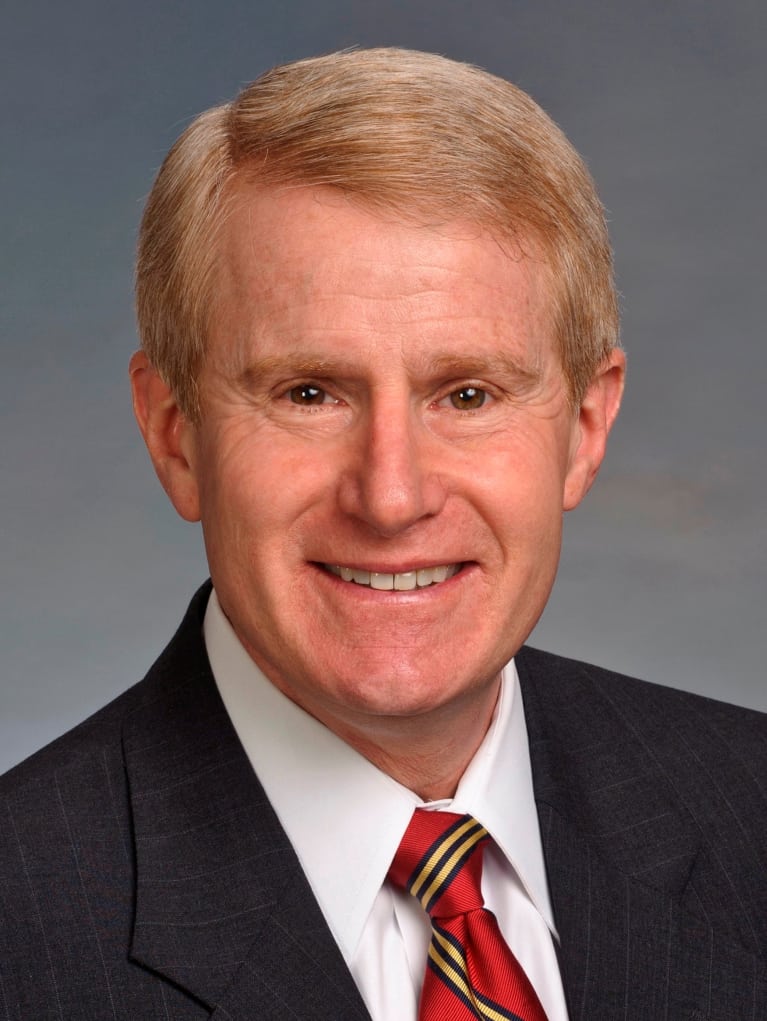
WinklerWe needn’t look any further than SHRM’s own competency model—a research-based rubric of knowledge, skills, behaviors and proficiency standards for HR professionals at every level—to find evidence that creating an ethical culture falls squarely within HR’s purview. The model, which is the foundation for SHRM’s HR certifications, features “Ethical Practice” as one of its nine required competencies. Among the behaviors a practitioner needs to master within this competency is “Drives the corporate ethical environment.”  

And bulleted under the proficiency standards for mid-level HR professionals are “Influences others to behave in an ethical manner” and “Performs as an ethical role model and positively influences managerial integrity and accountability.” Senior HR leaders are expected to do even more to promote an ethical environment. This shouldn’t come as a surprise, as HR already has its hands on all levers of culture. 

The human resources generalist or manager can hardly go a day without stumbling upon issues that influence the organization’s ethics: favoritism in hiring and promotion, fairness in disciplinary actions, pay equity, inclusiveness in benefits design, and employee safety. And the high-profile sexual harassment cases that have dominated the news are a key example of how toxic workplace environments can contribute to egregious—and unlawful—behavior. 

Indeed, nearly everything HR touches contributes to culture: recruiting standards, onboarding content, performance-management criteria, executive development, diversity activities and organizational assessments. So the relevant question isn’t whether HR professionals should create an ethical culture; rather, it’s how they should go about doing so—implicitly or explicitly.

I would argue the latter. Typically, the organizations that are recognized as the most ethical are those that make ethics an explicit part of everything they do. Good behavior is built into their mission statements; it’s part of how they hire people; it’s considered in promotion decisions; and it’s recognized, measured and made part of the compensation program. That’s all HR stuff. That’s our stuff.

And what about ethical failures? We read weekly about fraud, environmental infractions and sexual predation. When the media storm ends, who does management ask to uncover the root causes of the misbehavior and remediate? It’s mostly HR—usually in collaboration with other players. Certainly if we are responsible for repairing ethical performance, we also play a key role in driving it.

Still, I understand why HR professionals may not want the responsibility for crafting an ethical culture. After serving in HR for Southern Co.—a utility holding company in Atlanta—for 25 years, I moved over to “Ethics and Compliance” in the legal department. “If it’s Legal’s job, why should it also be HR’s?” I was asked. 

Here’s the answer: because no single person or group can tackle this alone. HR professionals control so many aspects of culture, and they are the ones who best understand human behavior and workforce dynamics. They must learn the language of ethics and then integrate it into their daily work. For some it will be a new frontier. But most will realize that crafting an environment in which people are motivated to do the right thing is part of what they already do every day. 

Howard Winkler is a consultant in human capital and ethics in Mineral Bluff, Ga. He is the former HR strategy director for Southern Co., a global energy company in Atlanta. He now serves as board chair of the Better Business Bureau’s Institute for Marketplace Trust.

[SHRM members'-only Q&A: Why would an employer want to establish a whistleblower or ethics hotline?]


It’s the executive team’s job to set the right tone.

LeeAn ethical workplace must come from the top. That means the CEO creates the culture and instills it in the leadership team, which in turn infuses it throughout the rest of the organization. 

There must be a circle of trust among all members of the senior team. That said, when a leader—or employee—becomes aware of a potentially unethical situation or inappropriate action, no one should think twice before contacting human resources for advice and guidance. 

Unfortunately, however, there are times when HR is not notified about allegations of bad behavior. For example, during the recent explosion of sexual harassment allegations by women against their male bosses, I frequently heard the refrain, “Where was HR when all of this was going on?” Being an HR practitioner for 35 years, I admit to wondering the same thing at times. 

But I know from experience that there are plenty of companies where the managers and executives operate under the belief that the less HR knows, the better. Of course, the leaders don’t come right out and say that, but they create a culture that communicates it for them. Now, we all know that this isn’t the best way for any business to proceed. Human resources professionals work best as strategic advisors, and they have a duty to protect employees and the organization. Whatever is going on, HR should be in a position to know about it. 

When bad behavior comes to light, it is easy to point fingers at HR and suggest we weren’t doing our jobs. But being of good character must be enforced and reinforced daily by an organization’s leadership. Moreover, if the top executives are privy to unethical conduct—from executives or elsewhere in the company—and they don’t trust HR enough to tell us, there is only so much we can do to compensate. After all, we don’t know what we don’t know.  

I find it interesting that human resources is responsible for training all employees on sexual and other forms of harassment, and yet executives generally excuse themselves from this instruction. That’s unfortunate, because if the headlines are any indication, those in powerful top roles may need the guidance the most. 

Giving HR a role among senior leadership can help build a better culture. I firmly believe that executive teams that include HR are stronger for it. 

Years ago, HR was seen largely as an administrative function. It has taken—and will continue to take—some executives a bit more time to figure out the importance of operating in an ethical manner and to forge the right partnerships to do that. 

Of course, that’s not to say that HR professionals should be placed on executive teams only as a “front.” Executives should not say one thing and do another. I have worked for leaders who embrace and value the expertise of HR. But there are also those who don’t want to cede any control. They cling to their power and feel they don’t need anyone else’s advice … until it is too late. Once relationships are damaged, trust is not so easy to win back. 

Ethical behavior is critical to organizational success. One way to reinforce a culture of doing the right thing is by including HR on the executive team. While it’s not up to HR professionals to create an ethical environment, they can help maintain one. And then hopefully no one will ever get the opportunity to ask, “Where was HR?”

Joanne Lee, SHRM-SCP, is vice president of HR for N.K.S. Distributors Inc., in New Castle, Del., and a member of SHRM’s Special Expertise Panel on Ethics/Corporate Social Responsibility and Sustainability.

Was this article useful? SHRM offers thousands of tools, templates and other exclusive member benefits, including compliance updates, sample policies, HR expert advice, education discounts, a growing online member community and much more. Join/Renew Now and let SHRM help you work smarter. 

Ethics

Was this resource helpful?

Leave Feedback

SHRM-CP Promo Image
Validate your HR expertise

Earning your SHRM-CP credential makes you a recognized expert and leader in the HR field.

Get Certified


Related Content

(opens in a new tab)
News
How One Company Uses Digital Tools to Boost Employee Well-Being

Learn how Marsh McLennan successfully boosts staff well-being with digital tools, improving productivity and work satisfaction for more than 20,000 employees.

(opens in a new tab)
News
A 4-Day Workweek? AI-Fueled Efficiencies Could Make It Happen

The proliferation of artificial intelligence in the workplace, and the ensuing expected increase in productivity and efficiency, could help usher in the four-day workweek, some experts predict.

(opens in a new tab)
News
Rising Demand for Workforce AI Skills Leads to Calls for Upskilling

As artificial intelligence technology continues to develop, the demand for workers with the ability to work alongside and manage AI systems will increase. This means that workers who are not able to adapt and learn these new skills will be left behind in the job market.

HR Daily Newsletter

Stay up to date with the latest HR news, trends, and expert advice each business day.

Success title

Success caption

Manage Subscriptions
Our Brands

SHRM Foundation Logo
SHRM Executive Network Logo
CEO Circle Logo
SHRM Business Logo
SHRM Linkage Logo
SHRM Labs
Overview

  • About SHRM
  • Careers at SHRM
  • Press Room
  • Contact SHRM
  • Post an HR Job
SHRM Named to Newsweek's 2026 America's Top Online Learning Provider List
Advocacy

  • SHRM Advocacy
  • Federal Policies
  • State Affairs
  • Global Policy
  • Take Action
  • SHRM E2 Initiative
Brand Partnership

  • Partnership Opportunities
  • Advertise with Us
  • Exhibit & Sponsorship
  • Recertification Providers
  • Book a Speaker
Member Resources

  • Ask an HR Advisor
  • SHRM Newsletters
  • SHRM Flagships
  • Topics & Tools
  • Find an HR Job
  • Vendor Directory

© 2026 SHRM. All Rights Reserved
SHRM provides content as a service to its readers and members. It does not offer legal advice, and cannot guarantee the accuracy or suitability of its content for a particular purpose. Disclaimer

Follow Us

  • LinkedIn
  • Facebook
  • Twitter
  • Instagram
  • YouTube
Feedback

  1. Your Privacy Choices

  2. Terms of Use

  3. Accessibility

Join SHRM for Exclusive Access to Professional Content

SHRM Members enjoy unlimited access to articles and exclusive professional content resources.

Already a member? Login
Free Article

Login to unlock unlimited access or join SHRM today to get unlimited access to articles and member-exclusive resources.

Already a member? Login
Limit Reached

You've reached the limit of 1 free article this month. Join to access unlimited articles and member-only resources.

Already a member? Login
Free Article

Login to unlock unlimited access or join SHRM today to get unlimited access articles and member-exclusive resources.

Already a member? Login
Limit Reached

You've reached the limit of 1 free article this month. Join the Executive Network and enjoy unlimited content.

Already a member? Login
Unlock Your Career with SHRM Membership

Please enjoy this free resource! Join SHRM for unlimited access to exclusive articles and tools.

Already a member? Login
Join SHRM for Exclusive Access to Professional Premium Content

SHRM Members enjoy unlimited access to articles and exclusive professional premium resources.

Already a member? Login
Join SHRM for Exclusive Access to Student Content

SHRM Members enjoy unlimited access to articles and exclusive member resources.

Already a member? Login
Join SHRM for Exclusive Access to Executive Network Content

SHRM member enjoys unlimited access to articles and exclusive executive member resources.

Already a member? Login

Your membership is almost expired! Renew today for unlimited access to member content.

Renew now

Your membership has expired. Renew today for unlimited access to member content.

Renew Now

Your Executive Network membership is nearing its expiration. Renew now to maintain access.

Renew Now

Your membership has expired. Renew your Executive Network benefits today.

Renew Now
