The Age of Opportunity: Rethinking the Intergenerational Workforce
Now Available On-Demand
America’s workforce is undergoing a structural shift. Older workers are not exiting the workforce — they are staying, contributing, and reshaping what work looks like. In fact, adults 65 and older are among the fastest-growing segments of the workforce, a trend that is accelerating alongside a growing pool of people over 50 who are looking to reenter work, change careers, and build new skills.
Nearly 7 in 10 organizations report difficulty filling roles. Yet one of the most capable and proven talent pools remains underleveraged: experienced workers.
In this session, experts from SHRM and AARP will unpack what this shift means for workforce strategy — and why organizations that fail to adapt risk falling behind. We’ll explore:
Why longer working lives are a structural reality — not a temporary trend
The business case for hiring and retaining experienced workers as a driver of performance, stability, and growth
How outdated hiring practices and assumptions are limiting access to talent
How the changing economy — including the AI revolution — is reshaping what it means to work and age in America
Why traditional approaches to upskilling and reskilling have fallen short — and how to scale faster, more equitable pathways to opportunity
This is more than a demographic trend. It is a strategic opportunity. The organizations that recognize it — and act— will compete differently.
SHRM Knowledge Advisors will join the live webinar to answer your questions in real time—right in the chat. If we don’t get to your question during the session? No problem, SHRM members can head to SHRM Connect after this webinar to keep the conversation going with advisors for 30 extra minutes. This benefit is only for members who join the live webinar and not included later on demand.
Meet the Presenters
-
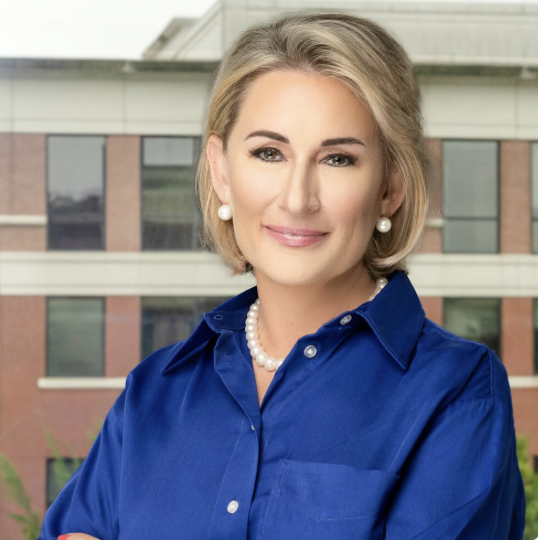
Wendi Safstrom
Wendi Safstrom is a senior non-profit leader committed to serving the public through philanthropic program management, cultivating strategic partnerships, and managing and developing high performing teams. She has both association and nonprofit management experience including national program development and administration, membership strategy, marketing and product development, grant management, development and donor stewardship, and leading cross functional teams. Safstrom currently serves as President for the Society for Human Resource Management Foundation (SHRM Foundation), where she is ultimately responsible for the development and implementation of SHRM Foundation's programmatic, development, and marketing and communication strategies in support of SHRM Foundation's new mission and vision, creating growth plans and ensuring alignment with SHRM goals.
Prior to assuming the role at SHRM Foundation, Safstrom served as Vice President at the National Restaurant Association and National Restaurant Association Educational Foundation, and was responsible for all Foundation programming, including workforce development initiatives, scholarship and event management, community relations and engagement initiatives. The NRAEF's philanthropic programming supported a number of audiences including high school youth, veterans transitioning from service to civilian work and life, opportunity youth, and incumbent workers. Of particular note, she led the implementation of the restaurant industry's premier high school career and technical education program, growing the program to over 2,000 public high schools, engaging over 150,000 students annually, nationwide. At the NRAEF, she served as lead project director for the development of a $10 million contract awarded by the U.S. Department of Labor to develop the hospitality industry's first apprenticeship program and was instrumental in the Foundation's reorganization and relocation of operations from Chicago, Illinois to Washington, D.C., transforming the staff and culture.
Safstrom has also held human resource management roles with the Leo Burnett Company and Hyatt Hotels Corporation in Chicago, Illinois. She has a BS in Business Administration from the Eli Broad School of Business at Michigan State University and was recognized as a member of the 2014 "Power 20" by Restaurant Business Magazine as a leader in philanthropy within the restaurant industry. Safstrom serves on the board of directors for Global MindED and the board of directors for the Center to Advance CTE.
-
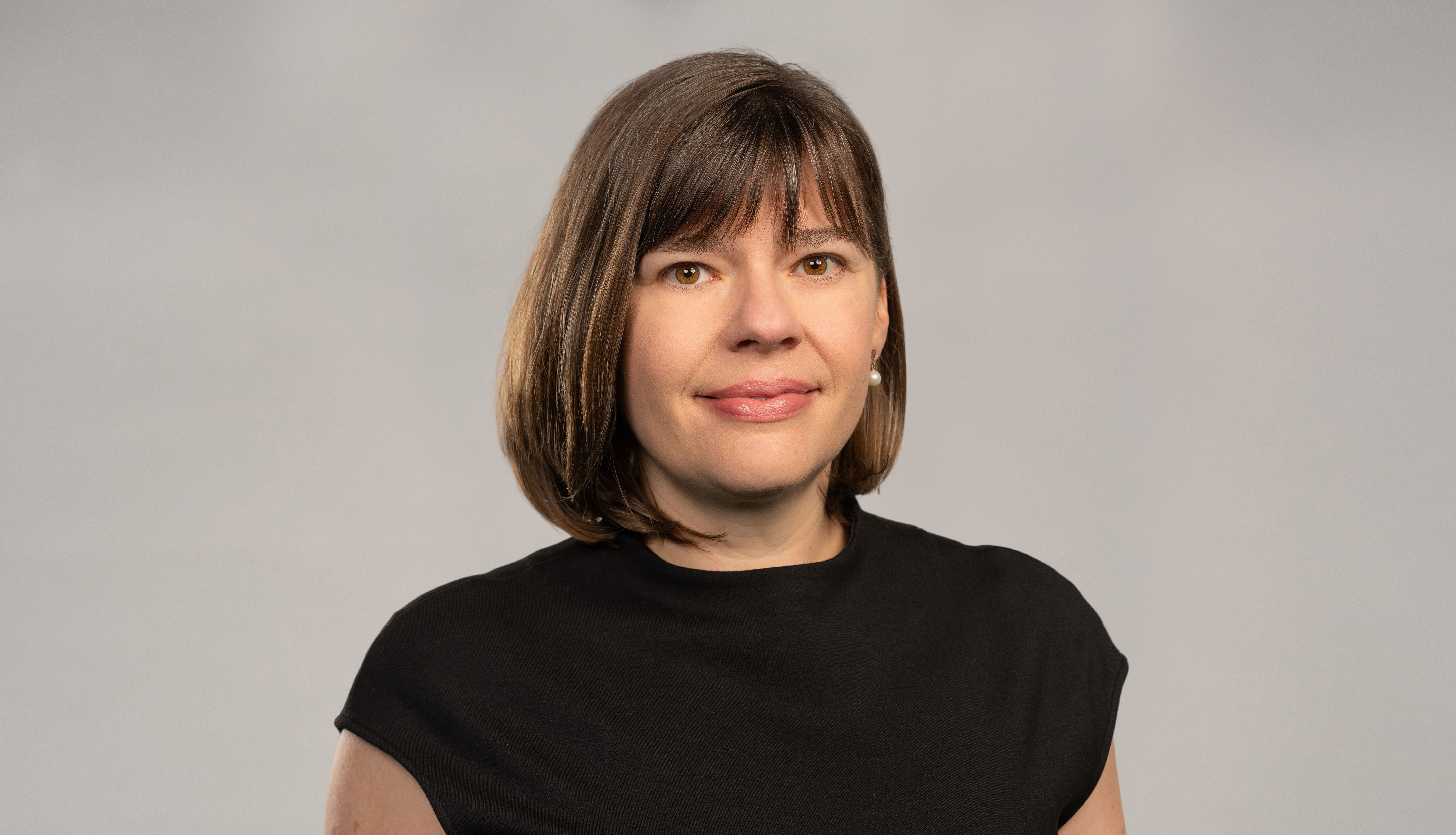
Claire Casey, President, AARP Foundation
As president of AARP Foundation, Claire Casey guides the strategic direction of the nation’s leading organization committed to reducing poverty for and with older adults. In 2025, the Foundation worked with more than 1.1 million older adults with low income, who earned $1 billion in income, benefits and tax refunds, and it fought for their rights all the way to the Supreme Court. Working with staff and partners, Claire also led the development of a roadmap for how AARP Foundation can reach even more people and change more lives.
Under her leadership, the Foundation is investing in technology and research and capitalizing on expertise built over 60 years helping older adults access economic opportunity to advance effective, scalable solutions. It’s embracing volunteerism to drive social change, building on a base of more than 29,000 committed volunteers who power the Foundation’s Experience Corps and Tax-Aide programs.
Claire joined the Foundation from the Economist Group, where she led their global public policy consulting business. She managed teams on five continents, driving awareness and action on critical global issues such as food security and aging. She also founded FP Analytics, the research and analysis division of the FP Group and publisher of Foreign Policy magazine, where she pioneered a new kind of thought leadership platform combining independent public policy research with the creativity and reach of a respected media brand.
She has more than two decades of experience leading organizations through transformation and growth and providing evidence-based strategic advisory services to Fortune 100 corporations, foundations, governments and international institutions. Her writing has appeared in The Washington Post, Financial Times, International Economy, Americas Quarterly, The Telegraph, and Foreign Policy. She holds a master’s in international economics and international relations from the Johns Hopkins School of Advanced International Studies and a bachelor’s in international politics and economics from Middlebury College. Claire is a member of the Council on Foreign Relations.


SHRM certification has approved this webinar for 1 PDC toward SHRM-CP or SHRM-SCP recertification. A program code will be provided at the end of the webinar.