All Things Work, S3, EP32
Workplace Culture Shock: How Your Organization's “Personality” Shapes Your Career Path
- Video
- Audio Only
How well do you know your organization’s culture? Michael Cohen, Partner at Duane Morris, LLP, explores research from SHRM’s 2026 Global Culture Report which highlights eight distinct culture types. Find out how aligning with your company’s ethos can help you thrive, drive collaboration, and foster innovation in today’s workplace. Plus, take our quiz to discover which culture applies to your organization!
This episode is sponsored by:

Related to this Episode
Culture Quiz - Find Out Your Workplace Culture Type!
Our Workplace Culture Type Quiz can help shed light on how your organization makes decisions, works together, and drives results. Grounded in SHRM’s research-backed culture framework, the SHRM Workplace Culture Navigator, our quiz reveals how your workplace aligns with one of SHRM’s eight distinct culture types.
2026 Global Culture Report
This research provides a nuanced understanding of organizational culture and identifies eight distinct culture types, highlighting the diversity and complexity of workplace cultures across regions, industries, and organizational sizes.
Dive deep into game-changing topics impacting today's workplaces. And every Saturday, our All Things Work podcast is the top story in SHRM's All Things Work newsletter. Subscribe now so you never miss an episode! Plus, get feature articles, related content, SHRM's latest research, and more.
News + Insights

Elevate your onboarding strategy by centering your organization’s culture. This checklist guides HR leaders in creating lasting connections from day one.

Explore how prioritizing skills over degrees expands talent pools, strengthens hiring outcomes, and supports workforce growth through upskilling.

Explore how economic shifts and technological advancements shape HR roles, labor demand, and workforce strategies for the future.

Jessica Kriegel explains why traditional change management stalls culture and how HR can activate real change by shaping beliefs, not enforcing compliance.
Podcast Episode Guest
-
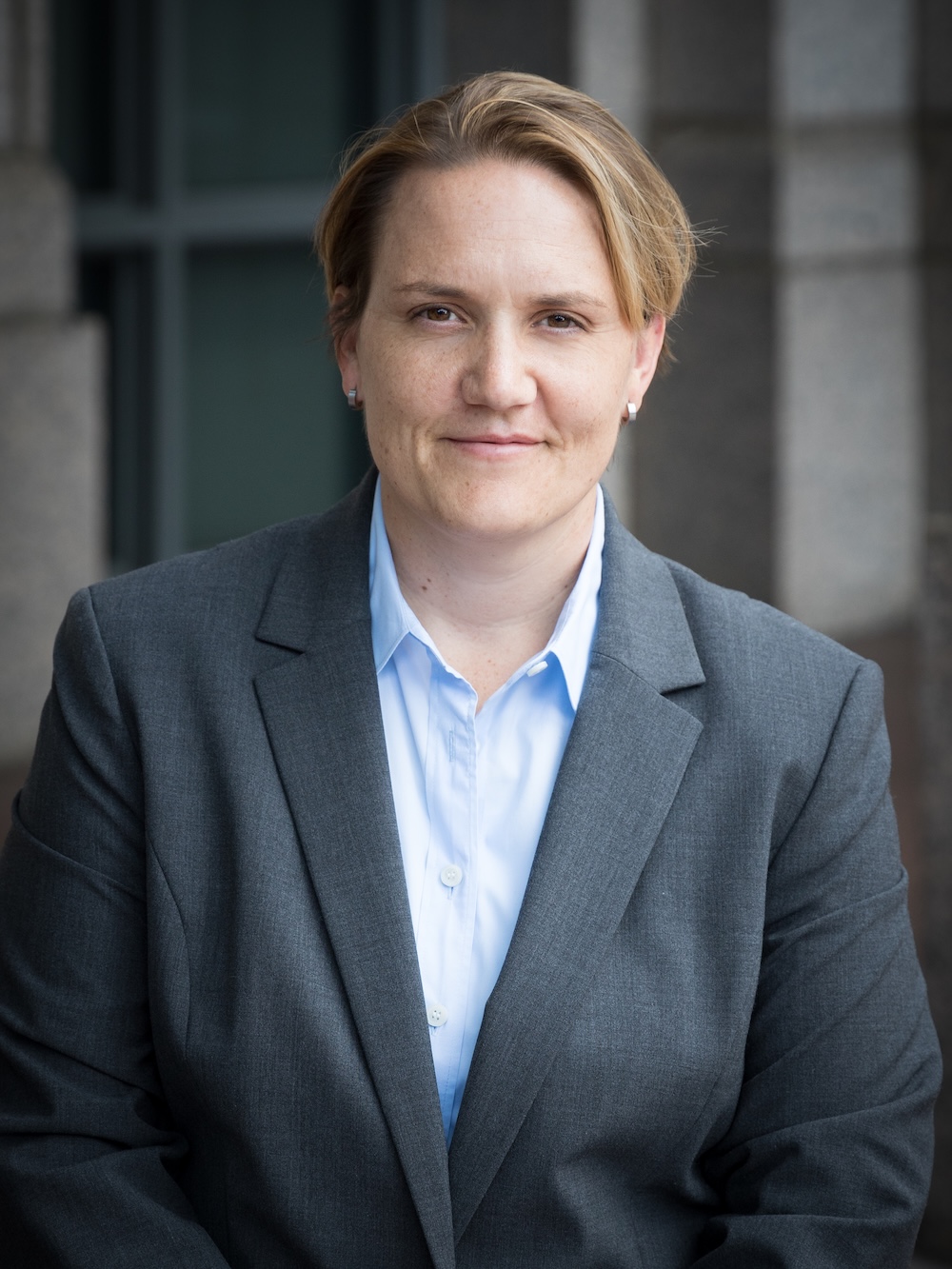
Michael Cohen
Michael S. Cohen is a partner in Duane Morris’ Employment, Labor, Benefits and Immigration Practice Group. Michael concentrates his practice in the areas of employment law training and counseling. He has trained and counseled employers throughout the country on subjects including harassment prevention; diversity, equity and inclusion; combatting implicit bias; performance management; discipline and discharge; hiring and recruiting practices; performance evaluations; FMLA, ADA and FLSA compliance; leave of absence policies; LGBTQ+ issues in the workplace; substance abuse testing; workplace violence; records retention; conducting background checks; and more. Michael also has conducted investigations into claims of harassment and discrimination and has drafted employee handbooks, employment agreements, non-compete agreements and post-termination agreements. Michael regularly conducts in excess of 200 trainings each year. He has represented clients throughout the country in EEO and other administrative proceedings.
Michael has been cited as a national authority on employment issues by The New York Times, The Associated Press, USA Today, MSNBC.com, HR Magazine, SHRM On-Line, Employment Law 360, Inside Counsel Magazine, as well as many other publications. Michael serves as an Advisory Board Member of GenHERation and as a Board Member of Serve, Inc.
Michael has a passion for education and for taking on a challenge. Both of these traits likely were sparked by his mother, a former high school teacher who, after being fired from teaching due to her being pregnant with Michael, challenged a mandatory maternity leave policy all the way up to the United States Supreme Court where she won a victory for all working women, in a case captioned Cohen v. School Board of Chesterfield County Virginia.
Michael is a proud husband to Jamie and father to Maddie and Mia, a travel softball coach for the Philadelphia Phillies Urban Youth Academy and a fanatical Philadelphia and University of Michigan sports fan.
Episode Transcript
This transcript has been generated by AI and may contain slight discrepancies from the audio or video recording.
Anne Sparaco : [00:00:00] Hi, I'm Anne Sparaco host of SHRM's All Things Work podcast. If work feels overly complicated, here's something that might help. Paylocity iss one platform for HR finance and it delivers AI powered automation, centralized workforce data, and flexible time tracking to support teams during busy seasons With mobile clock ins and intelligent insights all in one place, confident decisions come easier.
Learn more about how Paylocity helps streamline work and brings teams together@paylocity.com slash one.
Michael Cohen: Are they doing a good enough job at a phrase that I absolutely adore, which is, are they inspiring, calm, recognizing that their employees are gonna take cues from them? On in this kind of strategic art architect framework, are they inspiring, calm, recognizing that we live in a world that is complicated, that is confusing, that in moments is just plain scary.[00:01:00]
Anne Sparaco : As individuals, we're fascinated by what makes us tick. Personality quizzes like Myers Briggs and Clifton Strengths help us decode how we interact with people and our environments. But have you ever wondered about the personality type of your organization? Just like people, organizations have distinct personalities defined by their cultures and research.
From SHRM's 2026, global Workplace Culture Report has identified eight distinct. Culture types, which can shape everything from your daily experience as an employee to even your career growth. In this episode, we'll explore how understanding your organization's culture type can help you find your fit and align with your strategic goals, both in and out of work.
Joining us is Michael Cohen, partner at Global Law Firm, Duanne Morris, and an expert in organizational culture who will share actionable insights on how to excel. Based on his personal [00:02:00] insights from this research. Michael, this is actually your second time appearing as a guest on all Things work. So welcome back.
Michael Cohen: Thank you so much, Anne. It's great to see you and it, it truly is a pleasure, uh, to be back on the show.
Anne Sparaco : It's great to have you back. We're so excited to dive into this. So Michael, the SHRM's latest. Global Workplace Culture Report, as we mentioned, it examines how organizational culture is dynamic, multifaceted, and really shaped by strategic choices going well beyond factors like tradition or geography.
'cause as we know, just so many differences across the globe. So what is your take on all that goes into how workplace culture is shaped and defined here?
Michael Cohen: To your point, Anne, there are so many factors, which are incredibly divergent, but if you can distill them down to a few that become crucially important, I, I think a number one at the top of the list is always meaningful communication [00:03:00] that exists between levels.
Um, irrespective of which category into which. Your organization fits. Uh, accessibility of leadership is crucial and making sure that employees feel comfortable coming to talk to them, making sure that as leaders we are really doing a good job of listening and empathetically and intellectually and compassionately and non-com competitively.
Hearing what people are saying is essential, so communication massive. Uh, find purpose-driven work. For employees and, and we all know because we've all been in jobs, in roles.
Anne Sparaco : Yeah.
Michael Cohen: Where we don't find it right away. And too often the tendency, uh, is to say, well, this isn't exactly what I want to do. I'm going to go find someplace else immediately that's gonna enable me to find, to have that work right away.
And, and I think the [00:04:00] reality is in most situations, that's simply not what happens. So there is a resilience. That exists with regard to finding and ultimately living in that purpose driven work doesn't happen right away. And finally, and I don't think I can overstate this, an ongoing emphasis on inclusion and on diversity.
We have seen the studies, we have listened to the podcasts, we have read the articles and feelings of inclusion, the intentional creation of space. With particular individuals in mind, the the sense that diversity matters, diversity of thought, diversity of experiences, all of these things, communication, purpose-driven work commitment, real commitment to inclusion and diversity.
All are going to drive workplace culture.
Anne Sparaco : I love that you brought that up because really at the end of the day, you can, you can have a, maybe [00:05:00] a tough, challenging job, but if you feel inclu, if there, there, if there are inclusive practices and you have that communicative people manager, wow. Does that carry you so far?
Um, so as I mentioned earlier, there are eight distinct organizational culture types identified in this. Big research report term did each with their own unique strengths and even potential challenges. So while we won't cover all of them in today's episode, we have created a quiz linked in this episode's description, kind of like a Buzzfeed quiz, if you will.
It's fun, uh, to help our audience discover their own culture type in their organization. For now, let's explore a couple of the most common ones. So let's start with SHRM's growth collaborator type. It represents. 37.2% of organizations surveyed for the report. Let's remind our audience. This is globally, that's, that's not a small number right there.
It's more than a third. So this is described as an organization that maximizes long-term impact and [00:06:00] growth with flexibility, empowering individuals and teams to adapt, innovate, and take ownership here. It also values open structure and strong collaboration. Probably thinking across the. Departmental collaboration there.
So given these descriptions, Michael, can you paint a picture of what you see people doing and how they're interacting day to day in a culture like this? Like let's, let's get an idea of what this looks like on an average day.
Michael Cohen: Sure. And, and I think I. A couple of the categories within this growth collaboration that are so important is an organizational willingness to adapt and to be innovative.
Uh, and, and by the way, I think a willingness to adapt and to be innovative just so massively in such a positive way impacts a workplace culture. So again, let, let's talk about a few different components of that. One is, is there room for failure? Inside of your organization. Uh, the, the [00:07:00] reality is mistakes are going to happen.
We are going to screw up from time to time. And in my experience where transformative change, really positive change very often comes from, is a leader's willingness to allow people around them to get it wrong the first time. A, an organization that stifles creativity, that is not adaptive, that doesn't really focus on innovation, you're, you're standing still.
And as we know, standing still, status quo is kind of moving in reverse. So we really need to allow for failure, allow for these mistakes so that innovation can happen second. Uh, one of my least favorite phrases in the entire world is back in my day. Oh, and we all have inside of our organizations, people who [00:08:00] start every other sentence with that phrase back in my day.
And we all appreciate that back in my day. It's not so veiled code for I am who I am. I have a complete unwillingness or inability to change, and I want to continue to do things the way they have always been done. Why? Because that's how they've always been done. There's this amazing clip. Um, from a show called Abbott Elementary, which is based on a public school right here in Philadelphia where I'm from, um, where a, an administrator says, if it ain't broke, don't fix it.
New challenges mean new problems, and I am so fundamentally opposed to that kind of thinking. Mm-hmm. And back in my day. And that is not to say we ignore the past. We cannot ignore the past. Right. But being mired in it, having an unwillingness to move forward will just so significantly stifle again. Being adaptive.
Being innovative, and, and finally, and I know there's some controversy around this word. [00:09:00] Candidly, I think it's incredibly important, and that is we have to embrace notions of equity because equity matters. Our understanding that people come to our workplace with disparities, having different, different experiences that they bring with them to the world, and then of course to the workplace will impact what's going to lead them to be most successful.
So. Until, and unless we understand what motivates them based on these prior experiences that they have had, embrace notions of equity, we're not going to be able to be as innovative. We're not gonna be as adaptive. This idea of growth collaboration, I think is based on these kinds of principles.
Ad: The future of work is shaped by the talent you hire today.
Join us in Dallas, Texas, April 19th until the 22nd to gain the tools and strategies to build a stronger, more resilient workforce at SHRM Talent [00:10:00] 2026. Learn more at SHRM dot org slash talent. 26 dash podcast.
Anne Sparaco : You talked about, uh, collaborative openness. It's something charm really pushes forward Internally.
We, we always say, what, what do our leaders say? Our leaders say fail fast, which means try new things, give it a shot, but learn quickly as to what went wrong so we can make changes and innovate, like you said. So I love that you brought all of that up. And for our audience, who takes our quiz and does.
Governs their organization is a growth collaborator. What are some practical ways they can really leverage this type of environment to maximize their own growth and impact? You kind of touched on this a little bit, um, but are there specific mindsets or behaviors that tend to thrive in this type of culture?
Michael Cohen: I think there are. I, I think first we need to enhance team-based decision making. Let's make sure that people have a voice. Let's make sure that. It's not just be, because this is not like one [00:11:00] of the other frameworks where it is hierarchical and it is very leadership centric. This is a more of a collaborative kind of an approach.
So I think different voices and different perspectives, a diversity of thought will enhance the experience We need to push people outside of their comfort. Um, I, I am outside of being called husband and outside of being called dad, my favorite thing in the whole wide world to be called is Coach Mike. I coach, uh, an 18 and under very competitive girl softball team have for about 10 years.
And one of the things that I insist from my players all the time is that they get comfortable being uncomfortable. The word is hard, the world is hard. And again, if we stay mired in the things that we have done and the way we have always done them, we simply will not grow. So we have to be comfortable being uncomfortable, uh, and we want to create this diversification of work.
As we talked about before, it doesn't always happen right away. And there are times where it gets frustrating when we can't find it [00:12:00] exactly as quickly or as. You know, with as much facility as we would like to, but finding this growth, this diversity of work is important in, in terms and in terms of the mindset.
So when we talk about, uh, a mindset for this kind of organizational structure, there's something called an outward mindset that really puts others ahead of ourselves. And what we focus on with an outward mindset is sort of the collective goals. Of the organization, understanding that certain people's needs and certain people's goals, what they look like, and that we have to adapt in order to facilitate individuals to achieve those goals, which of course, from an organizational standpoint, benefits the organization as well.
It builds collaboration, it builds teamwork, it builds this sense of selflessness. Um, and this kind of outward mindset is, is kind of core to this growth collaboration.
Anne Sparaco : So the next most common SHRM culture type [00:13:00] is the strategic architect, which represents 16.8% of organizations surveyed. These organizations drive strategic initiatives with calculated risk, relying on structured processes, centralized decision-making, and formal feedback.
The val, they value really clear communication, like you mentioned earlier, Michael, and strong relationships. While maintaining a controlled, really deliberate approach here. So let's paint a picture for this culture type and how people are interacting day to day. Can you walk us through what that would look like from your perspective?
Michael Cohen: Absolutely. It, with this strategic architect framework, really leadership becomes essential. Because it is more of a hierarchical approach than the one we've discussed previously. So I think what becomes seminal to the success of this kind of a framework is humanistic leadership. [00:14:00] Leadership that becomes accessible.
People feeling like and understanding that the people to whom they report in a meaningful way are there for them, are our leaders. Leading with empathy. Are they engaging in human interactions? You know, non-work related interactions, sharing interests, talking about things that exist outside of the workplace.
Are they doing a good enough job at a phrase that I absolutely adore, which is, are they inspiring, calm, recogni, recognizing that their employees are gonna take cues from them. On in this kind of strategic art architect framework, are they inspiring, calm, recognizing that we live in a world that is complicated, that is confusing, that in moments is just plain scary?
Or are they de busting every time something goes a little bit sideways? Do they go from zero to plaid in 0.4 seconds when things don't work out? The antithesis of making room for failure, like we talked about earlier, [00:15:00] are they, are they ex and are they expressing gratitude? And I know it is just so a wildly simple concept, but my goodness, are they
Anne Sparaco : so simple?
Michael Cohen: Yeah, yeah. Are are they saying thank you and we can't live in the world where Elizabeth Moss and John Ham back in Mad Men we're having the conversation and Elizabeth Moss is so frustrated with John Ham and says, you never say thank you, and he spits right back. I say thank you every week when I pay you.
Not good enough. And are we listening? Right. Do we. As humans have the ability to shut up and listen to what people are saying to us. And I mentioned it before and it's not just hearing people, it is engaged.
Anne Sparaco : Yes. Thank you. Sorry. I felt that really to the heart, that moment.
Michael Cohen: Good because, good job because it matters, right?
Yeah. Non-competitive, intellectual, compassionate, listening, making people [00:16:00] feel heard, making people feel like they matter.
Anne Sparaco : It, it takes, so it takes you so far, it takes your team so far and, and not just at work in your personal life too. All right. So Michael, in our other All Things work episode that you were on, uh, called Breaking Through Bias, ethical and Inclusive Hiring, you said something that really struck a chord with our audience.
You said, in regards to HR hiring talent. Don't look for a culture fit. Look for a culture add. I loved, loved when you said this, it really stuck with me as well. So with the SHRM Workplace Culture Report, highlighting how organizations benefit from diverse approaches, diversity of thought and strengths, how can professionals identify ways to be a culture?
Especially if their personal style or values differ from that dominant culture type.
Michael Cohen: First of all, thank you. Your, your words are incredibly kind and I, and I'm glad that, that it did resonate with people. Uh, I think, again, few things we can do, right? [00:17:00] We already talked about being comfortable, being uncomfortable.
We talked about the fact that work will continue to evolve. The challenges will continue to become more significant and more diverse, and we have to be comfortable doing things. Wrong the first time. Living in a world of some level of uncertainty, uh, this grind, it's real. Uh, we have to continue to work hard.
Um, and, and the way I always look at that grind is through a sociological phrase that I learned years ago, and it, it's something called relentless incrementalism. And the whole idea behind relentless incrementalism is that. Real change and certainly within a workplace environment, culture change. Um, culture add, the way those kinds of changes are facilitated best is not through grand gestures.
Ad: Mm-hmm.
Michael Cohen: Because in my experience, when you try and make massive change, immediately when you try and create this [00:18:00] culture, add that fast. It, it. Eventually and inevitably it rebounds. Yeah, it ricochets back. It boomerangs whatever word you want to use. Relentless incrementalism is the understanding that the way change that will happen and will stay is through constant small steps.
We are constantly trying to move the ball forward. Piece by piece we're doing incrementally. We are doing it without waiver, without hesitation, and without compromise. We are constantly moving forward.
Anne Sparaco : I love it. I love it. And from all that you've seen and consulted on through your experience, can you share an example of how someone's unique perspective or their skills really help their organization evolve or succeed even in those small steps like you mentioned, and even if they didn't necessarily match that.
Prevailing culture type.
Michael Cohen: Yeah, I, I mean, I actually can think right now of an organization with which I have worked for years and [00:19:00] years, and it was an organization that was a little bit mired in the ideas of back in my day and not withstanding my constant pushing, uh. This was who they were and they weren't understand.
These are not bad people. These are well intending people who overwhelmingly could not get out of their own way. And what you saw because of the back in my day, pervasive culture was retention problems. Culture issues. Um, the word on the street about this organization was, it was not always the easiest place to be, and they brought in this new COO and this happened accidentally.
And this new COO very much was a culture changer. And appreciated what something. Ann, you and I have talked about these expressions of gratitude and the importance of saying thank you. He this CEO, he appreciated the importance of listening and of inspiring calm and what you saw, and it didn't happen overnight, but what you saw was because it was a [00:20:00] top-down kind of an approach was a meaningful change in culture.
And of course, what that led to. Was increased retention. What of course that led to was increased collaboration, increased productivity, which of course led to increased profitability as well, which made the CEO, who had been running the organization for a billion years, who was very mired back in my day, get out of back in my day.
It was very, very cool to watch.
Anne Sparaco : That's, that's, I love that example. Thank you for sharing that. Honestly, it kind of even touches on our civility stuff. Um, but I won't go down that road because that could be a whole other episode. Um, 'cause I do think gratitude, civility, it really just holds hands,
Michael Cohen: couldn't agree
Anne Sparaco : more, holds, hands and inclusion, uh, they all hold hands.
Uh, so stepping into more of the employee, um. Maybe an employee might think that their personal style doesn't quite match the organizational culture type. What are some of the challenges that, challenges that type of [00:21:00] employee would really face in that situation?
Michael Cohen: So I think the one we deal with most these days under circumstances, like you've just described, Ann, are mental health challenges.
Mm-hmm. Uh, people aren't happy. Um, and whether it's pre-existing mental health conditions, whether it's conditions that. Become established as a result of what's happening. It's real. And, and the numbers, we've seen the numbers from the National Alliance on Mental Illness. We've seen numbers that, that SHRM has put out as well.
It's staggering, it's scary. Uh, and I think what we need to do organizationally is when we see people struggling, is to make sure that they understand that we understand. That they're struggling. They need to make sure that they understand that there are resources inside of the organization that we can provide, that can make a meaningful difference in their life.
Um, you'll see frustration, you'll see a lack of productivity, a lack of [00:22:00] efficiency because they're, they're simply not satisfied with what they're doing day to day and in circumstances like this. What you, what you see is either the employee adapts.
Anne Sparaco : Mm-hmm.
Michael Cohen: And, and please understand, I'm not saying that you can simply adapt from a circumstance where you're dealing with mental health structure, right?
Anne Sparaco : Mm-hmm.
Michael Cohen: But taking that out of it, you can either adapt, um, you can conform, which usually is not terribly satisfying. Uh, you can try and create your own path inside of the organization, or you leave. Um, and which is why it's so important for organizations to understand, for leadership, to understand that we don't want this revolving door of employees.
We don't want these horrible retention numbers. So it's our job to figure out ways to keep people, not everybody but the people that are worth saving. We gotta figure out a way to keep them.
Anne Sparaco : Yeah, it's also good to face that reality. You can't force anybody to say, or you [00:23:00] can't keep 100% some, but if you strategize and understand where you can make the change, where you can make that effort, um, you know, and, and be effective that way, that that.
So important. Thank you for bringing that point up. So for the individual employee, going back to this person, you know, we're thinking, we're relating to this person as well. Are there warning signs that a culture type may not be serving their growth career goals? Or even, like you said, their overall wellbeing?
Um, because somebody might be in, in the growth collaborator, but they, you know. Are way better in this other culture type defined by our research.
Michael Cohen: Uh, I think it's gonna depend on the person and it's gonna depend on the organization. Are, are there warning signs that this may not be the place for them?
When, when you start looking at goals of other employees around you, what are they focused on and are they in line with what matters to you? If, for example, job satisfaction and really, um. [00:24:00] Receiving some sort of, or some level of happiness from the work you're performing is what really is central to your being.
But the people around you really are focused more on, for example, money. And that's, I'm not saying that in a negative way, that's what motivates an awful lot of people. But it's not what motivates you. Maybe this isn't the right place. If that's the central focus, then it may not be the right place. What's leadership focused on?
Um, are they, do they have the same mindset? Are they facilitating, are they creating the growth of this environment where people really, their central focus is money? And, and I will tell you in my experience, and it's not always the case where money is the motivating factor, where money is the driving factor, it leads to, it does not lead to an outward mindset.
It leads to people focusing on number one and number one only. It's, they know that. They, they can control themselves. They're gonna focus on themselves. They're gonna do whatever they can to create the best opportunity for themselves, very often [00:25:00] at the cost of others. Now, I just don't believe that's how you grow an organization.
Anne Sparaco : Thank you for bringing that point up. I would love to close it up for our audience. If you could provide one piece of advice for employees about thriving in any culture type, what would that be for them? Let's leave off with like a good note to help us take one step forward.
Michael Cohen: Sure. And, and I'm gonna go back to Coach Mike mode.
Yes. Um, and the conversations that I have with my young women all the time, and that is you have to have an ability to advocate for yourself. Uh, if in, in, in many organizations, if you are not willing to speak truth to power, if you are not willing to talk about the accomplishments that you have had, assuming a realistic view of those accomplishments, ain't nobody else gonna care.
You have to be able and willing and comfortable, even in a wildly uncomfortable circumstance, letting people know what you need and why you need it. [00:26:00] And how it ultimately is not just going to benefit you, but how it's going to benefit the organization. The ability and the willingness to advocate for oneself is an art that frankly is very, very difficult to master, but can be a superpower.
Anne Sparaco : Wow. And I, and I know that's not always easy to do for people, but you know, trying to remind yourself to feel confident, um, try to, try to create that confidence in yourself to do that. That's, uh, that's a big thing, uh, for, for employees to do. Completely agree. So, beautiful note to end on. Mike, uh, co coach Mike Michael Cohen, thank you so much for joining us again on all things where we learned so much.
And again, we could've, you know, dive so much deeper into this report, but we tried to at least. Address the top two. So thank you so much for really giving us a realistic perspective into these culture types.
Michael Cohen: Thank you so much, Anne. It really was a lot of fun.
Anne Sparaco : All right, that's all for this week. We'll catch you next time.
Ad: Working around [00:27:00] complexity is the norm. But what if it didn't have to be? Imagine never second guessing payroll, real time expense data that puts you in control and automated workflows that take repetitive tasks off your plate. That what if is now a reality One unified platform for HR, finance, and it.
Feature Story

SHRM’s 2026 Global Workplace Culture Report finds that HR plays a pivotal role in shaping workplace culture. But how can HR leaders do it? And why is that important in 2026?
Enjoy On Your Favorite App
Feature Stories
As part of SHRM's commitment to providing cutting-edge resources, get additional perspective and more insights in content curated from SHRM and around the web.

Deciding to openly share compensation information across your workplace requires careful planning, stakeholder buy-in, and a commitment to ongoing communication.

Learn how inclusive spirituality initiatives in workplace wellness programs can reduce stress, boost resilience, and foster connections among employees.

Discover actionable strategies to foster trust, improve communication, and strengthen relationships with team members by avoiding common leadership pitfalls.